Rosarito
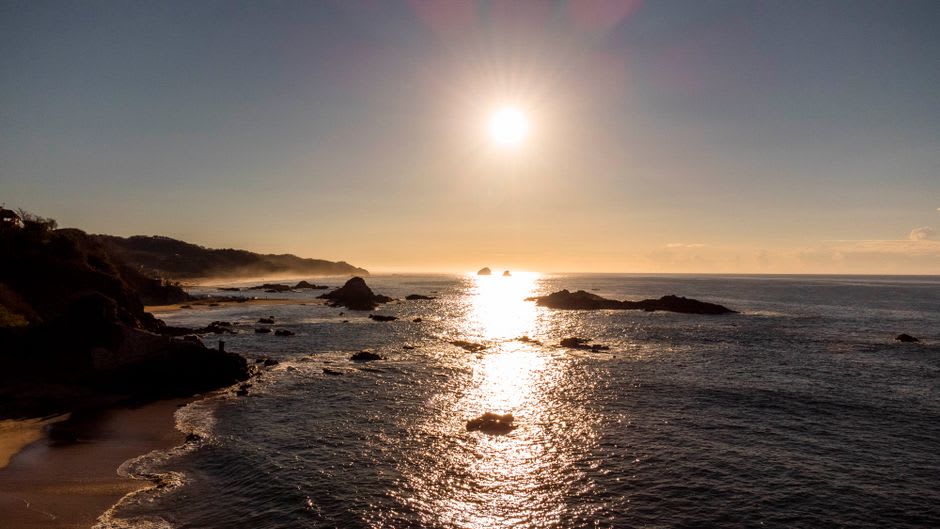
"The Pacific at Rosarito is cold and unforgiving in the best possible way — nothing like the warm southern swells I had gotten used to watching from the beach in Puerto Escondido."
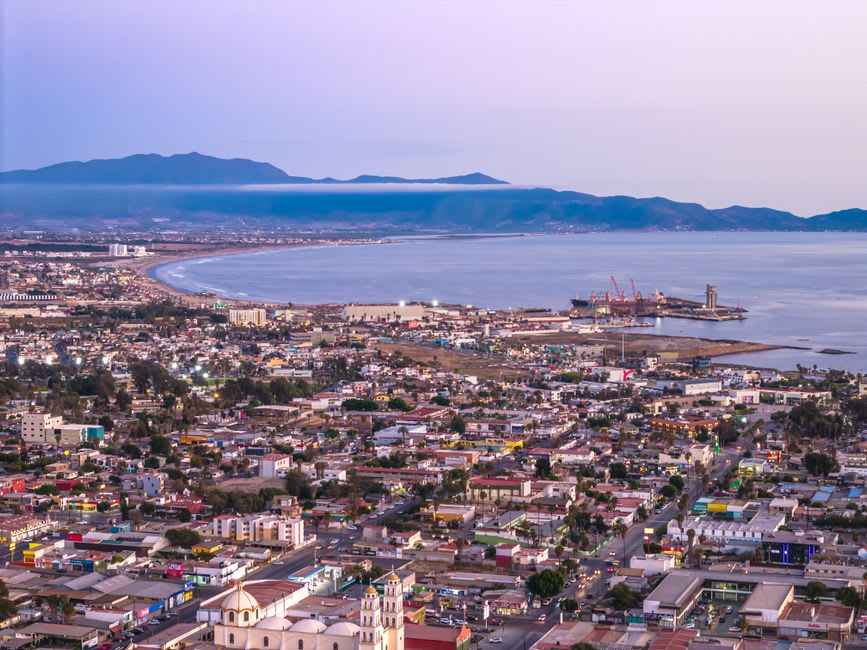
Rosarito sits on the Pacific coast of Baja California, thirty minutes south of Tijuana, where a long cold beach and a quietly serious food scene exist entirely on their own terms. The city was briefly famous for a Hollywood production in the 1990s and has since returned to being itself: a working coastal town with good fish tacos, consistent surf, and a malecón that looks best at dusk.

I had driven down from Tijuana on a Tuesday afternoon in February, which is not the time most people choose to visit Rosarito. The town was quiet in the way places with a seasonal tourist economy get quiet — not abandoned, just running at a lower frequency. I found a taco stand on Benito Juárez that was doing brisk business regardless of the month, ordered two tacos de camarón with the house salsa verde, and ate standing at a painted metal counter while a small television mounted to the wall played football highlights nobody was watching.
The Long Coast
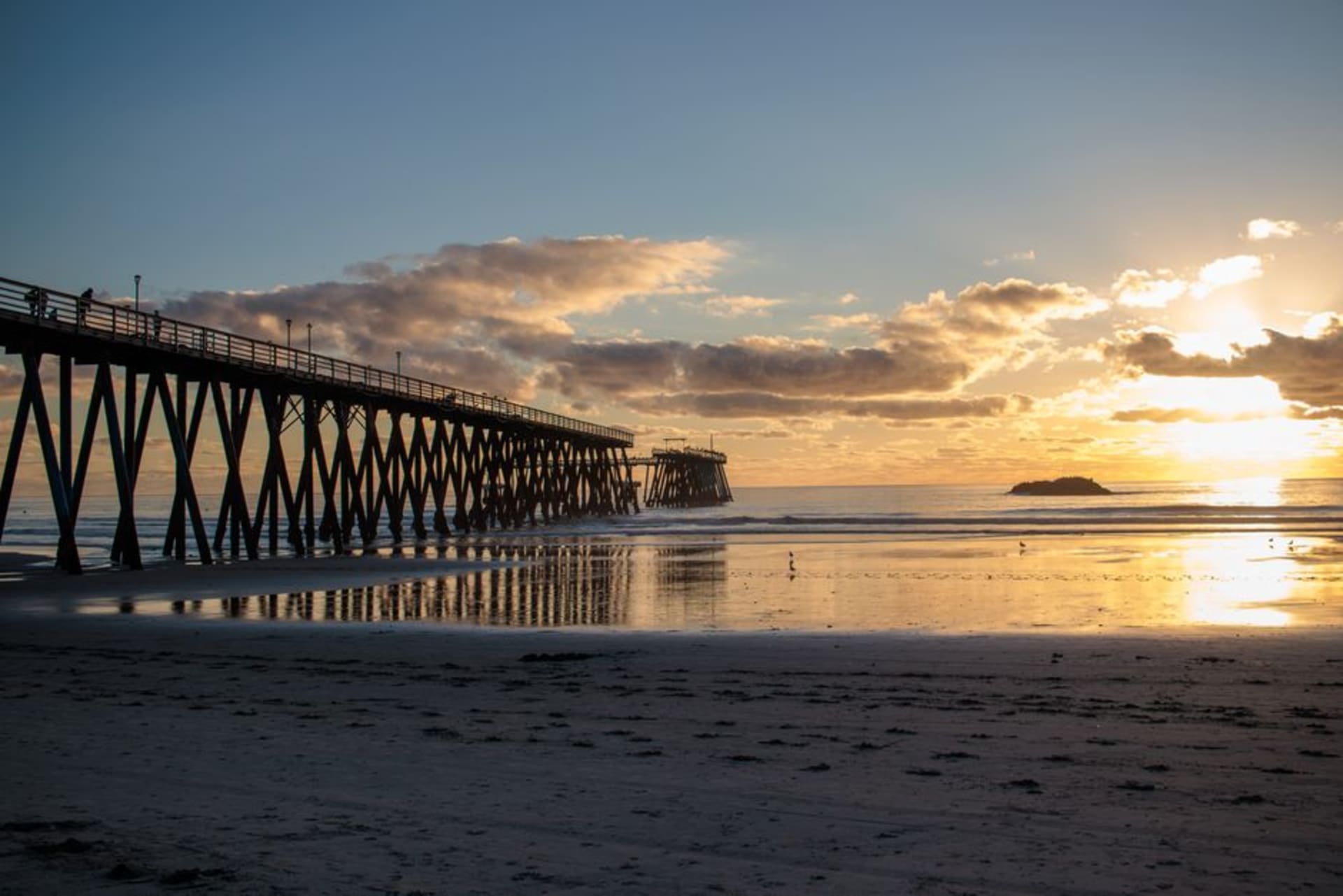
Rosarito’s beach runs for several kilometers — a long grey-sand stretch where the Pacific arrives cold and serious, nothing like the warm swells I watch from the beach down in Puerto Escondido. The water temperature hovers around 16 or 17 degrees Celsius in winter and rarely climbs much above 20 even in summer. Surfers know this, and they work the break at Playa Rosarito in full wetsuits, riding medium swells that form reliably enough to sustain a small local surf culture year-round.
The malecón is a modest affair — a concrete promenade with painted railings and a handful of vendors selling elotes and churros — but at dusk in winter, when the light drops flat and the pelicans cruise low over the water, it has an unpretentious beauty that more famous coastal towns tend to lose once they learn to monetize it. I walked its full length twice and spent twenty minutes watching teenagers attempt skateboard tricks on pavement that was not designed for it. Nobody was succeeding. Nobody particularly cared.
What the Stands Are Doing Right
The thing about Rosarito’s food is that it does not announce itself. What there is: fish tacos built in the Baja style — white fish, battered and fried, folded into a corn tortilla with shredded cabbage, crema, and a squeeze of lime — executed with the consistency that comes from doing the same thing correctly for twenty years. The stand I kept returning to was on Avenida Benito Juárez near the Rosarito Beach Hotel, run by a woman who worked two stations simultaneously and never once looked flustered.
Mariscos appear everywhere else — tostadas de jaiba, ceviche in styrofoam cups, aguachile so cold from the lime it made my eyes water. The Tecate flows in large ceramic mugs that are technically illegal to carry on the street but that everyone does anyway. Thirty minutes north sits Puerto Nuevo, a village that has made lobster its entire identity; the drive is worth it for dinner if you are staying more than a day.
A City That Survived Its Own Fame
In 1996, Fox Studios built a full-scale replica of the Titanic near Rosarito for James Cameron’s film — a production that employed thousands of locals and briefly made this small coastal town famous for something entirely unrelated to itself. Fox Studios Baja still operates. The references remain: a museum, occasional tours, a mural or two. But the city itself has quietly gotten on with things. The taco stands do not care about James Cameron. The surfers do not. The woman at the mariscos counter who refills your lime bowl without being asked — she definitely does not.
That self-possession is what makes Rosarito worth the detour. It is a working town on a beautiful coast that briefly became famous for something else, shrugged, and went back to work.

Getting There
Rosarito sits 30 kilometers south of Tijuana on the toll road Ruta Federal 1-D. From Tijuana’s city center the drive takes around thirty minutes; from the San Ysidro border crossing in San Diego, plan for forty-five to sixty minutes depending on crossing wait times. Local taxis and shared transport run regularly from Tijuana’s central bus terminal. The nearest airport is Tijuana International.
Keep exploring
More of Baja California
Keep exploring
More from Baja California
 mexico
 Tijuana
Tijuana is the busiest land border crossing on the planet and one of the most genuinely misunderstood cities in North America — a place that has quietly built one of Mexico's most exciting food and craft-beer scenes while the world still pictures it through the lens of a 1980s thriller. I crossed into it on foot the first time half-expecting chaos and found instead a city that seemed to be in on a very good joke.
Explore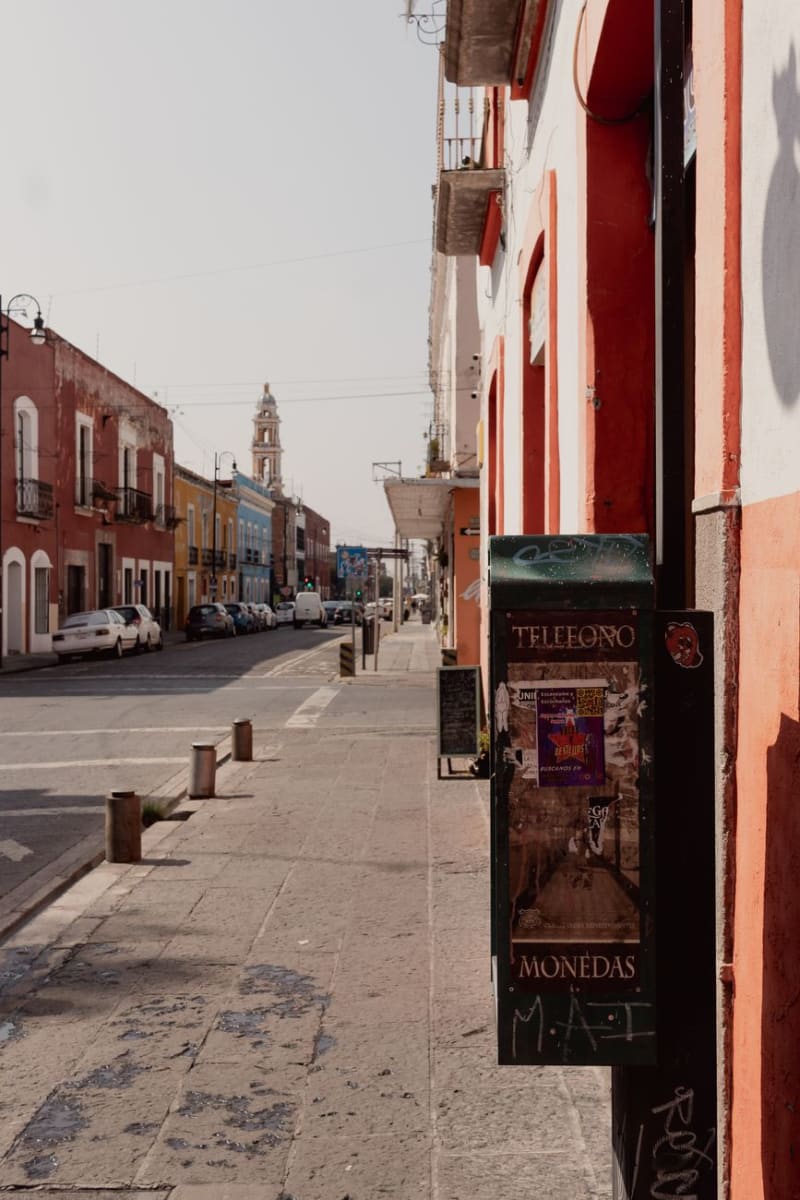 mexico
 Tecate
Tecate is the quietest border crossing on the Baja California frontier, a small city that the international boundary bisects without seeming to particularly upset — the plaza runs its own rhythms, the bakery sells Pan de Tecate in the mornings, and the Tecate Brewery, which has been producing beer here since 1944, perfumes the air above the main square with a faint note of hops that you either find comforting or unsettling depending on your position on industrial beer. I crossed from the California side expecting a border town and found something much more ordinary and much more interesting.
Explore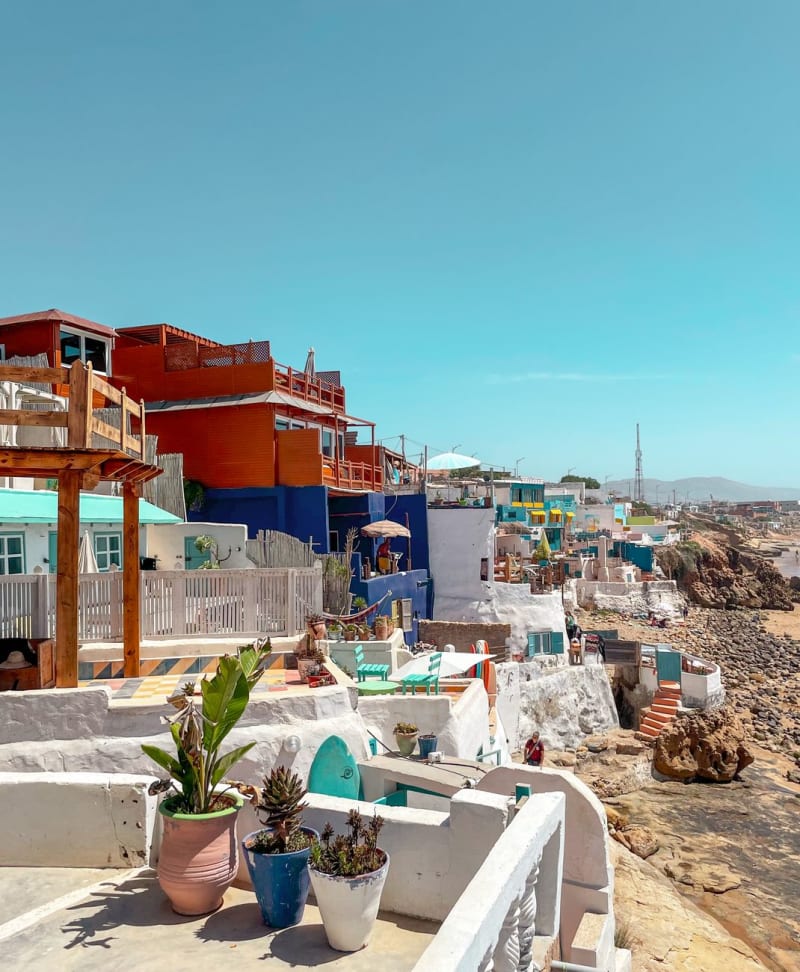 mexico
 Ensenada
Ensenada is a Pacific port city ninety minutes south of Tijuana where the morning fog sits low over the harbor until ten, the fish market opens before dawn, and the road east leads into wine country that no one outside of Mexico seems to know exists. I went for the Valle de Guadalupe and ended up staying for the tostadas de mariscos eaten standing up at eight in the morning, watching pelicans work the water.
Explore mexico
 La Bufadora
A marine blowhole twenty kilometres south of Ensenada that erupts every few minutes with a force you feel in your sternum — surrounded, unexpectedly, by some of the better street food on the Baja peninsula.
Explore mexico
 La Rumorosa
A mountain pass in the Sierra Juárez where geology has arranged granite boulders the size of apartment buildings into formations that look staged. At 1,200 metres the wind never stops and most of the million people who drive through each year don't get out of their cars.
Explore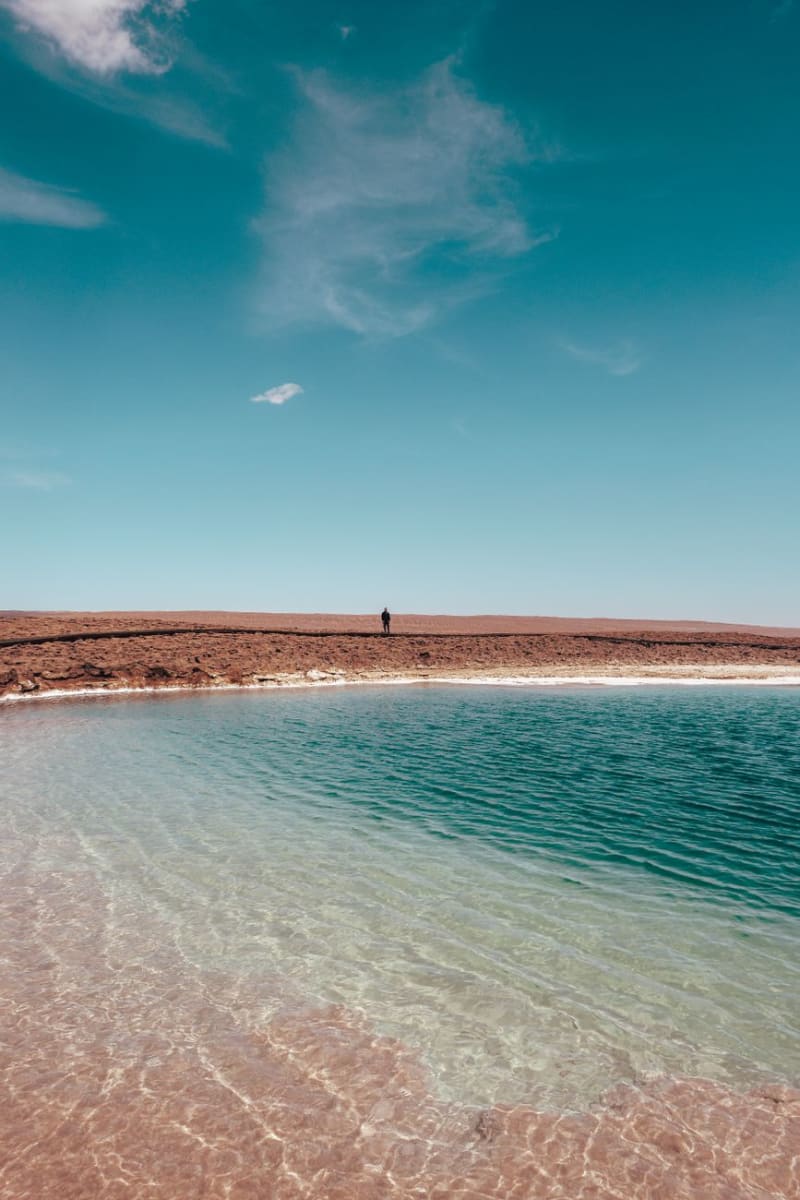 mexico
 Laguna Hanson
Laguna Hanson is a high-altitude lake in the Sierra Juárez mountains of northern Baja California, reached by a rough road that climbs from coastal desert into pine-oak forest at 1,800 meters — a complete ecosystem change in under an hour of driving. The lake sits among granite boulders and Jeffrey pine, shallow and seasonal, and the night sky above it is the darkest I've encountered in Baja. I drove up from Ensenada, camped alone, and woke to cold mist on the water.
Explore