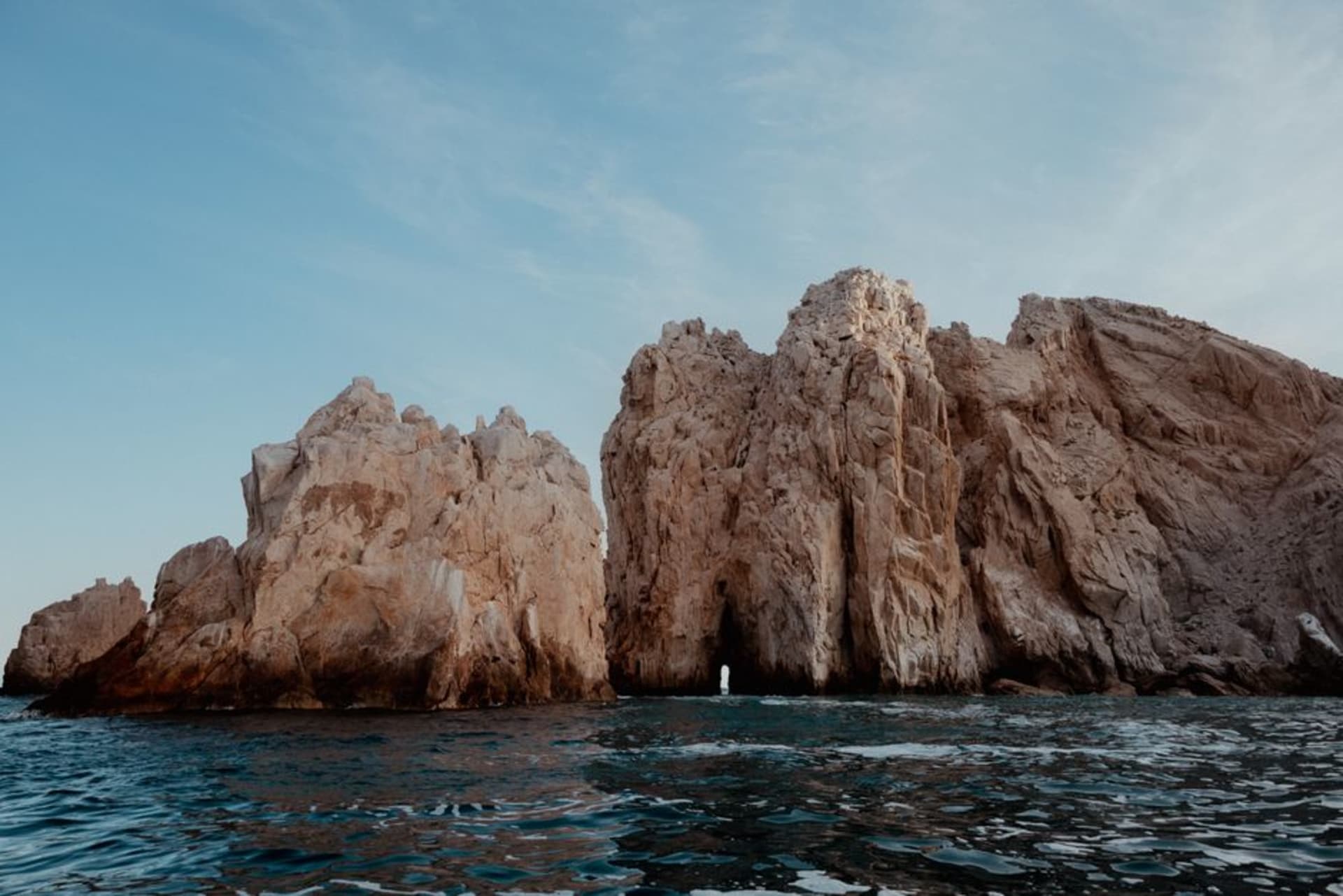
El Arco
"There was nobody there. Just the ruins, the wind, and a faded sign for a cantina that closed before my parents were born."
El Arco is a ghost town at the geographic center of the Baja peninsula, a gold-rush settlement the desert swallowed whole and never gave back. Stone walls, empty doorframes, a silence so complete it rings in your ears.

I ended up in El Arco the way you end up in most places worth ending up in — by taking the wrong turn off Mexico 1 south of Guerrero Negro and then deciding the corrugated dirt track ahead looked interesting enough to follow. Forty kilometers of washboard later, the track widened into something that had once been a street. Stone buildings on both sides, roofless. A hand-painted sign, sun-bleached to near-white. No people, no dogs, no sound except the wind moving through the gaps in the walls. I sat with the engine off for a long time before I got out.
What the Gold Rush Left Behind
El Arco boomed in the 1920s when gold was pulled out of the surrounding hills in quantities that briefly made this patch of central Baja feel like the future. At its peak the town had a hotel, a telegraph office, a cantina, and several hundred people with reasons to stay. By the 1940s the ore was gone and so were the people, leaving behind walls of rough-cut stone that turned out to be more durable than anyone expected. Walking the main drag — if you can call two tire tracks a main drag — you move through a strange layering of time. A doorframe stands perfectly intact, leading nowhere. A collapsed roof reveals ceiling joists still holding their angle after eighty years. One building retains faded lettering I could not quite read. The desert has not reclaimed everything; it has simply rearranged the hierarchy, making itself the primary fact and the human history a footnote.
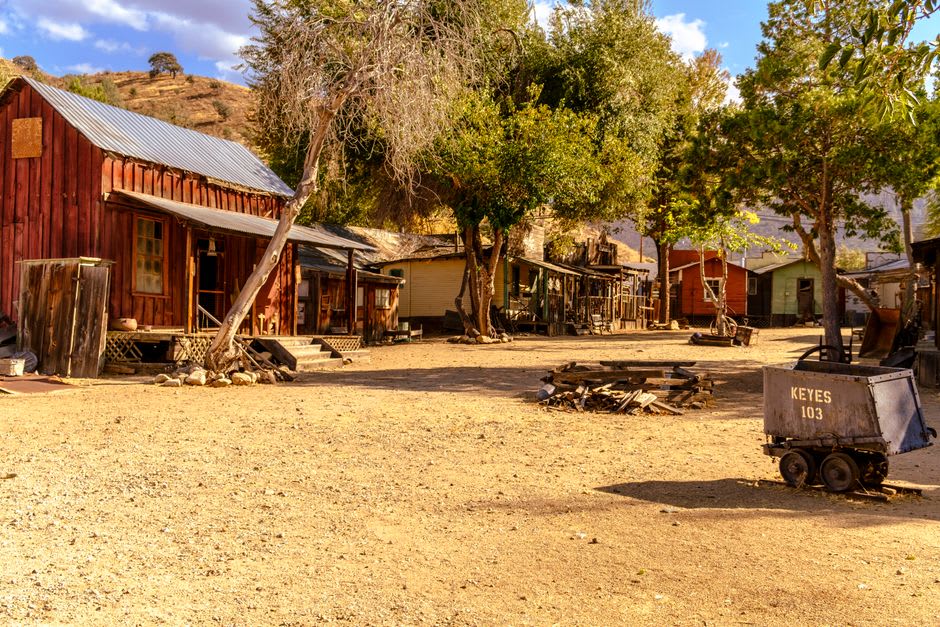
The Silence as Landscape
The thing nobody tells you about a place like El Arco is that the silence is not peaceful in the way silence in the mountains is peaceful. It is active. The wind comes through the Vizcaíno Desert in gusts that carry fine dust and the smell of creosote, and between gusts there is an absence so total that your own heartbeat becomes noticeable. I ate a sandwich I had bought at a tienda in Guerrero Negro that morning and drank the last of my agua mineral and thought about the people who had once eaten lunch in this same spot with different expectations about what their futures held. It is the kind of thinking a ghost town forces on you whether you want it or not.
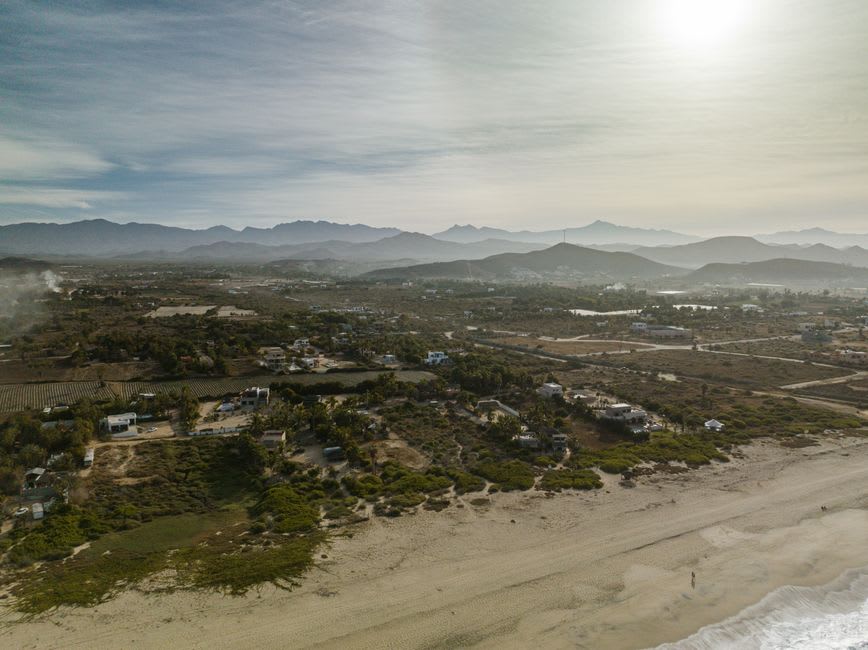
The Drive Itself
The approach through the central desert is, honestly, half the reason to come. The Vizcaíno Biosphere Reserve spreads in every direction — cardon cactus taller than any I had seen in Sonora, cirio trees doing their improbable vertical thing, the flat light of the peninsula’s interior that photographers describe as harsh and I would describe as honest.
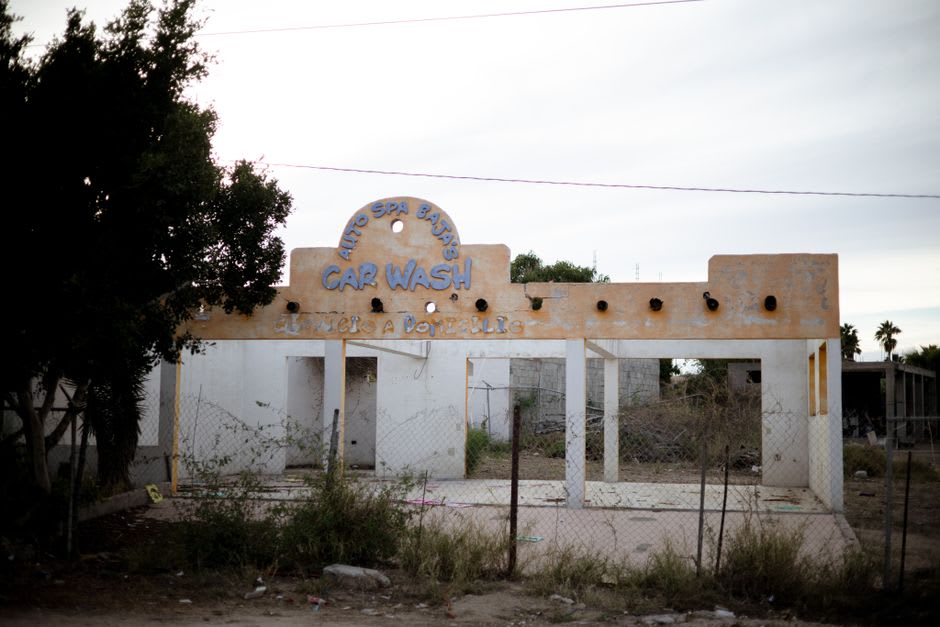
Getting There
From Mexico 1, turn east at the signed junction roughly 50 kilometers south of Guerrero Negro. The unpaved road runs about 40 kilometers to the village. A high-clearance vehicle is advisable; a 4x4 is not required in dry conditions. There is no fuel, no food, and no reliable cell signal in El Arco. Carry water for the full day and leave before afternoon winds pick up.
Keep exploring
More of Baja California
Keep exploring
More from Baja California
 mexico
 Bahía de los Ángeles
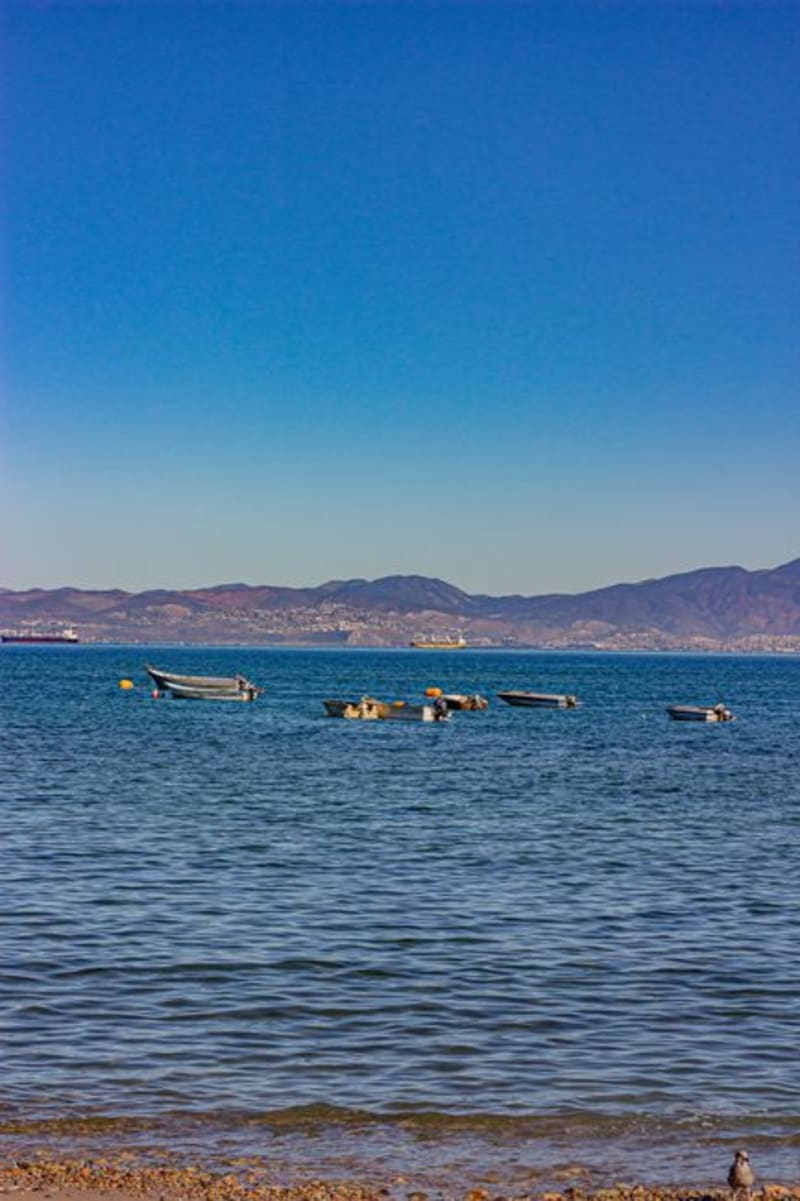
A remote bay on the Sea of Cortez where whale sharks gather each summer and the silence is so complete you can hear the pelicans landing. The two-hour detour off the Transpeninsular Highway is not an inconvenience — it is the selection mechanism that keeps this place intact.
Explore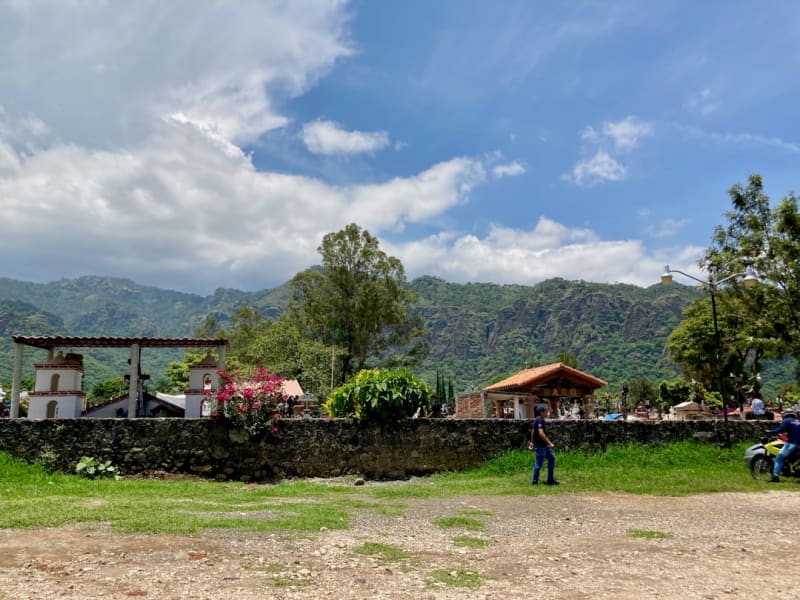 mexico
 Valle de Guadalupe
Mexico's most acclaimed wine valley in northern Baja California — a dust-road circuit of boutique wineries, open-fire restaurants, and one of the best concentrations of serious food in Latin America, forty minutes from Ensenada.
Explore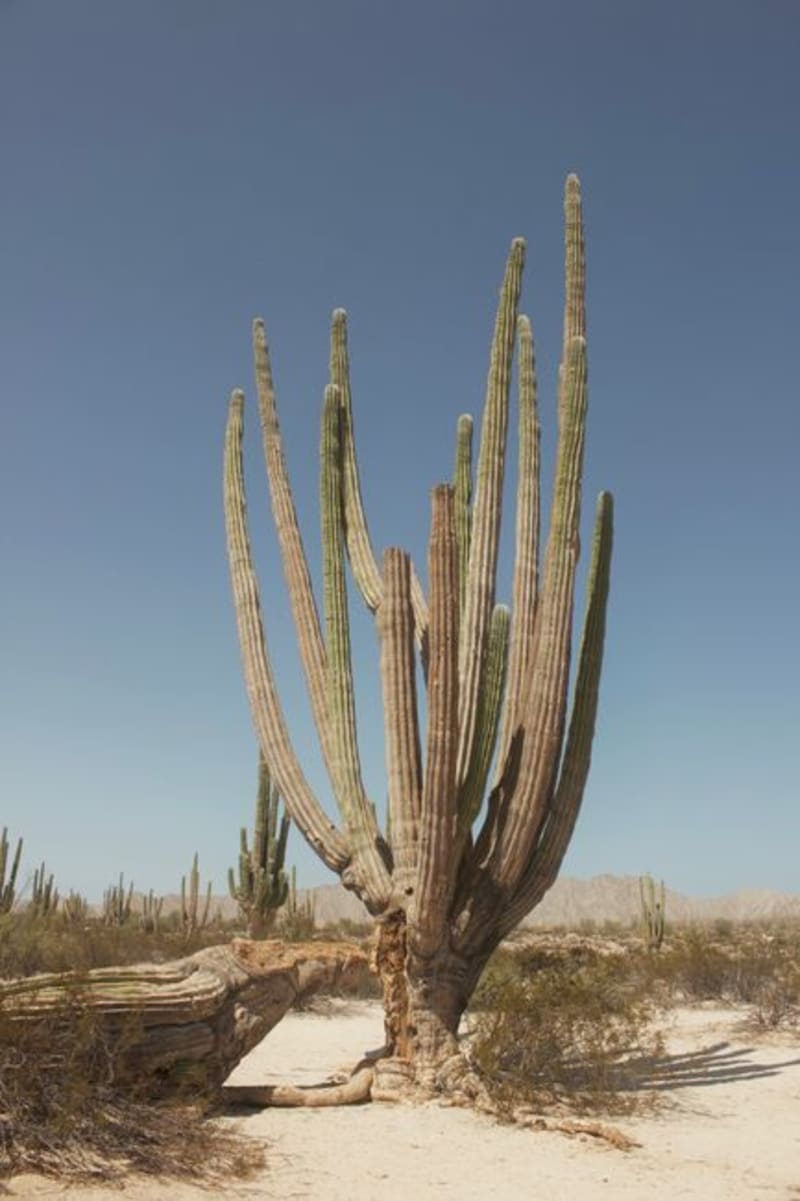 mexico
 Cataviña
A remote crossroads in the Valle de los Cirios, where boojum trees rise from ancient granite boulders like organisms from a different evolutionary timeline and prehistoric cave paintings survive on the canyon walls. It sits roughly halfway down the Baja peninsula, far enough from both coasts that most people who pass through do so by accident — which is, oddly, the best way to arrive.
Explore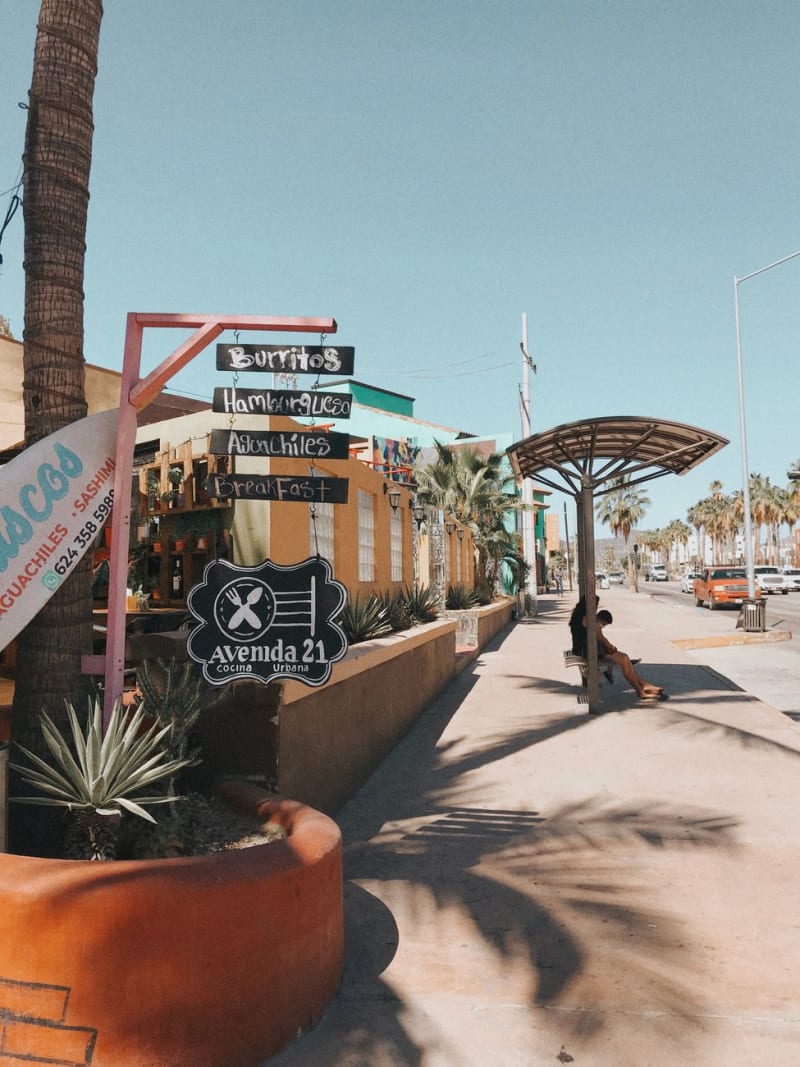 mexico
 San Felipe
San Felipe is a fishing village on the Sea of Cortez where the shrimp comes off the boats each morning and ends up on tostadas at the malecón market by noon, crisp and lime-soaked and served with a habanero salsa that arrives without negotiation. The town draws families from Mexicali for weekends, has a strange tidal range of seven to nine meters that exposes an enormous intertidal flat at low tide, and sits at the northern edge of one of the most ecologically significant marine reserves in the world. I arrived expecting a resort. I found a working fish market and a seafront of pickup trucks.
Explore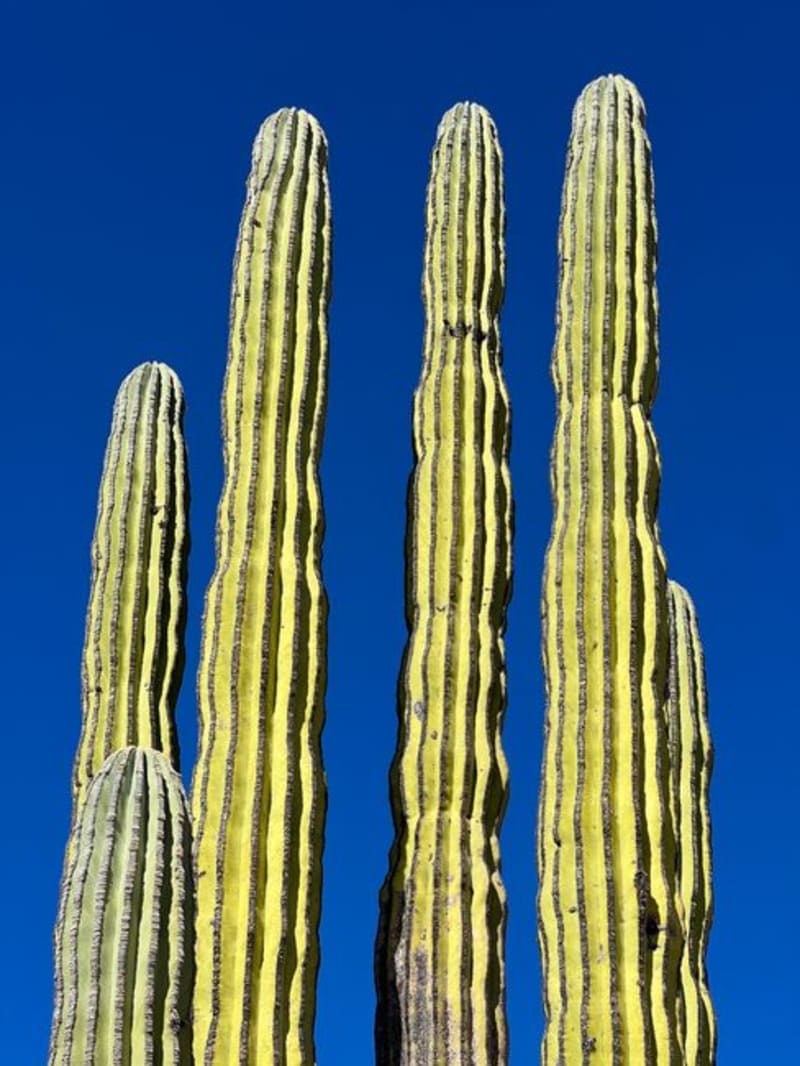 mexico
 Valle de los Cirios
Stretching across the central spine of Baja California, the Valle de los Cirios is a UNESCO-protected biosphere reserve built around the boojum tree — a spiraling succulent column that looks like something a child invented and a desert made real. Driving the Transpeninsular Highway through it at dawn is one of the genuinely unrepeatable experiences of western Mexico.
Explore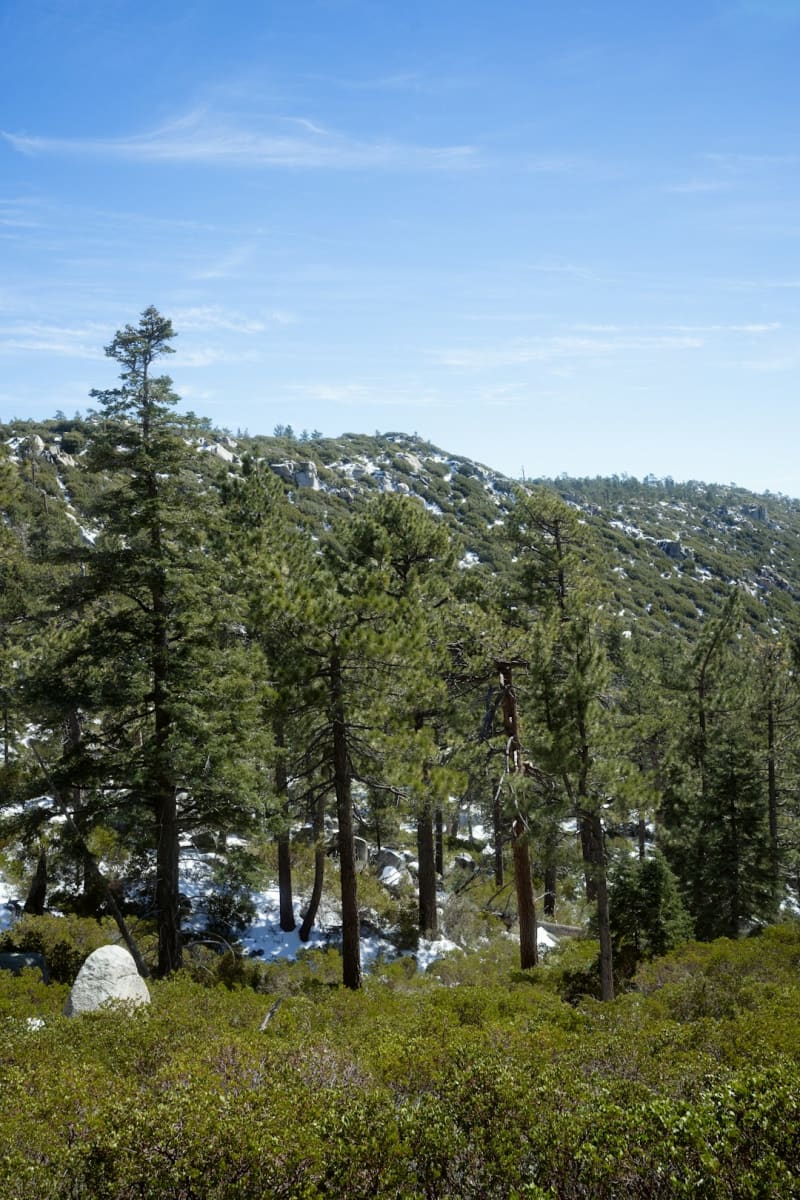 mexico
 Sierra de San Pedro Mártir
A high sierra rising to nearly 3,000 meters in the middle of the Baja peninsula, where pine forests replace desert scrub, California condors ride the thermals, and Mexico's national astronomical observatory keeps watch above the clouds. Almost nobody stops here.
Explore