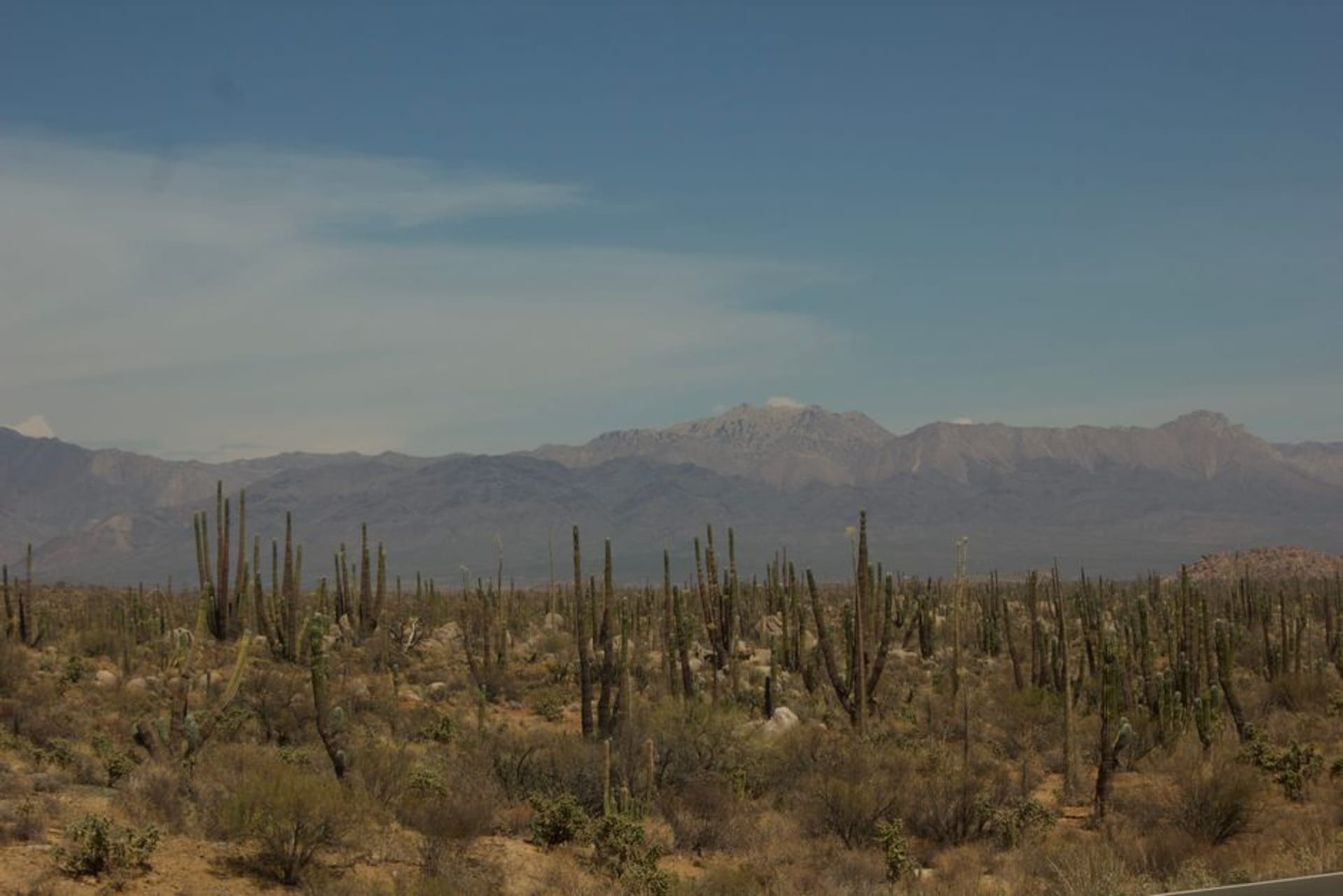
Catavina Boulder Field
"Boulders the size of houses, cactus that looks like it was invented by a committee, and not a soul for miles."
In the Valle de los Cirios, Catavina piles house-sized granite boulders into improbable stacks while the endemic cirio cactus fills every gap between them. It is one of the stranger landscapes I have camped in — disorienting in the best possible way, especially under a winter sky with zero light pollution.

I pulled off the Transpeninsular somewhere around kilometer 280, turned off the engine, and just sat there for a minute. The Valle de los Cirios already had me unsettled — that landscape of pale dirt and alien vegetation stretching toward the Sierra San Pedro Mártir — but Catavina was something else. The boulders come into view gradually, then all at once: enormous granite masses balanced on each other with the casual indifference of something that has been there for sixty million years. My first thought, genuinely, was that someone had placed them there as a joke.
A Landscape That Shouldn’t Exist
The geological explanation is straightforward enough — plutonic rock pushed up, then differential erosion stripped away the surrounding material, leaving behind the harder cores in those improbable stacks. Knowing this does not make standing among them any less strange. Some of the boulders are three or four stories tall, balanced on contact surfaces you could step over. The cirio cactus — Fouquieria columnaris, if you want the name — grows in every available gap, its slim tapered trunk flaring to a soft tuft at the top. From a distance, a hillside of them looks like an army of upside-down carrots. Up close, they are spiny and a little melancholy, like they were designed for a planet with slightly different physics. The combination of massive geological weight and these spindly, improbable plants creates a tension the photographs never quite capture.
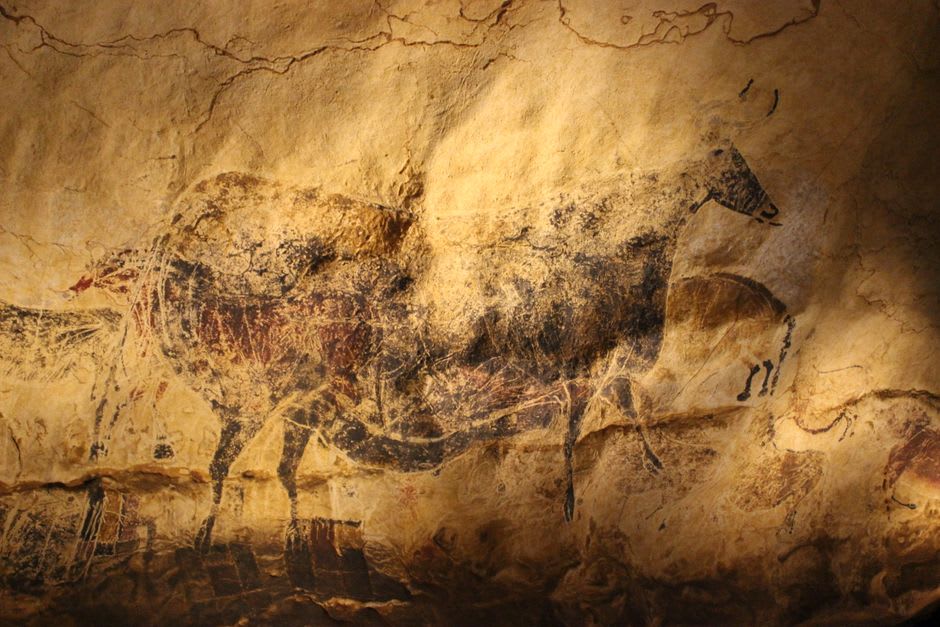
Camping Under Genuine Darkness
I stayed two nights, which is the right number. The first night I was too busy being disoriented to sleep well. The second I had calibrated to the silence — no traffic, no village lights, nothing from horizon to horizon but stars and the silhouettes of those stacked boulders. Baja California at this latitude sits outside most light pollution maps in a meaningful way. I set up my tent in the lee of a boulder the size of a small house, which kept the wind off and gave me the pleasing illusion of shelter from something, though I could not have said what. In the morning the light hit the granite at low angles and turned it amber, then pink, then ordinary grey. It was worth waking up early for.

The Practical Layer
The small settlement of Catavina — a handful of buildings, one restaurant attached to the Hotel La Pinta — is the only services stop for a long stretch of the Transpeninsular. The restaurant does simple food: soups, rice, grilled meat. Nothing remarkable, but after two days of camp cooking I ate there with genuine gratitude. There is no formal campground; people park and set up near the boulders. Bring everything you need, including more water than you think.

Getting There
Catavina sits on Mexico 1 (the Transpeninsular Highway) roughly halfway down the Baja peninsula, about 170 km south of El Rosario. From Ensenada it is a four-to-five hour drive south. There is no public transport; a vehicle — ideally one with decent clearance — is the only realistic option. Fuel up in El Rosario before heading south.
Keep exploring
More of Baja California
Keep exploring
More from Baja California
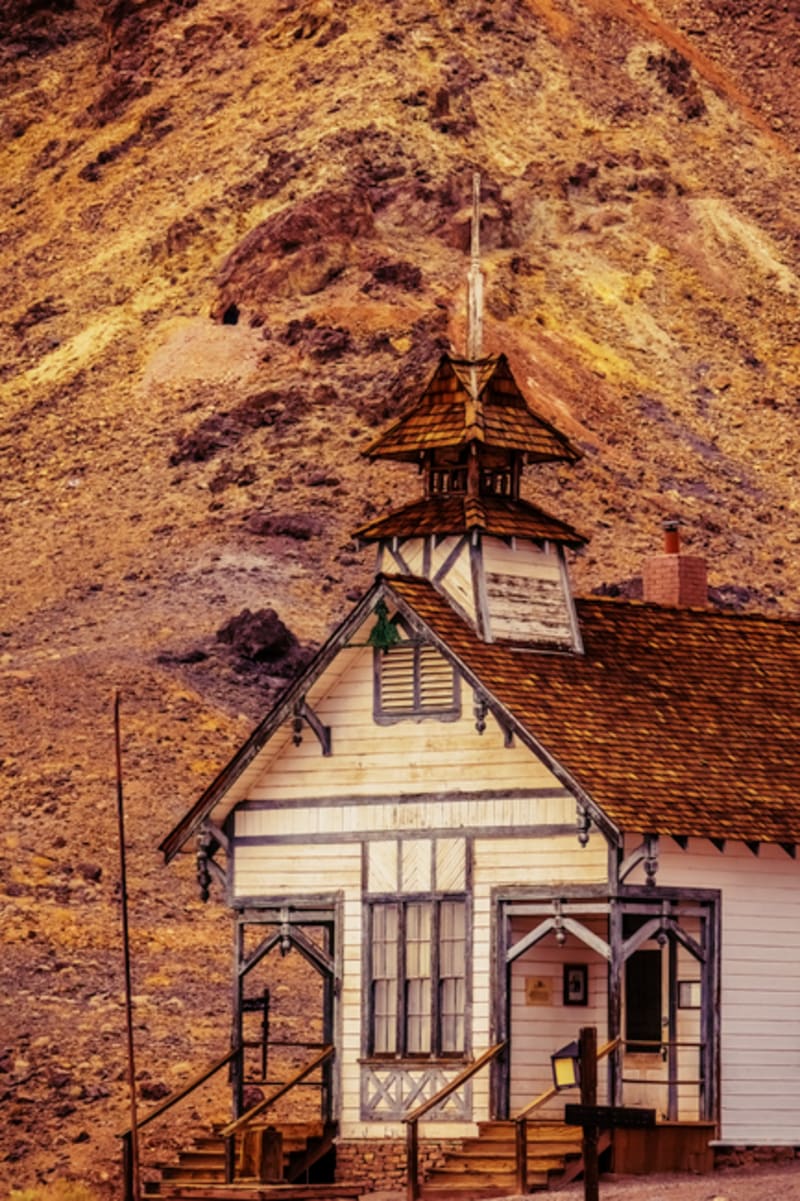 mexico
 El Arco
El Arco is a ghost town at the geographic center of the Baja peninsula, a gold-rush settlement the desert swallowed whole and never gave back. Stone walls, empty doorframes, a silence so complete it rings in your ears.
Explore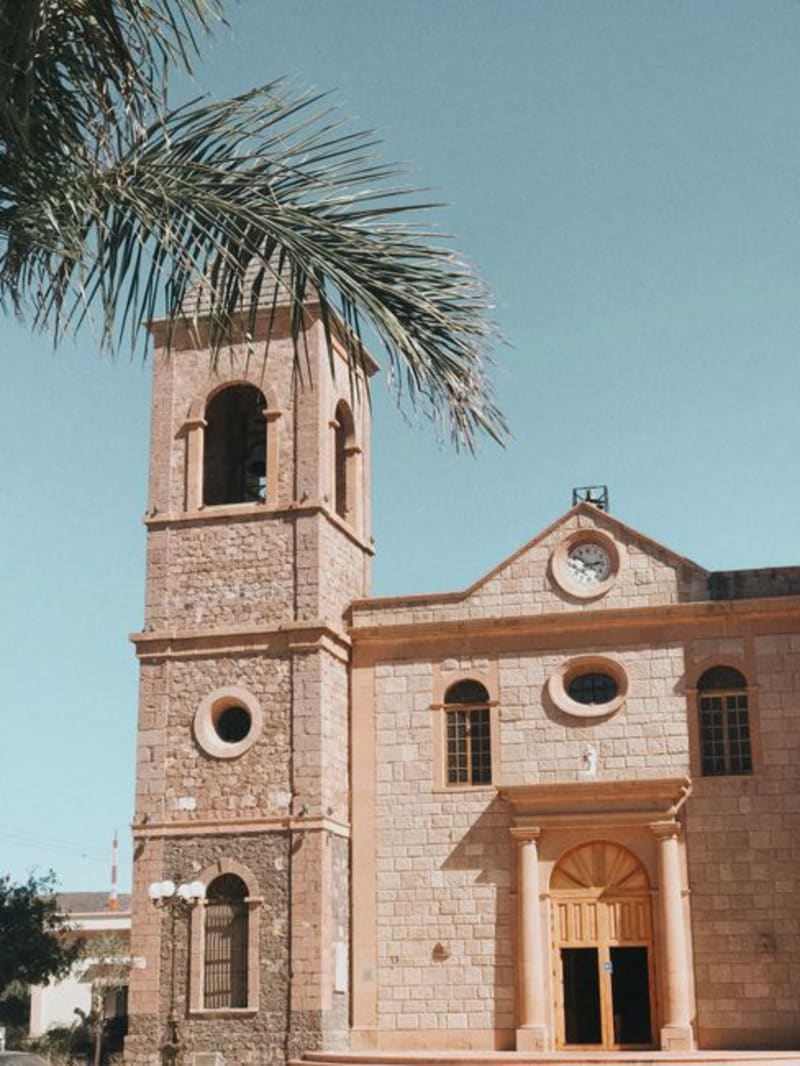 mexico
 El Rosario
El Rosario sits at the point where Baja California stops pretending to be convenient. The Transpeninsular Highway narrows, the cardon forests thicken, and the peninsula's wilder, more indifferent self takes over — and Mama Espinoza's lobster burrito has been fueling that transition for decades.
Explore mexico
 Ensenada
Ensenada is a Pacific port city ninety minutes south of Tijuana where the morning fog sits low over the harbor until ten, the fish market opens before dawn, and the road east leads into wine country that no one outside of Mexico seems to know exists. I went for the Valle de Guadalupe and ended up staying for the tostadas de mariscos eaten standing up at eight in the morning, watching pelicans work the water.
Explore mexico
 La Bufadora
A marine blowhole twenty kilometres south of Ensenada that erupts every few minutes with a force you feel in your sternum — surrounded, unexpectedly, by some of the better street food on the Baja peninsula.
Explore mexico
 La Rumorosa
A mountain pass in the Sierra Juárez where geology has arranged granite boulders the size of apartment buildings into formations that look staged. At 1,200 metres the wind never stops and most of the million people who drive through each year don't get out of their cars.
Explore mexico
 Laguna Hanson
Laguna Hanson is a high-altitude lake in the Sierra Juárez mountains of northern Baja California, reached by a rough road that climbs from coastal desert into pine-oak forest at 1,800 meters — a complete ecosystem change in under an hour of driving. The lake sits among granite boulders and Jeffrey pine, shallow and seasonal, and the night sky above it is the darkest I've encountered in Baja. I drove up from Ensenada, camped alone, and woke to cold mist on the water.
Explore