Europe
Puglia
"Puglia is what Italy looks like before tourism decided what Italy should look like."
The heel of the boot — trulli villages, ancient olive groves, and a sea so clear you wonder if someone replaced the water overnight.

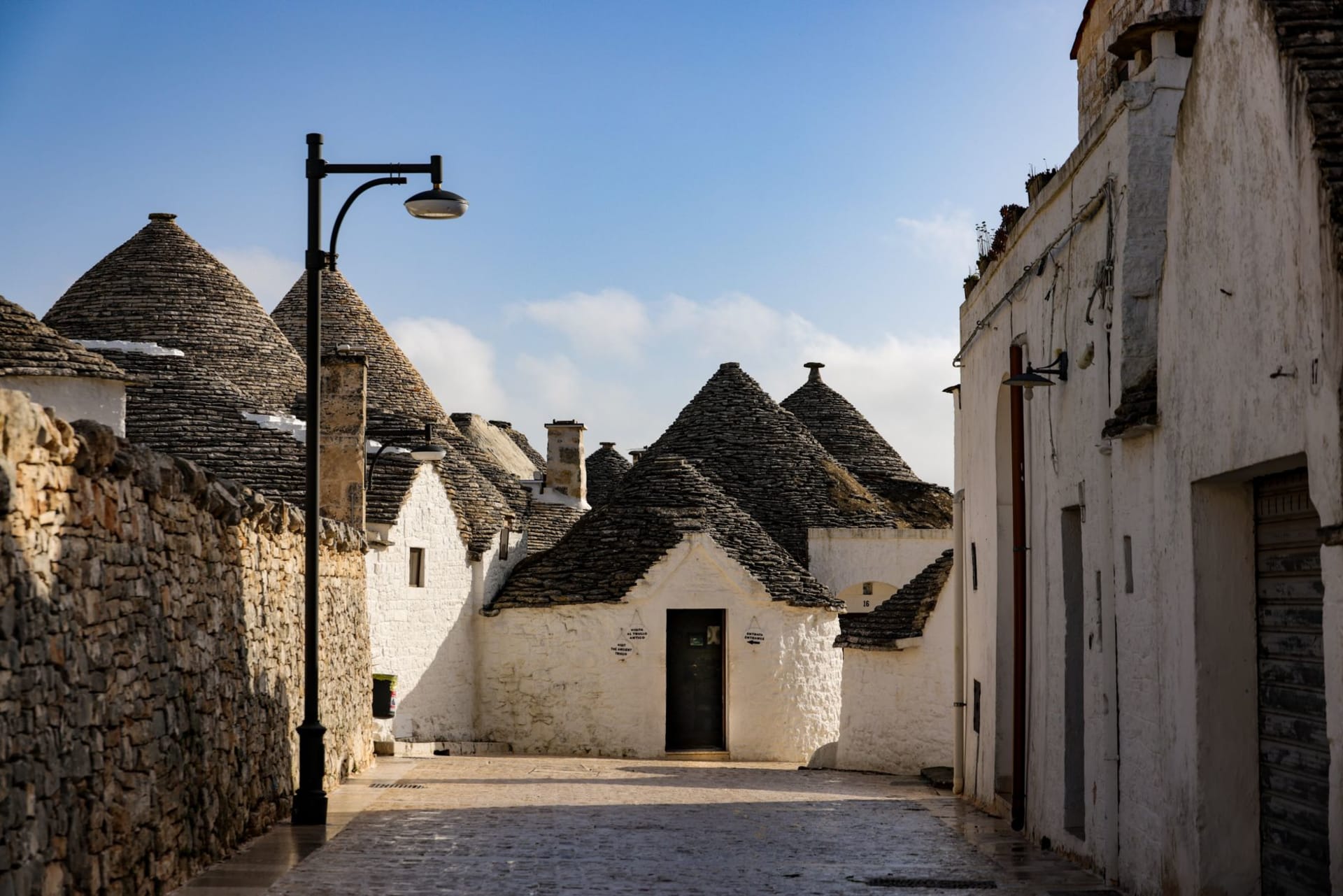
I arrived in Alberobello at midday in late September, stepped out of a sun-baked rental car, and stood there for a moment not entirely sure I was still in Europe. The trulli — those round whitewashed houses with their stacked limestone cones — do not look like architecture so much as something that grew out of the ground. Hundreds of them climbing a hillside, each roof painted with a mysterious symbol, each interior cool and domed and smelling of old stone. I had seen the photos. The photos do not prepare you.
Puglia is the furthest south you can go in Italy before the country runs out of land, and it carries the density and stubbornness of a place that knows it is often overlooked. The Salento peninsula alone could hold two weeks: Lecce’s Baroque facades so exuberantly carved they look like cake decoration; Gallipoli’s old town on a small island connected to the mainland by a single bridge; Otranto with its cathedral mosaic covering the entire floor — a twelfth-century cosmology in stone, the whole world laid out under your feet. The Adriatic on one side, a deeper blue and calmer than I expected. The Ionian on the other, turquoise and shallow and absurdly warm. You can swim in October without an argument.
The food here does not apologize for its simplicity. Orecchiette con cime di rapa — pasta with bitter turnip greens and anchovy — is the kind of dish that makes you question every complicated meal you have ever eaten. The burrata comes from the area around Andria and is nothing like what they sell in Paris under the same name. Primitivo wine from the Manduria area is dark and dense and pairs with everything. I ate at a masseria outside Ostuni — one of those converted farmhouses surrounded by ancient olive trees — and the meal lasted four hours not because the service was slow but because nobody at the table wanted it to end.
When to go: Late May through June, or September through mid-October. July and August bring heat and crowds and elevated prices, particularly around the coast. September is ideal — the sea is still warm, the harvests begin, and the towns return to the pace they prefer.
What most guides get wrong: They route visitors through Alberobello and Polignano a Mare and call that Puglia. The interior — the Valle d’Itria, the Murge plateau, the whitewashed hill towns of Locorotondo and Cisternino — is quieter, cheaper, and in many ways more characteristic of what this region actually is. Go to Matera too, just over the border in Basilicata. It shares Puglia’s light and temperament, and it will rearrange something in you.
Explore
Places in Puglia
 puglia
 Acquaviva delle Fonti
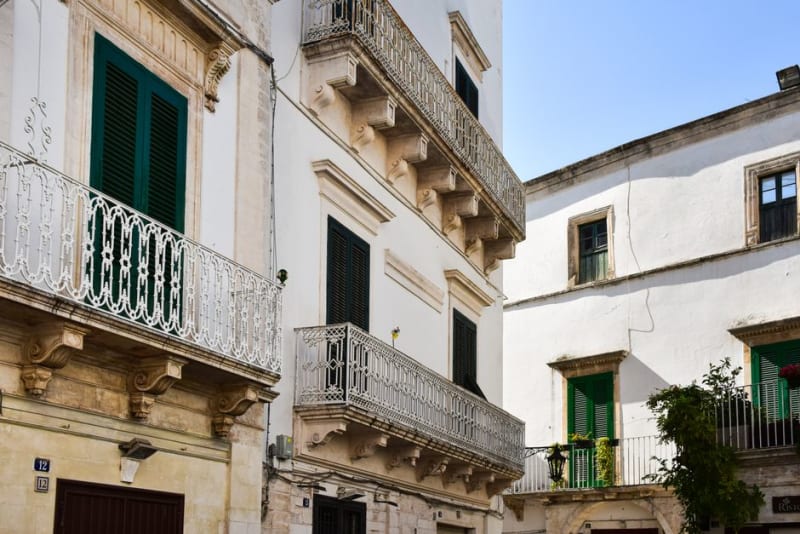
A countryside town in the Terra di Bari known for its cured meats and its Wednesday livestock market, ringed by farmland and the masserie that supply the region's butchers.
Explore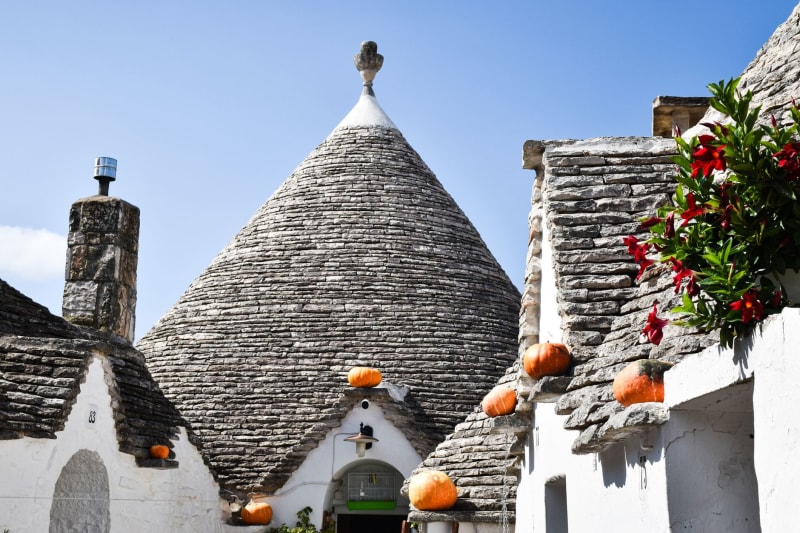 puglia
 Alberobello
The only town in Europe where the houses look like something a child drew from memory — and somehow it works completely.
Explore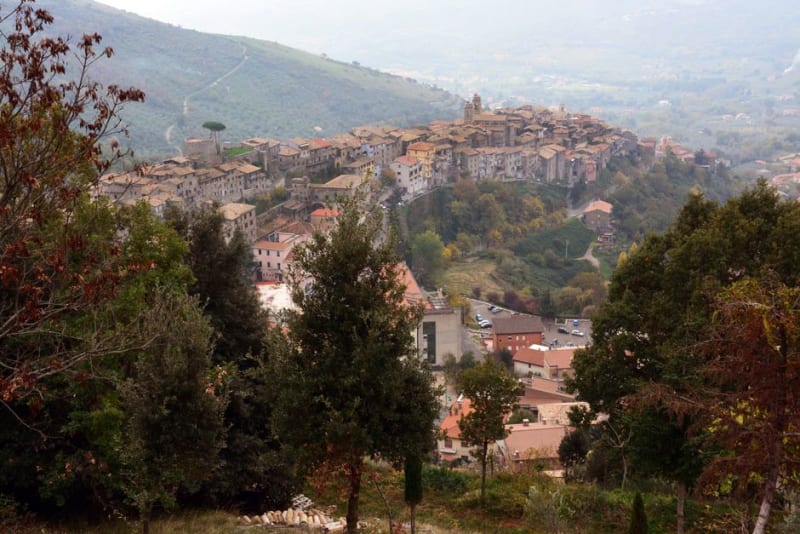 puglia
 Altamura
Home of the DOP bread so good it has its own protected designation, a Norman-Swabian cathedral, and a 250,000-year-old Neanderthal skeleton found in a cave nearby.
Explore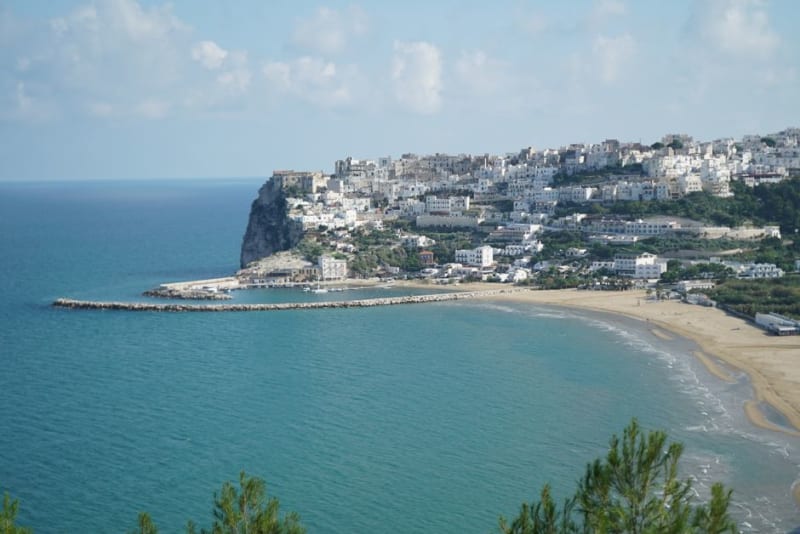 puglia
 Andria
The city that gave the world burrata, still made a few kilometres away in Murgia dairies, and the gateway to the octagonal fortress of Castel del Monte.
Explore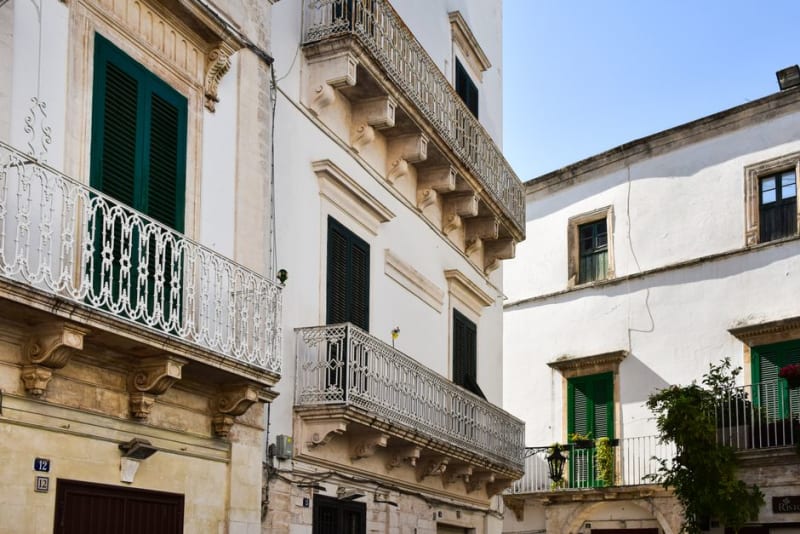 puglia
 Ascoli Satriano
A quiet Daunian hill town that turned out to be sitting on top of one of the richest archaeological finds in southern Italy — a pair of Greek marble griffins looted, recovered, and now on proud display.
Explore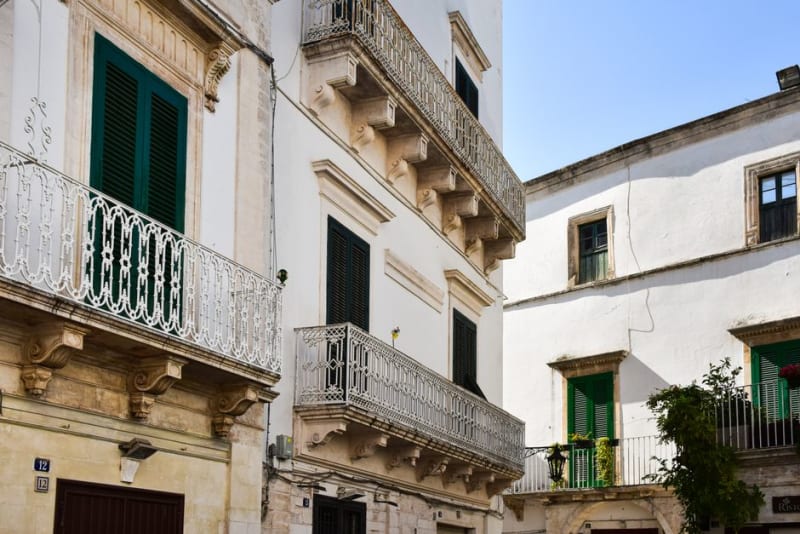 puglia
 Avetrana
A small agricultural town between Taranto and the Ionian coast, ringed by vineyards and almond groves, where nothing much happens and that turns out to be the appeal.
Explore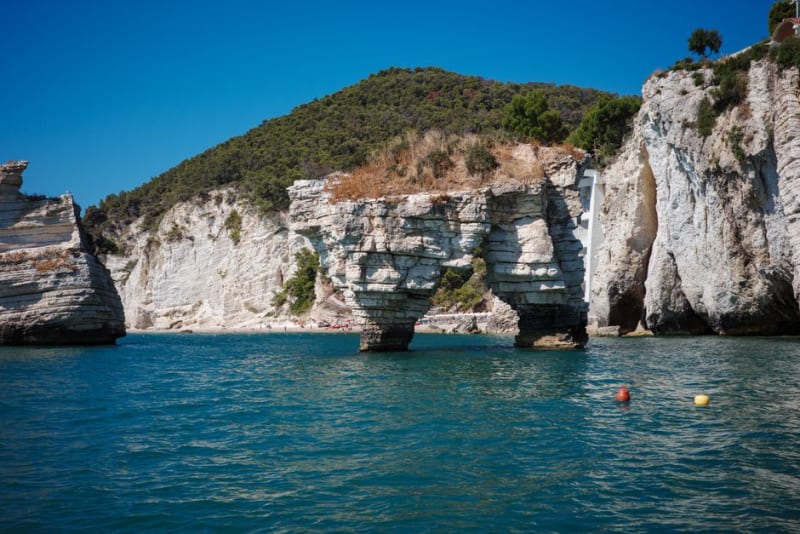 puglia
 Baia delle Zagare
One of the Gargano's signature coves, a crescent of pale sand split by two sea stacks and reached only by a long staircase cut into the cliff.
Explore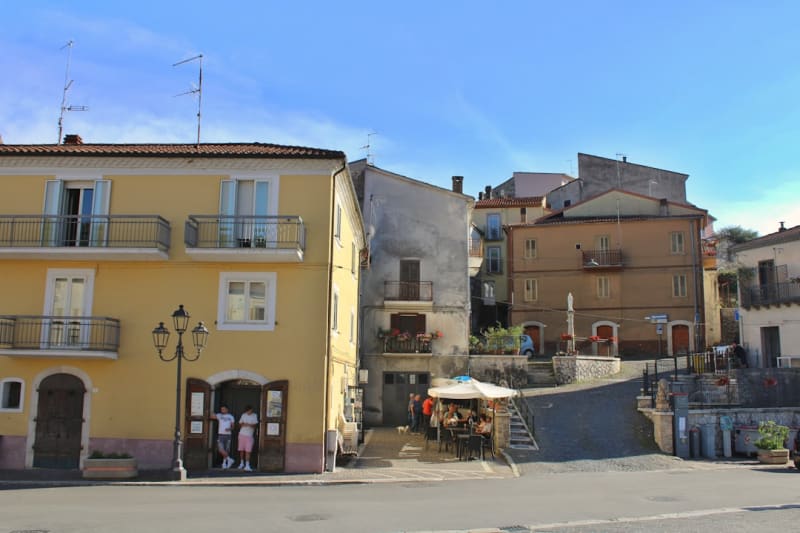 puglia
 Bari Vecchia
The tangled old town of Bari, where nonnas dry orecchiette on tables in the street and every alley seems designed to make you lose your phone signal and your sense of direction at once.
Explore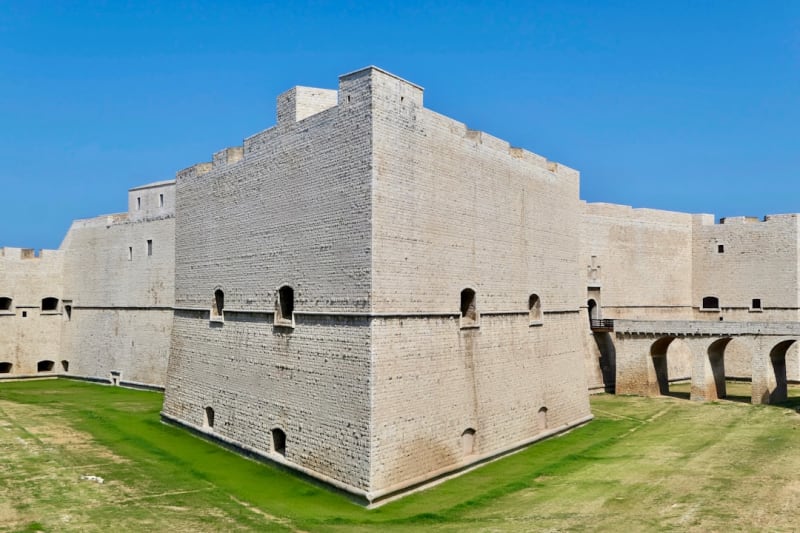 puglia
 Barletta
A northern Adriatic port guarding a five-metre bronze colossus of a Roman emperor, a castle rebuilt by Frederick II, and the site of a medieval duel still celebrated as a matter of national honour.
Explore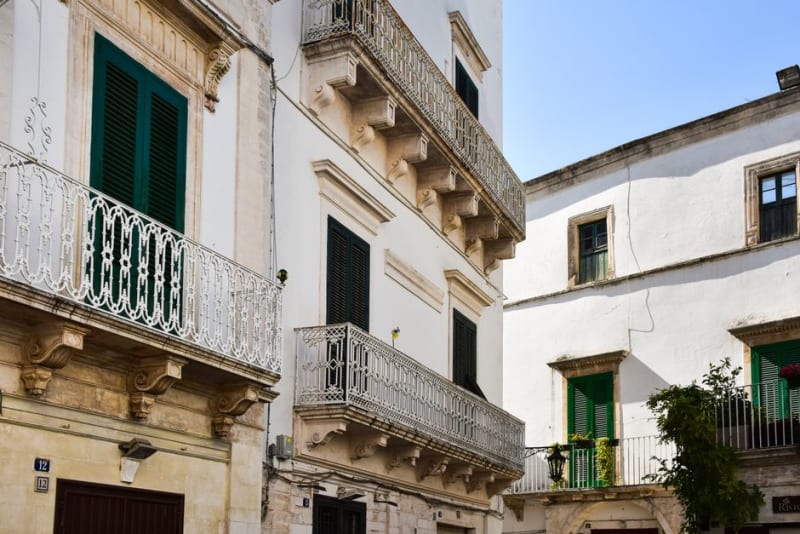 puglia
 Bisceglie
A fishing port on the Adriatic known for a fierce fish market, an old harbour ringed by trabucchi-style structures, and almonds turned into the region's best confetti.
Explore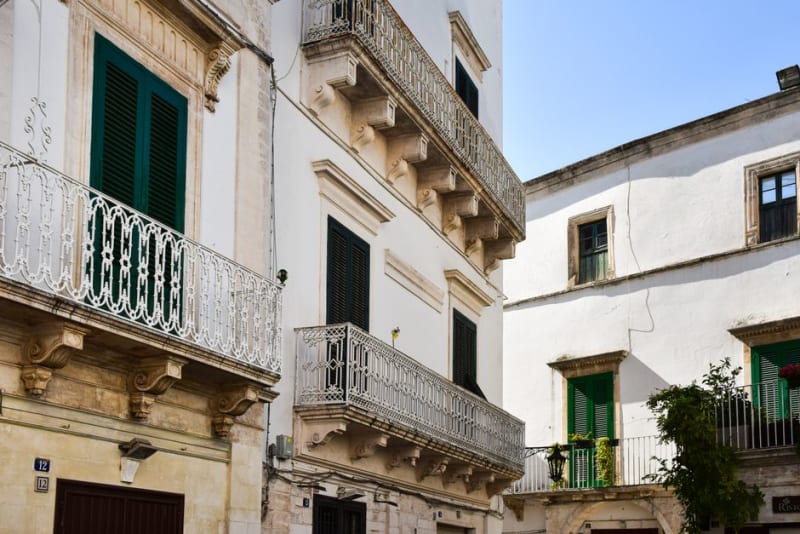 puglia
 Bitonto
The 'city of olives,' where a Romanesque cathedral almost identical to Bari's stands with none of the crowds, surrounded by some of the densest olive groves in Italy.
Explore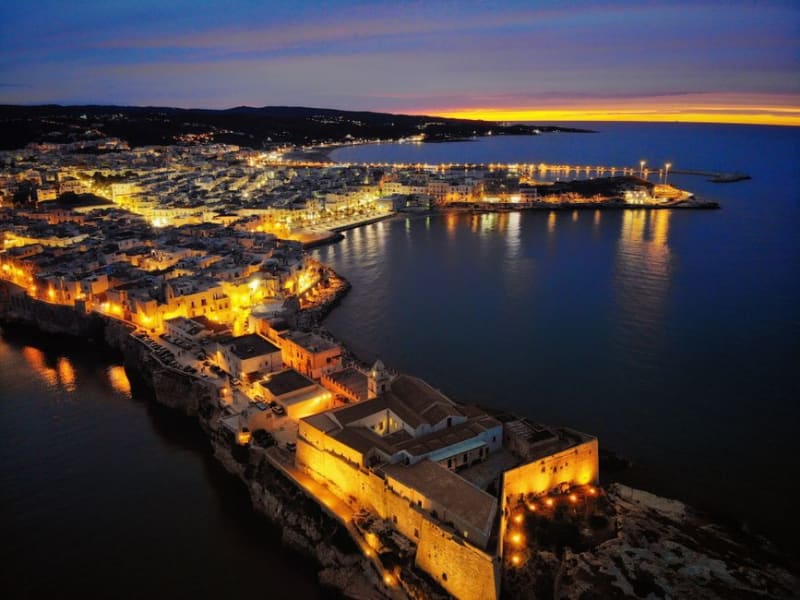 puglia
 Bovino
A medieval hill town clinging to the Apennine foothills at the edge of the Tavoliere, its Norman-Swabian castle and truffle-scented woods a world away from the flat wheat country below.
Explore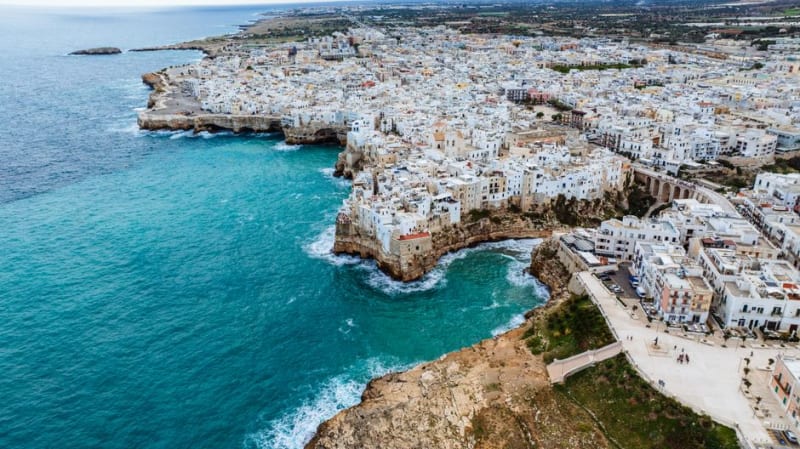 puglia
 Campomarino
A low-rise Ionian beach town near Maruggio built almost entirely around summer, with pine-backed sand and a laid-back crowd that skews heavily local.
Explore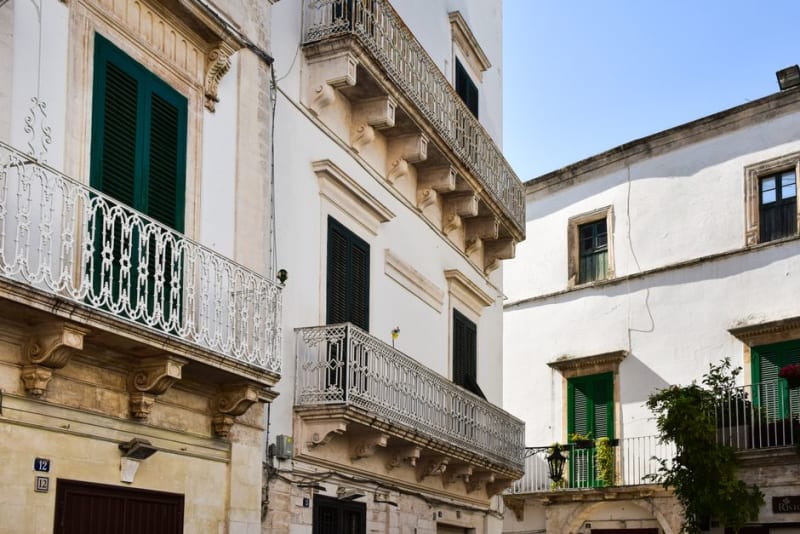 puglia
 Casamassima
A small town outside Bari painted almost entirely blue — the Borgo Blu — for reasons nobody can fully agree on, and one of the strangest, most photogenic surprises in the region.
Explore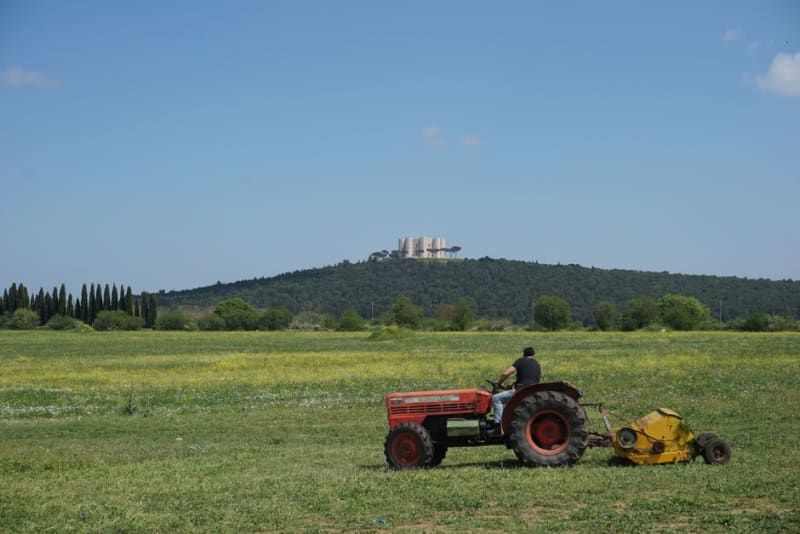 puglia
 Castel del Monte
Frederick II's octagonal riddle of a castle, alone on a hilltop in the Murge with no moat, no defensive purpose anyone can quite agree on, and a geometry that still unsettles mathematicians.
Explore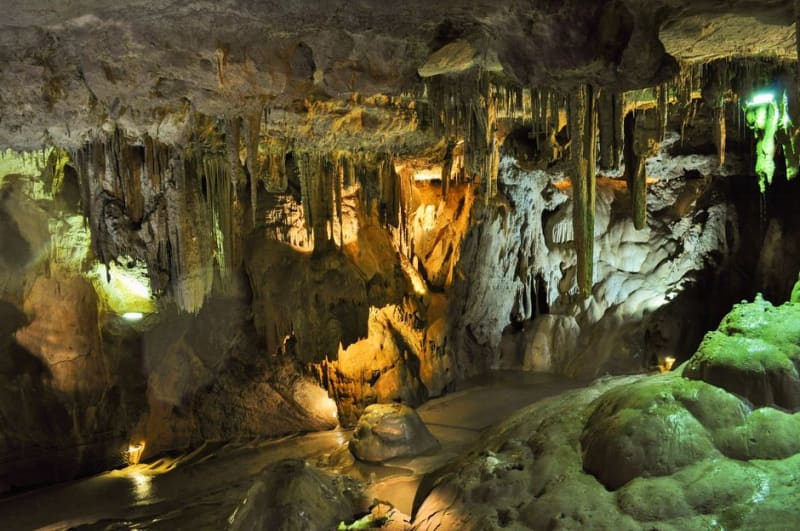 puglia
 Grotte di Castellana
Italy's largest show cave system, ninety metres underground, where a passage called the Grave opens into a cavern big enough to make you whisper without meaning to.
ExploreAll areas in Puglia
- Castro Marina
- Ceglie Messapica
- Cerignola
- Cisternino
- Conversano
- Copertino
- Corato
- Fasano
- Foggia
- Foresta Umbra
- Francavilla Fontana
- Gallipoli
- Gargano
- Ginosa
- Gioia del Colle
- Gravina in Puglia
- Grottaglie
- Grotte di Castellana
- Isole Tremiti
- Lago di Varano
- Lecce
- Lizzano
- Locorotondo
- Lucera
- Manduria
- Manfredonia
- Marina di Ostuni
- Martina Franca
- Maruggio
- Massafra
- Mattinata
- Melendugno
- Mesagne
- Molfetta
- Monopoli
- Monte Sant'Angelo
- Mottola
- Nardò
- Noci
- Noicàttaro
- Orsara di Puglia
- Ostuni
- Otranto
- Peschici
- Pescoluse
- Polignano a Mare
- Porto Cesareo
- Presicce
- Punta Prosciutto
- Putignano
- Rodi Garganico
- Rutigliano
- Ruvo di Puglia
- Salve
- Sammichele di Bari
- San Foca
- San Giovanni Rotondo
- San Marzano di San Giuseppe
- San Severo
- San Vito dei Normanni
- Sannicandro di Bari
- Santa Cesarea Terme
- Santa Maria al Bagno
- Santa Maria di Leuca
- Santeramo in Colle
- Saturo
- Savelletri
- Specchia
- Taranto
- Torre dell'Orso
- Torre Guaceto
- Torre San Giovanni
- Torremaggiore
- Trani
- Troia
- Turi
- Ugento
- Vieste