Maruggio
"Maruggio taught me that the best beach town in Puglia might not have a beach in its own name at all."
An inland Ionian town whose seaside frazione, San Pietro in Bevagna, holds a working tonnara history and some of the least crowded beaches on this coast.

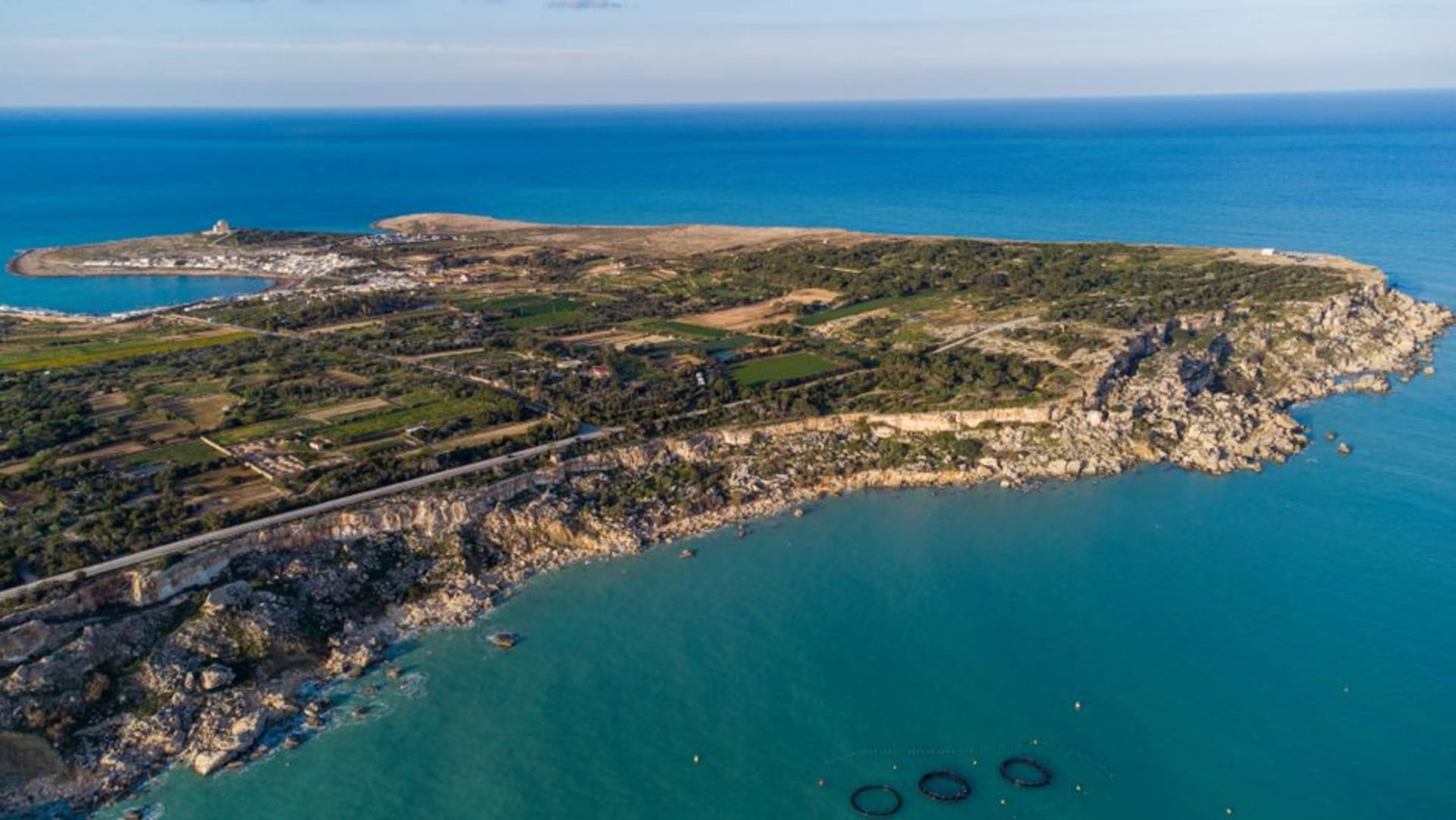
Maruggio itself sits a few kilometers inland, a modest whitewashed town with a Sunday market and a slower rhythm than anywhere on the coast, and I nearly skipped it entirely on the assumption there was nothing to see beyond the drive-through. I was wrong in the specific way that keeps happening to me in Puglia — the town’s real draw isn’t the center at all, but its coastal frazione, San Pietro in Bevagna, a small fishing hamlet a short drive away that holds one of the more interesting fragments of Ionian coastal history I found on this whole stretch.
San Pietro in Bevagna has the remains of an old tonnara — a tuna fishing operation, with stone structures along the shore once used for processing the catch when bluefin tuna still migrated through these waters in numbers worth building an industry around. The practice has faded along with the tuna stocks, but the low stone buildings remain, weathered and half-reclaimed by salt grass, standing right beside a modern little harbor where a handful of fishermen still keep their boats. I walked the shoreline path at sunset with an old fisherman named Vito who remembered, as a boy, watching his grandfather’s crew haul in tuna that weighed more than he did.

The beaches here run long and mostly undeveloped, backed by low dunes and pine windbreaks rather than resort infrastructure, and I found stretches in early July where I could walk twenty minutes without passing another person. The water carries the same pale turquoise quality that defines this whole section of Ionian coast, shallow enough to wade out a considerable distance before it deepens, warm enough by June that swimming feels less like a plunge and more like stepping into a bath that happens to be the sea.

Dinner in Maruggio proper, back in the inland town, was at a family-run place on a side street where the menu changed daily based on what had come off the boats that morning, and where the owner sat with us for twenty minutes after the meal explaining, unprompted and with real conviction, why the local orata was superior to anything served in Gallipoli. I have no way to verify this claim. I believed him anyway.
When to go: June and September are ideal for the beaches, warm enough to swim without the August density. The tonnara ruins and the coastal path are pleasant to walk in any season, and the town’s Sunday market is worth timing a visit around if you want a feel for local life beyond the coast.
Keep exploring
More from Puglia
 puglia
 Massafra
A town split by a ravine full of cave churches and rock-cut hermitages, where the Gravina della Madonna della Scala drops straight through the middle of ordinary daily life.
Explore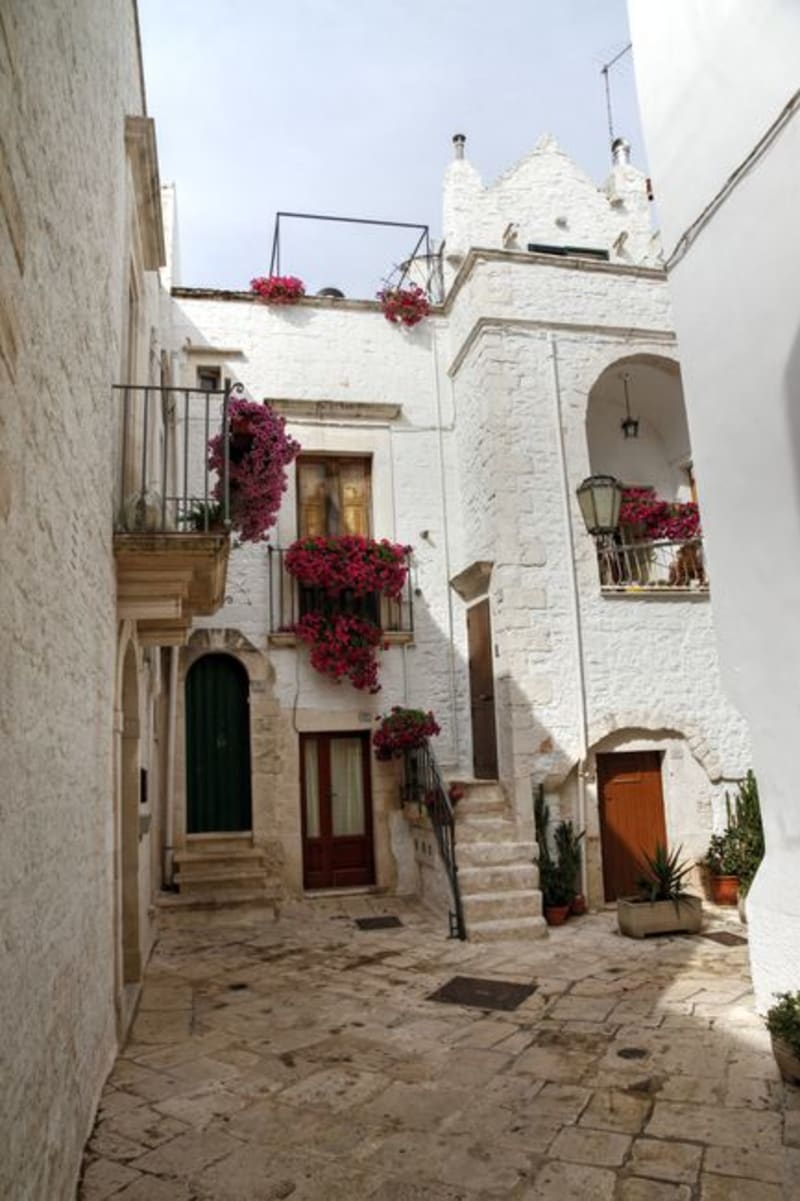 puglia
 Mattinata
A whitewashed farming town below the Gargano's highest cliffs, gateway to the Baia delle Zagare and some of the peninsula's least crowded coastline.
Explore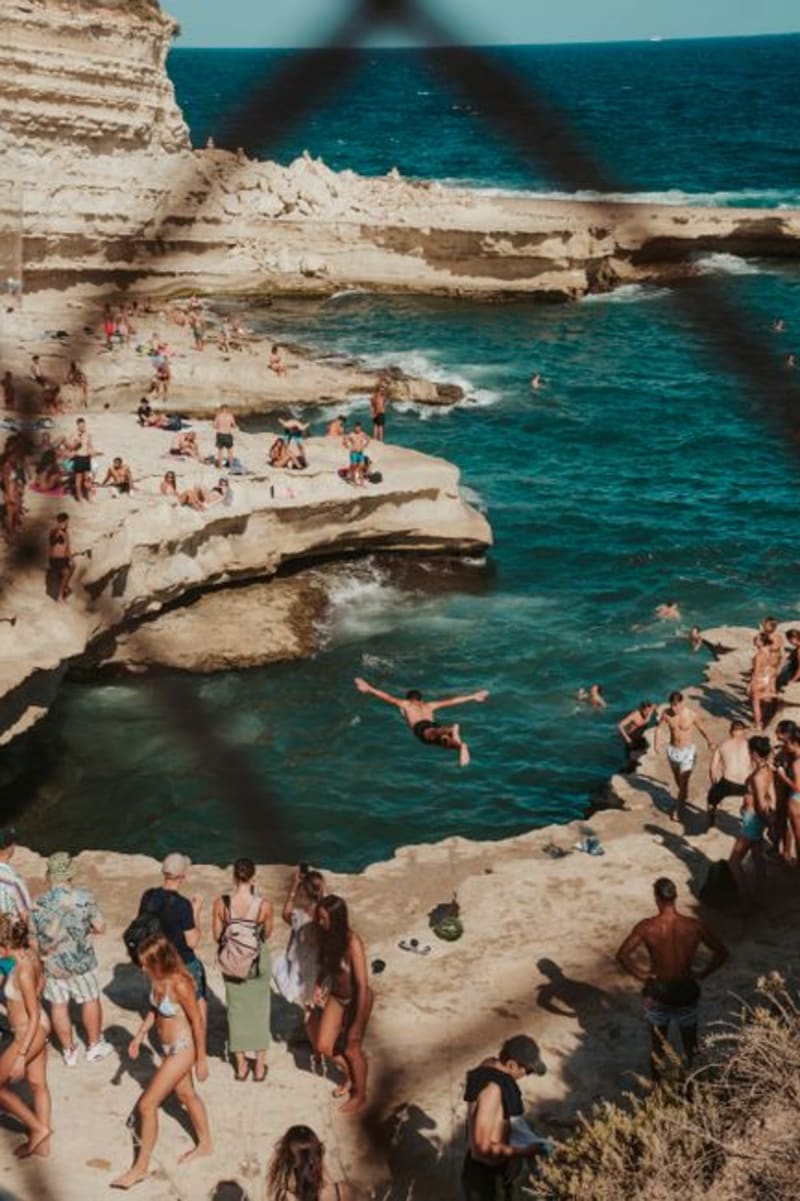 puglia
 Melendugno
An inland Salento town whose coastal frazioni — San Foca and Torre Sant'Andrea — deliver rugged limestone coves without the density of the bigger resort towns.
Explore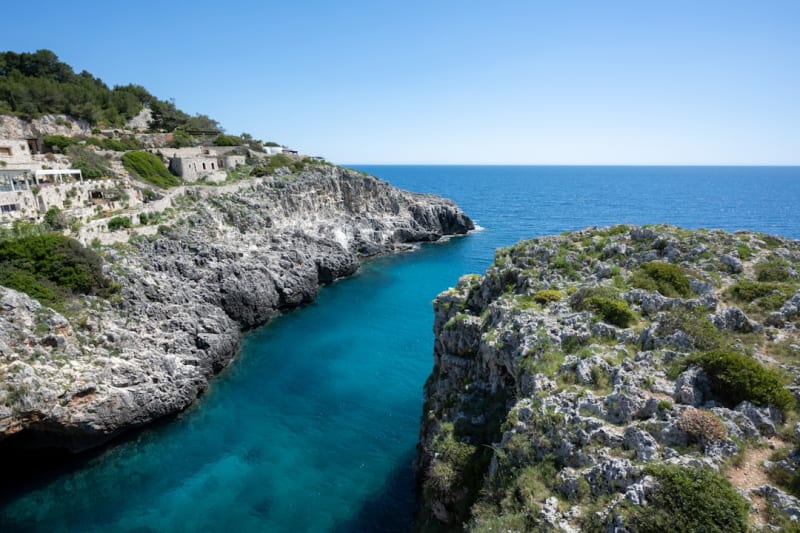 puglia
 Mesagne
A castle town on the Salento wine road where Negroamaro and Malvasia flow from cantine older than anyone in town can date with certainty.
Explore puglia
 Molfetta
A working fishing port north of Bari with a Romanesque cathedral rising straight out of the harbour and a fleet that still puts out to sea before dawn.
Explore puglia
 Monopoli
A working Adriatic port with a walled old town, hidden coves, and none of the crowds that made its neighbour Polignano a Mare famous.
Explore