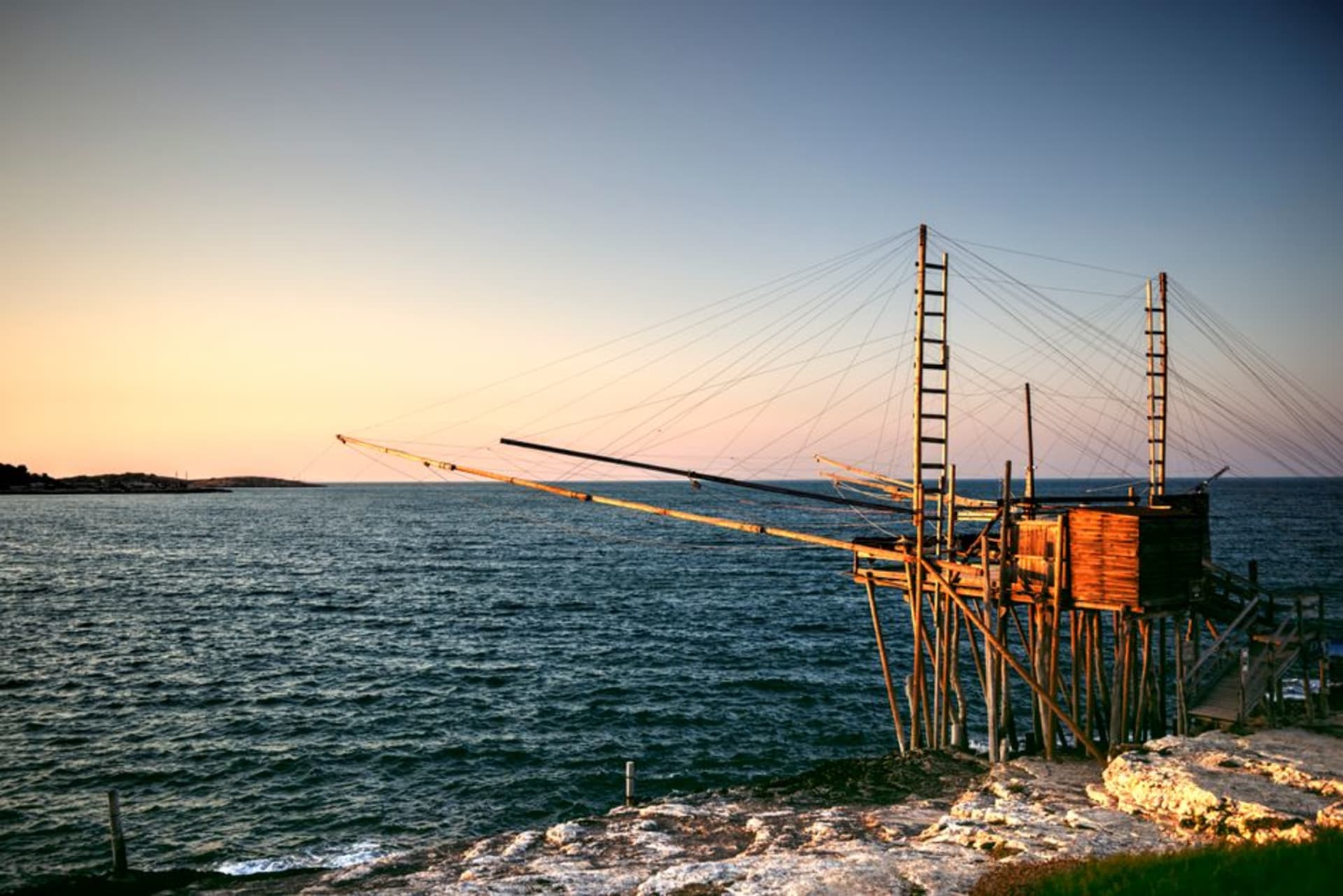
San Severo
"Nobody puts San Severo on a Puglia itinerary, which is exactly why the cantine here still pour for you like they mean it."
The unglamorous capital of Puglia's largest wine-producing zone, on the flat Tavoliere plain, where the cantine outnumber the tourists by a wide margin.

San Severo does not look like wine country in the way Tuscany looks like wine country. There are no hills arranged for a postcard, no cypress-lined driveways. The Tavoliere plain around the town is flat almost to the point of monotony, a checkerboard of vineyards running to a horizon interrupted only by the odd farmhouse and the low blue outline of the Gargano promontory in the distance. I drove through it on the way north to the Gargano coast and nearly kept going — there is nothing in the approach to San Severo that announces itself as a destination. That was the mistake, and I only caught it because a friend in Bari insisted I stop.
San Severo DOC is Puglia’s largest wine appellation by volume, and has been producing wine since Roman times, though the modern cooperative structure that dominates it now took shape in the twentieth century. The white wines, made mostly from Bombino Bianco, are crisp and unpretentious — built for drinking with lunch rather than for cellaring — and the reds lean on Montepulciano and Sangiovese, softer than the Primitivo further south. I stopped at a cantina on the edge of town with a tasting room that was really just a counter in the working part of the winery, barrels stacked behind it, and the man pouring clearly did not expect me to be there on a Wednesday afternoon in October.
He talked for twenty minutes about the difference between his cooperative’s wine and the mass-market bottles sold under the same appellation name in supermarkets across Italy — a familiar complaint in a region where high-volume production has sometimes outpaced quality control, and one that the newer generation of small producers is actively working against. We tasted four wines standing at the counter, none of them expensive, all of them better than I expected from a region I had barely researched. The town itself has an unhurried, agricultural rhythm — a handsome cathedral, a scatter of Baroque palazzi from when the wine trade first made the area wealthy, and streets that empty out for the midday meal in a way that coastal Puglia, chasing tourist money, increasingly does not.
What San Severo offers that the more famous wine towns further south cannot is scale without spectacle. This is where the volume comes from, where the everyday bottle on a Puglian dinner table was likely made, and visiting it feels less like a curated wine tourism experience and more like an accidental look behind the curtain of how the region actually feeds and waters itself.
When to go: September and October coincide with the harvest and are the most interesting months to visit, when the cantine are busiest and most willing to talk. The plain gets brutally hot in July and August, with none of the coastal relief.
Keep exploring
More from Puglia
 puglia
 San Vito dei Normanni
A modest inland town near Ostuni with a Norman castle at its centre and one of Puglia's most striking megalithic dolmens hidden in the olive groves outside it.
Explore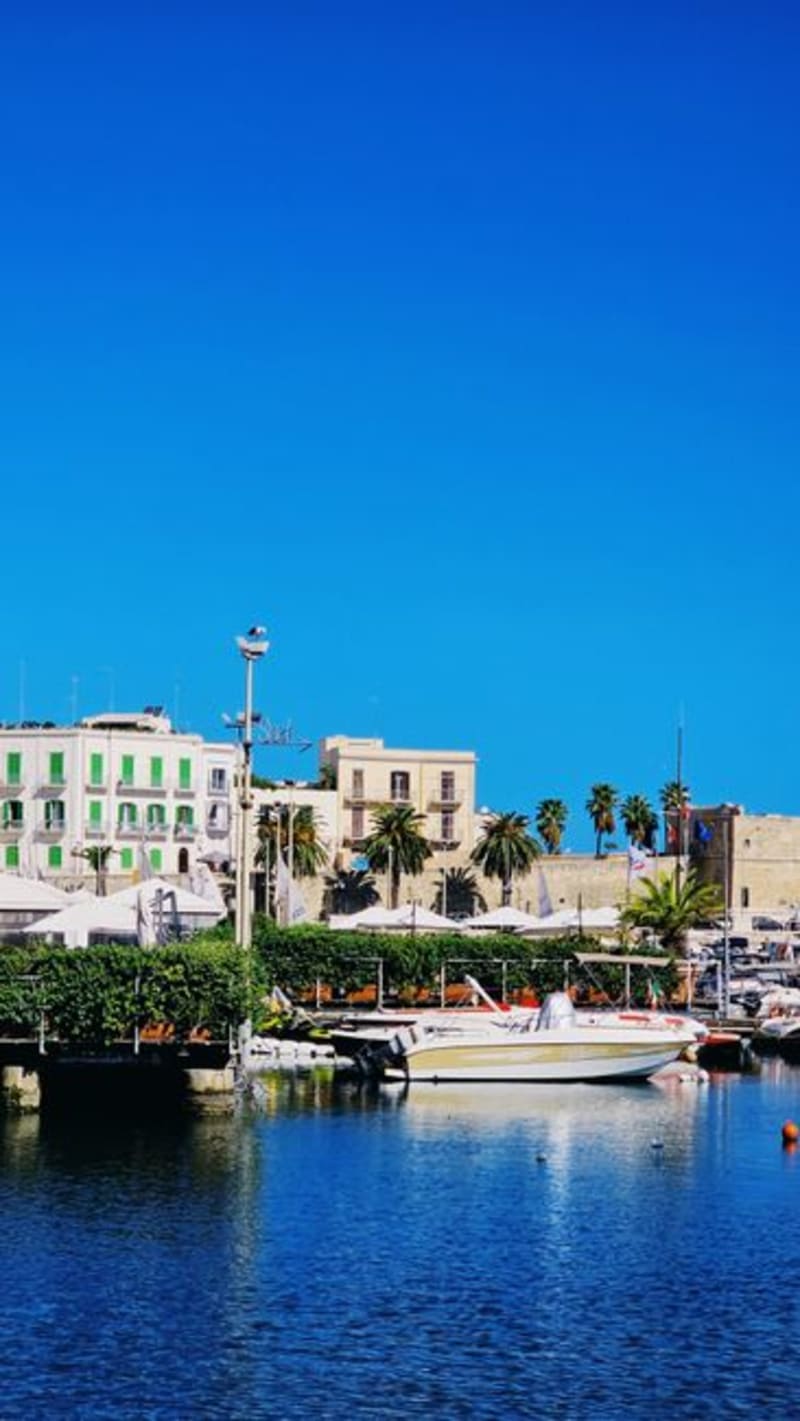 puglia
 Sannicandro di Bari
A modest countryside town in the Terra di Bari with a moated Swabian castle at its heart, surrounded by vineyards and the working masserie of the surrounding plain.
Explore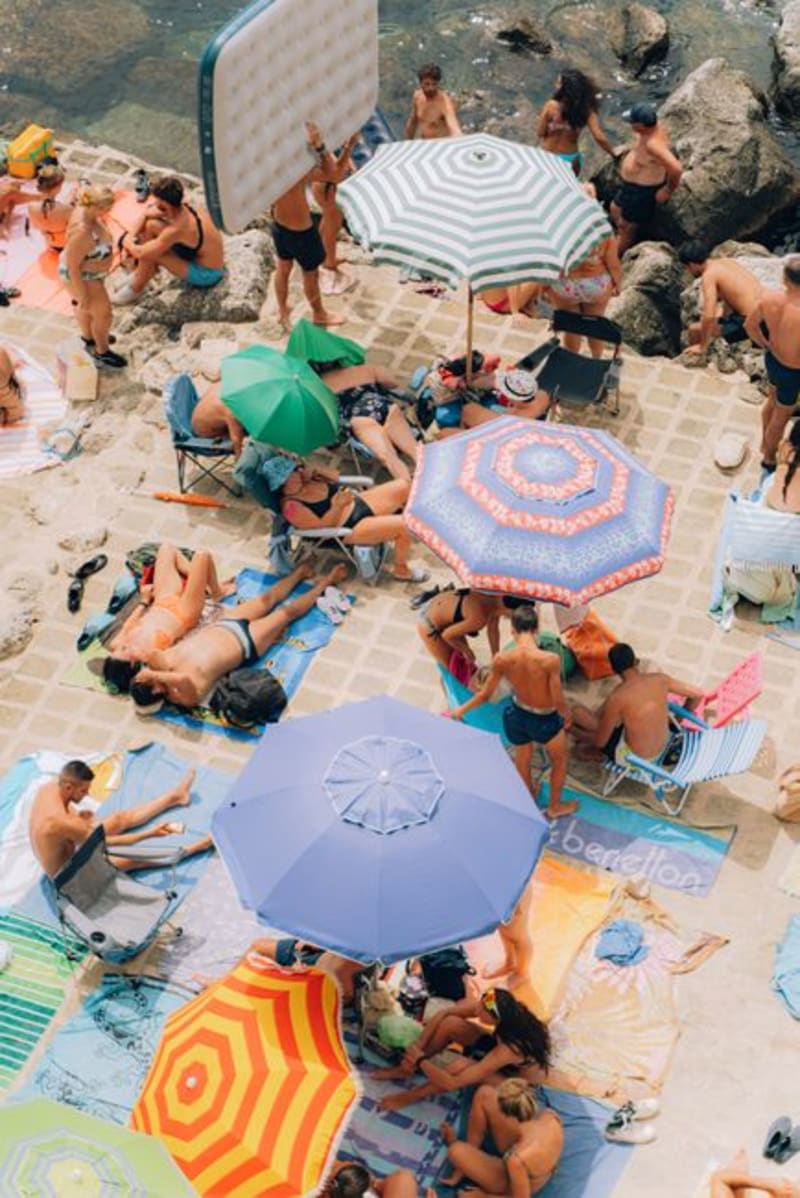 puglia
 Santa Cesarea Terme
A thermal spa town built above sulphur caves on Salento's Adriatic cliffs, where the sea itself steams faintly and the architecture went unapologetically Moorish.
Explore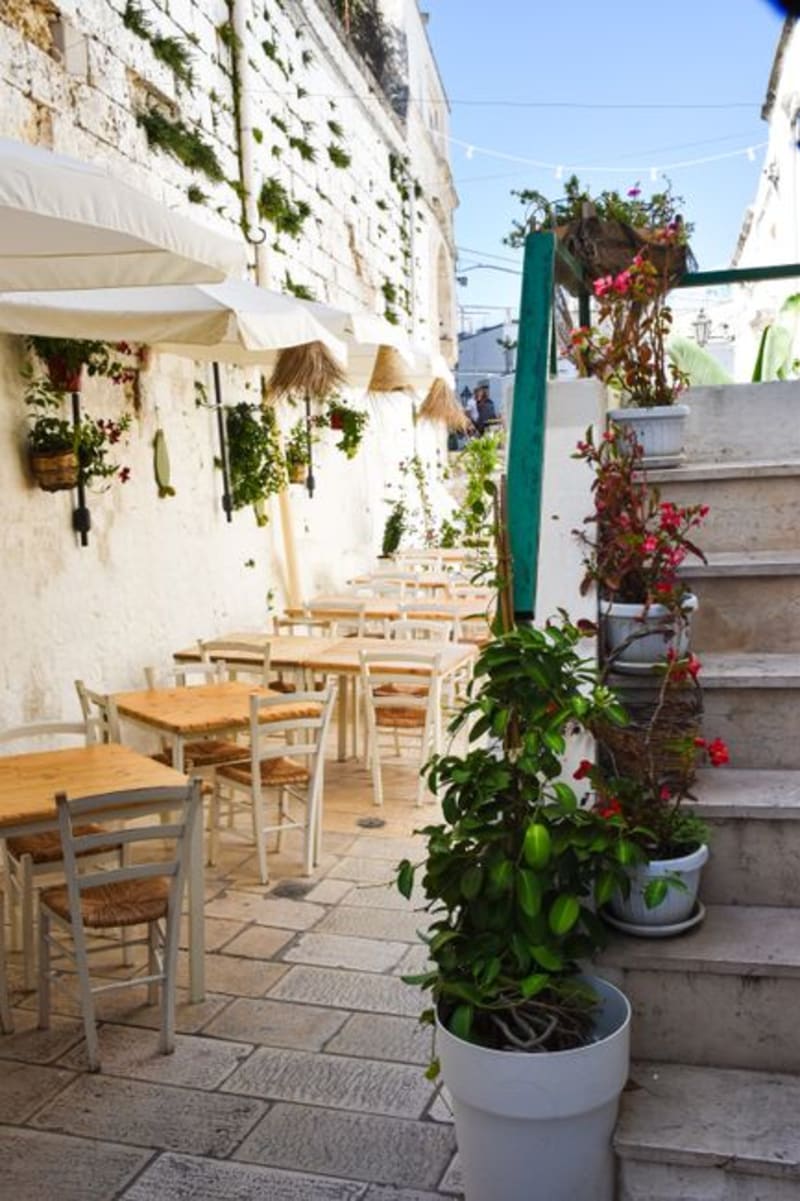 puglia
 Santa Maria al Bagno
A quiet Ionian marina near Nardò with pastel villas, a small rocky harbour, and a set of murals telling a Jewish refugee story most visitors to this coast never hear.
Explore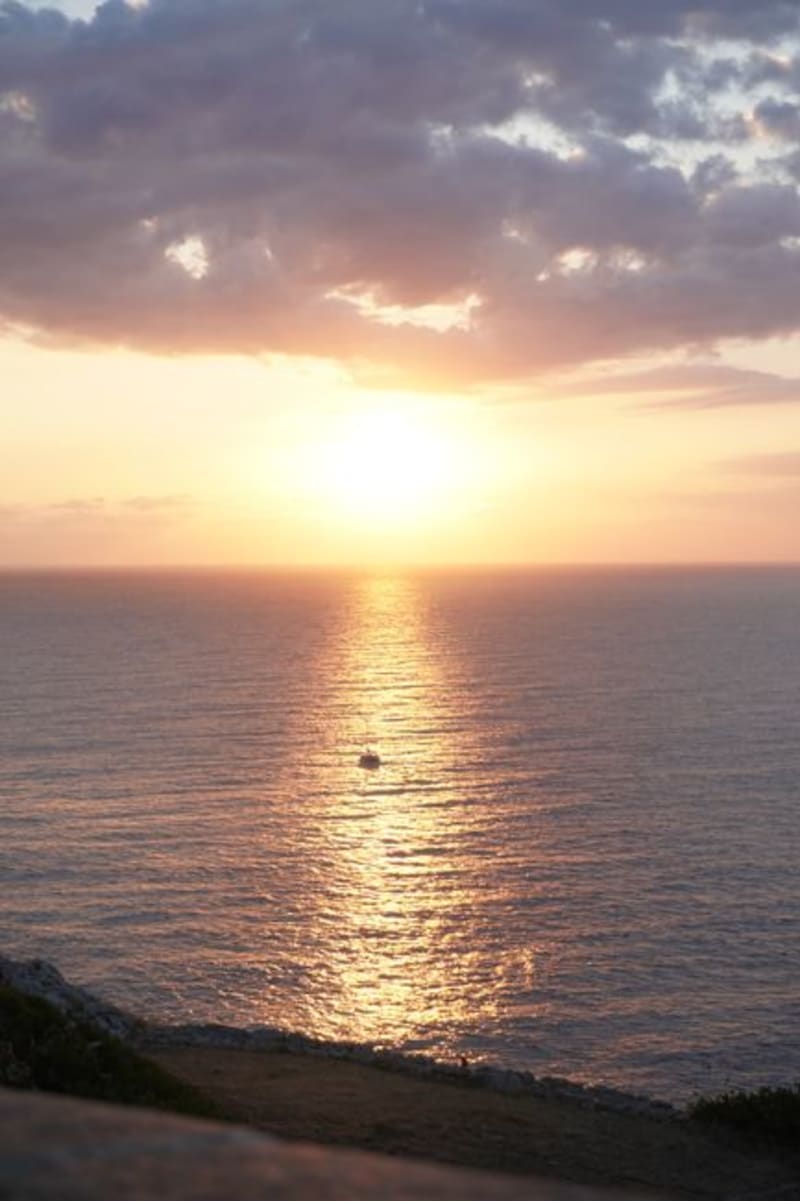 puglia
 Santa Maria di Leuca
The literal end of Italy, where the Adriatic and Ionian seas meet beneath a lighthouse and a sanctuary, and the road simply stops.
Explore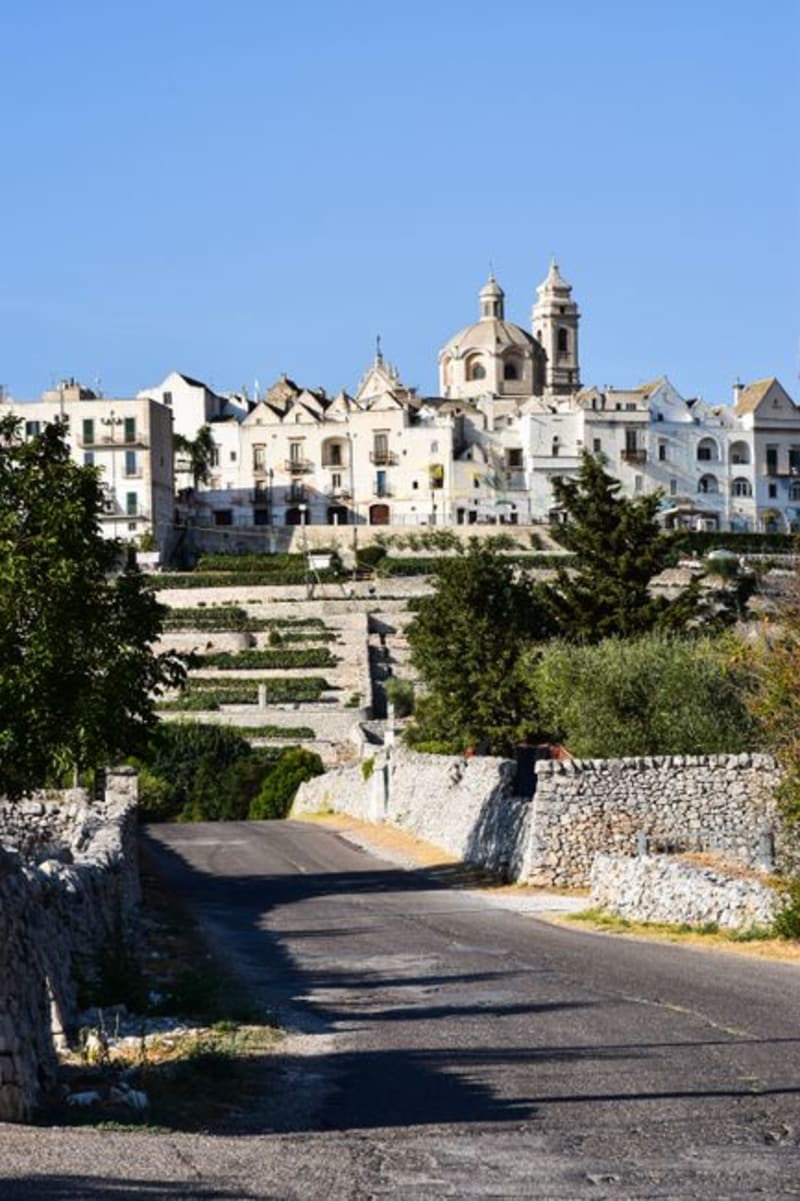 puglia
 Santeramo in Colle
A high Murgia countryside town known for its bread and pasta-making tradition, ringed by wheat fields, drystone walls, and masserie that have shifted from sheep farming to agritourism.
Explore