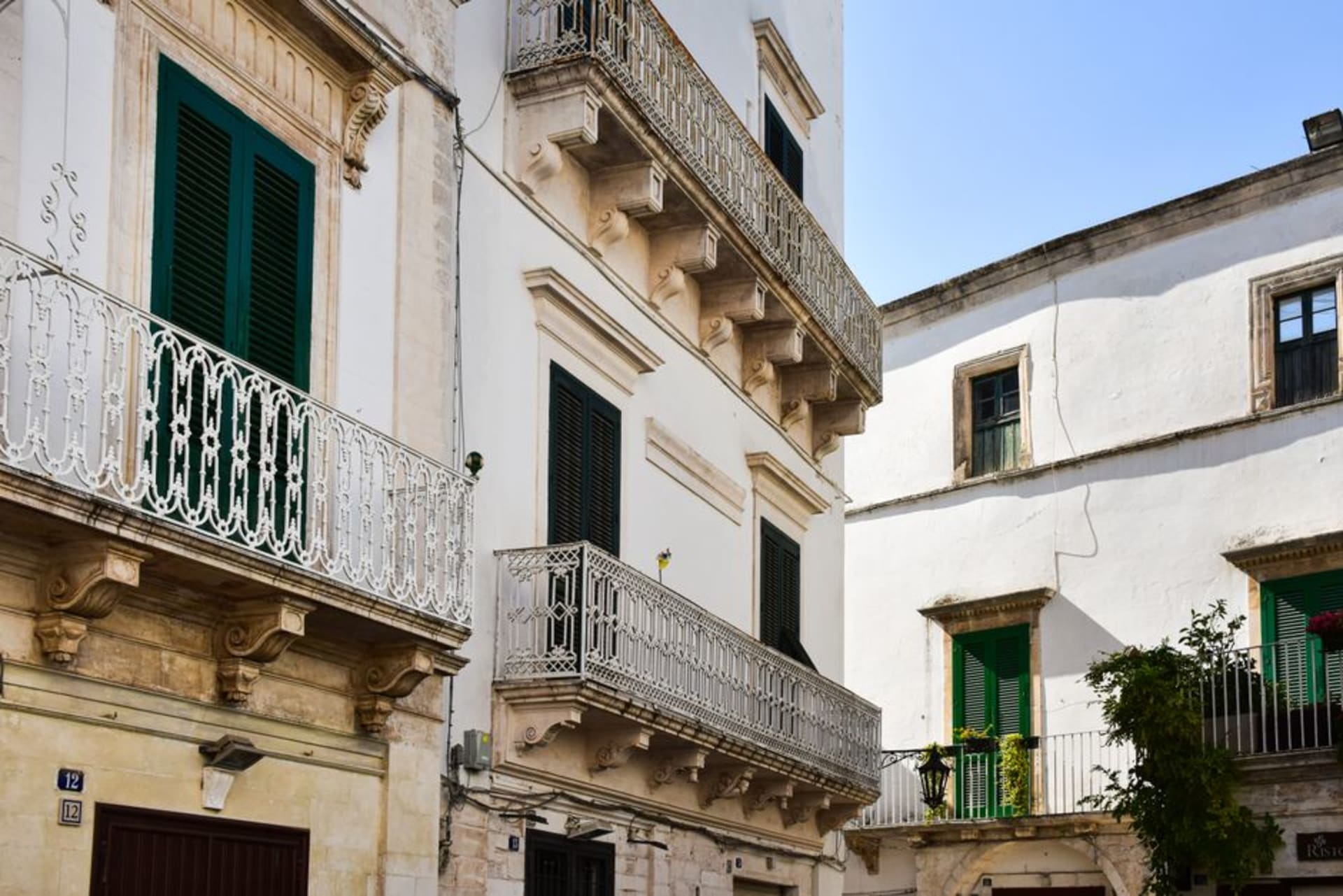
Manfredonia
"Manfredonia is the Gargano everyone drives through and almost nobody stops in, which is exactly why we did."
The Gargano's gateway city on the flat plain south of the massif — a Swabian castle, a long working seafront, and the least touristed base on the whole peninsula.

A city with its back to the mountain
Manfredonia sits at the foot of the Gargano massif, on the flat curve of the gulf that bears its name, and it functions for most travellers as a place to pass through on the way somewhere else — the road to Vieste, the road to Monte Sant’Angelo. That’s a shame, because the city has real substance of its own: founded in the thirteenth century by Manfred, the illegitimate son of Frederick II, after an earthquake and malaria finally finished off the ancient nearby city of Siponto, it carries a proper medieval and Renaissance history that most visitors drive straight past.
The castle
The Castello Svevo-Angioino dominates the seafront, a squat and genuinely formidable fortress begun by Manfred and expanded by the Angevins and later the Aragonese, its walls thick enough to have absorbed a devastating Ottoman sack in 1620 and still stand. Inside, it now houses the National Archaeological Museum of Manfredonia, home to an extraordinary collection of stele daunie — carved stone slabs from the pre-Roman Daunian civilization, engraved with geometric patterns and human figures that predate the Greeks’ arrival on this coast by centuries. I hadn’t expected to find some of the oldest and strangest art in Puglia inside a Swabian castle car park’s worth of visitors, and it was worth the detour on its own.

The seafront and Siponto
Manfredonia’s long lungomare gets a fraction of the foot traffic of Vieste’s or Peschici’s, and in the evening it belongs almost entirely to locals — families out for the passeggiata, old men playing cards at folding tables, a handful of fishing boats coming in with the day’s catch. A short drive south, the ruins of ancient Siponto include a striking eleventh-century Romanesque church, half sunk into the ground from centuries of subsidence, standing next to a startling contemporary art installation — a life-sized wire-mesh “ghost cathedral” by artist Edoardo Tresoldi that traces the footprint of a vanished basilica in mid-air.

We had dinner on the lungomare, orecchiette with mussels from the gulf, and Lia pointed out that we’d gone the entire meal without hearing another table speak anything other than Italian — a small thing, but after a week on the more touristed parts of the Gargano coast, a genuinely restful one.
When to go: Spring and autumn are pleasant for walking the seafront and visiting Siponto without summer heat; as a base it works year-round, since most of what draws people here — the castle, the museum, the ghost cathedral — has nothing to do with beach season.
Keep exploring
More from Puglia
 puglia
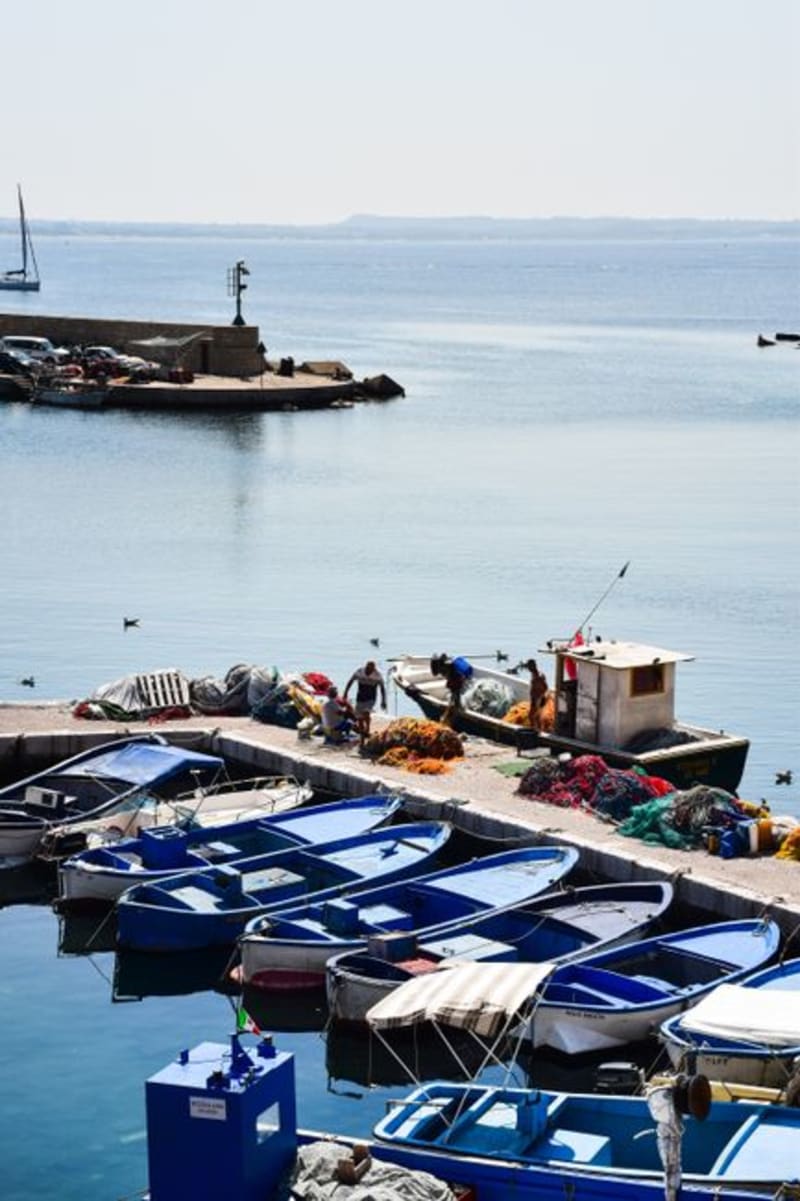
 Marina di Ostuni
The pine-backed Adriatic coastline below the white hill town of Ostuni — a string of beach clubs, quiet coves, and dune trails through the Regionale Dune Costiere park.
Explore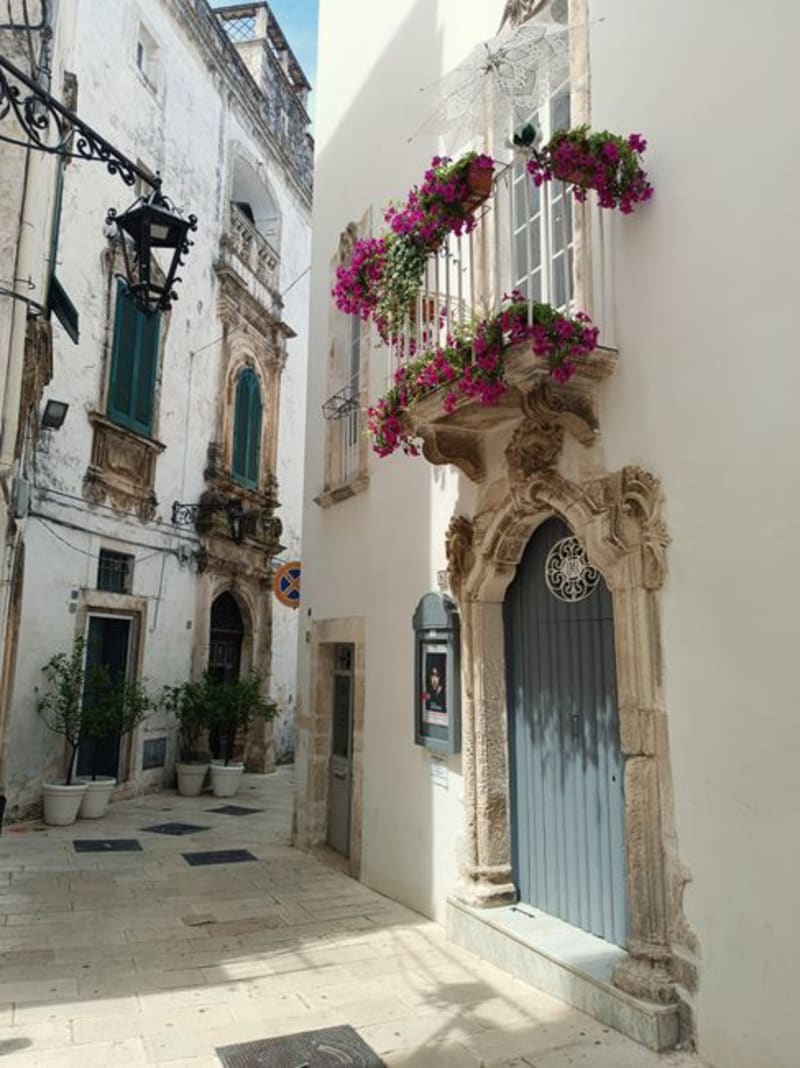 puglia
 Martina Franca
A Baroque hill town at the edge of the Valle d'Itria where the old centro is all curling stone facades, and the capocollo is the best cured meat I have eaten in Italy.
Explore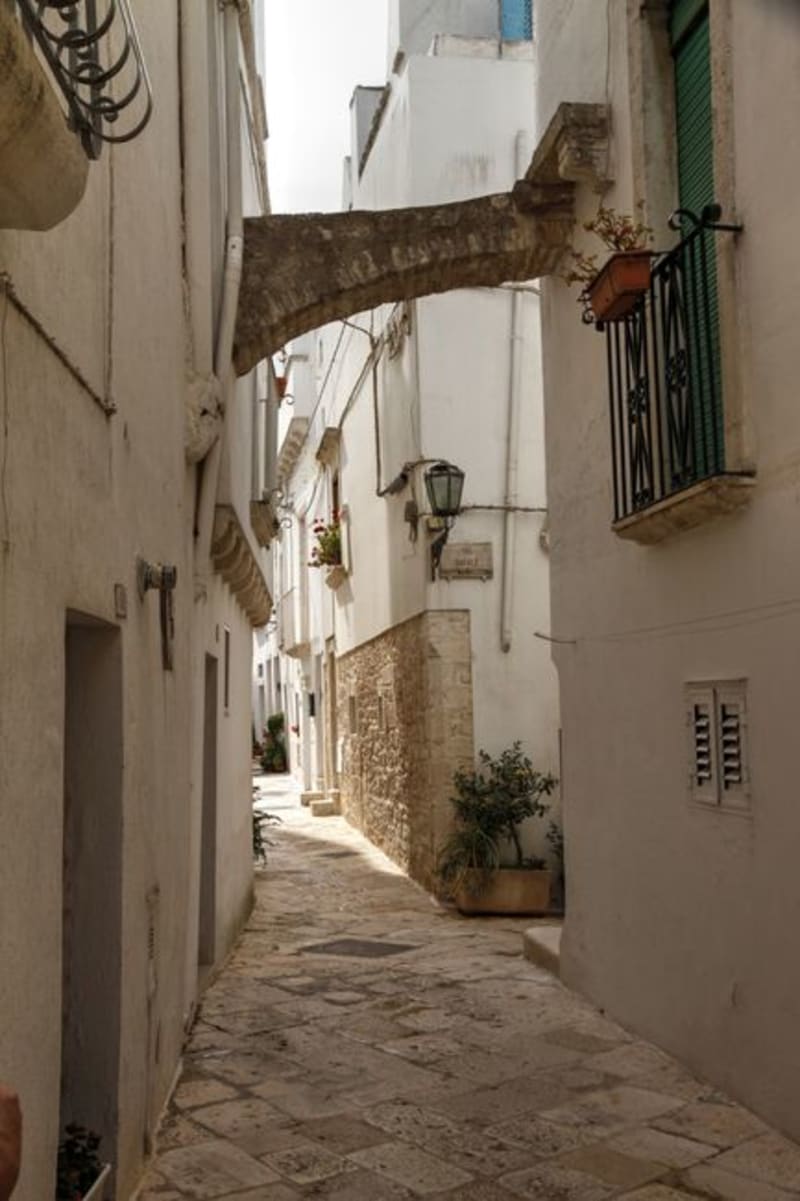 puglia
 Maruggio
An inland Ionian town whose seaside frazione, San Pietro in Bevagna, holds a working tonnara history and some of the least crowded beaches on this coast.
Explore puglia
 Massafra
A town split by a ravine full of cave churches and rock-cut hermitages, where the Gravina della Madonna della Scala drops straight through the middle of ordinary daily life.
Explore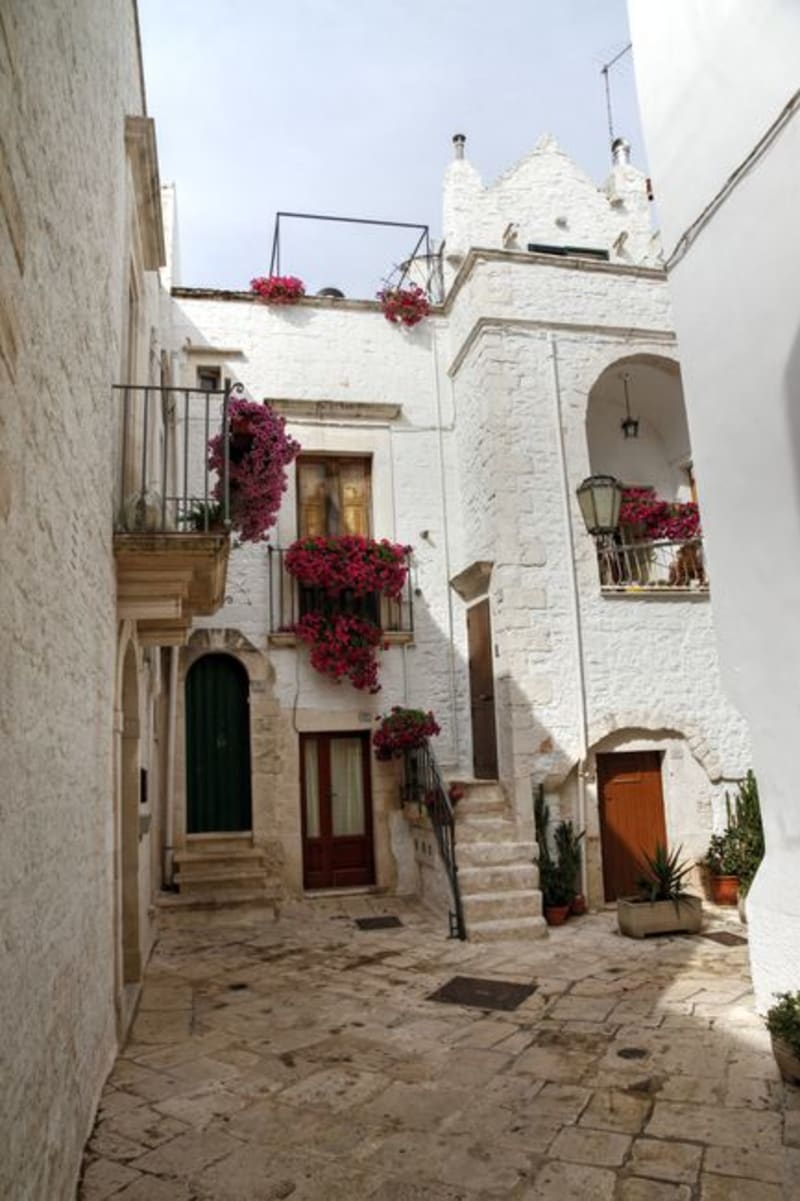 puglia
 Mattinata
A whitewashed farming town below the Gargano's highest cliffs, gateway to the Baia delle Zagare and some of the peninsula's least crowded coastline.
Explore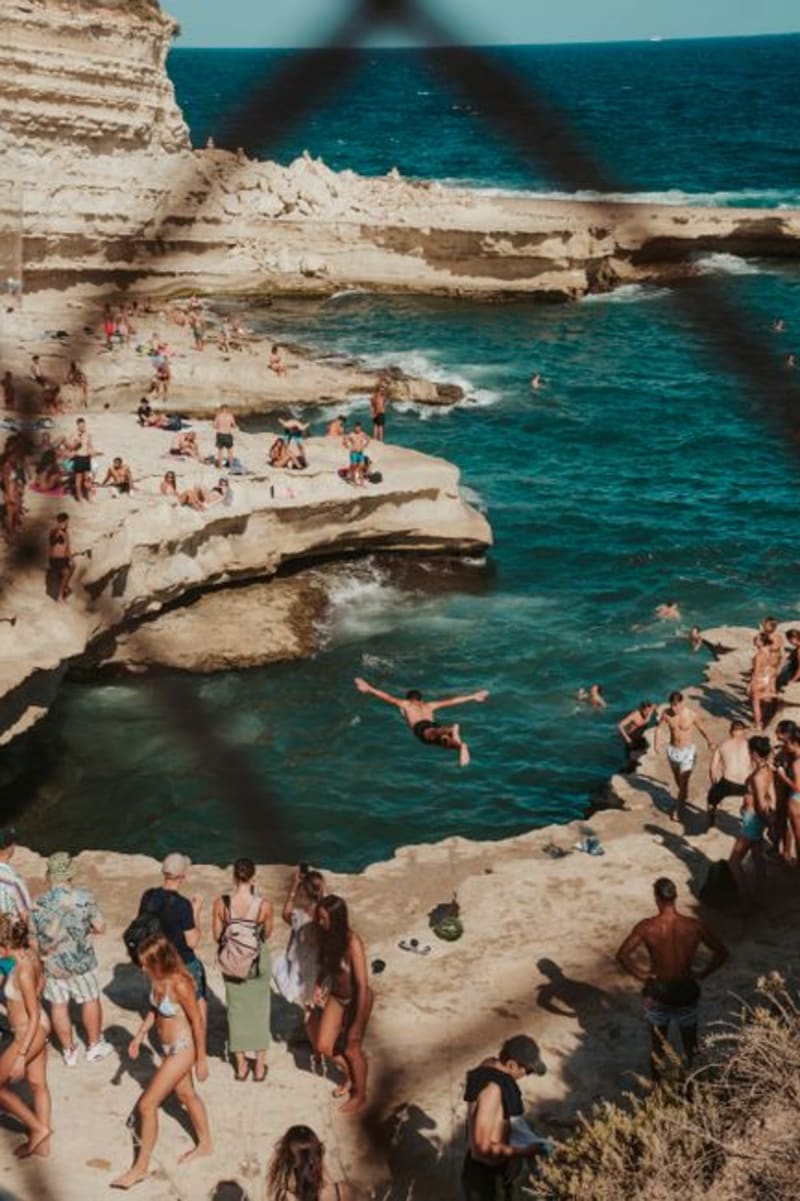 puglia
 Melendugno
An inland Salento town whose coastal frazioni — San Foca and Torre Sant'Andrea — deliver rugged limestone coves without the density of the bigger resort towns.
Explore