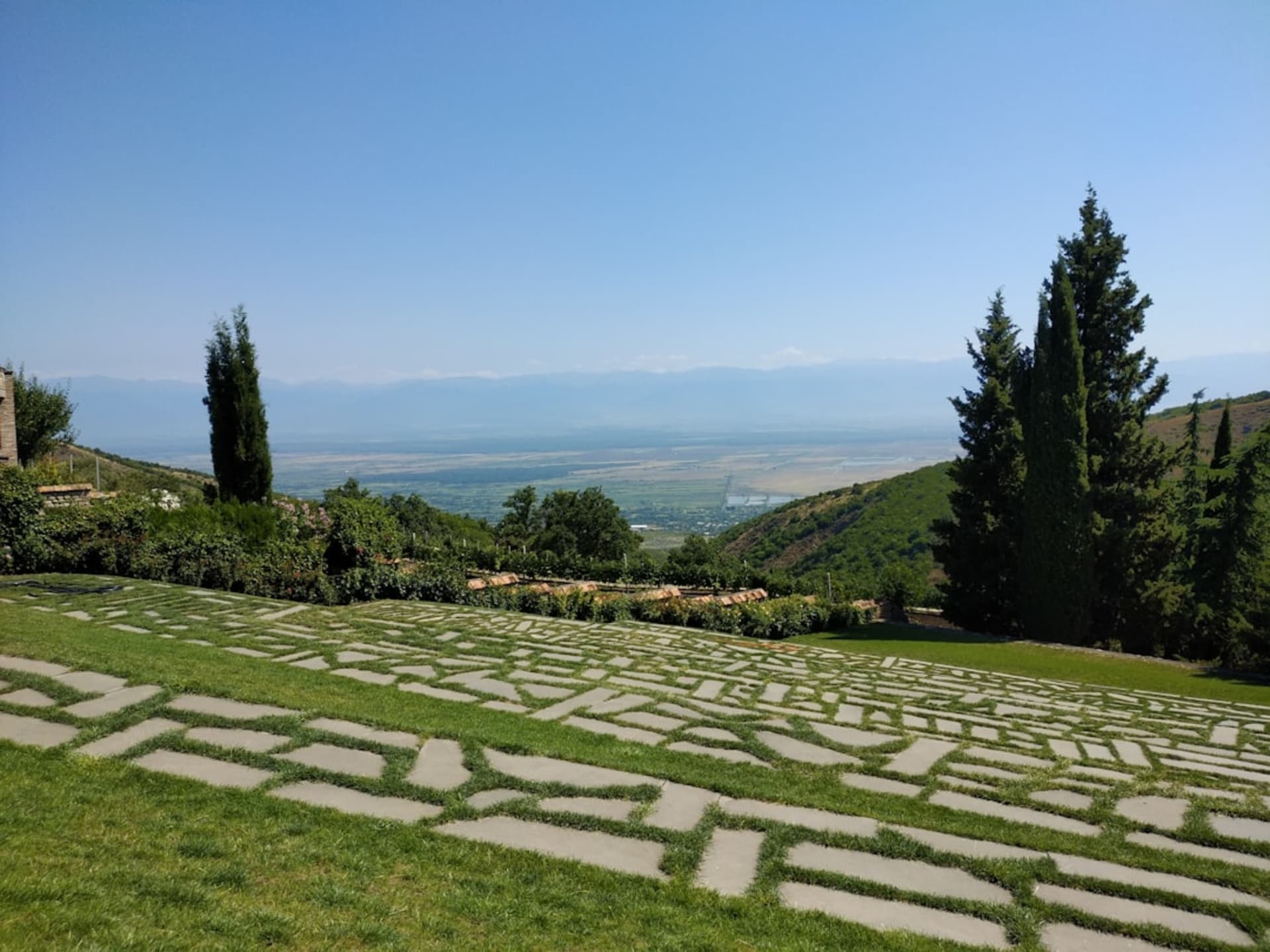
Presicce
"Presicce hides its real history below street level, and once you've seen it, you can't walk the town the same way again."
A quiet Salento town honeycombed with underground olive oil mills, once called the City of Oil Underground for the labyrinth beneath its streets.

We nearly drove past Presicce entirely — it doesn’t sit on the coast, has no cathedral mosaic to compete with Otranto’s, and doesn’t appear on most Salento shortlists — but a friend in Lecce insisted we stop for the frantoi ipogei, and it turned out to be one of those detours that reorganizes your understanding of a whole region. Presicce was once called la Città dell’Olio Sotterraneo, the City of Underground Oil, because beneath its unremarkable streets lies a network of more than twenty subterranean olive oil mills, carved directly into the soft local limestone, some dating to the fifteenth century and used continuously into the twentieth.
We descended into Trappeto Maccarico, the largest and best preserved of the mills, through a modest doorway just off the main square that gave almost no indication of the scale below. Down a stone stairwell, the space opens into a series of vaulted chambers — stables for the mules that turned the grinding wheel, storage rooms for the amphorae of oil, and the press itself, a massive stone wheel worn smooth by centuries of use. The guide explained that the mills were built underground deliberately, since the constant year-round temperature of eighteen degrees kept the olive paste at the right consistency for pressing, no matter the season above. Puglia produces more olive oil than any other Italian region, and standing in that dim vaulted chamber, I understood the industry’s roots more viscerally than any olive grove had managed to show me.

Above ground, Presicce carries a modest Baroque elegance in its main square, centred on the Palazzo Ducale and a church facade carved with the same restrained flourish you find across smaller Salento towns that never attracted Lecce’s level of architectural ambition. We sat at the one open café in the square on a weekday afternoon, the town almost entirely quiet, an old man sweeping the steps of the church with unhurried thoroughness, and I had the distinct sense of having found one of the handful of towns in this region where daily life still outweighs the tourist economy by a wide margin.
Acquarica del Capo, technically merged with Presicce into a single municipality since 2019, sits just to the south and adds little beyond a pleasant extension of the same unhurried atmosphere. We didn’t linger there, choosing instead to buy a bottle of the local extra virgin oil from a small shop near the mill — cold-pressed, peppery, sharper than anything I’d bought further north — and carried it home in a suitcase wrapped in three T-shirts, which felt like the correct amount of care for something that had, underground, taken five centuries to become an industry.
When to go: Any season works for the underground mills, which keep their own climate regardless of what’s happening above. Spring and autumn are most pleasant for wandering the town itself; this is not a beach stop, so summer heat is the main thing to plan around rather than crowds, which are rarely an issue here.
Keep exploring
More from Puglia
 puglia
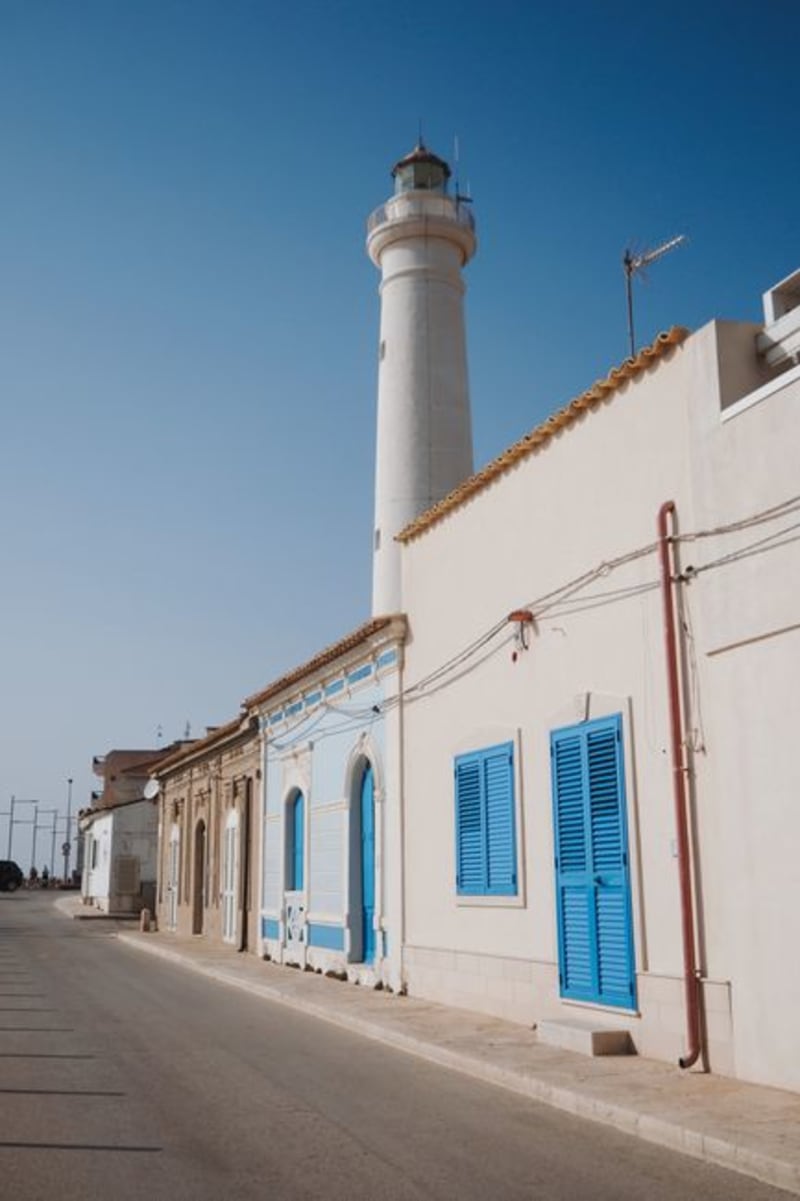
 Punta Prosciutto
A stretch of low dunes and shallow turquoise water on the Ionian coast that Puglians will tell you, quietly, is better than anything in Sardinia.
Explore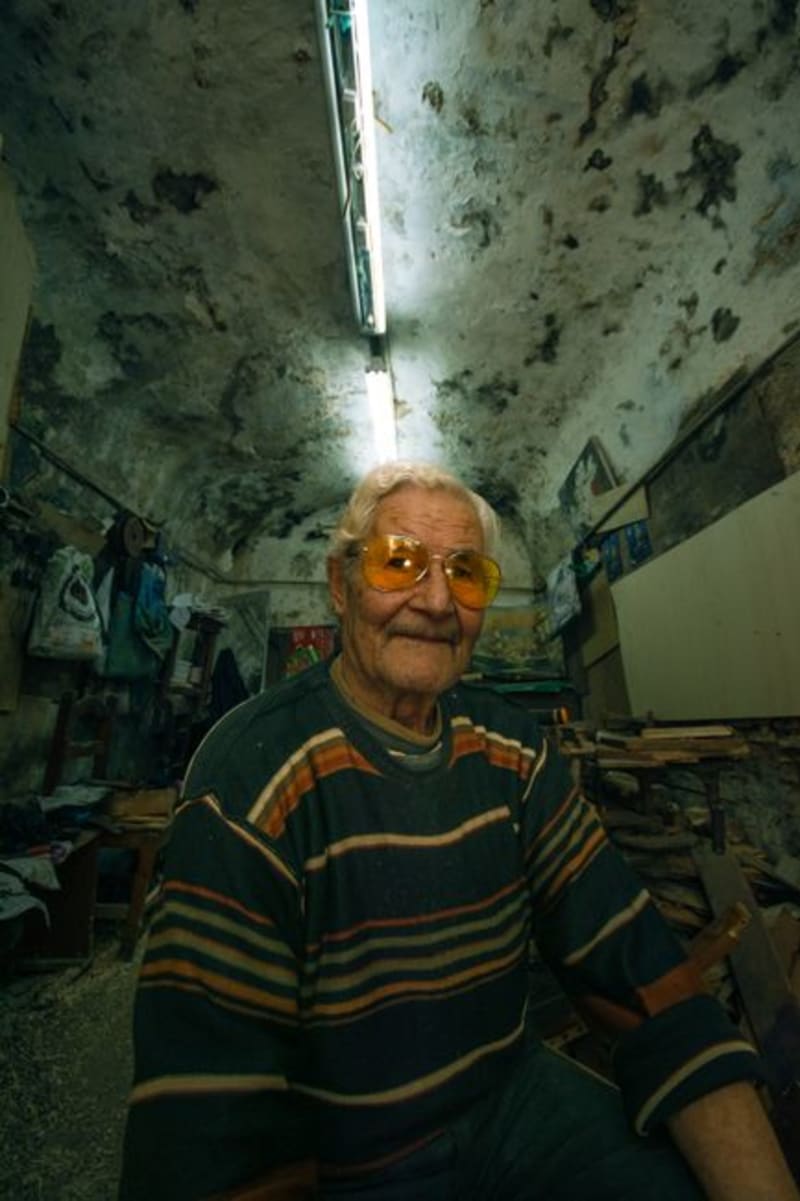 puglia
 Putignano
A Murgia hill town famous for having the longest Carnival in Europe, and for the rest of the year, an underground network of caves running beneath its own historic centre.
Explore puglia
 Rodi Garganico
A quiet citrus-scented port town on the Gargano's northern coast, its old quarter perched on a small headland above the ferry docks to the Tremiti Islands.
Explore puglia
 Rutigliano
A Terra di Bari countryside town famous for its terracotta whistles and ceramics tradition, surrounded by vineyards and almond groves that come alive every August for the harvest festival.
Explore puglia
 Ruvo di Puglia
A quiet Murge hill town famous for the red-figure vases its ancient necropolis produced by the thousand, and a cathedral rose window that outclasses towns ten times its size.
Explore puglia
 Salve
A small inland Salento town whose territory reaches the Ionian at Pescoluse and Torre Pali, offering a quieter home base than the coast itself.
Explore