Monopoli
"Monopoli does everything Polignano does, just fifteen minutes down the coast and without the queue."
A working Adriatic port with a walled old town, hidden coves, and none of the crowds that made its neighbour Polignano a Mare famous.

Everyone we met in Bari kept mentioning Polignano a Mare, and we went, and it was as striking as advertised and also absolutely overrun by early afternoon, tour buses idling in the lot above the famous cove, a line for the viewpoint. On the recommendation of a bartender who seemed personally offended by Polignano’s fame, we drove fifteen minutes further south to Monopoli the next day and found essentially the same coastal drama — a walled old town on a rocky Adriatic shelf, dramatic cove swimming, a working harbour — with a fraction of the attention.
Monopoli’s old town sits on a low promontory, its perimeter walls dropping straight into the sea in places, the Castle of Charles V anchoring one end. Unlike Polignano, whose old town is compact enough to see in an hour, Monopoli’s is a genuine maze — narrow lanes, blind alleys, laundry strung overhead, small piazzas that appear without warning — and we spent a full afternoon wandering it without a plan and without getting bored, occasionally popping out onto a section of the sea walls for a view before diving back into the tangle of streets.

The harbour is a proper working port — fishing boats, some larger commercial traffic, a marina for pleasure craft — and it gives Monopoli a rhythm that feels less curated than some of its coastal neighbours. There are small rock coves for swimming directly below the old town walls, plus a proper sandy beach, Cala Batteria, tucked beneath the fortifications, along with several more within walking distance north and south. We swam at Cala Porta Vecchia, a tiny cove barely large enough for a dozen people, water a startling turquoise against the pale rock.
In the evening the old town’s piazzas fill up for aperitivo and the harbour restaurants do a steady trade in whatever the boats brought in that day — we had orecchiette with mussels at a place two minutes from the water and it did not disappoint. Monopoli isn’t undiscovered exactly, but it absorbs its visitors with far more ease than Polignano manages, and the two towns, seen back to back, make an obvious case for going one stop further down a crowded coastline before deciding you’ve seen it.

When to go: June and September for warm water and a manageable old town; July and August bring a lively but not overwhelming crowd, still noticeably calmer than Polignano a Mare at the same time of year.
Keep exploring
More from Puglia
 puglia
 Monte Sant'Angelo
A UNESCO-listed pilgrimage town on the Gargano's southern slope, built around a fifth-century sanctuary where the Archangel Michael is said to have appeared in a cave.
Explore puglia
 Mottola
Known as the balcony of the Murgia — a hill town with a view stretching from the plateau to the Gulf of Taranto, and a cluster of rock churches even the guidebooks skip.
Explore puglia
 Nardò
A Baroque inland town in the Salento with a cathedral square as ornate as Lecce's but a fraction of the visitors, plus a wild limestone coast a short drive away.
Explore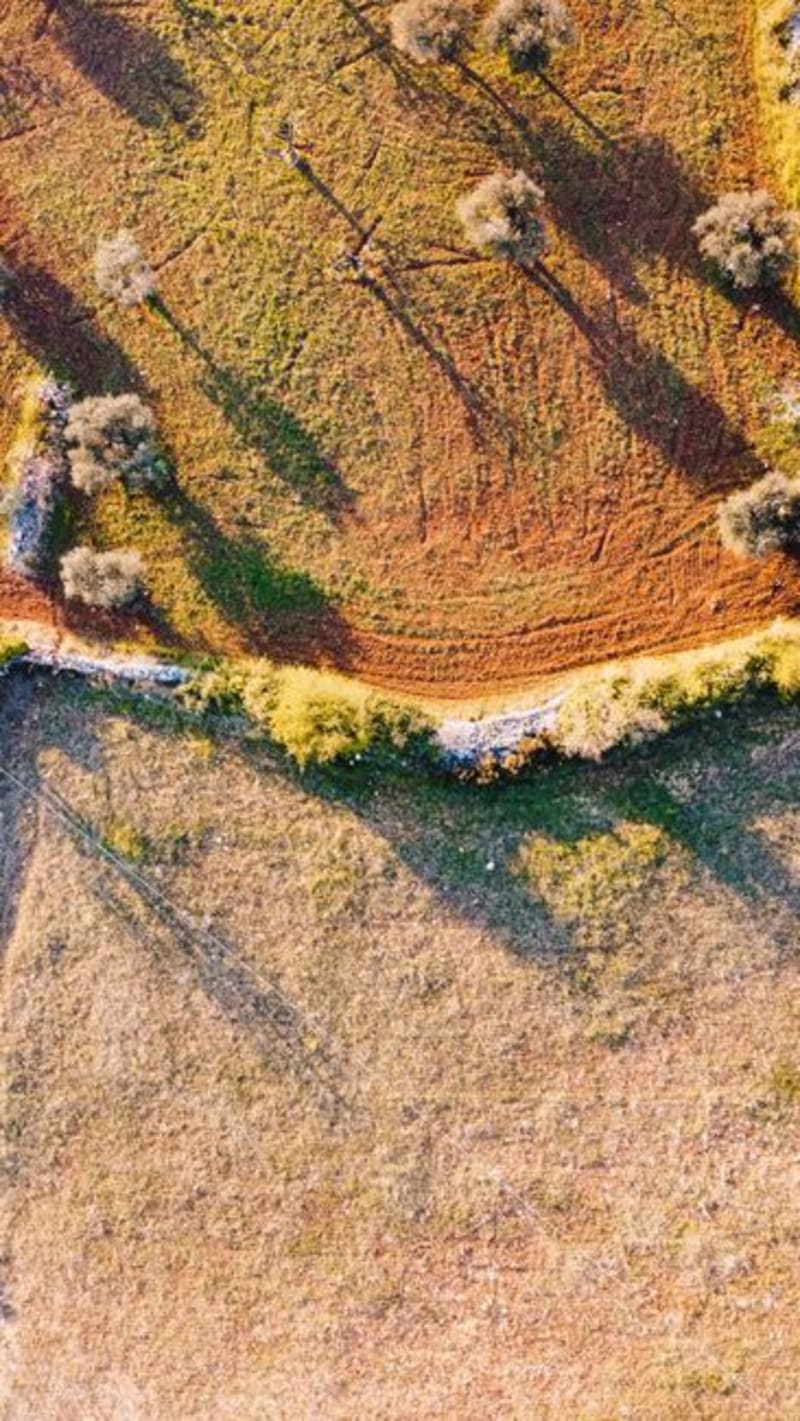 puglia
 Noci
A Valle d'Itria town with its own scattering of trulli, a Saturday market that draws farmers from across the Murgia, and almost no other tourists to share it with.
Explore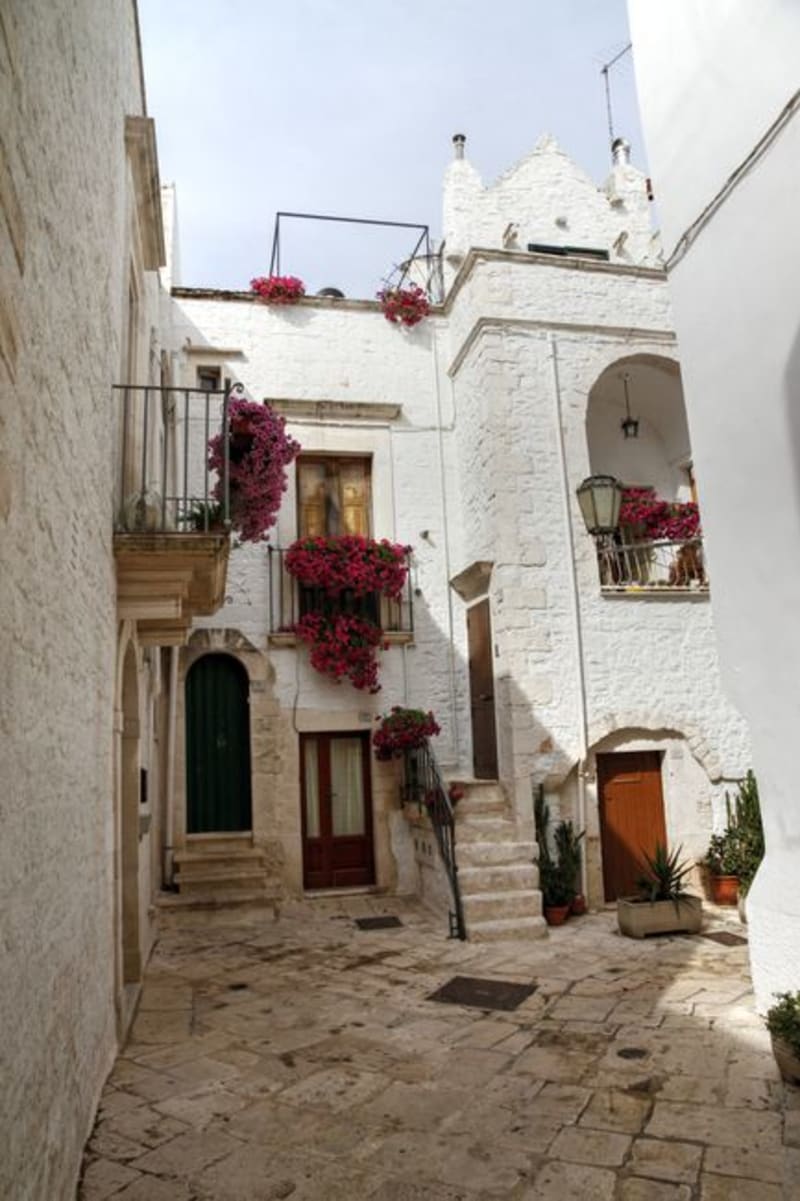 puglia
 Noicàttaro
A quiet wine town in the Terra di Bari countryside, ringed by vineyards growing the local Nero di Troia grape and dotted with the low white masserie that define this stretch of inland Puglia.
Explore puglia
 Orsara di Puglia
A small Daunian hill town famous for its Fanoie bonfire festival and Notte di Zeta pilgrimage through the woods — pagan ritual and Christian devotion fused so seamlessly nobody bothers separating them.
Explore