
Gallipoli
"Cross the bridge to the old island and the water changes colour on both sides of you — turquoise going to deep blue, and neither one quite believable."
An island old town connected to the Ionian mainland by a single bridge, with turquoise water on all sides and a Greek name that means beautiful city.

Gallipoli means “beautiful city” in Greek, and while I am usually suspicious of places that announce their own beauty in their name, in this case the Greeks were simply reporting what they found. The old town sits on a small island in the Ionian Sea, connected to the mainland by a short bridge — you walk across and the water is right there on both sides of you, shallow enough near the shore to be that particular bleached turquoise that the Ionian does better than anywhere I have been, then deepening fast to a blue so dark it almost looks artificial. The castle stands at the seaward tip of the island, and the whole arrangement — bridge, island, castle, sea — has the quality of a scene someone designed rather than something that accumulated over centuries, though of course it accumulated over centuries.
The Puglian Greeks settled here; the Spanish Aragonese built the castle and the walls; the narrow lanes of the old town carry layers of Norman, Byzantine, and Baroque in the architecture. What ties it together is the light off the sea, which bounces back from every whitewashed surface and fills even the narrowest vicolo with a luminous secondary glow. I walked the lane that runs along the seaward wall, where the old town drops directly into the Ionian, and the sound below — the lap and push of waves against limestone — was the constant ambient soundtrack of a morning spent entirely in that compressed world.

The fish market on the mainland side of the bridge opens early and is worth seeing for the variety alone — the Ionian produces differently from the Adriatic, and the stalls reflect it: red mullet, bream, enormous prawns from the deeper water, sometimes swordfish, often octopus hung to dry on wooden frames in the sun. I bought a small bag of something the vendor called “muscoli” — mussels, it turned out — and ate them at a bar counter on the waterfront with a glass of cold Malvasia Bianca and felt the peculiar contentment that comes from eating the right thing in the right place at the right time.
The beaches around Gallipoli are among the most celebrated in the Salento for good reason. Baia Verde stretches to the south with its fine sand; the coast north of the town becomes wilder and more ragged, the Torre del Pizzo lighthouse visible on its promontory. In August all of this is packed with the Italian holiday infrastructure — sun beds, rental umbrellas, beach bars — and the Gallipoli area has a summer nightlife reputation that draws crowds from Naples and further. I was there in late September, when the infrastructure had been mostly dismantled and the beaches reverted to their own geography, and I preferred it considerably.

The Baroque churches of the old town accumulate fast if you are not careful — the church of Sant’Agata, the church of the Purità, the cathedral itself with its painted ceiling — and there is a point at which one more Baroque nave threatens to flatten your capacity for wonder. What saved me was the small square near the northern wall where an old man was playing something instrumental and unrecognizable on an accordion, two cats watching from a step, a child doing nothing particular on a bicycle nearby. The scene had no performance to it, which made it the most memorable thing I encountered in the old town, and I think that says something true about how travel works.
When to go: May and June are excellent — the sea is warming, the beaches are accessible, and the old town has its own pace. September and October are the best months for swimming without crowds. The summer season from July through August is vibrant and alive but substantially more expensive and congested than the place deserves.
Keep exploring
More from Puglia
 puglia
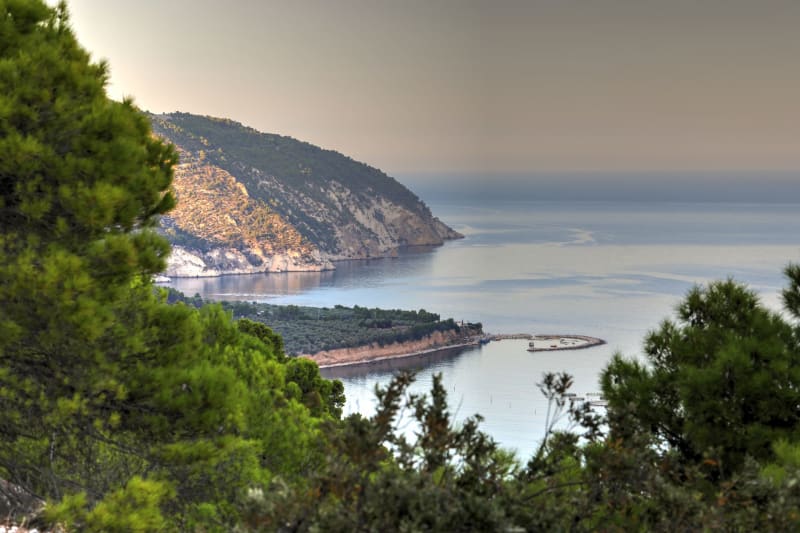
Gargano
The mountainous spur jutting into the Adriatic — ancient forest, sea caves, clifftop sanctuaries, and a coastline that has nothing to do with the flat south below it.
Explore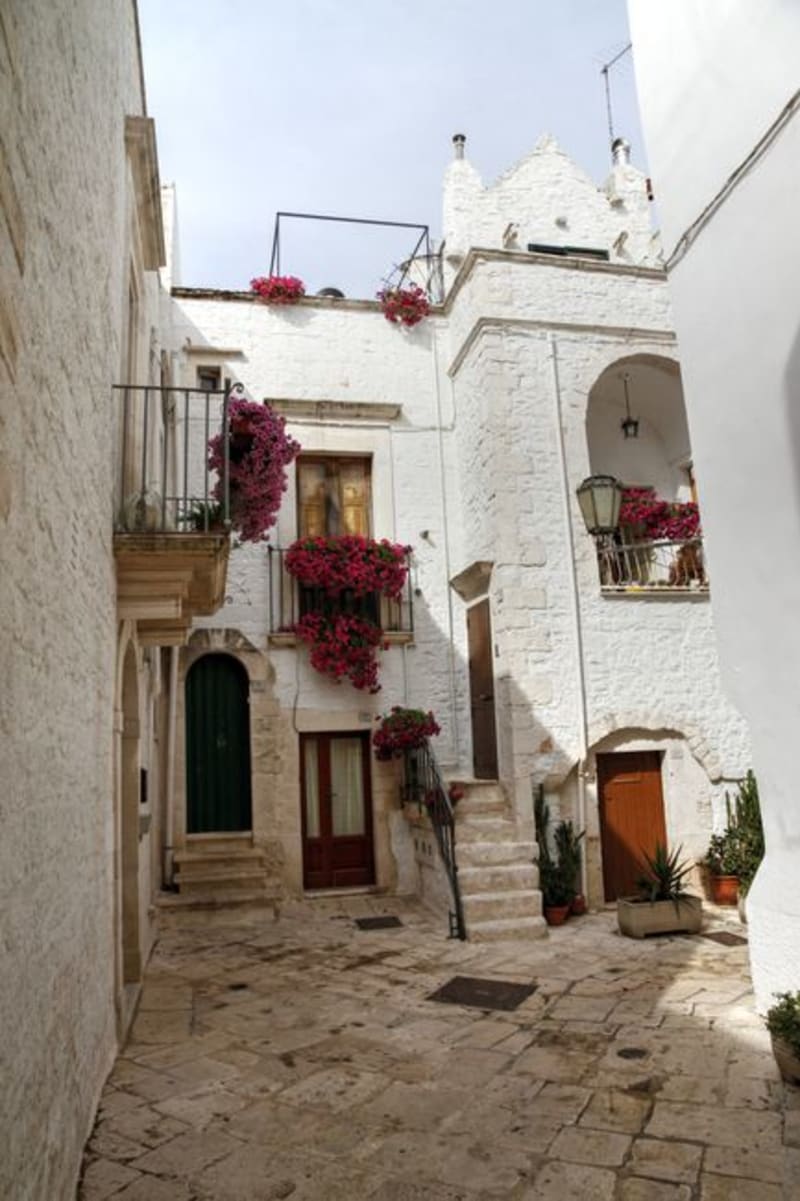 puglia
Ginosa
A ravine town on Puglia's border with Basilicata, its abandoned cave district climbing one side of a gorge while the modern town carries on across the bridge.
Explore puglia
Gioia del Colle
A Murgia town built around a Norman-Swabian castle where Frederick II once held court, and the source of a mozzarella so good it made me reconsider everything I thought I knew about cheese.
Explore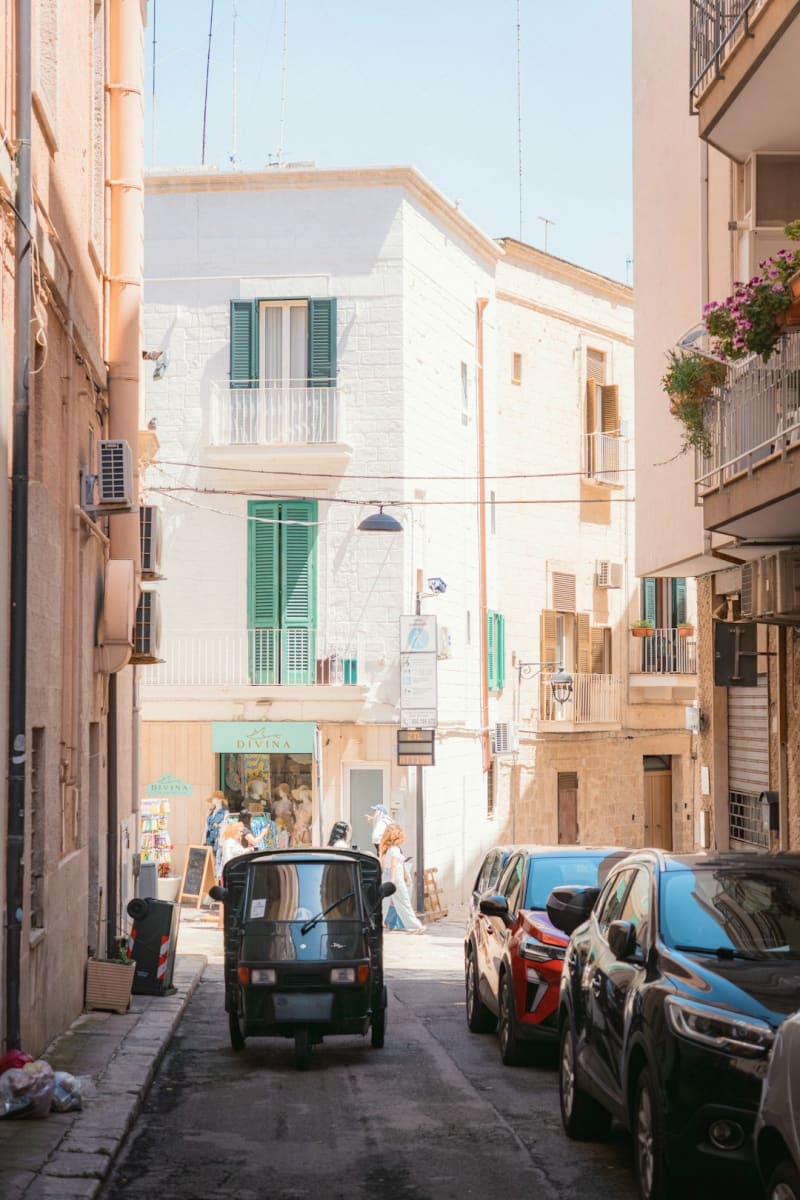 puglia
Gravina in Puglia
A cave city on the edge of a limestone ravine, famous for a bread rivaling Altamura's and cellars carved directly into the rock beneath the old town.
Explore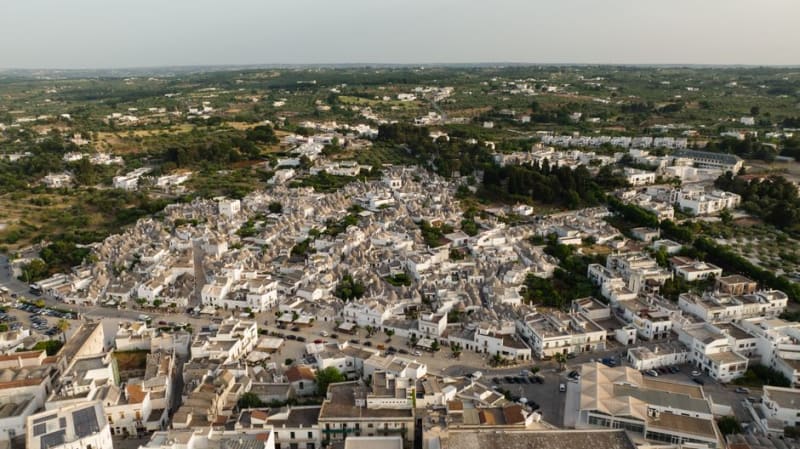 puglia
Grottaglie
A hill town near Taranto where potters have worked the same cave workshops for four centuries, and the historic Quartiere delle Ceramiche still smells of wet clay and woodsmoke.
Explore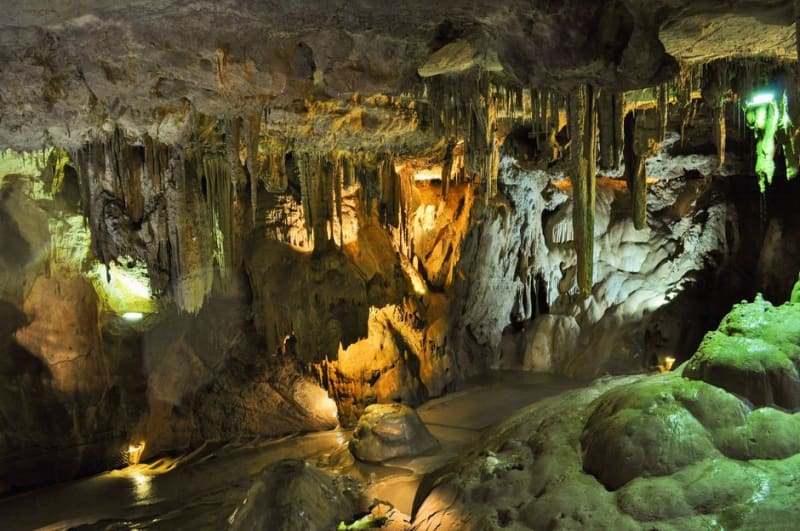 puglia
Grotte di Castellana
A cave system beneath the Murgia plateau that drops you from Pugliese sunlight into two kilometres of stalactites, culminating in a chamber so white it looks lit from within.
Explore