
Gioia del Colle
"Gioia del Colle gave the world its mozzarella and its primitivo, and still, somehow, almost nobody outside Puglia has heard its name."
A Murgia town built around a Norman-Swabian castle where Frederick II once held court, and the source of a mozzarella so good it made me reconsider everything I thought I knew about cheese.

We drove out to Gioia del Colle on a tip from a cheesemaker in Bari who told us, with the flat certainty of someone stating a fact rather than an opinion, that the mozzarella here was better than anything sold under that name anywhere else in Italy, DOP status included. Gioia del Colle mozzarella comes from a particular breed of cattle grazed on the Murgia’s rough pasture, and the dairies around town still make it fresh each morning — we bought a ball still warm from the vat, wrapped in paper, and ate it standing outside the shop with nothing but a drizzle of local oil, because it seemed disrespectful to wait.
The town itself centres on an imposing Norman-Swabian castle, square and fortified in the same tradition as Castel del Monte but far less visited, and with a genuinely surprising history: Frederick II, the medieval Holy Roman Emperor famous for his intellectual court and his falconry treatise, held residence here, and his daughter Violante is said to have been born within these walls. We wandered the castle’s courtyard and climbed to the ramparts, looking out over a landscape of vineyards that produces Primitivo di Gioia del Colle — a DOC distinct from and, some locals insist rather firmly, superior to the more famous Manduria version.
We spent an afternoon at a small cantina outside town tasting that primitivo straight from the barrel, a dense, dark wine with none of the polish of an export bottle and all of the character, and Lia bought two bottles that did not survive the drive back to where we were staying. The winemaker, an older man with the sun-cured face of someone who has spent sixty years outdoors, told us proudly that Gioia del Colle’s wine had been protected by DOC status since the 1970s, decades before Manduria caught up, and seemed personally offended that Manduria gets the international recognition.

We left with a cooler bag of mozzarella that didn’t last the week and a renewed, slightly defensive loyalty to a wine we’d never heard of a month earlier. Gioia del Colle does not need visitors to validate what it already knows about itself, which might be exactly why it tastes this good.
When to go: Late summer through the September harvest is ideal for the vineyards and cantina visits. The mozzarella and castle are worth a visit any time of year, though buy the cheese in the morning, when it’s freshest.
Keep exploring
More from Puglia
 puglia
Gravina in Puglia
A cave city on the edge of a limestone ravine, famous for a bread rivaling Altamura's and cellars carved directly into the rock beneath the old town.
Explore puglia
Grottaglie
A hill town near Taranto where potters have worked the same cave workshops for four centuries, and the historic Quartiere delle Ceramiche still smells of wet clay and woodsmoke.
Explore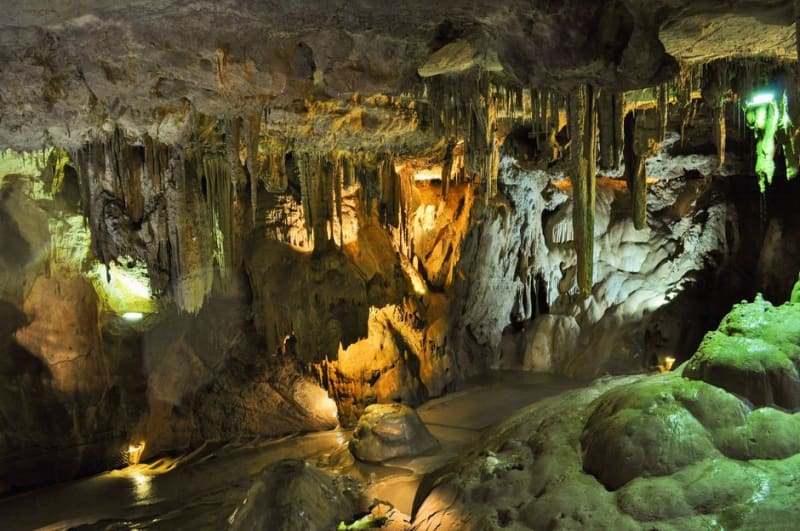 puglia
Grotte di Castellana
A cave system beneath the Murgia plateau that drops you from Pugliese sunlight into two kilometres of stalactites, culminating in a chamber so white it looks lit from within.
Explore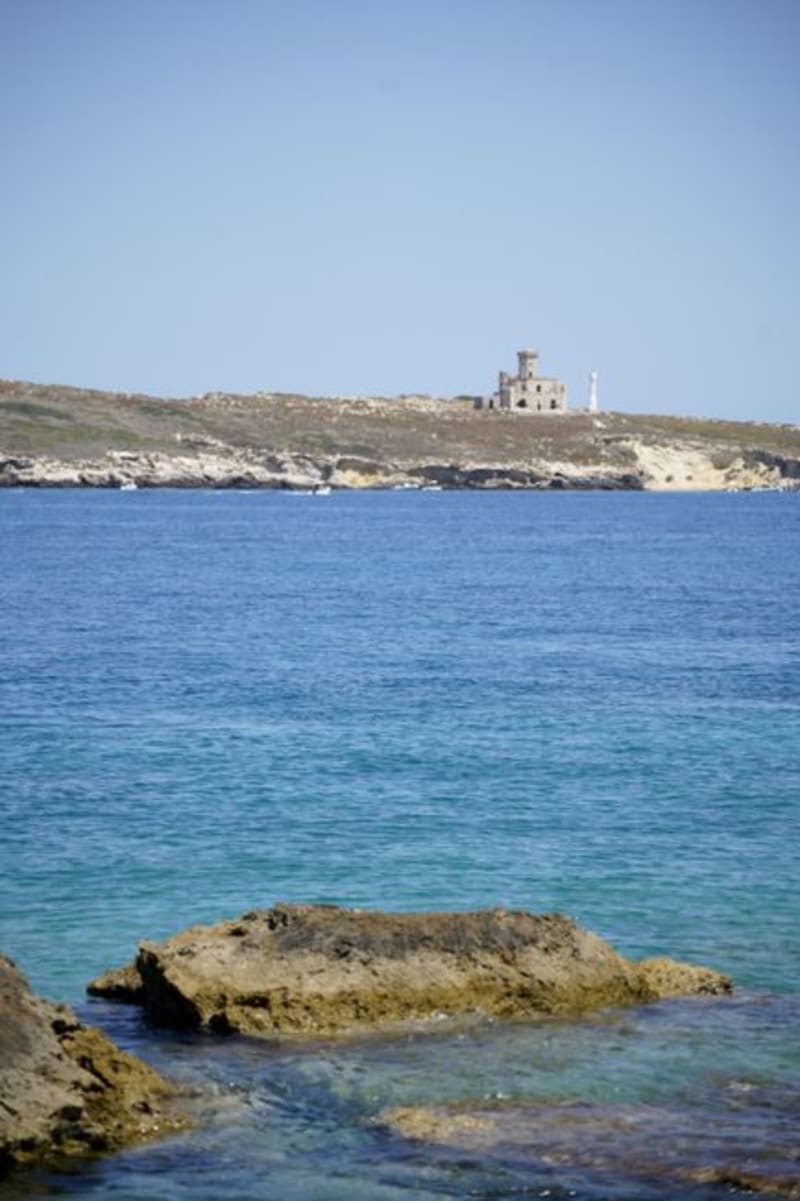 puglia
Isole Tremiti
Three tiny islands adrift ten miles off the Gargano coast, a medieval abbey, and water clear enough to make you distrust your own eyes.
Explore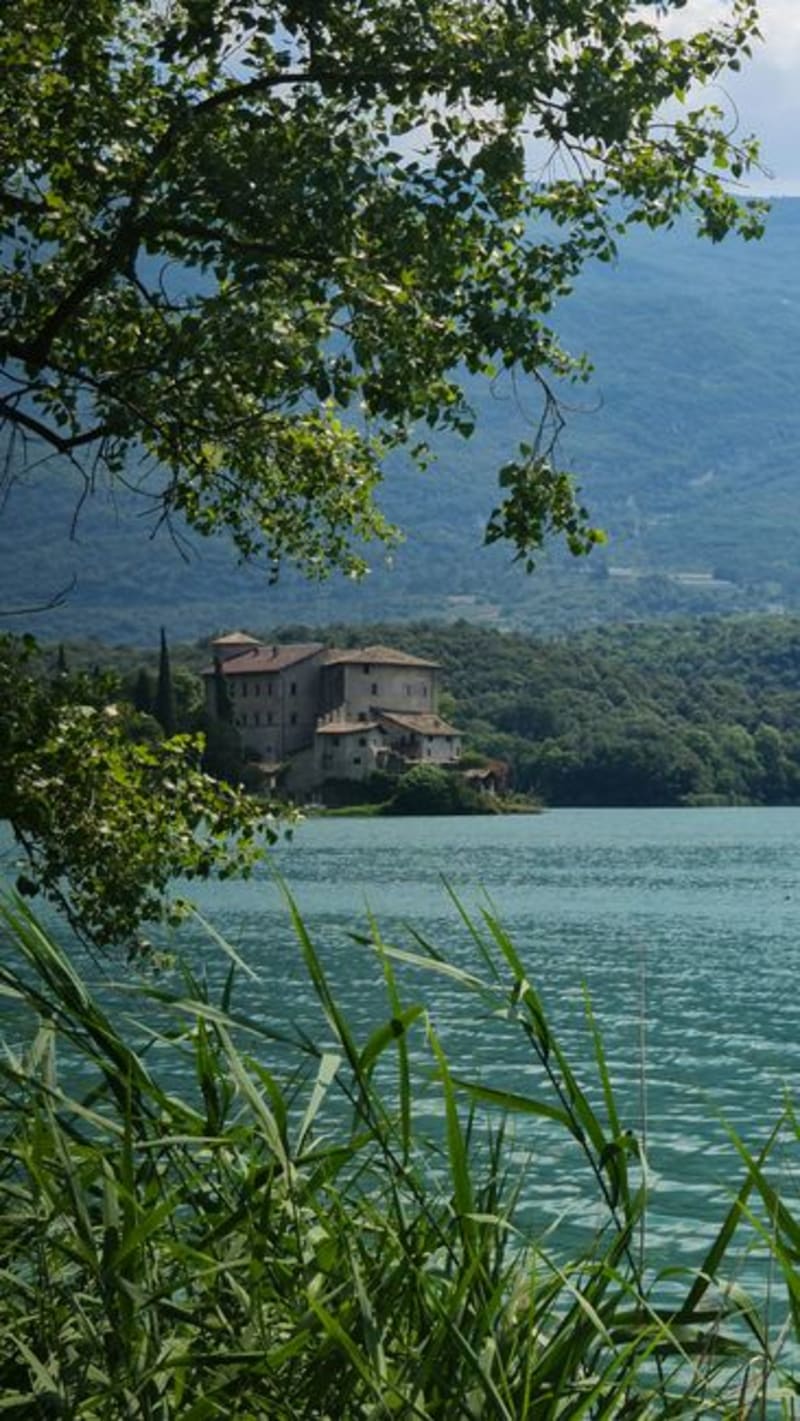 puglia
Lago di Varano
The largest lagoon in Puglia, a still brackish lake separated from the Adriatic by a strip of dune and pine forest, ringed by eel fisheries and mussel farms.
Explore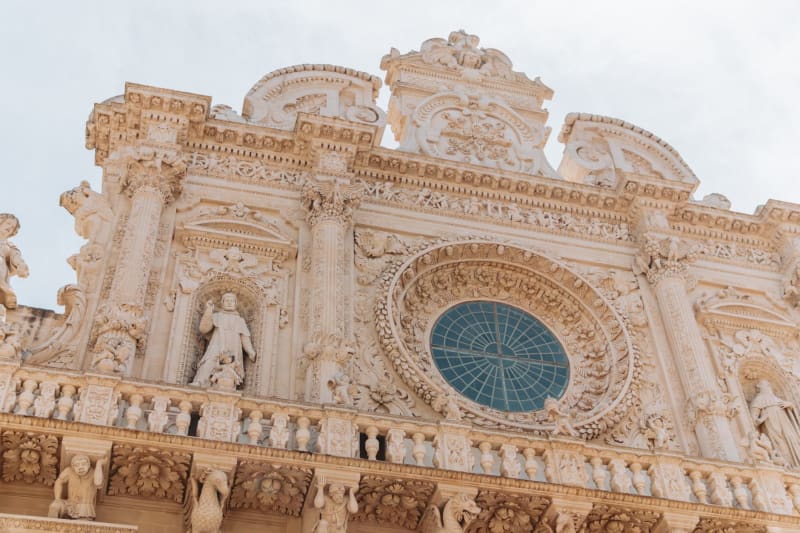 puglia
Lecce
A Baroque city so ornately carved in golden stone that standing in its piazzas feels like being inside a jewellery box.
Explore