
Bisceglie
"The fish auction in Bisceglie's old port runs faster than I can follow in Italian, and somehow everyone involved seems to know exactly what just happened."
A fishing port on the Adriatic known for a fierce fish market, an old harbour ringed by trabucchi-style structures, and almonds turned into the region's best confetti.

We got to Bisceglie’s harbour before six in the morning on a tip from a fisherman we had met the night before in Trani, who told us the real theatre of the town happens at dawn, not during the day. He was right. The boats come in loaded with the night’s catch — cuttlefish, red mullet, small sharks occasionally, the deep-water shrimp the Adriatic here is known for — and an auction starts almost immediately on the dock, buyers from restaurants and the fish market shouting numbers in a rhythm that moved too fast for either of us to follow, though the fishermen seemed to track every bid without visible effort.
Bisceglie’s old town wraps around this working harbour in a way that has resisted the more decorative renovation some of the coast further south has undergone. The Cattedrale di San Pietro anchors the historic centre, a Romanesque building with a facade plainer than Trani’s or Bitonto’s but with its own severe dignity, and the streets around it are still lived in rather than curated — laundry across balconies, small grocers, a fish restaurant with handwritten menus that changes daily depending on what came off the boats that morning.

The town’s other specialty surprised us: confetti, the sugared almonds used across Italy for weddings and baptisms, are made here by a handful of historic producers using a slow-roasting method for the almonds that a shop owner told us takes noticeably longer than the industrial version sold elsewhere, resulting in a deeper, toastier flavour under the hard sugar shell. We bought a small bag meant as a gift for Lia’s mother and ate half of it before leaving town, which felt like a betrayal we were both willing to live with.

Lunch was orecchiette with the small deep-water shrimp bought straight off the boat that morning, barely cooked, sweet in a way that the frozen version never manages, eaten at a table close enough to the harbour that we could still see the boats being hosed down and readied for the next day’s run. Bisceglie does not sell itself as a beach town or a wine town or an oil town — it is a fishing town first, and everything else follows from that single fact.
When to go: Any season for the harbour and fish market, though early morning is essential regardless of when you visit — the real activity is over well before most tourists are awake. Summer adds swimming at the small rocky coves nearby.
Keep exploring
More from Puglia
 puglia
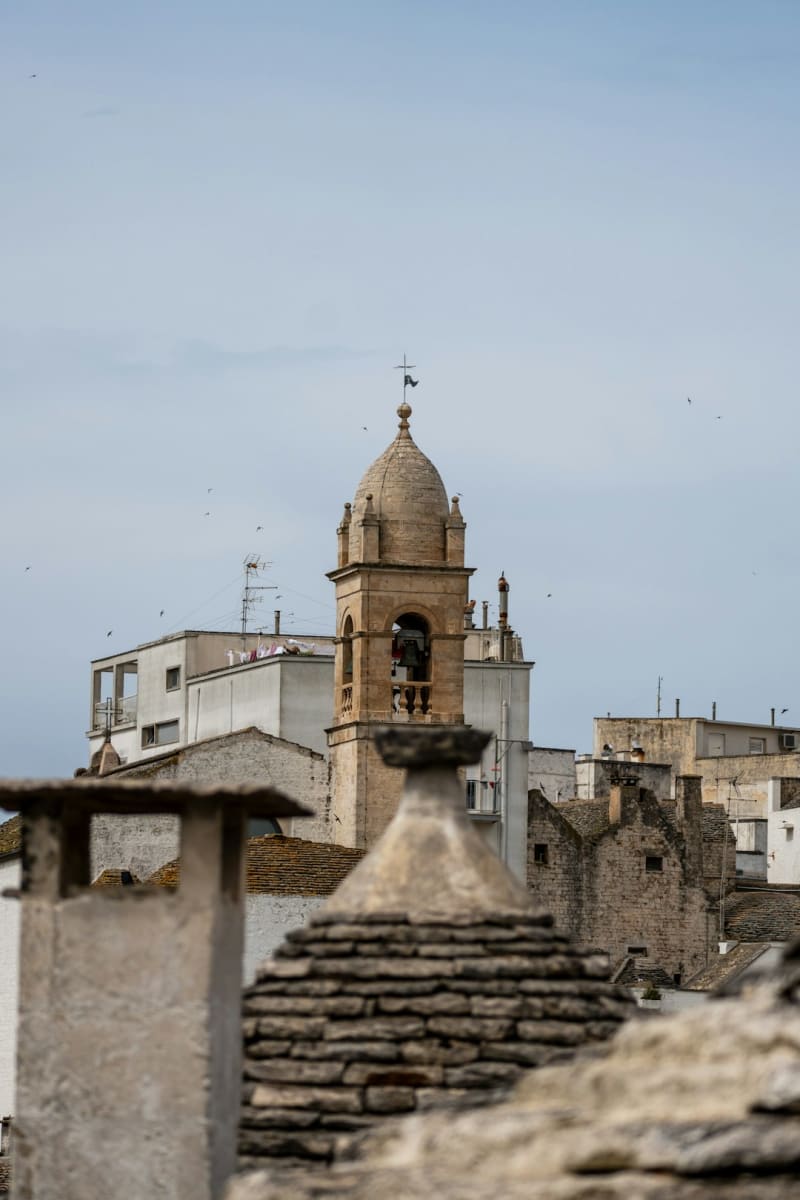
Bitonto
The 'city of olives,' where a Romanesque cathedral almost identical to Bari's stands with none of the crowds, surrounded by some of the densest olive groves in Italy.
Explore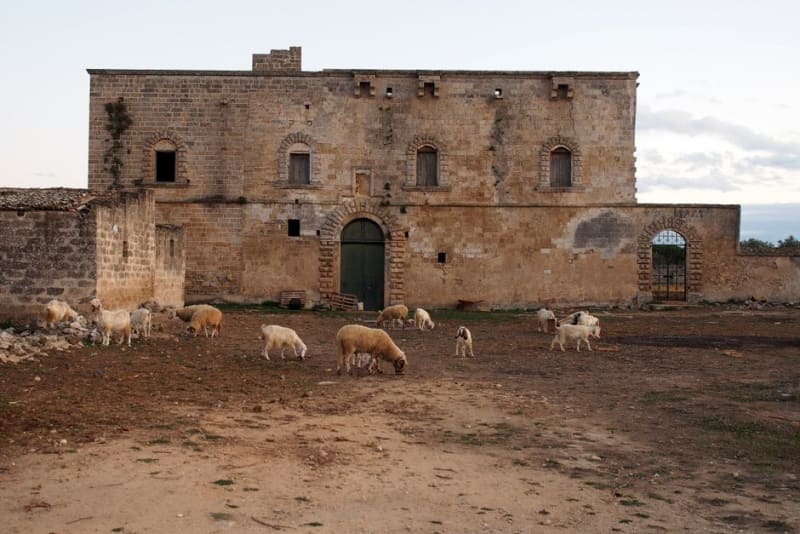 puglia
Bovino
A medieval hill town clinging to the Apennine foothills at the edge of the Tavoliere, its Norman-Swabian castle and truffle-scented woods a world away from the flat wheat country below.
Explore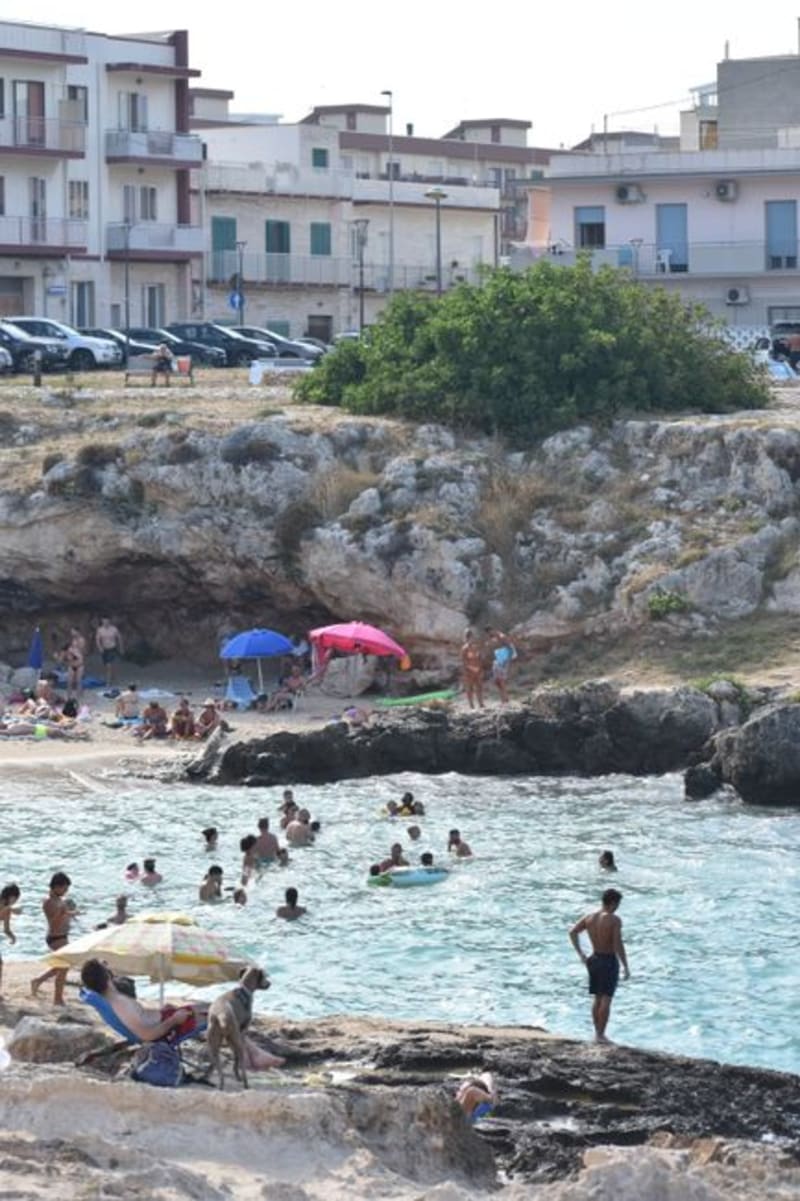 puglia
Campomarino
A low-rise Ionian beach town near Maruggio built almost entirely around summer, with pine-backed sand and a laid-back crowd that skews heavily local.
Explore puglia
Casamassima
A small town outside Bari painted almost entirely blue — the Borgo Blu — for reasons nobody can fully agree on, and one of the strangest, most photogenic surprises in the region.
Explore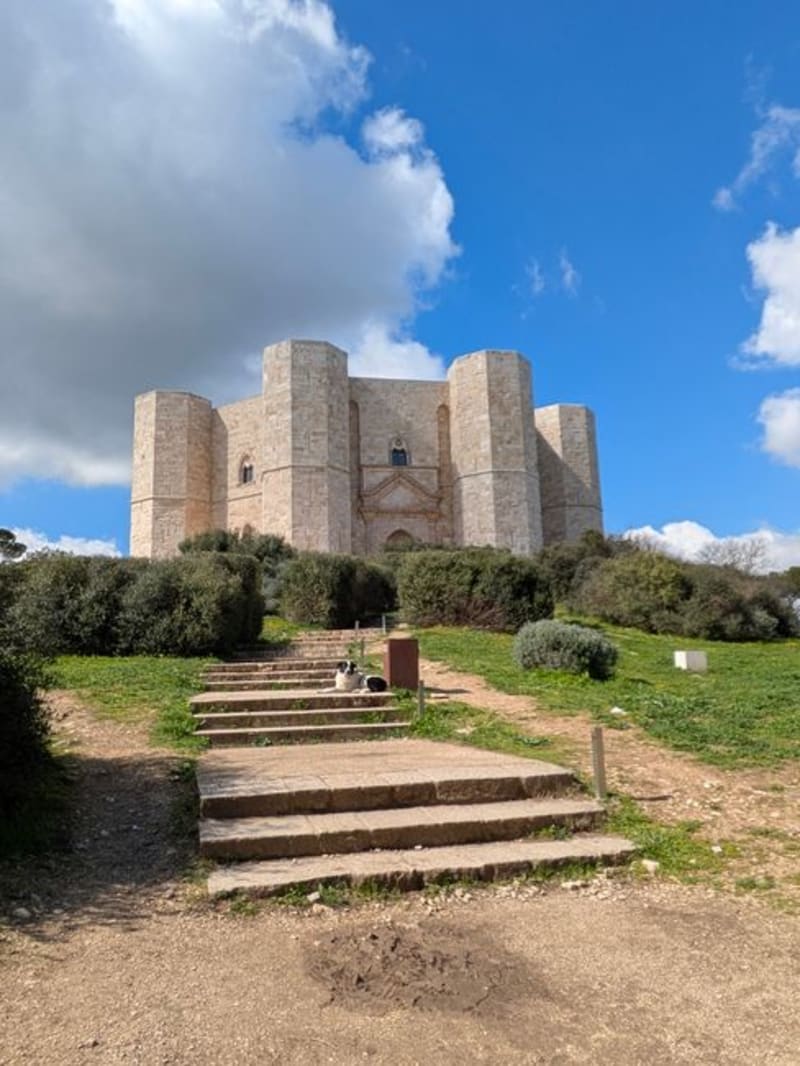 puglia
Castel del Monte
Frederick II's octagonal riddle of a castle, alone on a hilltop in the Murge with no moat, no defensive purpose anyone can quite agree on, and a geometry that still unsettles mathematicians.
Explore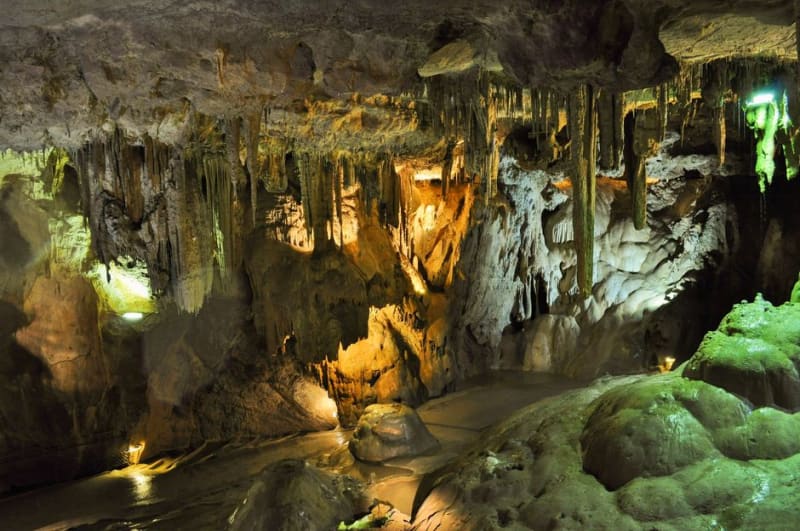 puglia
Grotte di Castellana
Italy's largest show cave system, ninety metres underground, where a passage called the Grave opens into a cavern big enough to make you whisper without meaning to.
Explore