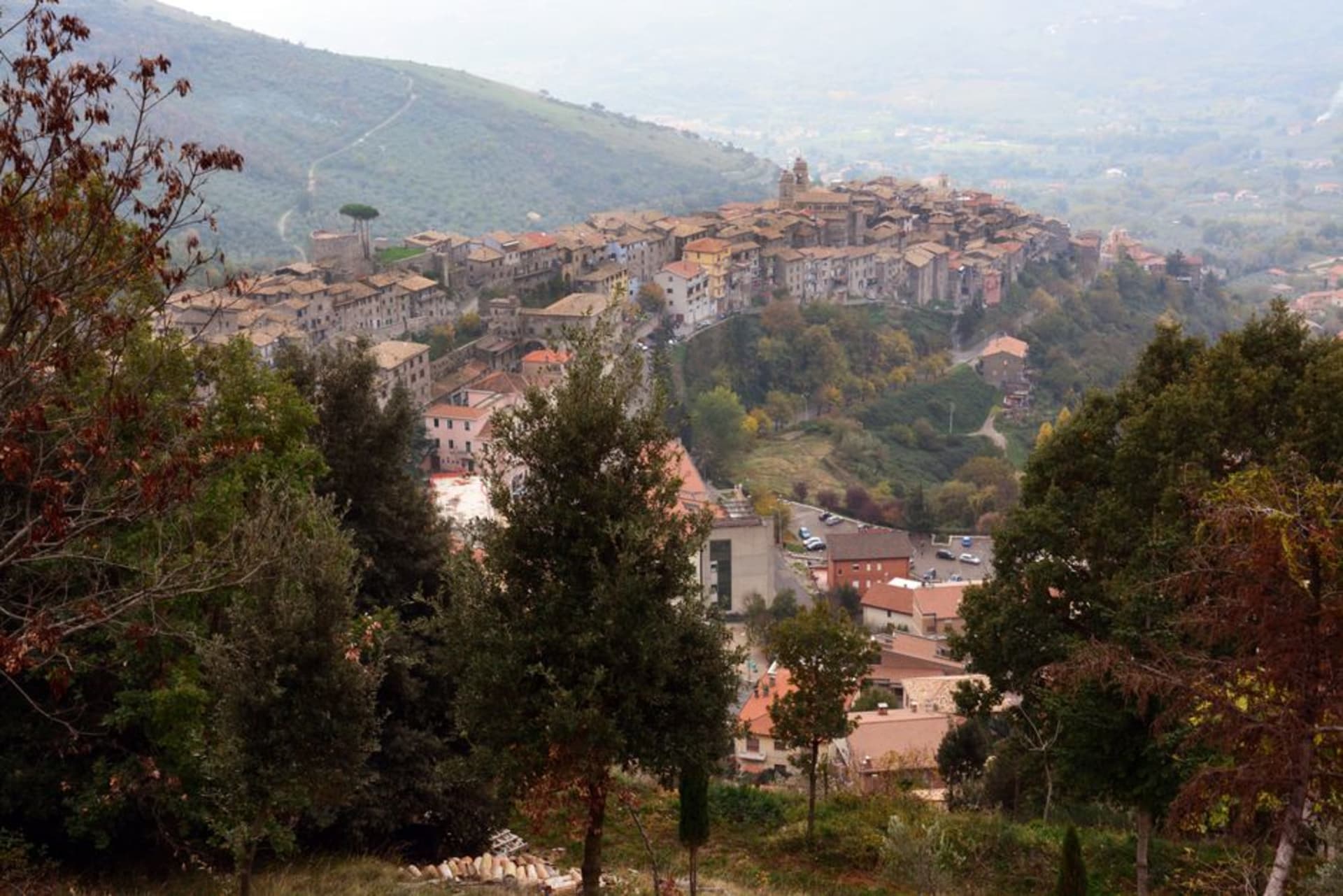
Savelletri
"Savelletri is proof that a village can be tiny and still be the best meal of the entire trip."
A small Adriatic fishing village near Fasano surrounded by ancient olive groves and luxury masserie, with some of the best seafood on this coast served a few steps from the boats that caught it.

Lia had read about a restaurant near Savelletri that supposedly served the freshest raw seafood in Puglia, and she is rarely wrong about these things, so we drove out from Fasano one evening with modest expectations and a full tank of patience for finding parking in a village we’d never heard of. Savelletri turned out to be barely more than a harbour, a short curve of promenade, and a handful of streets — and also home to some of the most serious seafood restaurants on the entire Adriatic coast of Puglia.
The village sits between Fasano and Monopoli, its economy built almost entirely around its small fishing fleet and the restaurants that depend on it. Crudo — raw seafood, the Italian answer to Japanese sashimi culture but built on local red prawns, oysters, sea urchin, and razor clams — is the specialty here, served with nothing more than a squeeze of lemon and good olive oil, because the fish is good enough that anything else would be an insult to it. We ordered too much and ate all of it, sitting at a table close enough to the harbour to watch the boats that had presumably supplied our dinner still tied up at the dock.
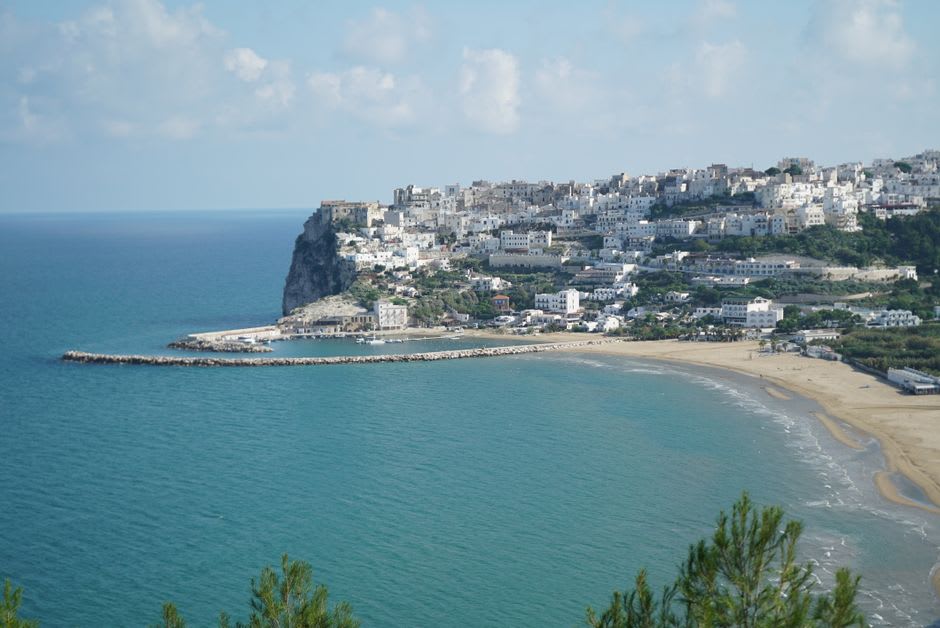
Inland from the village, within a few minutes’ drive, sit some of Puglia’s most photographed archaeological and hospitality sites: the Egnazia archaeological park, ruins of a Messapian and then Roman port city, its stones scattered along the coast just north of the village; and several of the region’s most expensive masserie, historic fortified farmhouses converted into five-star retreats set among centuries-old olive groves. You don’t need to stay at one to appreciate the landscape — driving the back roads around Savelletri at golden hour, past gnarled ancient olive trunks and dry-stone walls, is free and arguably just as good.
The harbour itself is unglamorous in the best way — working boats, nets drying on racks, a small beach nearby good for an afternoon swim before the evening’s serious business of dinner. We stayed for the sunset, the light going orange over the water and the boats, and left agreeing that Savelletri, for all its lack of monuments, had delivered one of the single best meals of the whole Puglia trip.
When to go: Year-round for the seafood restaurants, though outdoor harbourside seating is best from late spring through early autumn. Book ahead in summer — the top crudo restaurants here have a reputation that draws diners from well beyond Fasano.
Keep exploring
More from Puglia
 puglia
 Specchia
One of Italy's officially designated 'most beautiful villages,' a hilltop borgo in the deep Salento built almost entirely from pale local stone.
Explore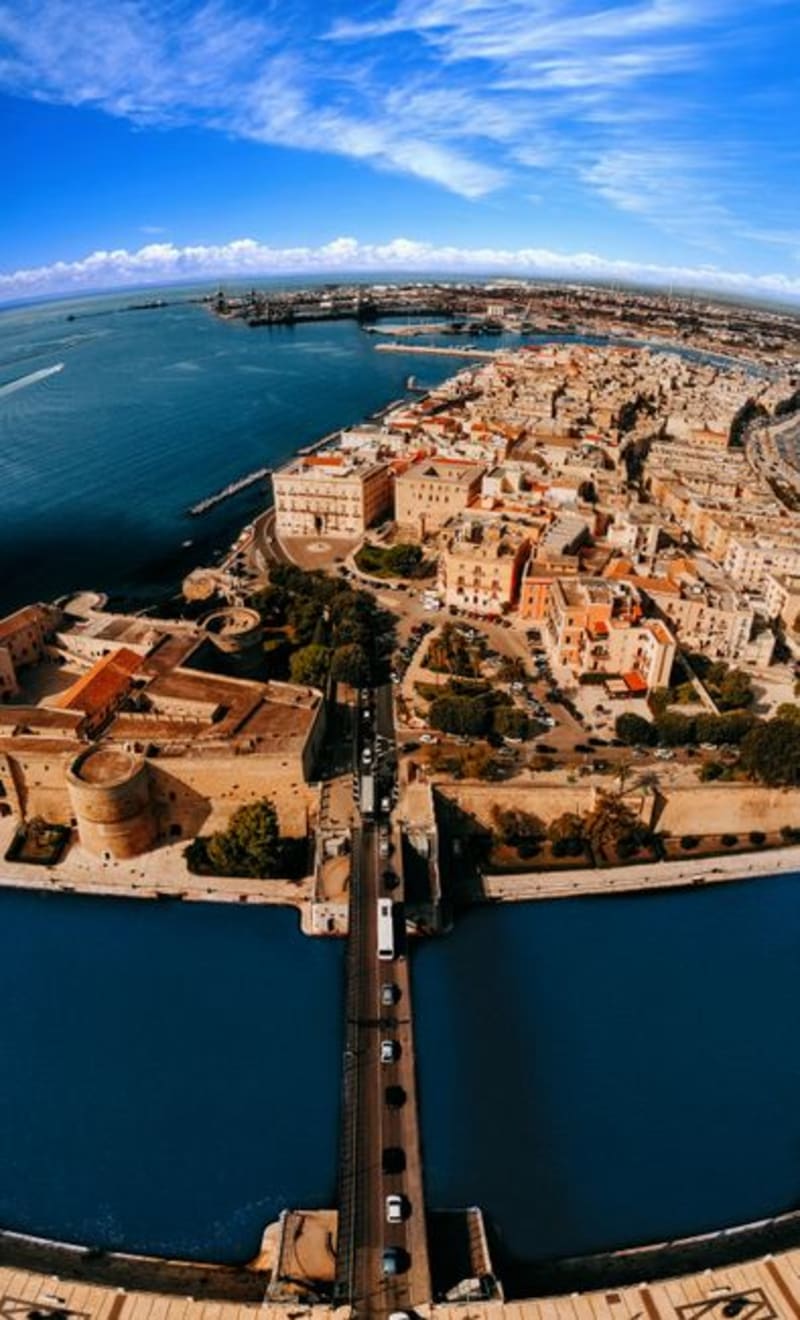 puglia
 Taranto
The city of two seas, where mussel farms fill an inland saltwater lagoon and a Spartan colony's old town sits crumbling and gorgeous on its own island.
Explore puglia
 Torre dell'Orso
An Adriatic cove famous for its twin sea stacks known as the Two Sisters, backed by an Aragonese watchtower and a pine-shaded beach.
Explore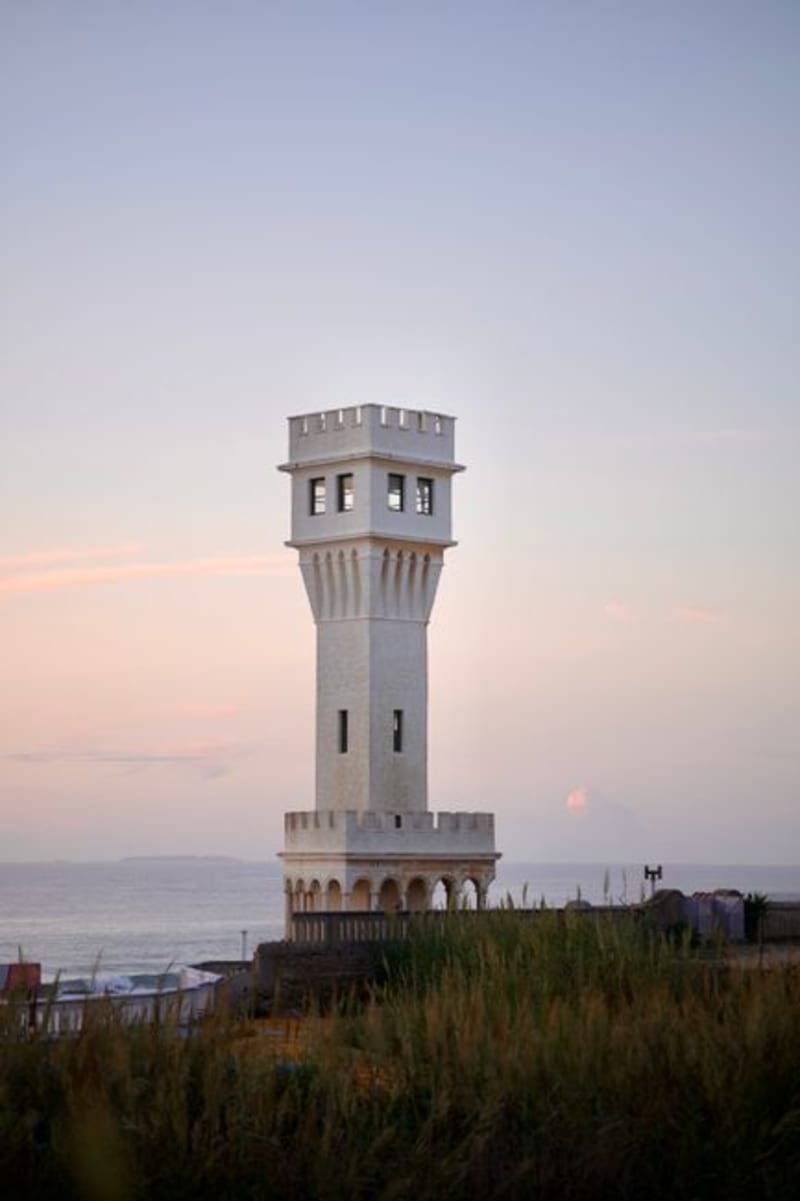 puglia
 Torre Guaceto
A protected coastline of dune, macchia, and clear shallow water between Brindisi and Ostuni — one of the few stretches of Puglia's Adriatic that development never reached.
Explore puglia
 Torre San Giovanni
A low-key Ionian beach town near Ugento, marked by its sixteenth-century watchtower and lighthouse, and by some of the calmest, most swimmable water in southern Salento.
Explore puglia
 Torremaggiore
A Tavoliere farm town built around the ruins of Fiorentino, the vanished imperial city where Frederick II died — a ghost settlement now marked only by a single standing arch in an empty field.
Explore