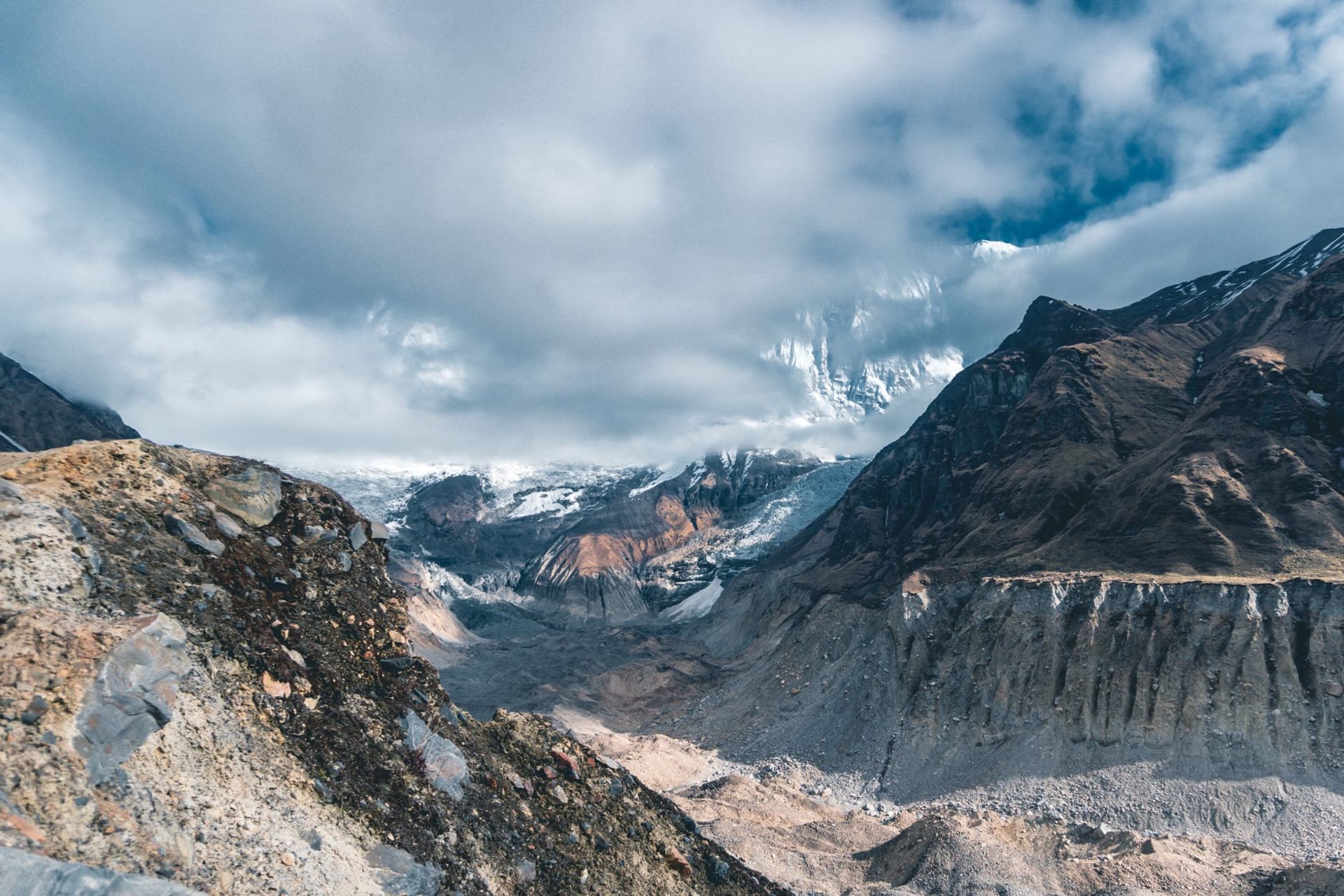
Asia
Nepal
"Nothing I had ever read about the Himalayas prepared me for the scale."
A country where the mountains are so overwhelmingly large that everything else — the noise, the grit, the altitude sickness — becomes beside the point.

I arrived in Kathmandu at night, which is the wrong way to do it. You smell the city before you see it — diesel, incense, frying oil, something sweet and unidentifiable drifting from a doorway. The taxi driver took calls the entire ride, weaving through streets so narrow that motorbikes and sacred cows occupied the same lane with equal indifference. By the time I reached Thamel I was disoriented, half-deaf from the horns, and certain I had made some kind of mistake. Then the next morning I walked to Boudhanath, the great Buddhist stupa on the eastern edge of the city, and watched monks circle the dome at sunrise with prayer wheels spinning in their hands, and I understood that Nepal requires this adjustment period. The chaos is not incidental — it is part of the texture.
The trekking routes are what most people come for, and they are genuinely extraordinary. I did the Annapurna Circuit before the road ruined the lower sections, and I remember the moment the landscape shifted somewhere above Manang: the air thinning, the valley walls closing in, the trail reduced to a thread of stones against a sky so blue it looked artificial. In the teahouses at altitude you eat dal bhat twice a day — a plate of rice, lentil soup, vegetable curry, pickled vegetables — and it is one of the best things I have ever eaten regularly. Simple, restorative, calibrated perfectly to what the body needs at 4,000 meters. I thought about dal bhat for months afterward.
What people underestimate is how much Nepal rewards the days between the big trekking goals. Bhaktapur, the medieval city in the Kathmandu Valley that resisted overdevelopment, has a Durbar Square that feels genuinely lived-in rather than preserved. Pokhara, often dismissed as a gateway city, has a lake with the Annapurna range reflected in it on clear mornings — a view so improbably beautiful that it looks like a painting made by someone who had never learned restraint. And the monasteries in the upper Mustang region, where Tibetan Buddhist culture survived intact because the borders stayed closed until 1992, feel like a window into a civilization that has not been managed for tourists.
When to go: October and November are the sweet spot — clear skies, cool temperatures, trails crowded but not unbearable. March and April work well for lower-altitude routes and rhododendron forests in full bloom. Avoid the monsoon months of June through August if you want mountain views; the clouds settle in and stay. December through February is cold but stunning for those who don’t mind the chill — you’ll have many trails nearly to yourself.
What most guides get wrong: They treat Nepal as a destination for extreme athletes and budget backpackers only. The Kathmandu Valley alone — Kathmandu, Patan, Bhaktapur — could occupy a thoughtful week without a single uphill step. The medieval temple architecture, the living goddess tradition of the Kumari, the Newari cuisine (far more complex than the dal bhat on the trail) are reasons to come entirely apart from the mountains. Nepal is not one thing. Most first-time visitors only see a fraction of it.
Explore
Places in Nepal
 nepal
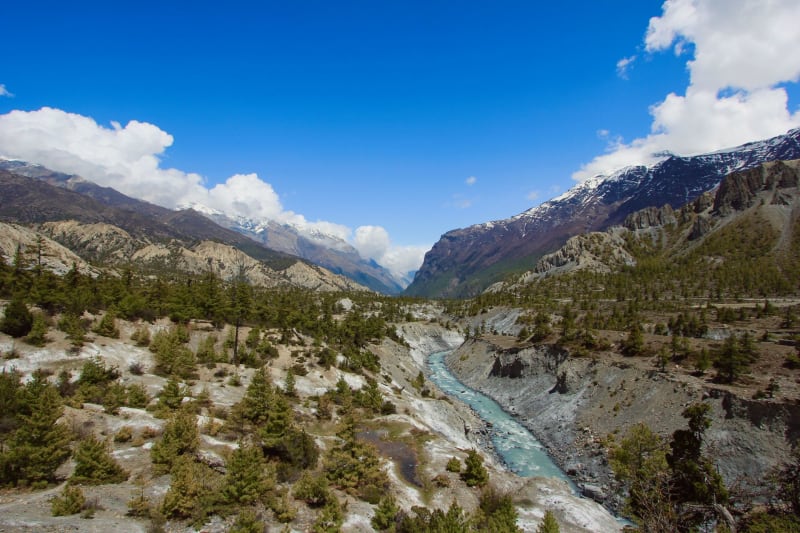
nepal Annapurna Circuit
The great circumnavigation of the Annapurna massif passes through subtropical gorges, high desert villages, and over a 5,416-meter pass that still makes your heart work for every step.
Explore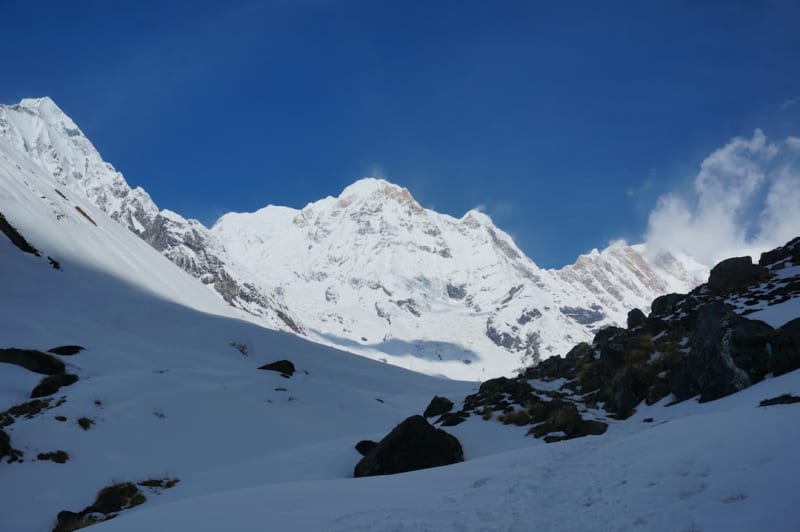 nepal
nepal Annapurna Base Camp
A natural amphitheater of ice at 4,130 meters, ringed entirely by 7,000- and 8,000-meter peaks, reached without a single high mountain pass or technical section.
Explore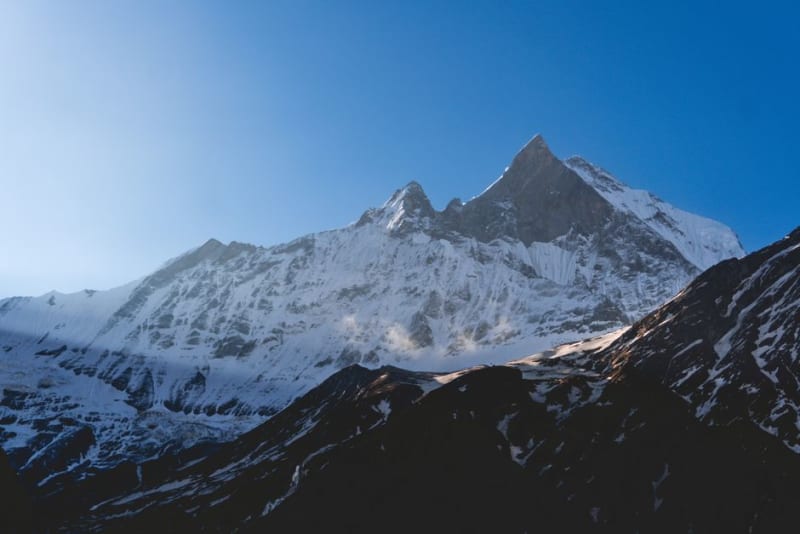 nepal
nepal Australian Camp
A gentle two-day taster trek from Pokhara that delivers a full Annapurna panorama without a single technical step.
Explore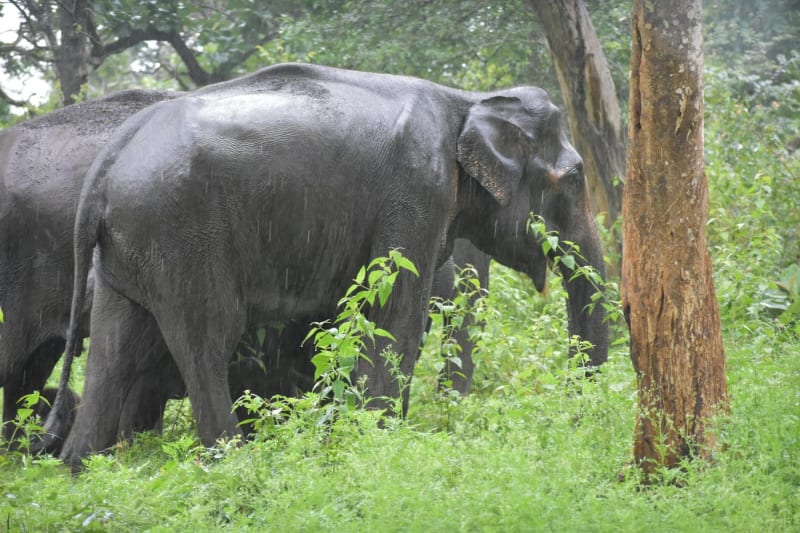 nepal
nepal Bandipur
A car-free Newari hilltop village suspended between Kathmandu and Pokhara, forgotten and perfect.
Explore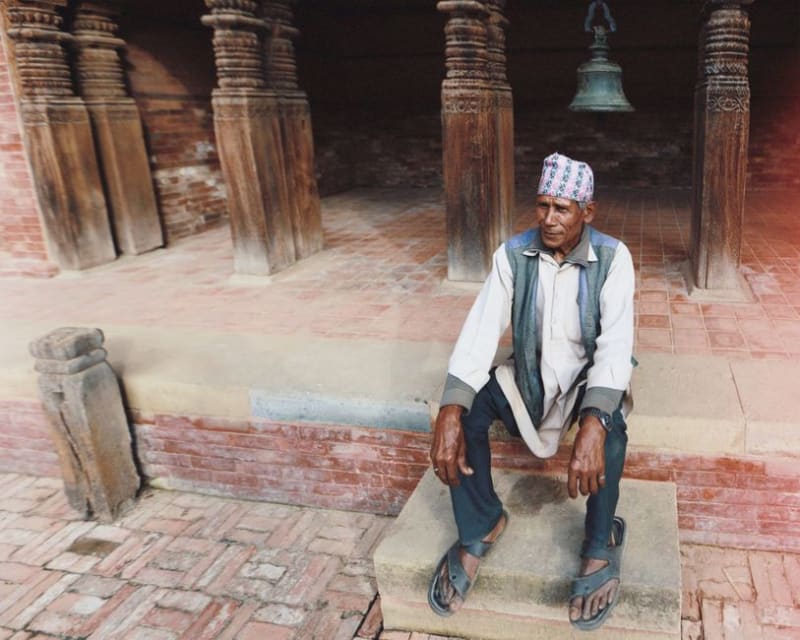 nepal
nepal Barahakshetra
A sacred river confluence near Dharan where the Koshi meets its tributaries, marked by an ancient temple and a stream of quiet daily pilgrimage.
Explore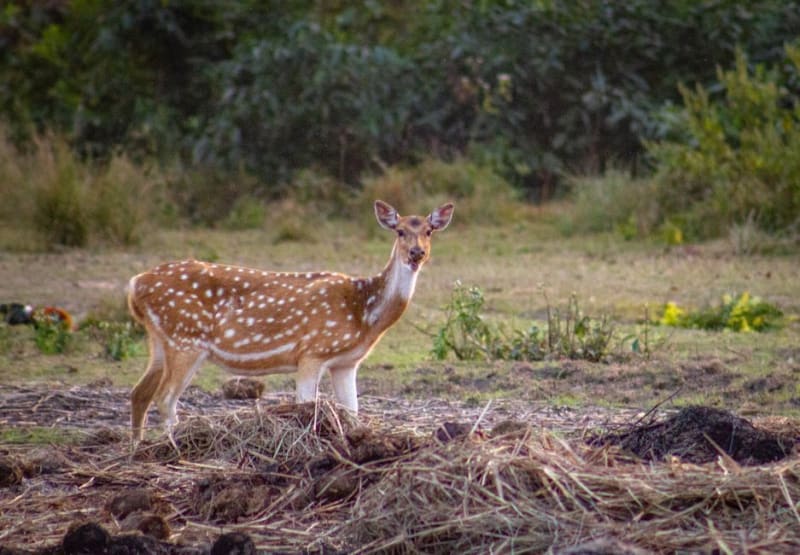 nepal
nepal Bardia National Park
Nepal's wildest and least visited tiger reserve, a stretch of sal forest and river grassland in the far southwest where you can walk for hours without meeting another traveler.
Explore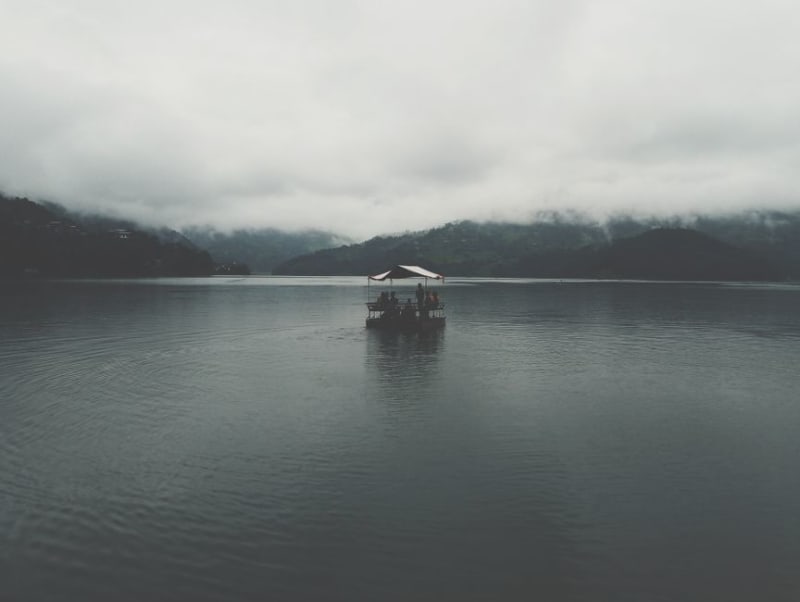 nepal
nepal Begnas Lake
Pokhara's quieter second lake, ringed by forested hills and almost entirely free of the Lakeside crowds.
Explore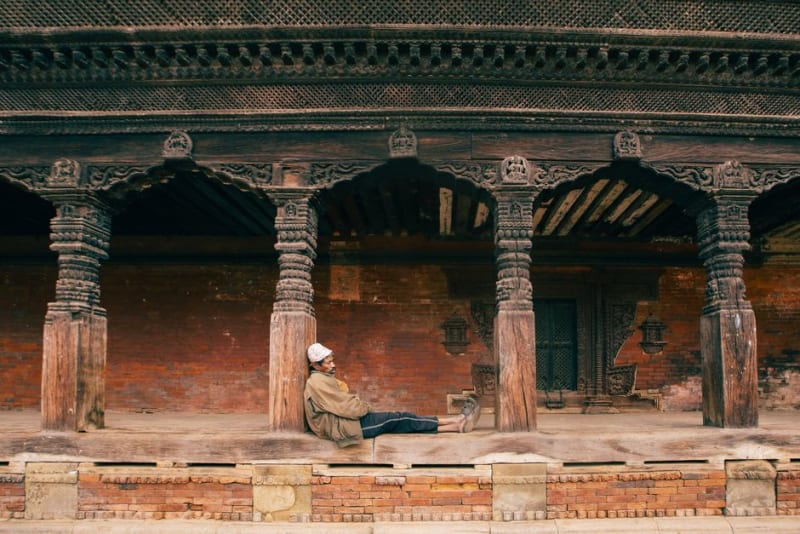 nepal
nepal Bhaktapur
The medieval Newari city that survived intact when Kathmandu didn't, all red brick, carved wood, and pottery drying in the sun.
Explore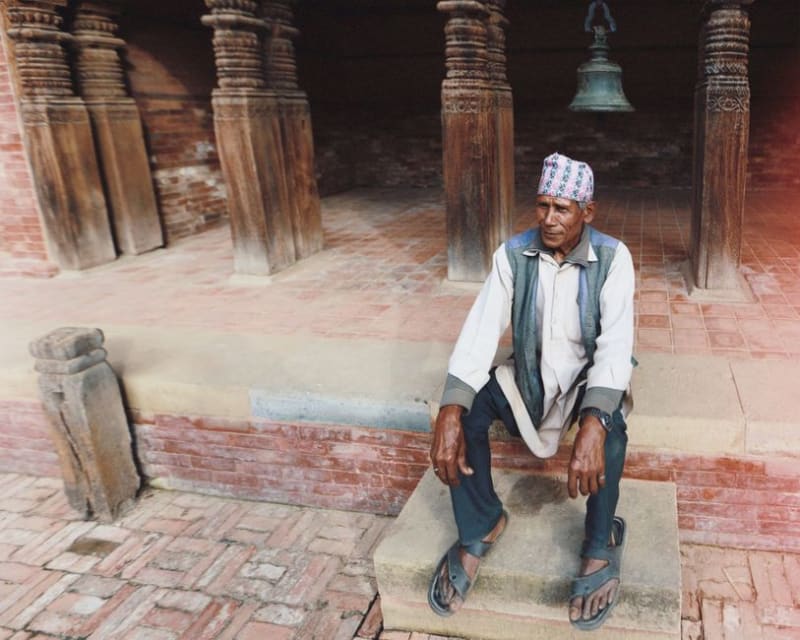 nepal
nepal Bhojpur
A remote hilltop bazaar famous for hand-forged khukuri blades, reached only on foot or by a single short mountain flight.
Explore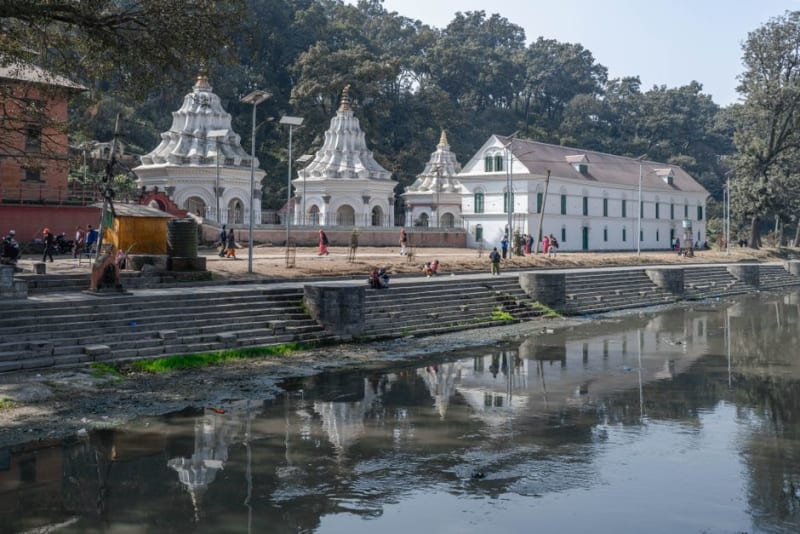 nepal
nepal Bindhyabasini Temple
Pokhara's oldest temple, a working Hindu shrine in the old bazaar where the city's actual daily life unfolds.
Explore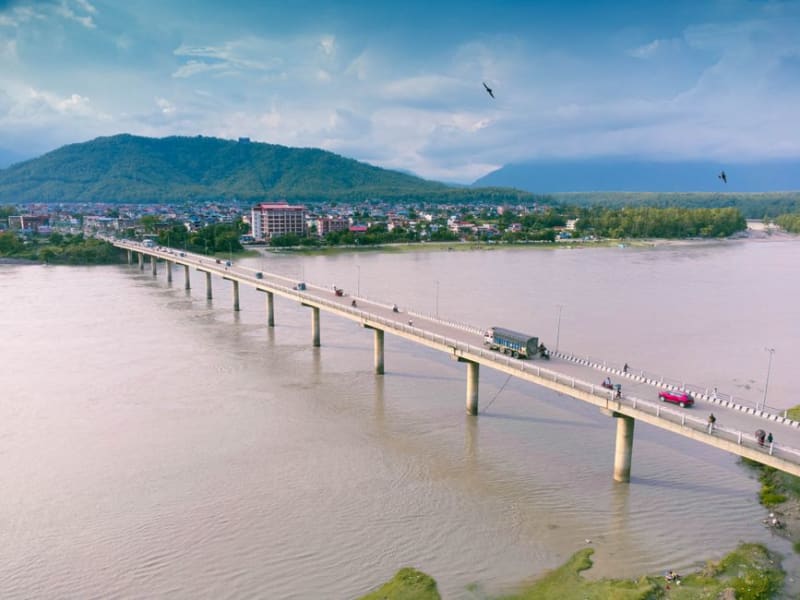 nepal
nepal Biratnagar
Nepal's industrial second city and eastern gateway, a hot, unglamorous, genuinely working town that revealed a side of the country the tourist trail skips entirely.
Explore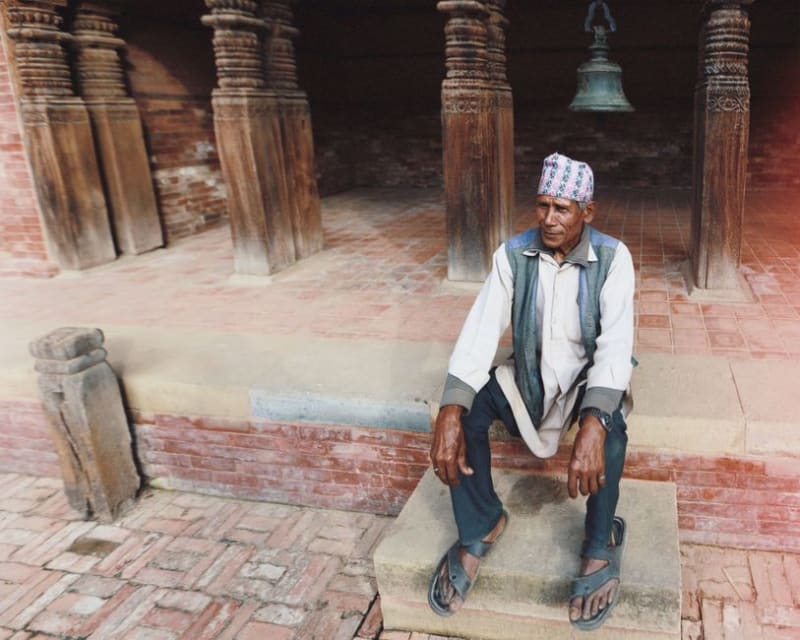 nepal
nepal Birgunj
Nepal's busiest border crossing city, a hot, transactional, endlessly fascinating gateway town where nearly all overland trade with India funnels through one road.
Explore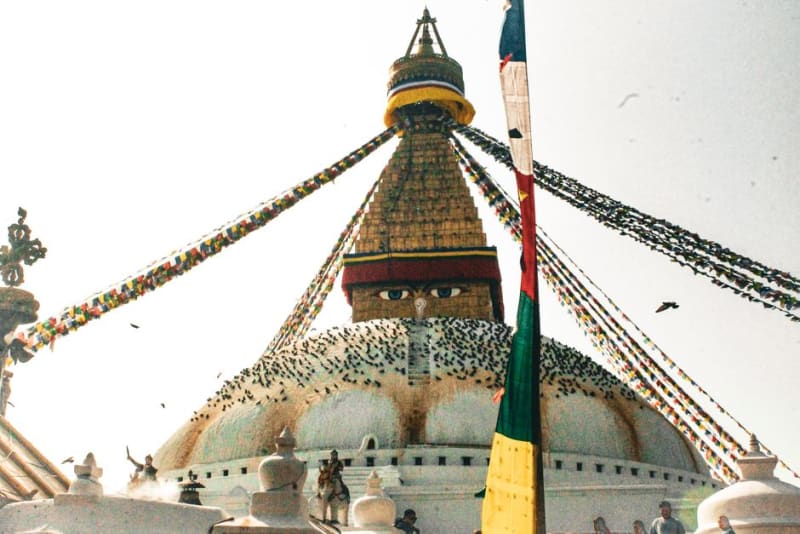 nepal
nepal Boudhanath
The largest Buddhist stupa in Nepal, its painted eyes watching over a neighborhood of monasteries, maroon robes, and butter tea.
Explore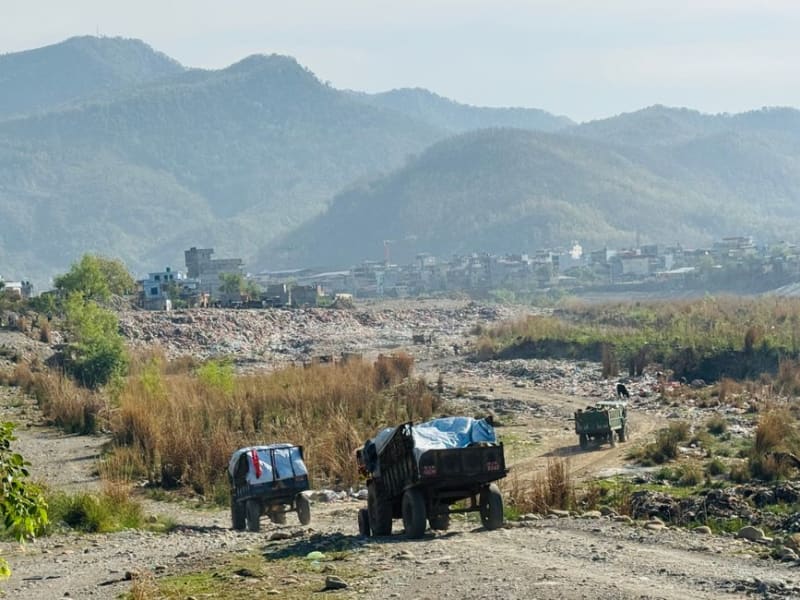 nepal
nepal Butwal
A fast-growing crossroads city where the Terai plains meet the first hills, and where the Tinau River carves a surprisingly scenic gorge right through downtown.
Explore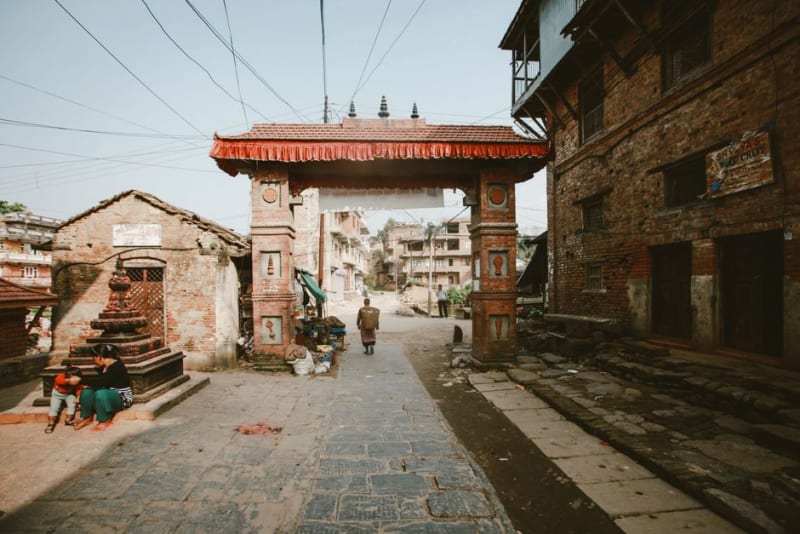 nepal
nepal Chainpur
A centuries-old Newari trading bazaar in the eastern hills, famous for hand-beaten brass and copper craft and an architecture nobody restored for tourists.
Explore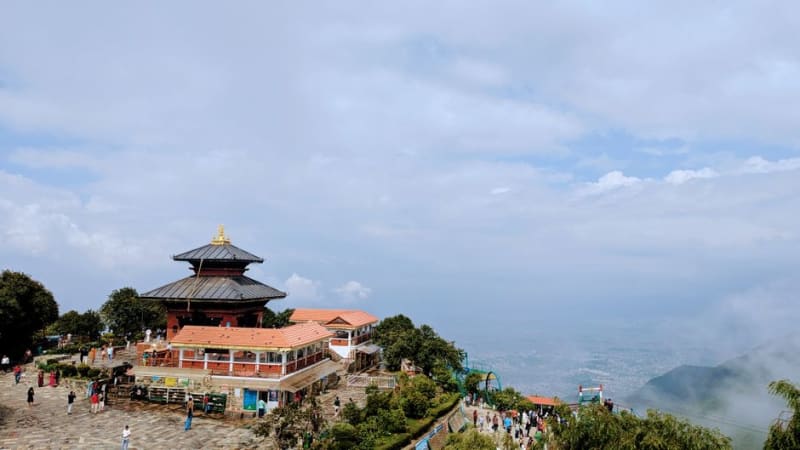 nepal
nepal Chandragiri Hills
A cable car ride out of Kathmandu's traffic to a ridge with a temple, a Himalayan panorama, and shockingly clean air.
ExploreAll areas in Nepal
- Changu Narayan
- Chautara
- Chhomrong
- Chhoser Cave
- Chhusang
- Chisapani
- Chitwan
- Chukhung
- Dadeldhura
- Daman
- Dang Valley
- Darchula
- Davis Falls
- Devghat
- Dhakmar
- Dhangadhi
- Dharan
- Dhorpatan Hunting Reserve
- Dhulikhel
- Dingboche
- Everest Base Camp Trail
- Ghale Gaun
- Ghami
- Ghandruk
- Ghar Gompa
- Ghodaghodi Lake
- Gokyo Lakes
- Gorkha
- Gosaikunda Lake
- Gupteshwor Cave
- Halesi Mahadev
- Halesi Mahadev
- Ilam
- International Mountain Museum
- Janakpur
- Jomsom
- Jumla
- Kagbeni
- Kakani
- Kala Patthar
- Kanchenjunga Base Camp
- Kathmandu
- Khaptad National Park
- Khumjung
- Kirtipur
- Koshi Tappu Wildlife Reserve
- Langtang Valley
- Lukla
- Lumbini
- Luri Gompa
- Mahendra Cave
- Makalu Base Camp
- Manakamana
- Marpha
- Melamchi
- Muktinath
- Mustang
- Nagarkot
- Namche Bazaar
- Namobuddha
- Nar Phu Valley
- Nepalgunj
- Panauti
- Parsa National Park
- Pashupatinath
- Patan
- Pathibhara Devi Temple
- Phakding
- Pokhara
- Poon Hill
- Rara Lake
- Ridi Bazaar
- Rupa Lake
- Sarangkot
- Seti Gorge
- Shey Phoksundo Lake
- Sikles
- Simikot
- Sindhuligadhi
- Sing Gompa
- Suklaphanta National Park
- Surkhet
- Swayambhunath
- Syabrubesi
- Tansen
- Taplejung
- Tarkeghyang
- Tatopani
- Tengboche
- Thame
- Thimi
- Thulo Syabru
- Tilicho Lake
- Tsarang