Sikles
"I asked three separate trekking agencies in Pokhara about Sikles and got three blank looks. That's usually a good sign."
One of the largest Gurung settlements in Nepal, tucked into the Annapurna Conservation Area on a trail almost nobody outside serious trekking circles has heard of.

Sikles doesn’t come up in conversations about the Annapurna region the way Ghandruk or Ghorepani do, and I’m still not entirely sure why, since it’s one of the largest and best-preserved Gurung villages in the country — several hundred households on a wide, terraced hillside inside the Annapurna Conservation Area, with a direct view of Annapurna II and Lamjung Himal that rivals anything on the more crowded routes. It sits on its own dedicated trekking loop rather than as a stop on the main circuit or the ABC trail, which seems to be the main reason it stays quiet: it requires a separate, deliberate trip rather than a detour off an already-planned itinerary.
A village, not a stop
What struck me first about Sikles was scale — it’s genuinely large as trekking villages go, spread across a hillside in a way that takes a real walk to cross end to end, with a school, a health post, and a working economy that isn’t primarily built around trekkers passing through. The Annapurna Conservation Area Project has run community-based tourism initiatives here for decades, and the result is a village that has adapted to visitors without being reshaped by them.

The trail in and the view out
The walk to Sikles from the trailhead near Kalikasthan climbs through dense forest — oak, rhododendron, langur monkeys moving through the canopy overhead on the morning we walked in — before opening onto the terraced hillside where the village sits. From the upper edge of Sikles, Annapurna II and Lamjung Himal dominate the skyline at an angle I hadn’t seen from anywhere else in the region, close enough to feel immediate without the crowds that gather at more famous viewpoints for the same peaks.

Lia and I ended up at a small tea shop run by a woman who’d spent years working in Kathmandu before returning to Sikles, and her account of choosing to come back — the quiet, the clean air, the pace of it — was more convincing than anything a guidebook could have written about why the village is worth the detour.
When to go: October and November give the clearest views of Annapurna II and Lamjung Himal. The forested approach trail is especially good in spring, March through April, when rhododendron is in bloom along the route.
Keep exploring
More from Nepal
 nepal
nepal Simikot
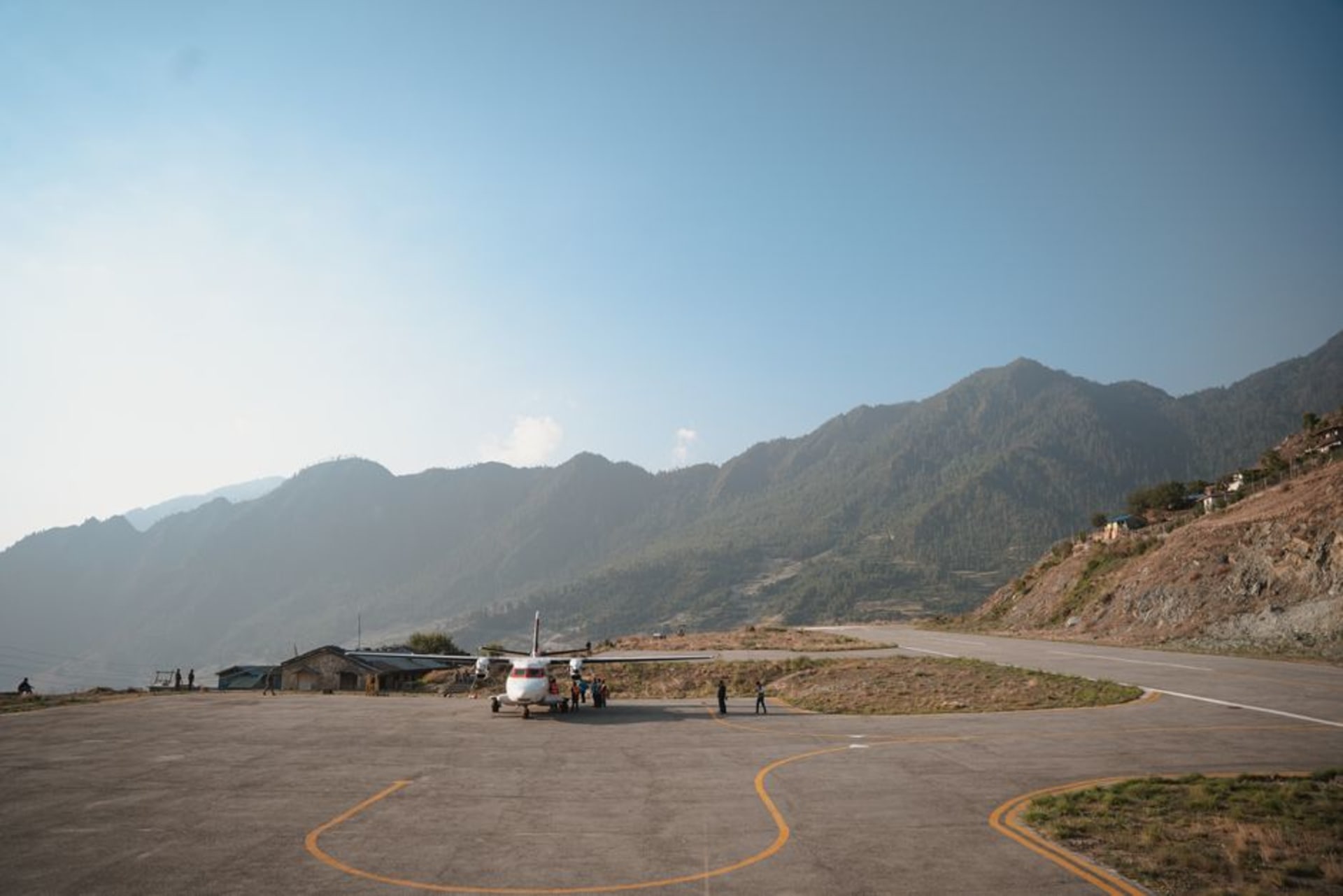
The roadless district capital of Humla, a cluster of stone-and-tin rooftops clinging to a ridge, and the last real outpost before the trail to Tibet.
Explore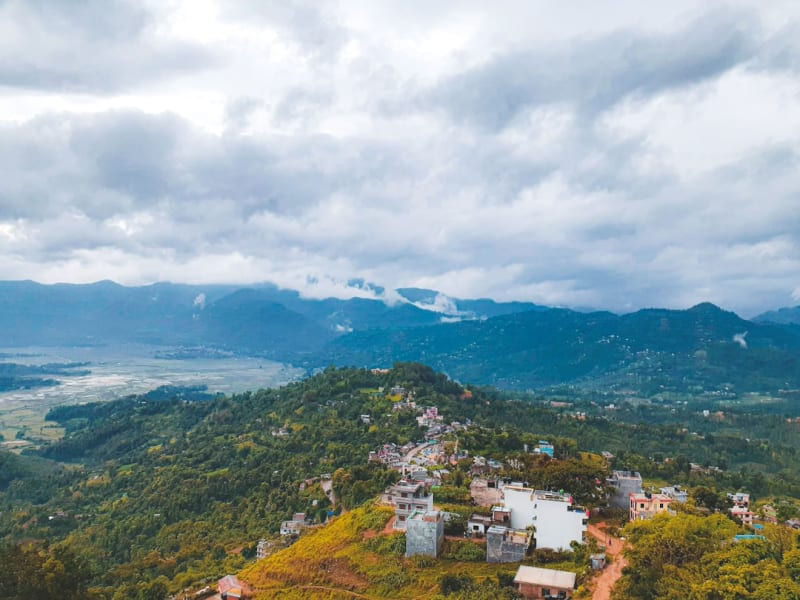 nepal
nepal Sindhuligadhi
A ruined hilltop fort on the old trade route between Kathmandu and the Terai, where a single 18th-century battle against the British East India Company is still remembered as a founding act of Nepali resistance.
Explore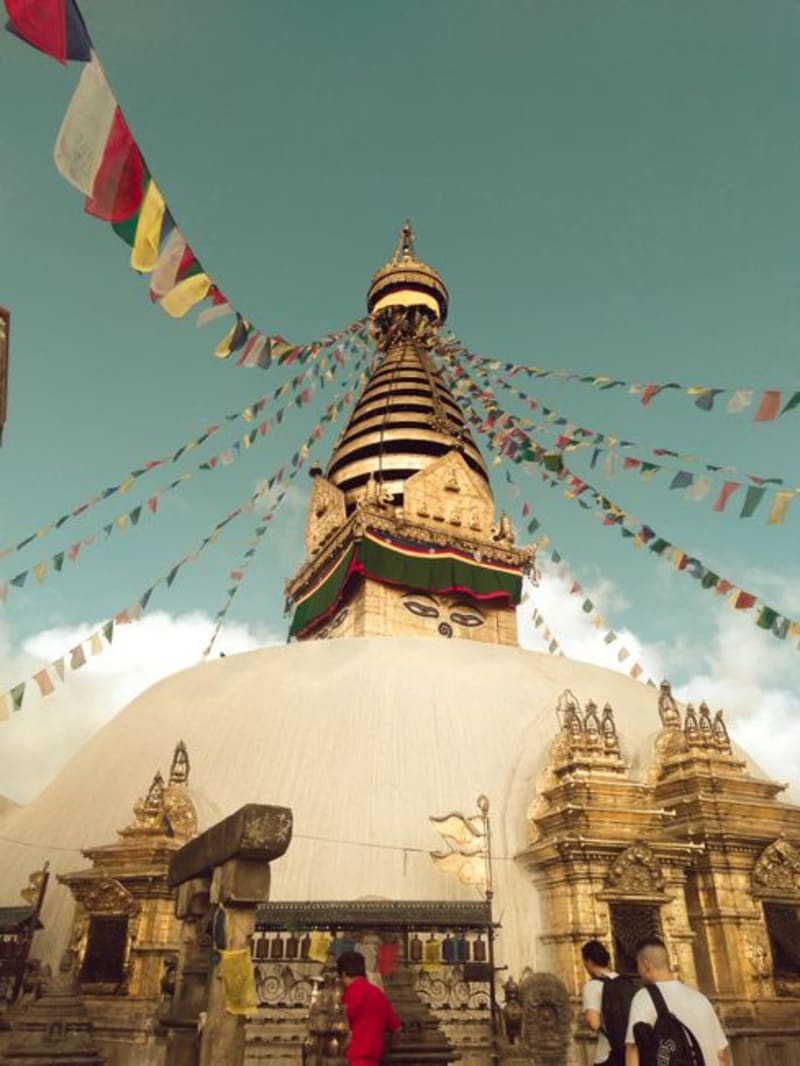 nepal
nepal Sing Gompa
A single-street cheese-making hamlet on the ridge between Langtang and Gosaikunda, where a Swiss-founded dairy has been turning yak milk into surprisingly good cheese since the 1980s.
Explore nepal
nepal Suklaphanta National Park
A far-western grassland reserve holding the world's largest population of swamp deer, wide open plains that feel more African savanna than Himalayan foothill.
Explore nepal
nepal Surkhet
The unglamorous mid-western hub valley that everyone passes through on the way to Humla or Jumla, and that turned out to be worth a day of its own.
Explore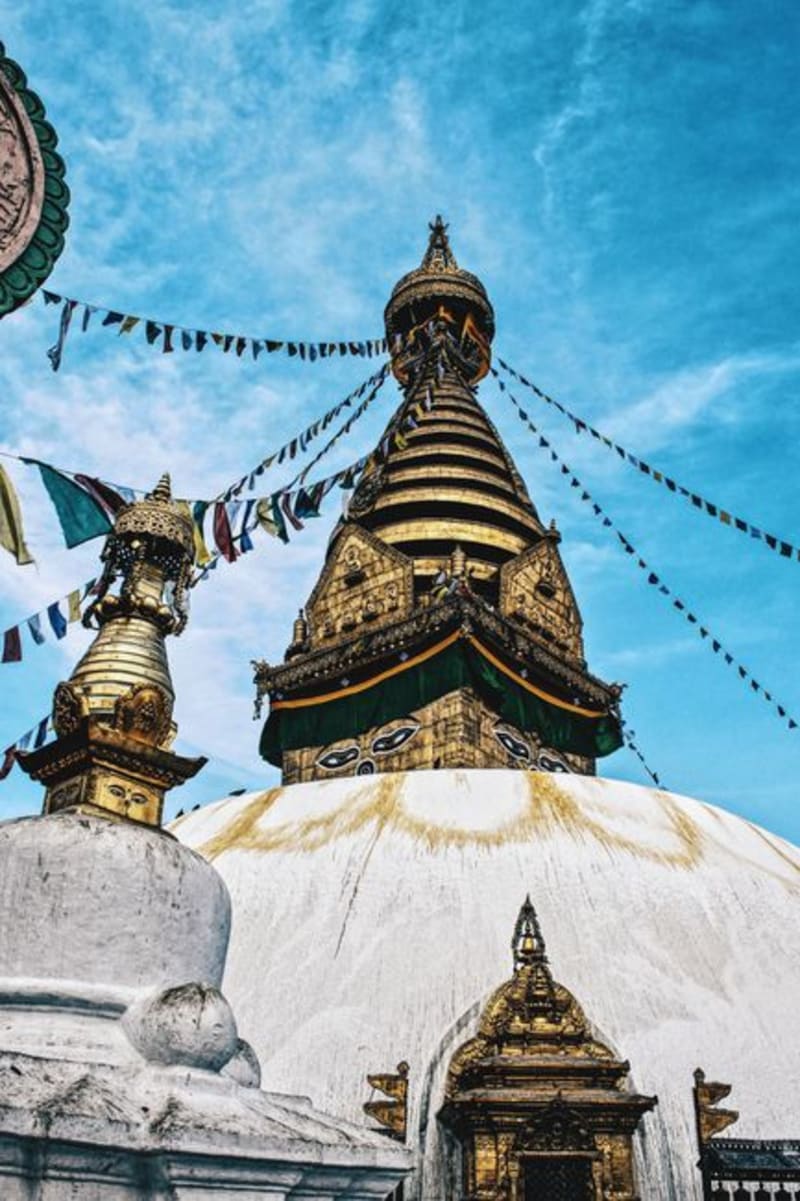 nepal
nepal Swayambhunath
The hilltop stupa Kathmandu calls the Monkey Temple, 365 steps up to a panorama shared with rhesus macaques and pilgrims.
Explore