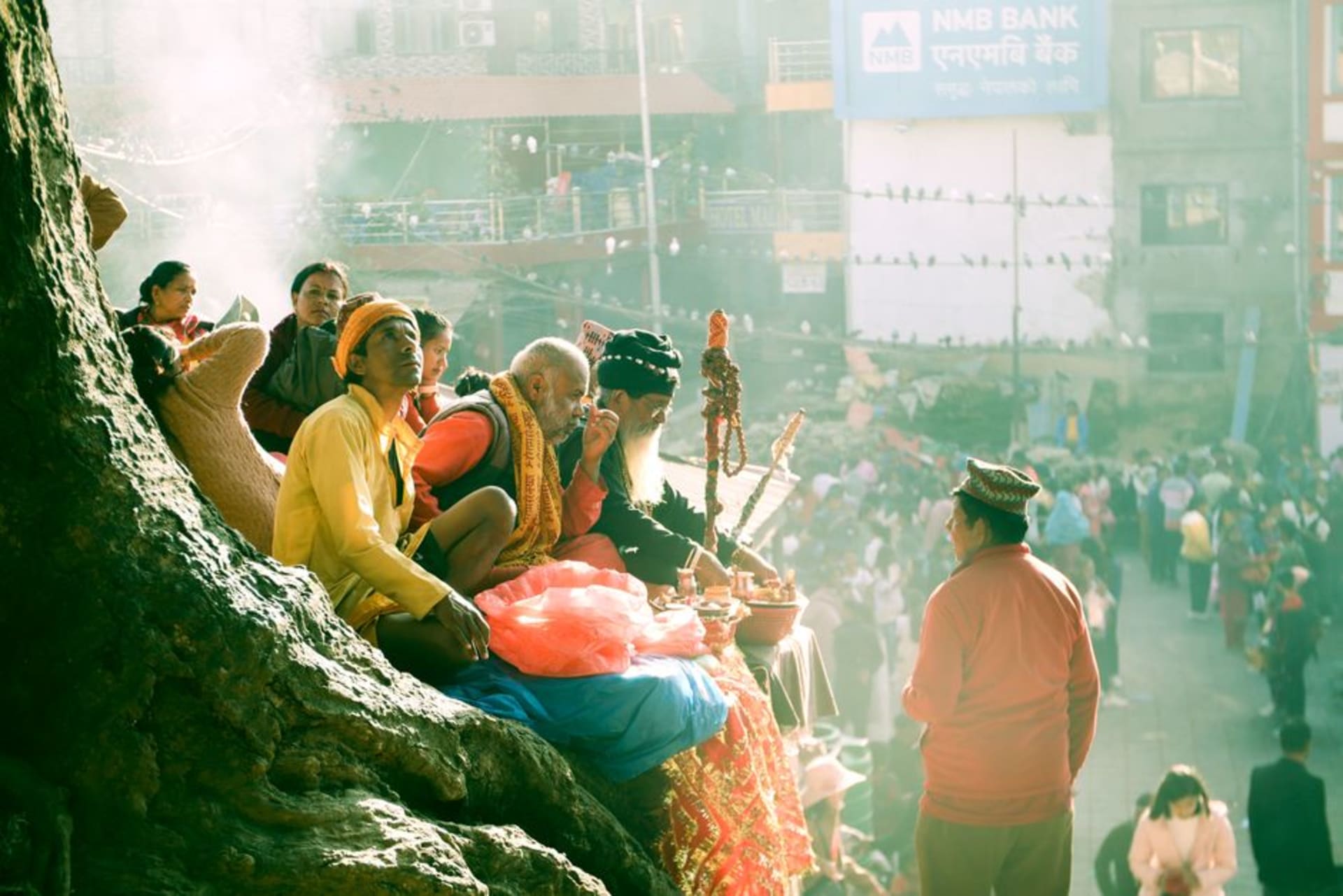
A wish-granting Hindu temple reached by a cable car strung high over a river gorge, where pilgrims and sacrifice goats share the same gondola line.

Manakamana was the first place in Nepal where I genuinely did not know what to expect, and it turned out to be one of the strangest, most memorable half-days of the whole trip. The temple is dedicated to a goddess believed to grant any wish sincerely asked, which draws Hindu pilgrims from across Nepal and northern India in numbers that feel completely disproportionate to how remote the hilltop actually is — solved, since 1998, by a cable car that hauls you over a river gorge and up the ridge in about ten minutes flat.
Ten Minutes Over the Trishuli
The old route was a multi-hour climb on foot from the valley floor, and some pilgrims still do it that way out of devotion. We took the cable car, which turned out to be its own experience entirely — swaying gently over the Trishuli River far below, watching terraced hillsides slide past the window, sharing our gondola with a family carrying a covered basket that I chose not to inspect too closely, since goat sacrifice is still part of the temple tradition here, however uncomfortable that is to reconcile with the festive cable-car atmosphere around it.

The Temple Square
At the top, the temple square was pure sensory overload in the most Nepali sense — vendors selling marigold garlands and coconuts for offerings, priests taking donations at a brisk, businesslike pace, pigeons scattering in waves whenever a drum started up near the pagoda’s entrance. The temple itself is a modest three-tiered pagoda, plain compared to the crowds it draws, and I found that mismatch strangely moving: the building doesn’t need to impress anyone, because the belief does all the work.

Lunch With a View
We ate thukpa at a terrace restaurant near the cable car’s upper station, looking out over ridgelines that stretched toward the Manaslu range on a clear afternoon, and watched the gondolas come and go in a steady, unhurried rhythm below us. Lia pointed out that it might be the only place in Nepal where a funicular and a functioning centuries-old pilgrimage coexist without either one diminishing the other.
When to go: Year-round, since the cable car operates regardless of season, though the temple gets significantly busier during major Hindu festivals like Dashain, when wait times can stretch past an hour. October to April offers the clearest mountain views from the upper station.
Keep exploring
More from Nepal
 nepal
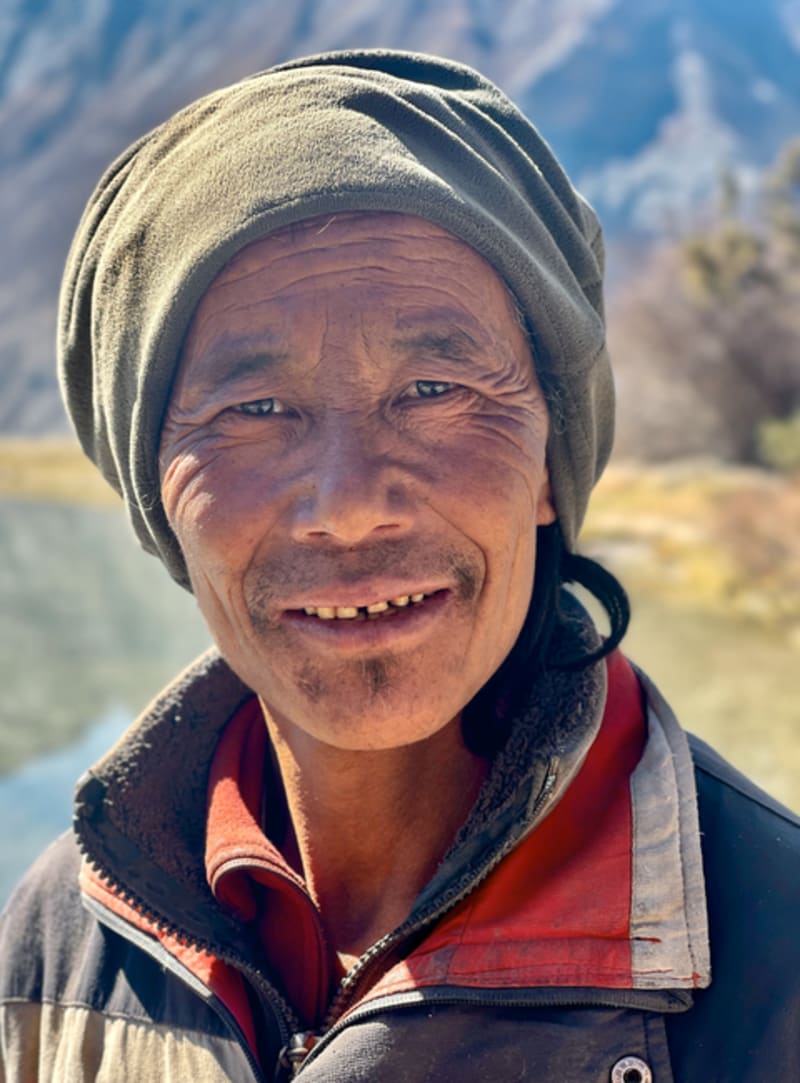
nepal Marpha
A whitewashed Thakali village in the Mustang rain shadow, famous for apple orchards, local brandy, and some of the best-preserved traditional architecture on the Annapurna Circuit.
Explore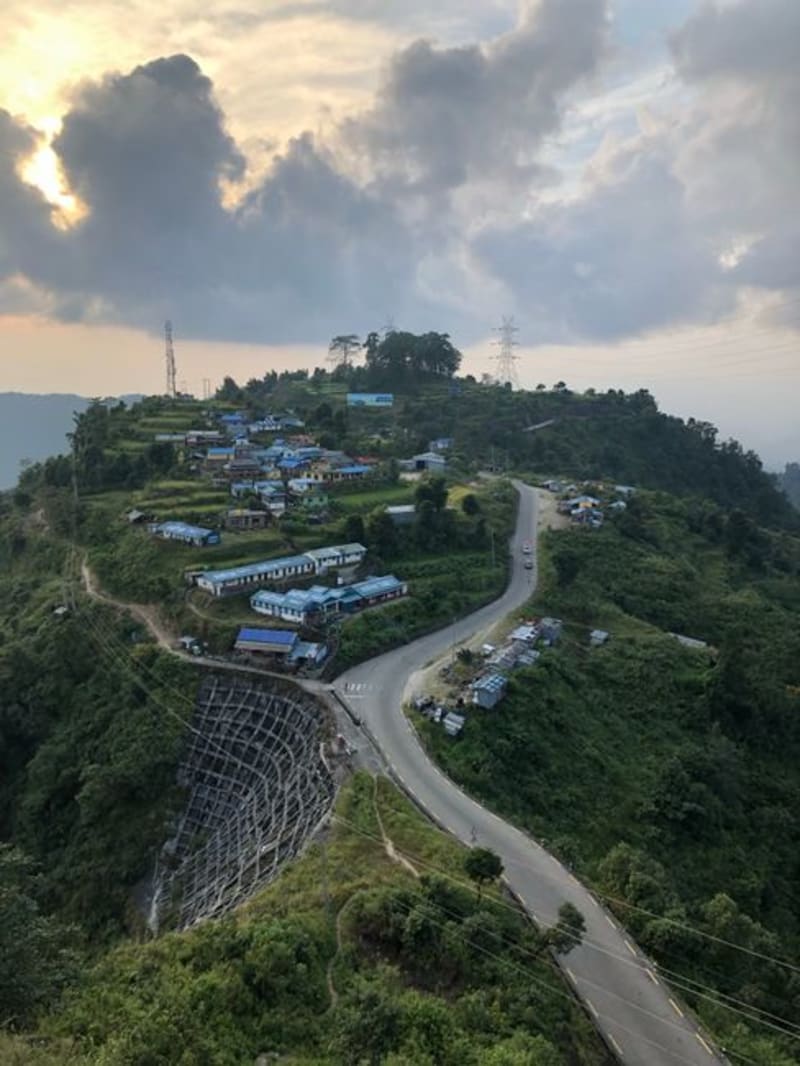 nepal
nepal Melamchi
The river town where the Helambu trek spills back down to the road, a working Tamang and Newari market center rebuilding after catastrophic flooding, and a reminder that not every valley in Nepal survives on tourism.
Explore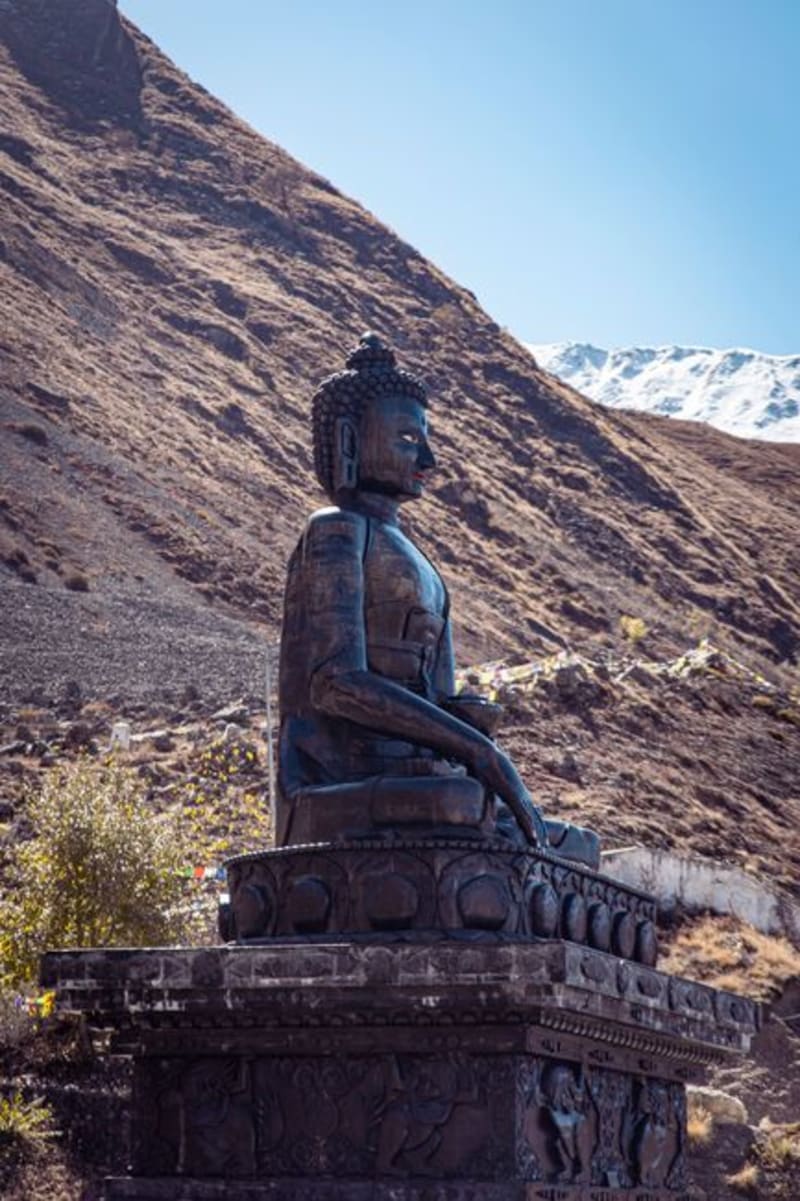 nepal
nepal Muktinath
A sacred pilgrimage site holy to both Hindus and Buddhists, where 108 stone spouts pour glacial water over anyone brave enough to stand under all of them.
Explore nepal
nepal Mustang
The forbidden walled kingdom of Lo Manthang, a Tibetan enclave of white-walled towns and ochre cliffs.
Explore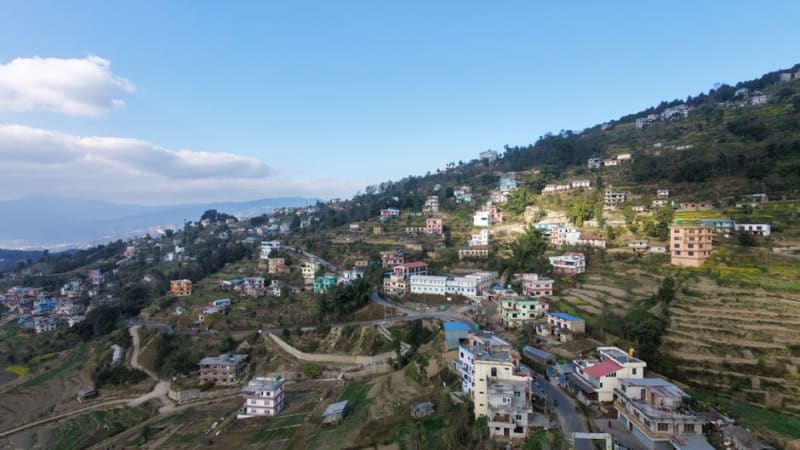 nepal
nepal Nagarkot
A ridge-top village above the Kathmandu Valley where a single sunrise over the Himalayas justifies the entire detour.
Explore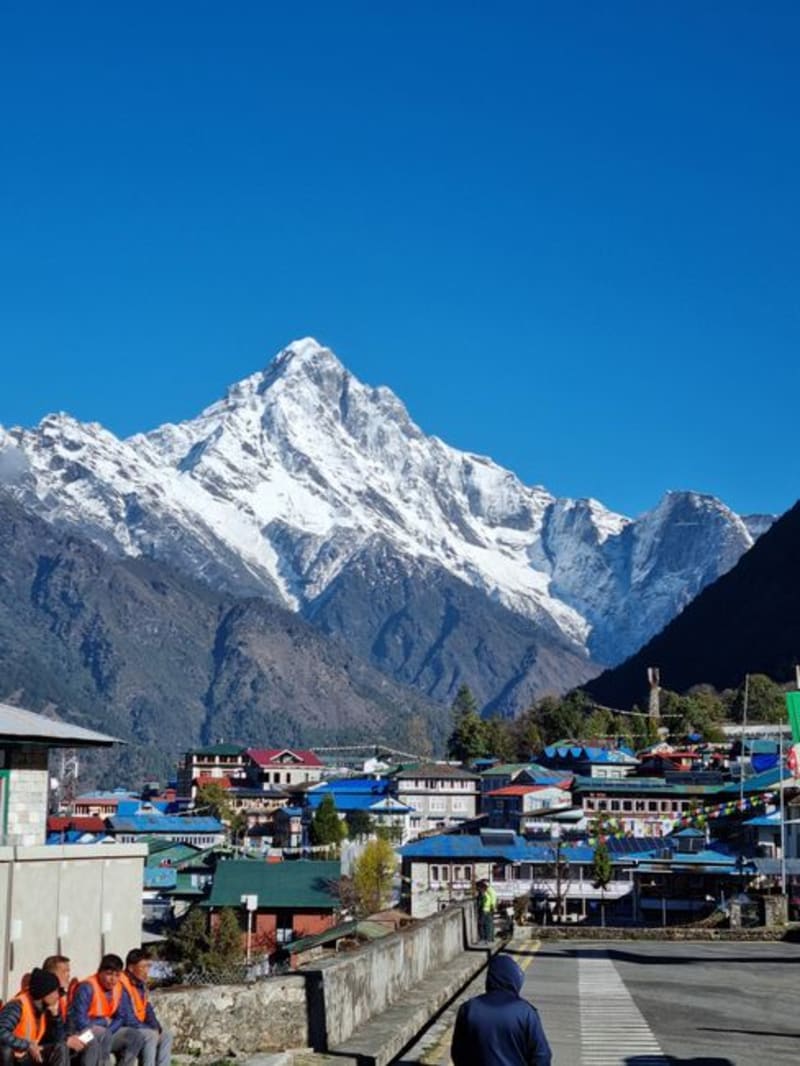 nepal
nepal Namche Bazaar
The horseshoe-shaped Sherpa capital carved into a mountainside, where trekkers stall out for two nights to acclimatize and end up staying for the bakeries.
Explore