
Nagarkot
"Nagarkot exists for one specific hour of one specific event, and it delivers that hour with real reliability."
A ridge-top village above the Kathmandu Valley where a single sunrise over the Himalayas justifies the entire detour.

We went to Nagarkot for a single, unambitious reason: to see the Himalayas from somewhere that wasn’t a moving vehicle or a smog-choked rooftop in Kathmandu. It is an hour and a half by local bus from the city, up a switchback road that climbs steadily out of the valley’s haze into genuinely clean mountain air, and the entire village exists, more or less, to serve that one sunrise view.
The Sunrise Everyone Comes For
We stayed the night at a guesthouse with a rooftop facing east and set an alarm for 5:15am, which felt aggressive until we understood why. The eastern horizon starts as a flat gray line, then slowly resolves into individual peaks — Ganesh Himal first, then, if the air is clean enough, a hint of Everest itself far to the east, dwarfed by the closer, taller-looking wall of the Langtang range. The sun comes up behind the ridge and turns the snow a color somewhere between rose and orange for about four minutes before it all goes ordinary white again. I have seen a lot of sunrises. This one had an audience of maybe thirty people on our particular rooftop, all completely silent.

The Watchtower Walk
After breakfast, we walked the gently graded trail up to the old watchtower above the village, through pine and rhododendron forest that felt cool and quiet after the noise of the valley below. The tower itself is unremarkable — a concrete viewing platform, slightly the worse for weather — but the panorama from the top swings a full 360 degrees, taking in the Himalayan range to the north and the terraced hills of the middle valley falling away to the south. We passed a group of Nepali schoolchildren on a day trip who were far more interested in Lia’s camera than in the mountains they presumably saw all the time.

An Easy Add-On, Not a Destination
I’d caution against building an entire itinerary around Nagarkot — it is genuinely one thing, done extremely well, and one or two nights is the natural ceiling. But paired with Bhaktapur or Changu Narayan on the way back down to Kathmandu, it becomes an efficient, low-effort way to see the mountains without committing to a trek.
When to go: October through December gives the clearest post-monsoon skies and the best odds of an unobstructed sunrise. Book a room with an actual east-facing view — not all of them have one, and this is the whole reason to come.
Keep exploring
More from Nepal
 nepal
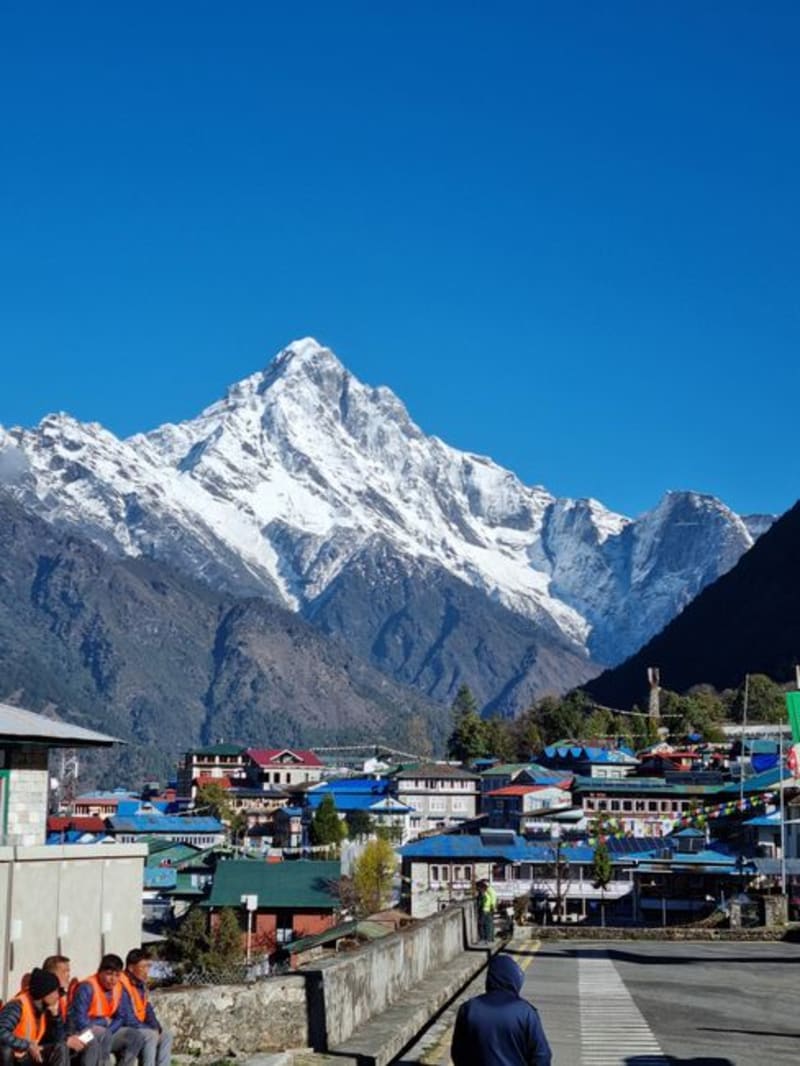
Namche Bazaar
The horseshoe-shaped Sherpa capital carved into a mountainside, where trekkers stall out for two nights to acclimatize and end up staying for the bakeries.
Explore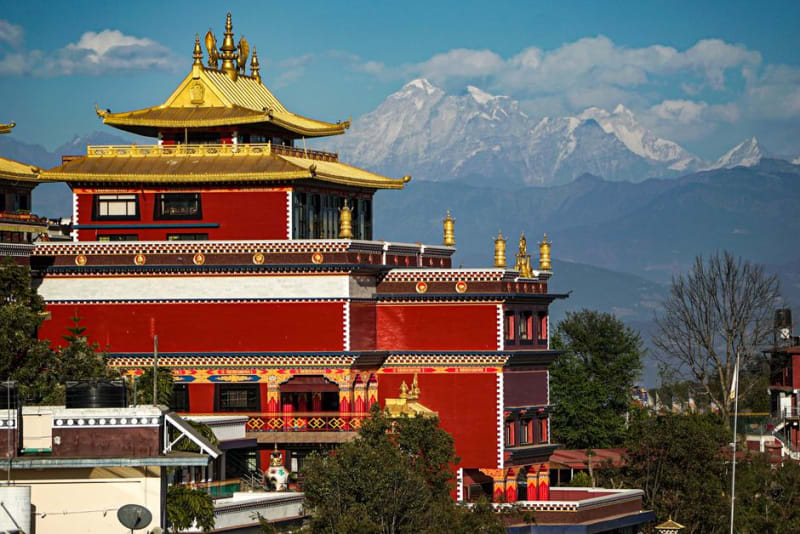 nepal
Namobuddha
A ridge-top monastery east of Kathmandu where a Buddhist myth of self-sacrifice still perfumes the air with juniper smoke.
Explore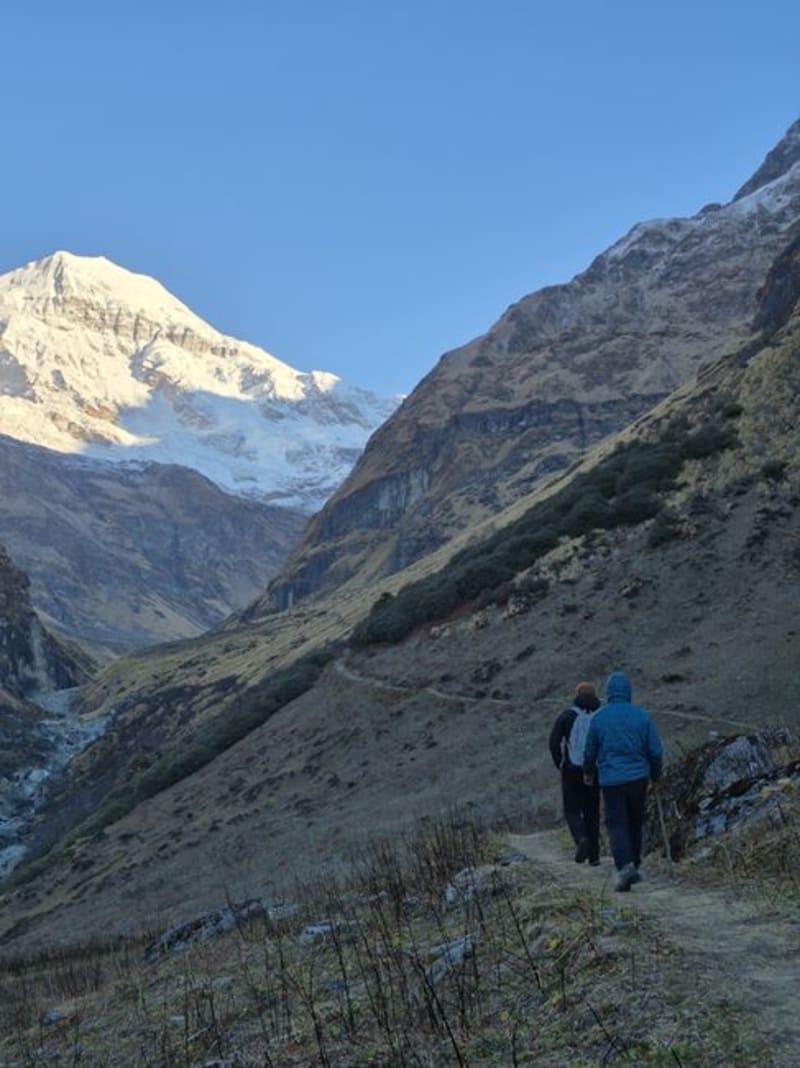 nepal
Nar Phu Valley
A restricted-area valley branching off the main Annapurna Circuit into a hidden Tibetan Buddhist world of two fortress-like villages, requiring a special permit and delivering some of the least-visited trekking in Nepal.
Explore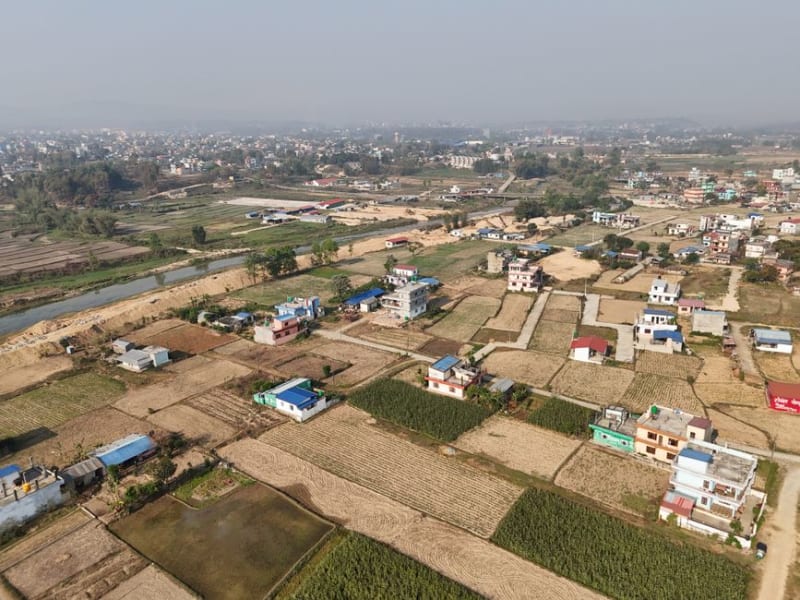 nepal
Nepalgunj
A dusty mid-western border city and the real gateway to Bardia and the far west, where Hindu, Muslim, and Tharu communities share one crowded, chaotic bazaar.
Explore nepal
Panauti
A Newari temple town at the confluence of two rivers, thick with medieval architecture and almost entirely free of the tour buses that clog Bhaktapur and Patan an hour up the road.
Explore nepal
Parsa National Park
Chitwan's quieter neighboring reserve, a continuous stretch of sal forest along the Churia hills where wild elephant herds still move freely between Nepal and India.
Explore