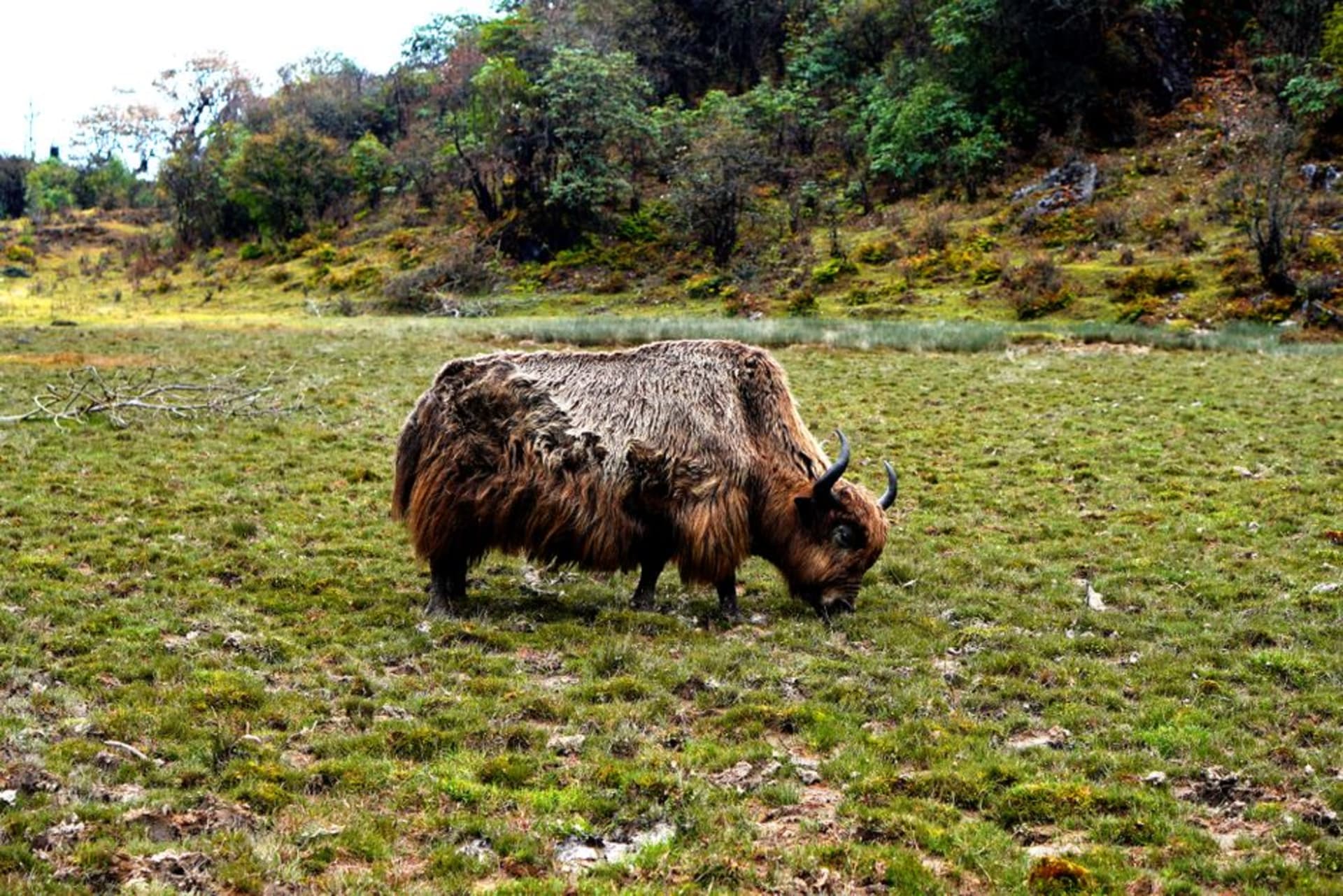
Taplejung
"Taplejung is the town every Kanchenjunga trekker passes through and almost nobody stops for. That's a mistake."
The last real town before the trails climb toward Kanchenjunga, a hill bazaar of Limbu culture and terraced cardamom farms.

Every trekker headed toward Kanchenjunga passes through Taplejung, usually with their eyes already fixed on the mountains further north. I made myself stay two nights, mostly because the jeep from Bhadrapur had rattled my spine loose over eight hours of switchback road and I needed to recover before the trail started. What I found was a hill bazaar with a personality entirely its own — Limbu culture, terraced cardamom farms clinging to impossible slopes, and a pace of life that felt unbothered by its role as a gateway town.
Cardamom Country
The hills around Taplejung are covered in large cardamom, grown in the shade beneath forest canopy on terraces so steep I couldn’t imagine harvesting them without falling. A farmer named Dil Bahadur, whom I met at a teahouse just outside town, walked me through his plantation and explained how the crop — locally called alaichi — has become the backbone of the regional economy, dried over wood-fired kilns until the pods turn a deep reddish brown. The smell in the drying sheds was extraordinary: sweet, smoky, medicinal. He sent me off with a small bag of it, which I used sparingly in tea for the rest of the trip because I didn’t want it to run out.
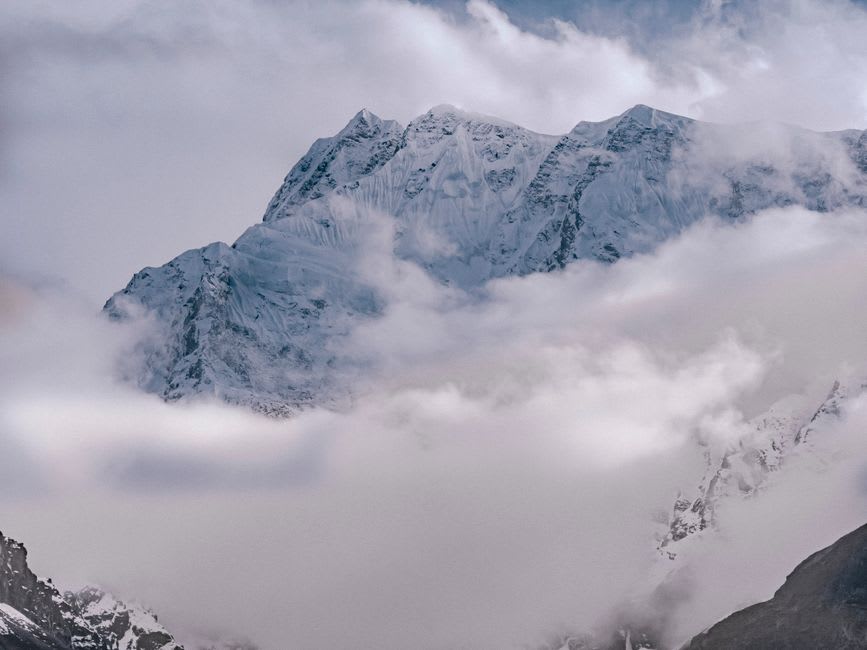
The Limbu Villages of the Ridge
Taplejung sits within the Limbuwan region, home to the Limbu people, one of Nepal’s Kirat ethnic groups with their own language, script, and animist-Hindu religious traditions predating the arrival of Hinduism from the plains. In the village of Yangnam, a short walk from the bazaar, I sat in on part of a Nahangma ceremony — a Limbu ritual led by a phedangma priest invoking ancestral spirits — conducted with a quiet gravity that had nothing performative about it. I stood at a respectful distance and was later invited to share tongba, a hot millet beer sipped through a bamboo straw from a wooden vessel, which is exactly as warming as it sounds after a cold mountain evening.
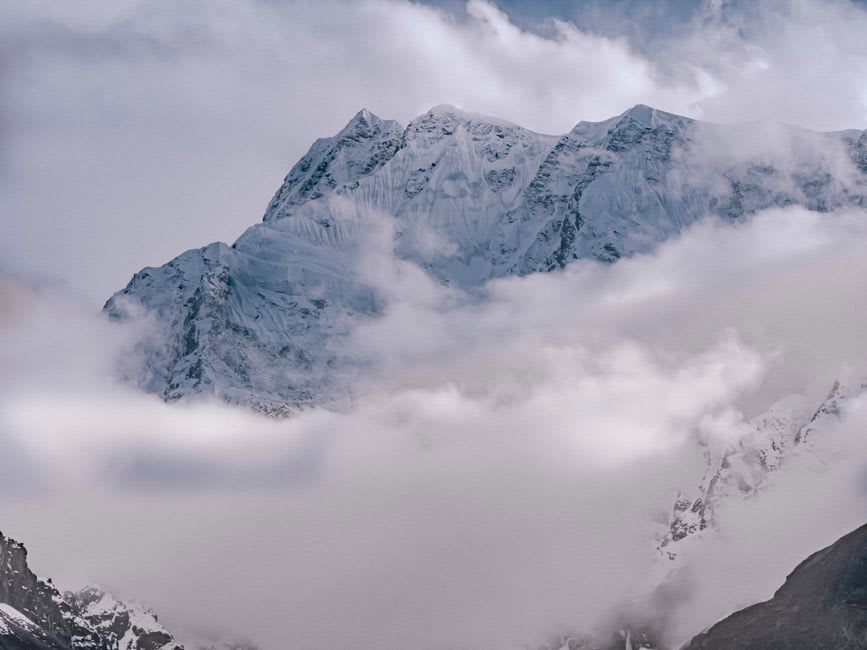
The Bazaar Itself
Taplejung bazaar is small — a single main street, a handful of general stores selling trekking supplies and instant noodles, a couple of government offices. But it has the unmistakable feel of a frontier town, the last proper settlement before the trail disappears into the Kanchenjunga Conservation Area. I bought extra batteries, a final hot shower, and a plate of thukpa before heading north, and I remember thinking that towns like this — functional, unglamorous, essential — rarely get the credit they deserve in trip reports that only care about the peaks beyond them.
When to go: October and November for clear skies before winter cold sets in on the trails north. March through May brings the cardamom harvest and rhododendron blooms on the surrounding ridges. Avoid the monsoon (June–September), when the jeep road from Bhadrapur becomes prone to landslides.
Keep exploring
More from Nepal
 nepal
nepal Tarkeghyang
The largest Sherpa village in the Helambu region, a cluster of carved wooden houses and prayer wheels around a 700-year-old monastery, reached by a trail with almost none of the foot traffic of the bigger-name treks.
Explore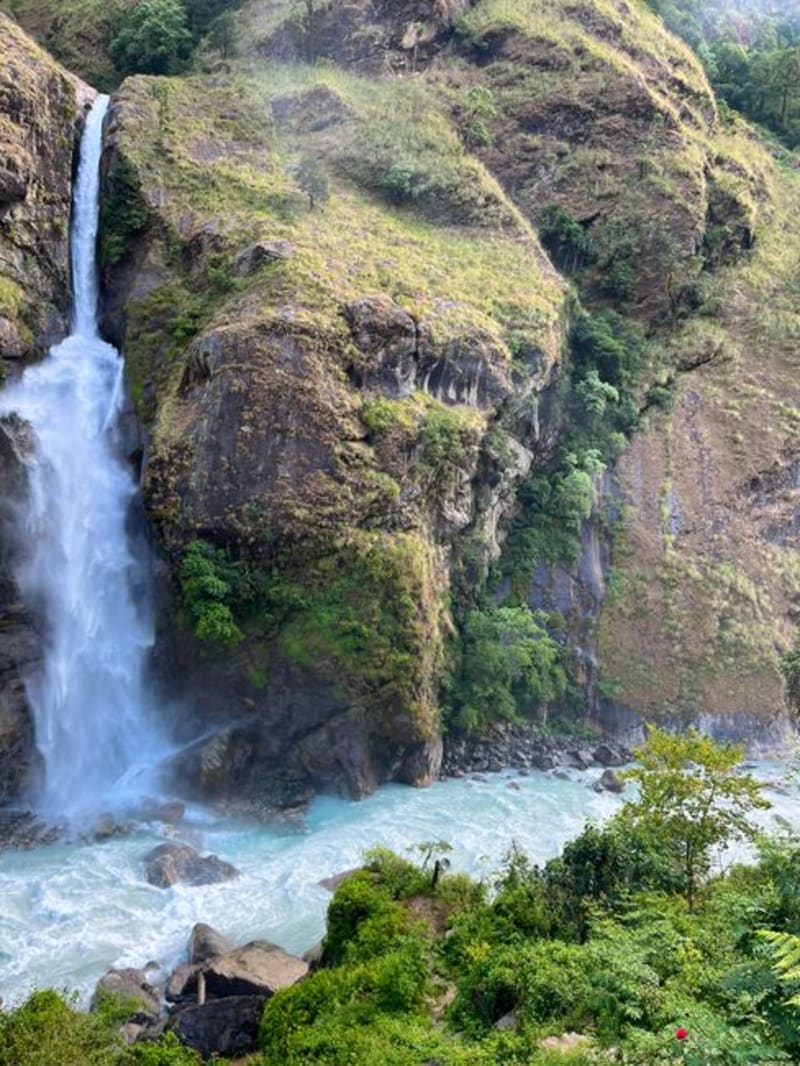 nepal
nepal Tatopani
A low-altitude village on the Kali Gandaki whose name literally means 'hot water' — natural hot springs at the end of a hard trekking day, and one of the few genuinely restful stops on the circuit.
Explore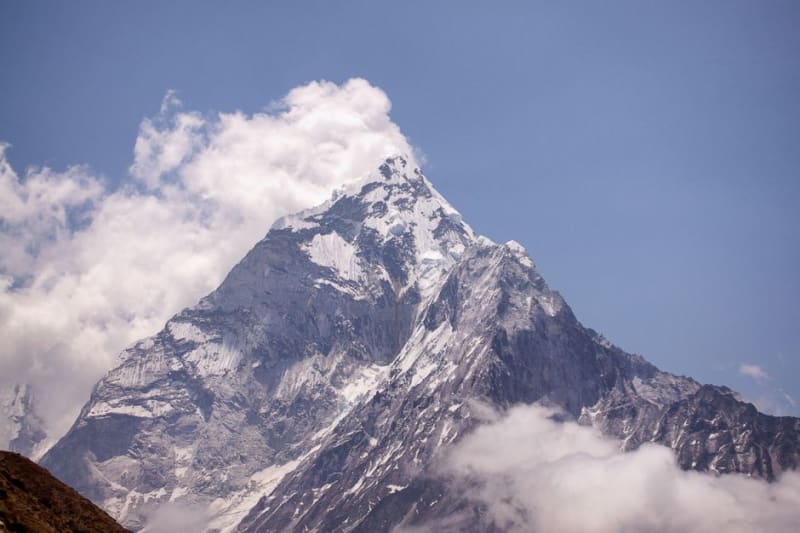 nepal
nepal Tengboche
A ridgeline monastery village with what might be the single best mountain panorama on the entire Everest trail, and a monk's chant that follows you back down the hill.
Explore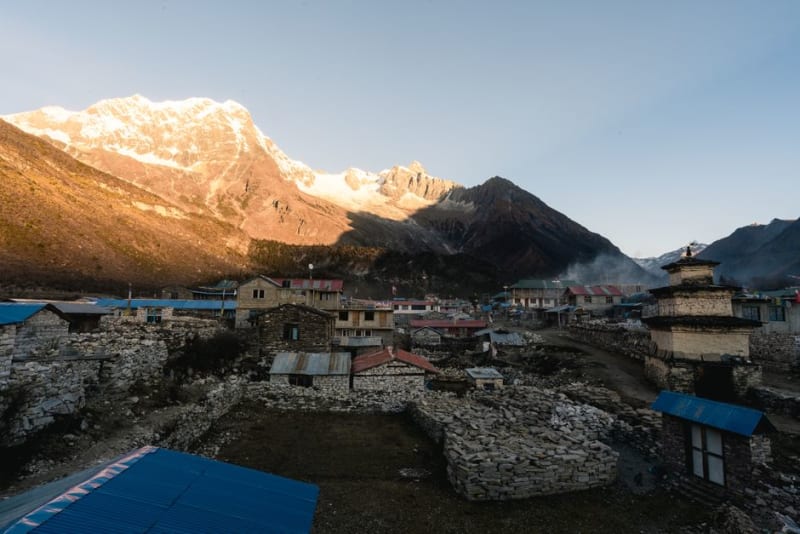 nepal
nepal Thame
The Sherpa mountaineering village northwest of Namche, birthplace of Tenzing Norgay's neighbors and one of the few Khumbu settlements the main trekking crowds still skip.
Explore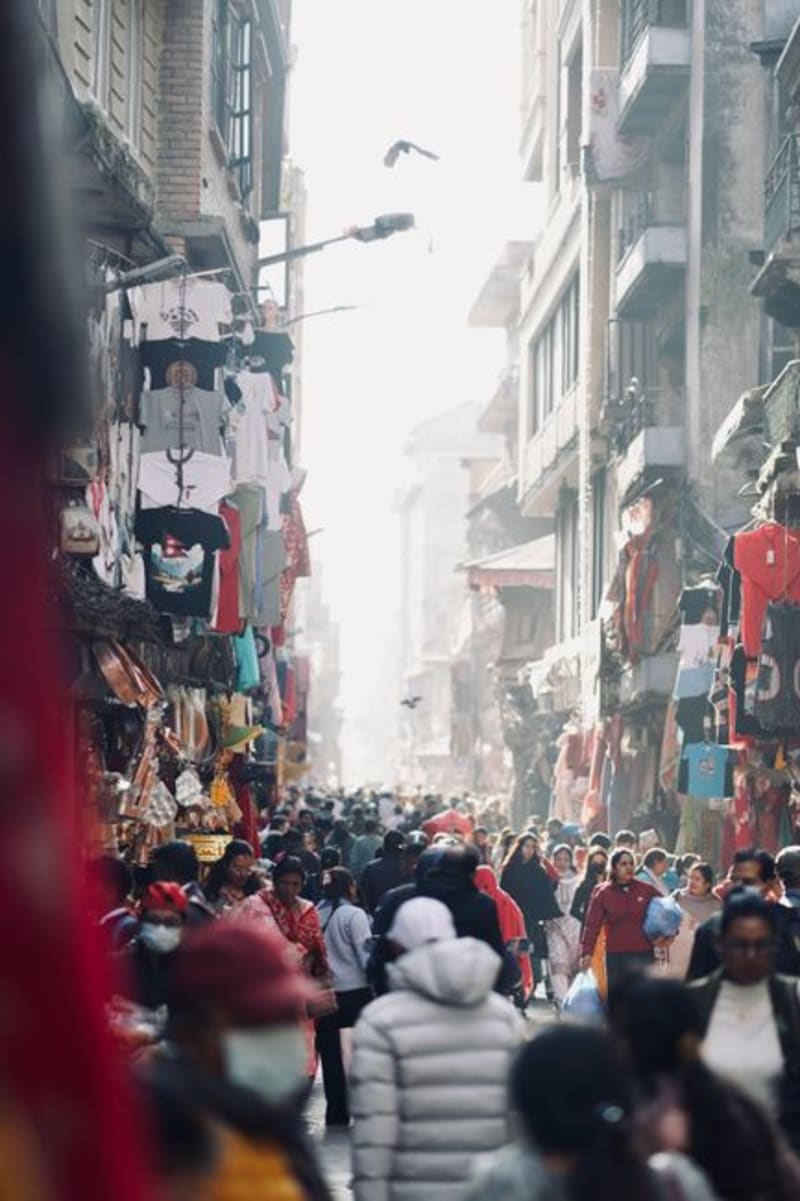 nepal
nepal Thimi
A pottery and papier-mâché mask-making town between Kathmandu and Bhaktapur, working in full view of anyone who bothers to stop.
Explore nepal
nepal Thulo Syabru
A steep, terraced Tamang village on the alternate ridge route into Langtang, quieter than the main valley trail and, on a clear afternoon, hiding one of the best unphotographed views in the region.
Explore