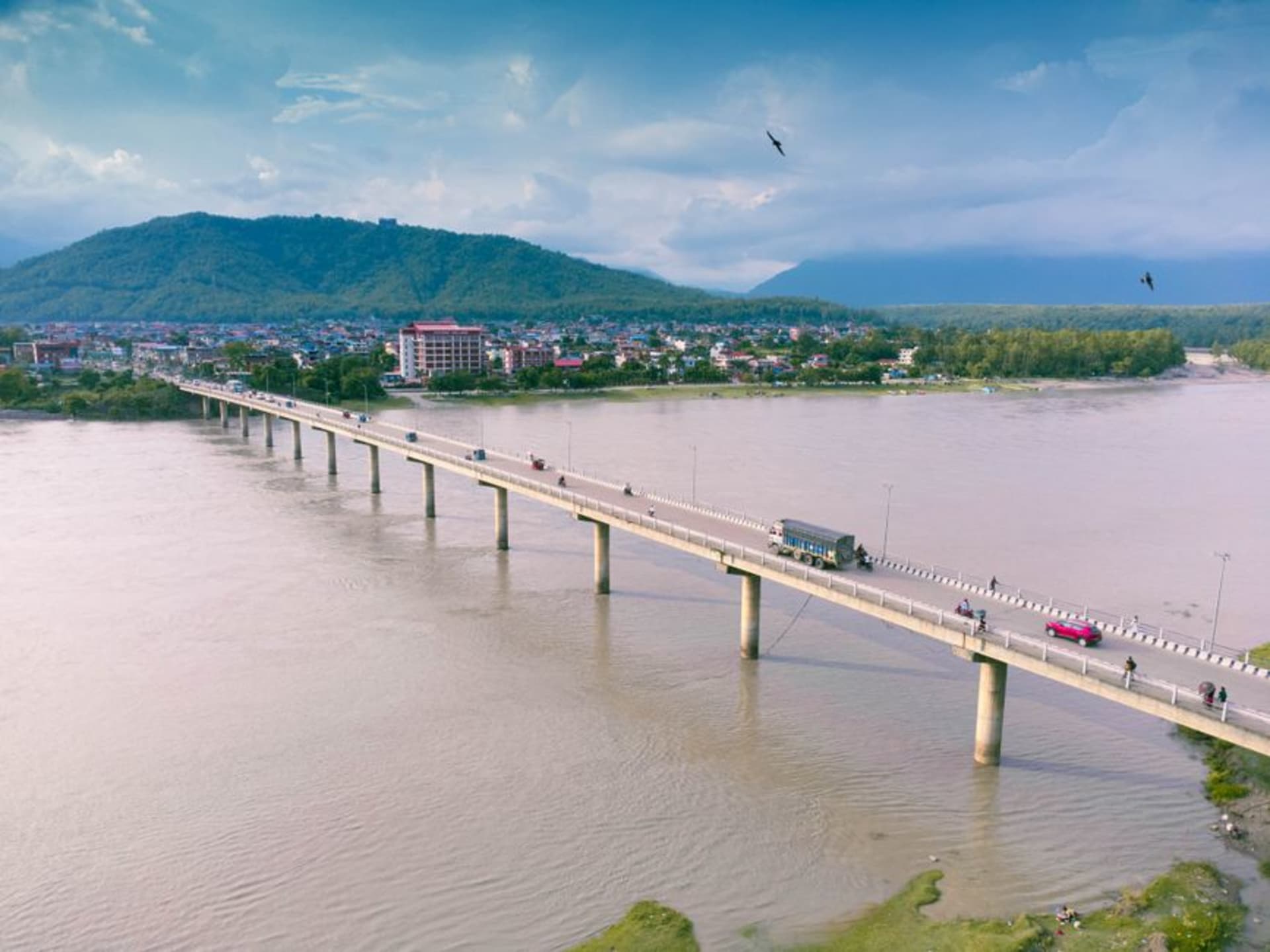
Biratnagar
"No temple, no trail, no view — just a city doing its actual work, and I found that oddly refreshing."
Nepal's industrial second city and eastern gateway, a hot, unglamorous, genuinely working town that revealed a side of the country the tourist trail skips entirely.

I ended up in Biratnagar almost by accident, using it as a transit point between Kakarbhitta and the rest of the eastern Terai, and stayed three days longer than planned. It’s Nepal’s second-largest city and its industrial heart — jute mills, sugar refineries, garment factories — built on the flat plains near the Indian border, and it has none of the polish that Kathmandu or Pokhara perform for visitors. That’s precisely what made it interesting.
The Jute Mills and a Vanishing Industry
Biratnagar grew up around jute processing in the early twentieth century, and the Biratnagar Jute Mills — one of Nepal’s oldest industrial operations — still runs, though at a fraction of its historical output. A contact of a contact got Lia and me a short walkthrough, and standing in the noise of the spinning floor, watching raw jute fiber transformed into sacking under enormous mechanical looms that looked decades old, felt like witnessing a working museum piece that nobody had bothered to frame as one.

The Market and the Border Economy
The city center runs on cross-border trade with India, just a few kilometers south, and the main bazaar reflects it — Indian rupees accepted as casually as Nepali ones, cinema posters for Bollywood releases plastered beside local political banners, rickshaw drivers switching between Maithili, Nepali, and Hindi mid-sentence depending on the customer. I bought lassi from a stall that had clearly been in the same spot for forty years, judging by the worn groove in the counter where the vendor rested his forearm.

Why Bother
Biratnagar isn’t a destination in the conventional sense — there’s no headline sight demanding a detour. But if Kathmandu and Pokhara can start to feel curated for tourism, Biratnagar is the corrective: a hot, loud, unpretentious city that exists for its own reasons, and happens to let you pass through.
When to go: November through February is by far the most tolerable window; the Terai heat in April and May is genuinely severe here, and the monsoon from June through September brings both flooding and oppressive humidity.
Keep exploring
More from Nepal
 nepal
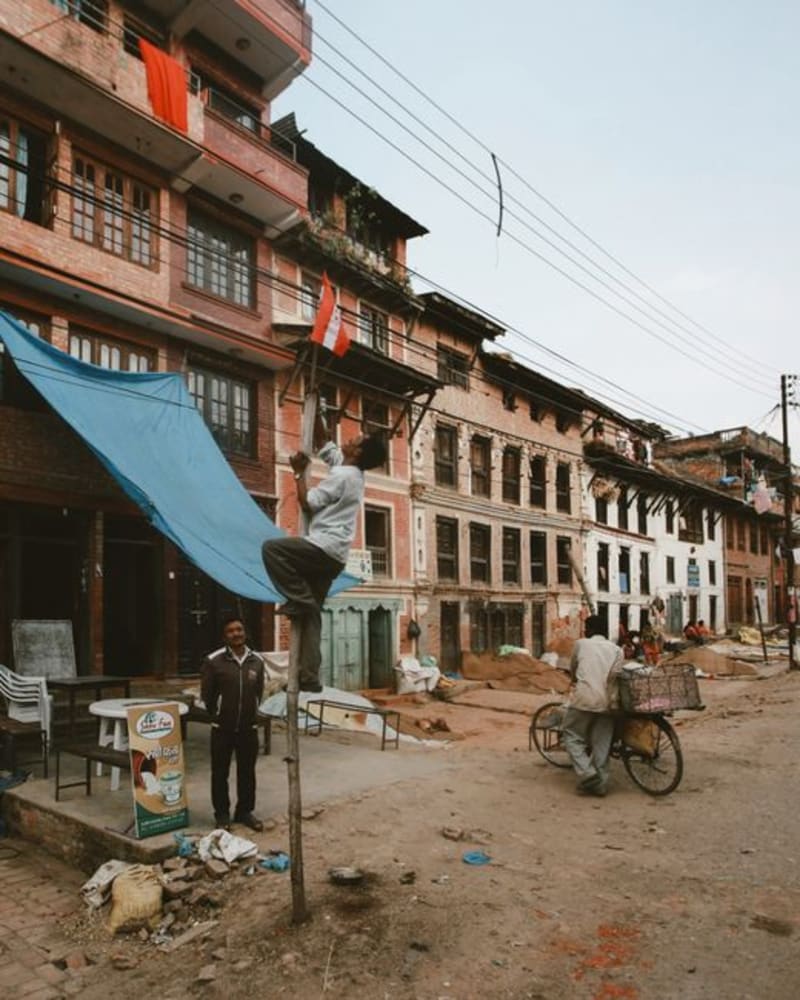
nepal Birgunj
Nepal's busiest border crossing city, a hot, transactional, endlessly fascinating gateway town where nearly all overland trade with India funnels through one road.
Explore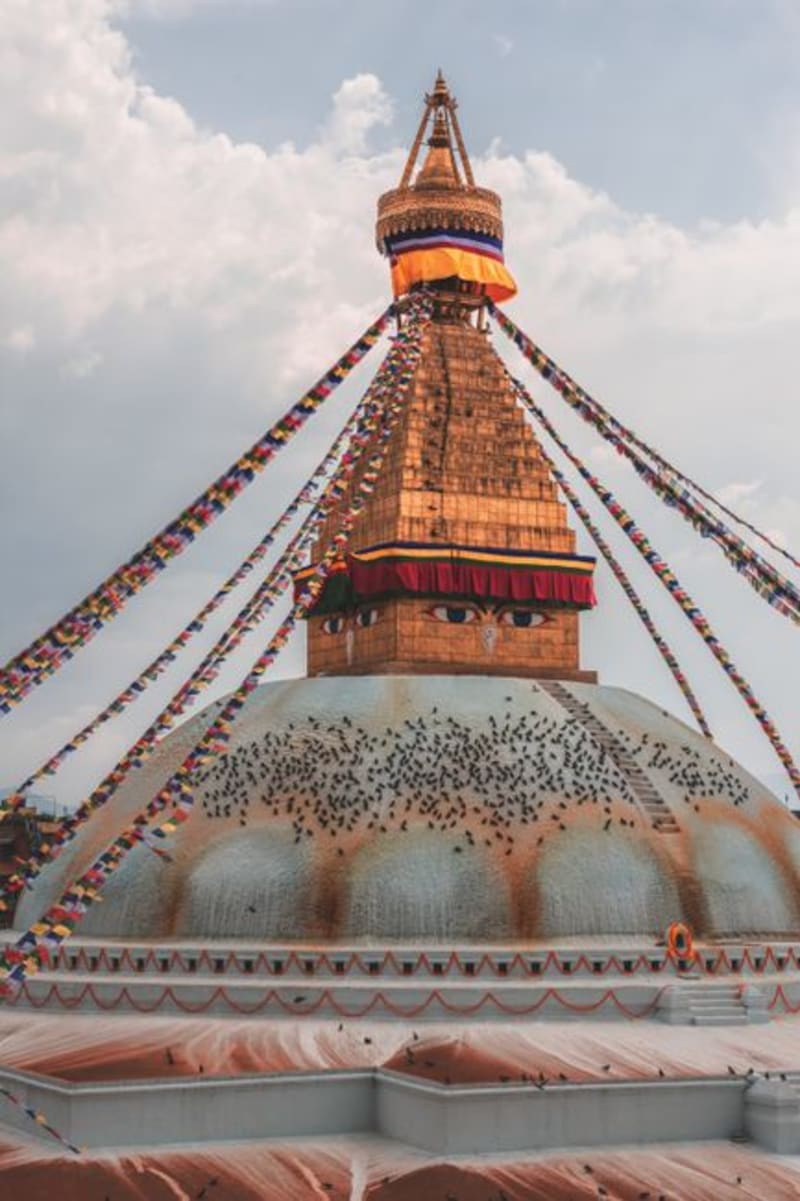 nepal
nepal Boudhanath
The largest Buddhist stupa in Nepal, its painted eyes watching over a neighborhood of monasteries, maroon robes, and butter tea.
Explore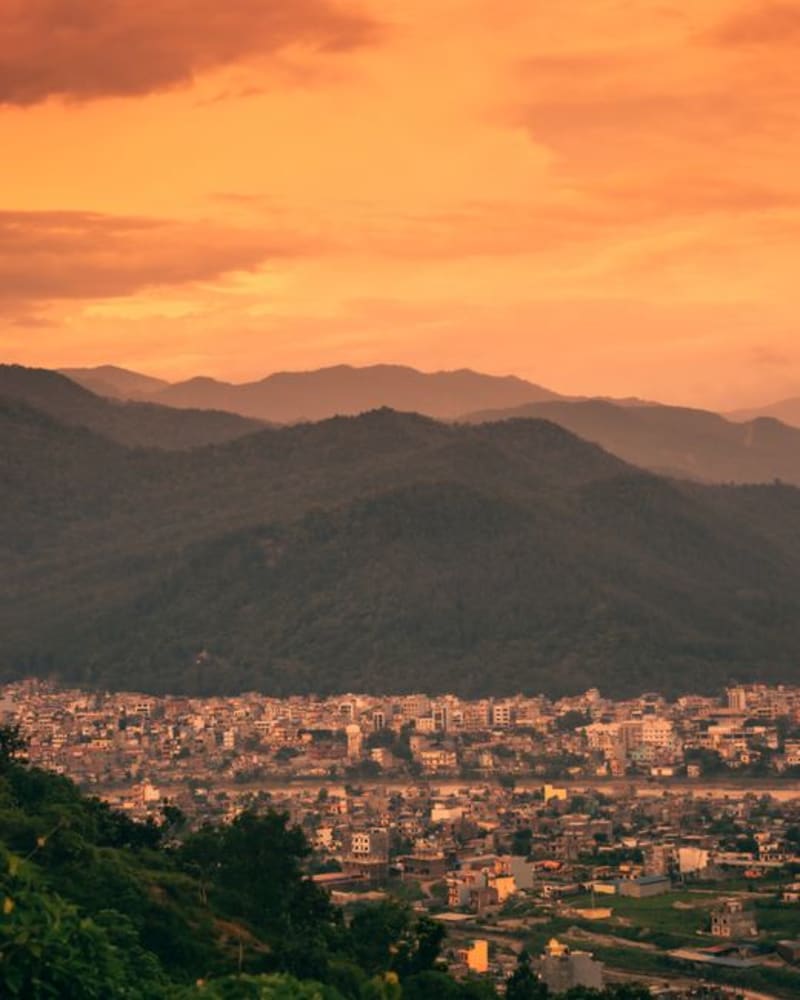 nepal
nepal Butwal
A fast-growing crossroads city where the Terai plains meet the first hills, and where the Tinau River carves a surprisingly scenic gorge right through downtown.
Explore nepal
nepal Chainpur
A centuries-old Newari trading bazaar in the eastern hills, famous for hand-beaten brass and copper craft and an architecture nobody restored for tourists.
Explore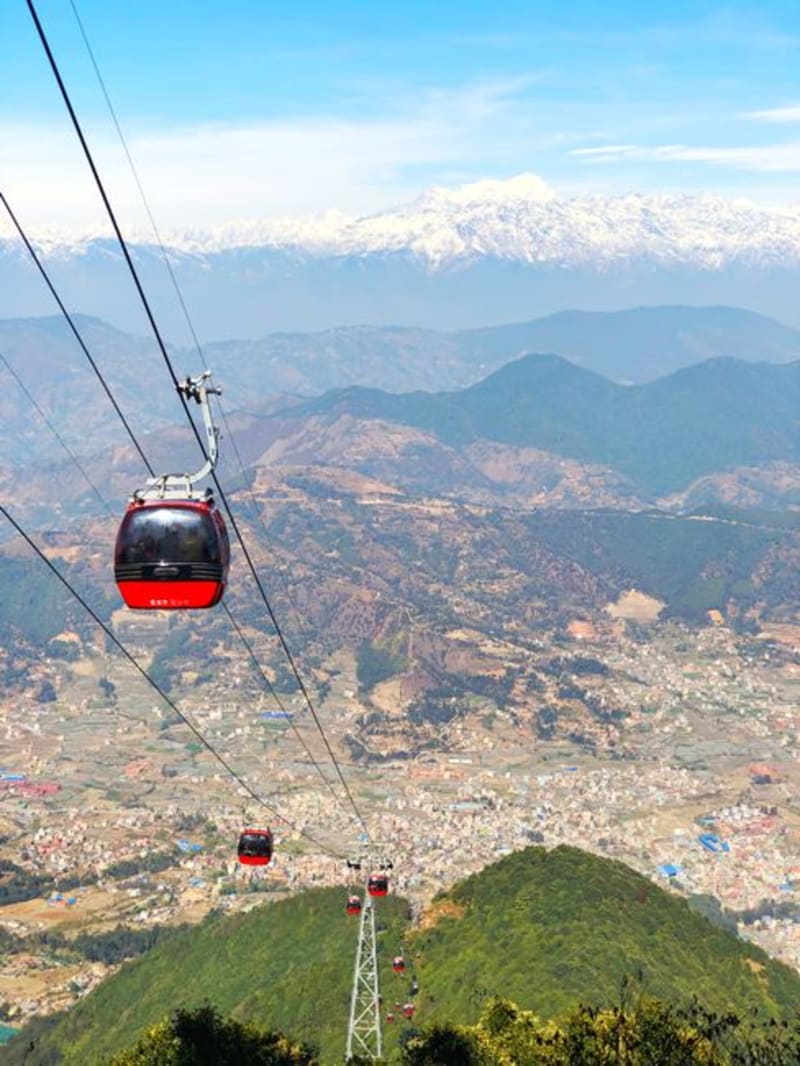 nepal
nepal Chandragiri Hills
A cable car ride out of Kathmandu's traffic to a ridge with a temple, a Himalayan panorama, and shockingly clean air.
Explore nepal
nepal Changu Narayan
Nepal's oldest surviving Hindu temple, a UNESCO site on a quiet ridge that most Kathmandu Valley visitors never reach.
Explore