Poon Hill
"I have watched a lot of sunrises for a travel blog. This was the one that made a stranger next to me start crying without embarrassment."
A 3,210-meter viewpoint above Ghorepani where a short, unglamorous pre-dawn climb delivers one of the widest mountain panoramas in Nepal without requiring a single high-altitude night.

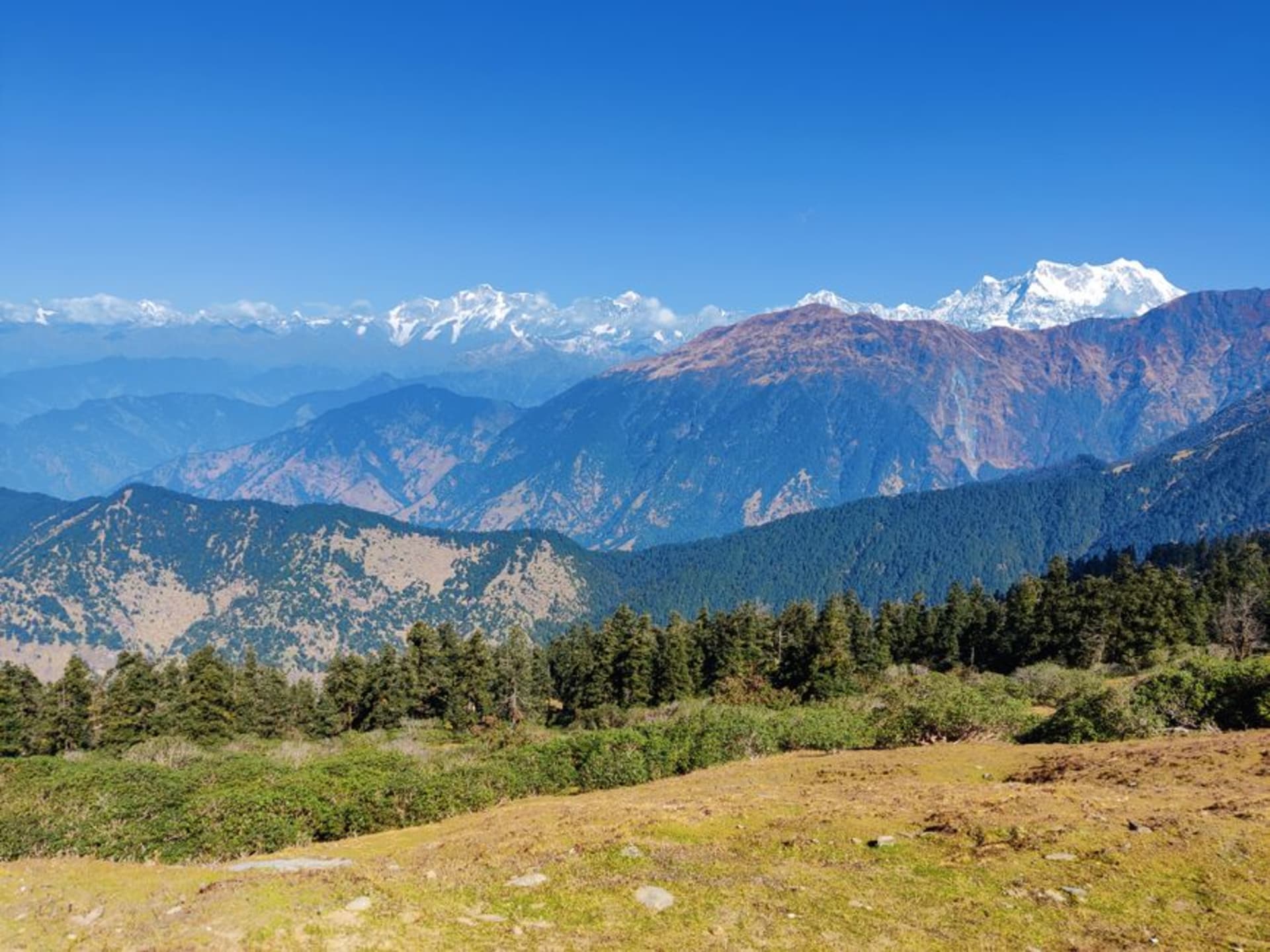
Poon Hill has a reputation problem: it’s famous enough that people assume it must be overrated, a viewpoint reduced to an Instagram checkpoint crowded with headlamps at 4:30 AM. I climbed it anyway, mostly out of obligation, and it turned out to be one of the least overrated things I did in Nepal. The 45-minute walk up from Ghorepani in the dark is steep stone steps and nothing else — no technical difficulty, no altitude concern at 3,210 meters — and then you arrive at a platform that faces directly into an unbroken arc of Himalaya: Dhaulagiri, Annapurna South, Annapurna I, Nilgiri, Machapuchare’s fishtail peak catching the first light before anything else.
The climb from Ghorepani
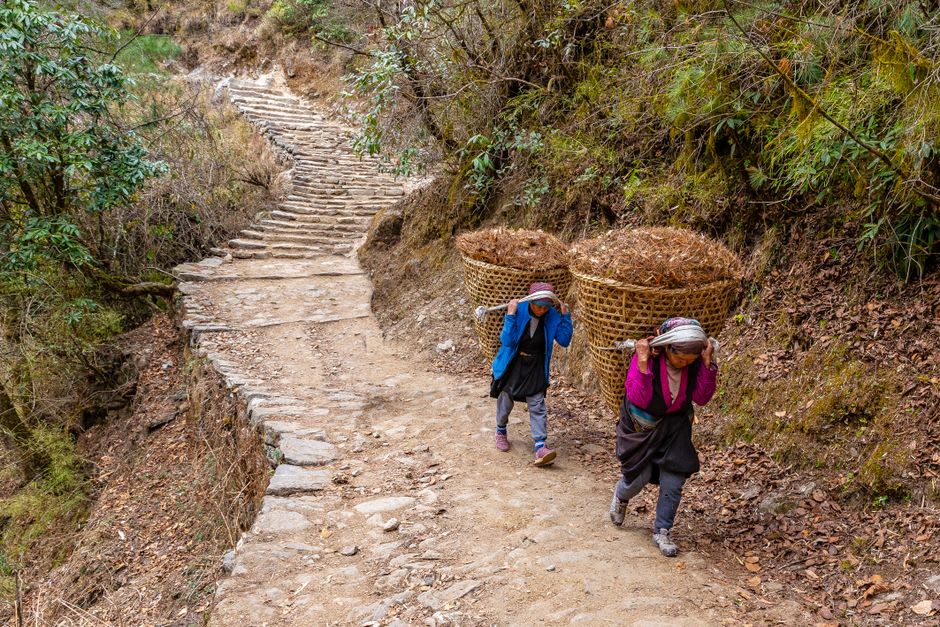
Ghorepani itself, the village below, is worth a slow afternoon before the pre-dawn push — a cluster of guesthouses at 2,850 meters with its own views and a genuinely good bakery culture that developed to feed trekkers waiting out weather. The climb to Poon Hill starts in darkness, headlamps bobbing up a stone staircase in a line that looks almost ceremonial from a distance. It is crowded, especially in October. I stopped minding about ten minutes in, once the sky started doing something no crowd could ruin.
What the view actually gives you
The panorama from the top spans more named 7,000-and-8,000-meter peaks than anywhere else I’ve stood in Nepal without a multi-day approach — a genuine 300-degree wall of mountains that takes real physical effort to photograph in one frame. Dhaulagiri, the seventh-highest mountain on earth, sits close enough on one side that you can watch cloud shadow move across its face in real time. I met a couple who had flown in from Kathmandu, done exactly this hike, and were flying home the next day. It struck me as a completely rational way to spend a trip.

When to go: October through November has the clearest morning skies and the biggest crowds — book a Ghorepani guesthouse room ahead if you’re going during this window. March brings rhododendron blooms on the descent and slightly better odds of a quiet summit.
Keep exploring
More from Nepal
 nepal
nepal Rara Lake
Nepal's largest lake, a sheet of cobalt water inside a remote national park in the far northwest, reached only on foot or by a small plane.
Explore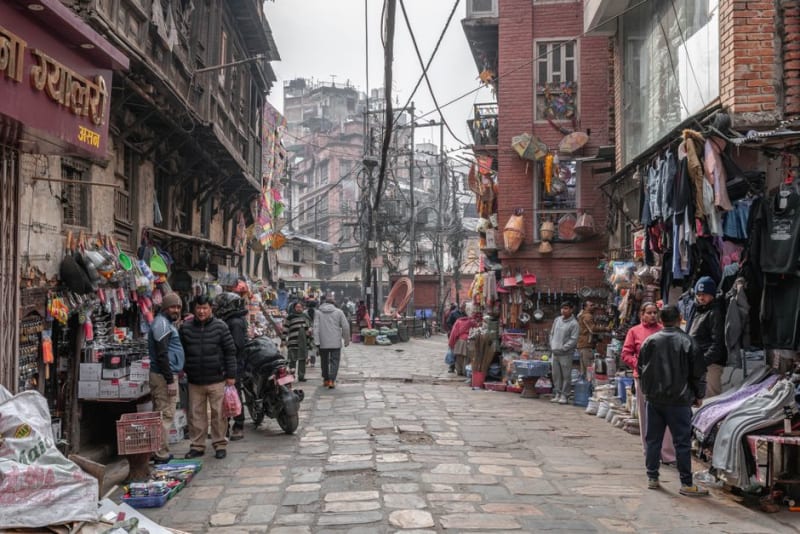 nepal
nepal Ridi Bazaar
A riverside pilgrimage town at the confluence of the Kali Gandaki and Ridi rivers, home to a black-stone temple and a bazaar tourism forgot entirely.
Explore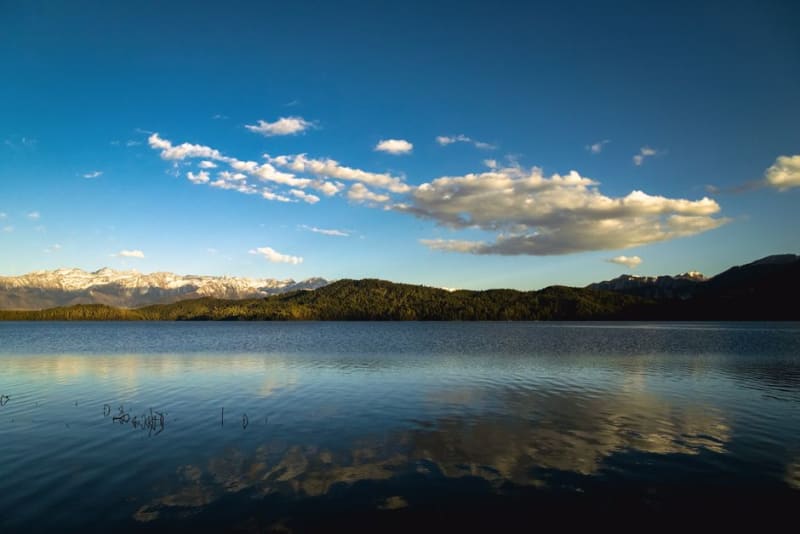 nepal
nepal Rupa Lake
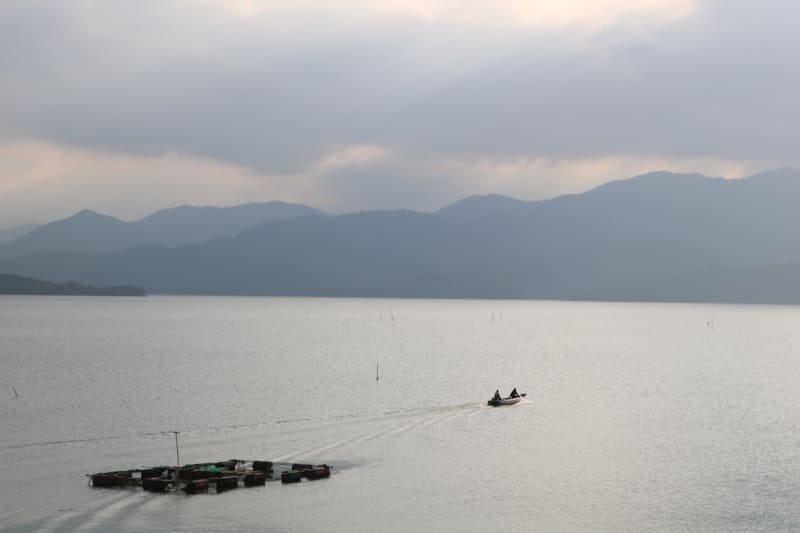
The smallest and least visited of Pokhara's three lakes, worked by fishing cooperatives instead of tour boats.
Explore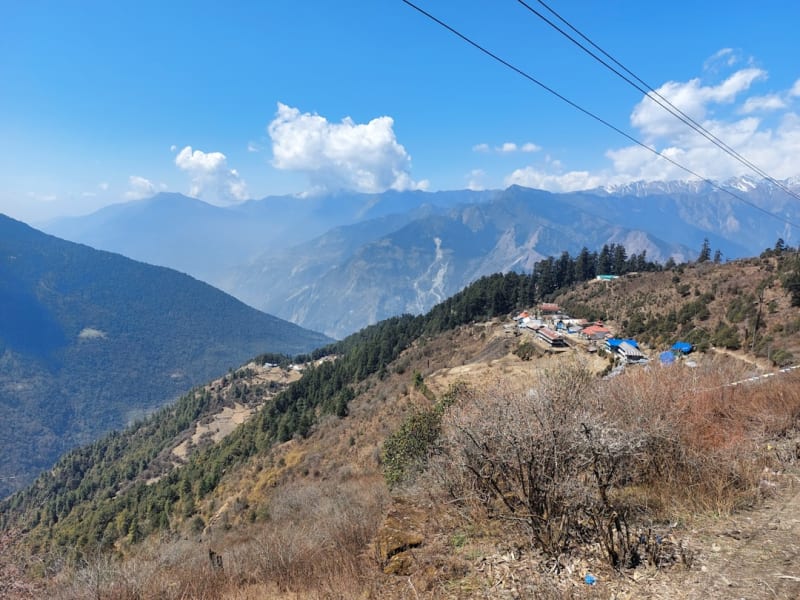 nepal
nepal Sarangkot
The hilltop sunrise viewpoint above Pokhara where the entire Annapurna range catches fire at dawn.
Explore nepal
nepal Seti Gorge
A river that vanishes into a slot canyon so narrow you can stand directly above it in the middle of Pokhara and barely notice.
Explore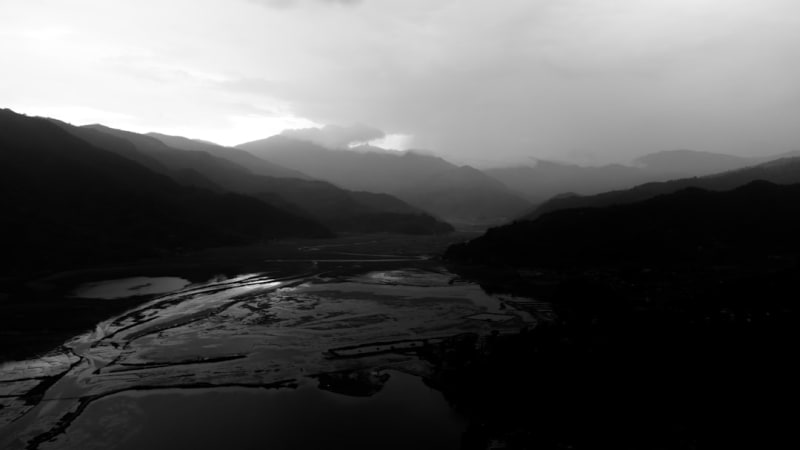 nepal
nepal Shey Phoksundo Lake
A turquoise glacial lake in Upper Dolpo so vivid it seems retouched, ringed by cliffs, chortens, and one of Nepal's oldest Bon monasteries.
Explore