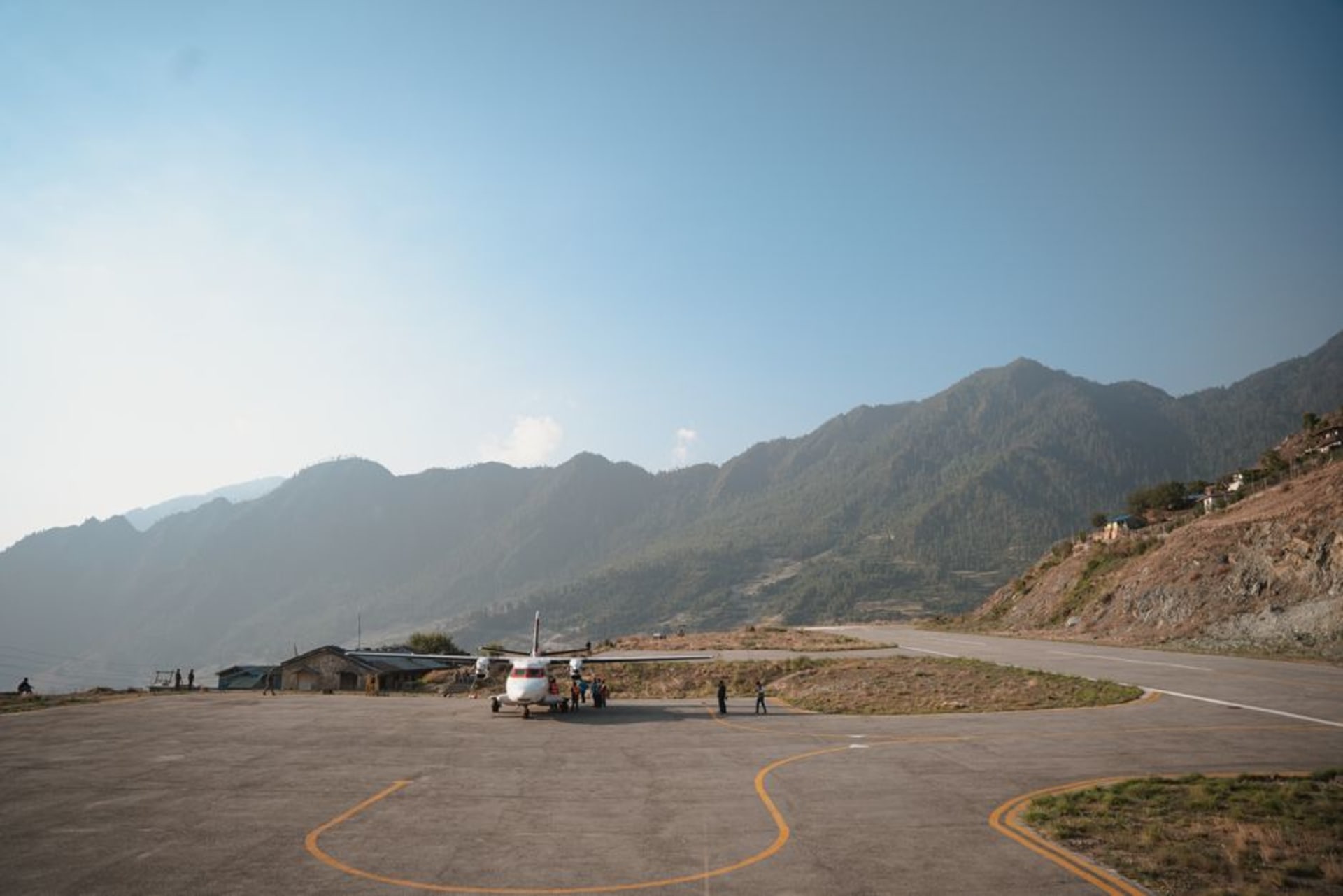
Melamchi
"Melamchi taught me more about how Nepal actually works than any trek I did that year."
The river town where the Helambu trek spills back down to the road, a working Tamang and Newari market center rebuilding after catastrophic flooding, and a reminder that not every valley in Nepal survives on tourism.

Melamchi Pul Bazaar is where the Helambu trek ends — the point where the trail out of Tarkeghyang and the high villages finally drops back to the valley floor and meets a road again. Most trekkers pass through in an hour, catching a jeep or bus straight back to Kathmandu without a second look. I stayed a night, mostly by accident because of a missed bus connection, and left with a much fuller picture of the region than the trek itself had given me.
A market town rebuilding
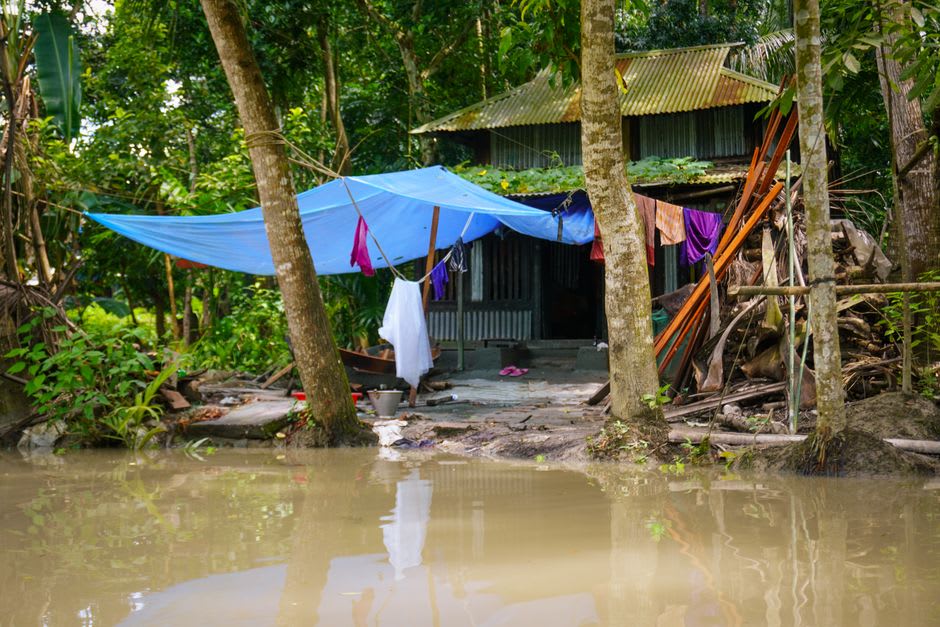
Melamchi was devastated by catastrophic flash flooding in 2021, when a glacial lake outburst and heavy rain combined to send a wall of debris and water down the valley, destroying bridges, houses, and the intake infrastructure for a major drinking-water project supplying Kathmandu. What I found walking through town was a place visibly mid-reconstruction — new concrete foundations next to buildings still showing flood damage, a temporary suspension bridge replacing one washed away, shopkeepers who talked about the flood with the specific, exact detail of people who’d lived through something recent and severe.
The market and the mix of communities
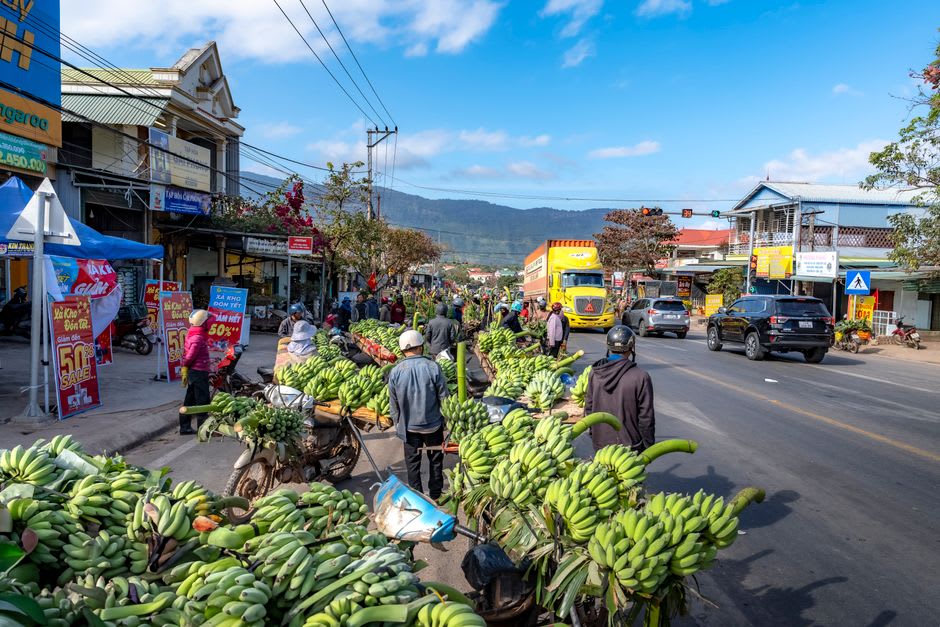
Melamchi’s bazaar street is a genuine crossroads — Tamang, Sherpa, and Newari traders all doing business in the same few blocks, buses loading produce and building supplies bound for villages further up the valley, a handful of tea shops where porters and drivers were arguing amiably about a football match on a static-filled radio. It’s not a scenic town in the way Tarkeghyang or Panauti are. It’s a functional one, and after a week of trekking through villages curated for visitors, that functionality felt like a useful corrective.
Why it’s worth a night, not just a passing bus
If you’re finishing the Helambu circuit here, consider staying rather than rushing straight back to Kathmandu. The town gives you a look at the practical, unglamorous side of how mountain communities recover from disaster and how goods and people actually move through this part of the country — a texture that the trekking trail above, focused on views and teahouses, doesn’t really show you.
When to go: October through April for stable road conditions and dry weather. Avoid the monsoon months of June through September, when the valley is prone to flooding and landslides can disrupt road access entirely.
Keep exploring
More from Nepal
 nepal
nepal Muktinath
A sacred pilgrimage site holy to both Hindus and Buddhists, where 108 stone spouts pour glacial water over anyone brave enough to stand under all of them.
Explore nepal
nepal Mustang
The forbidden walled kingdom of Lo Manthang, a Tibetan enclave of white-walled towns and ochre cliffs.
Explore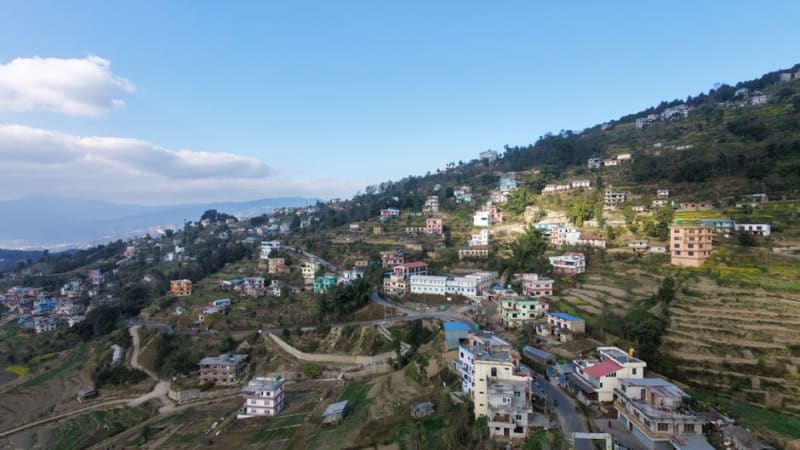 nepal
nepal Nagarkot
A ridge-top village above the Kathmandu Valley where a single sunrise over the Himalayas justifies the entire detour.
Explore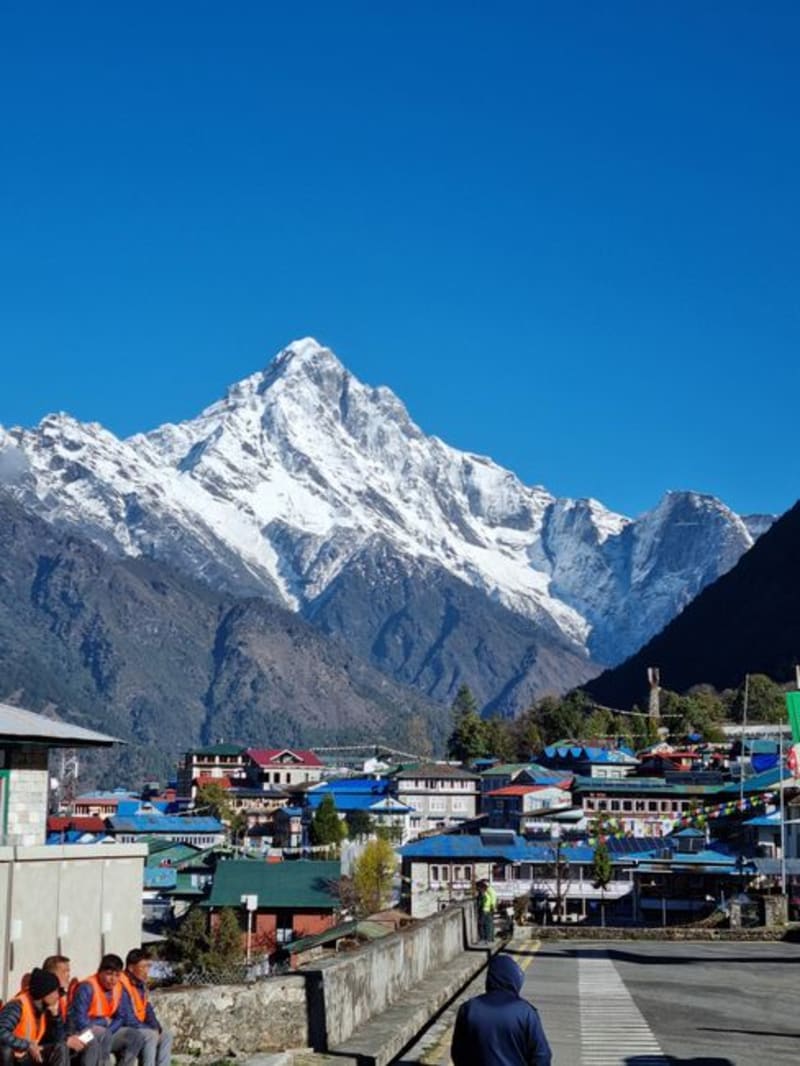 nepal
nepal Namche Bazaar
The horseshoe-shaped Sherpa capital carved into a mountainside, where trekkers stall out for two nights to acclimatize and end up staying for the bakeries.
Explore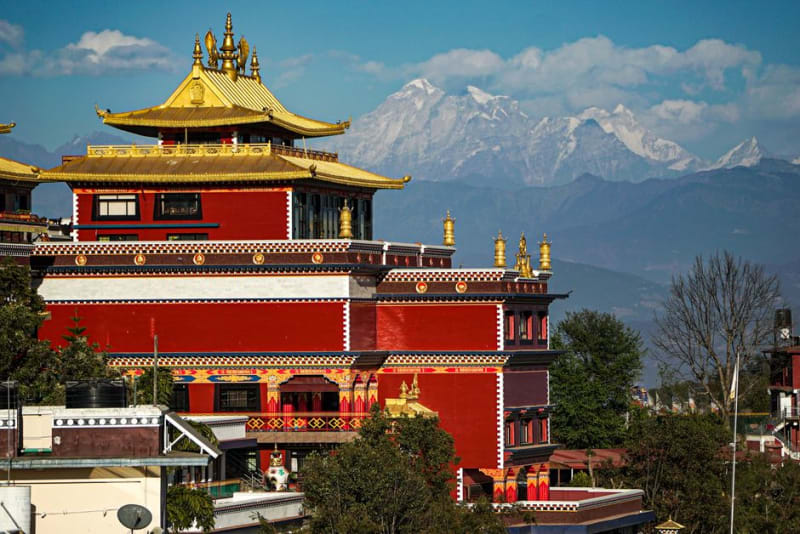 nepal
nepal Namobuddha
A ridge-top monastery east of Kathmandu where a Buddhist myth of self-sacrifice still perfumes the air with juniper smoke.
Explore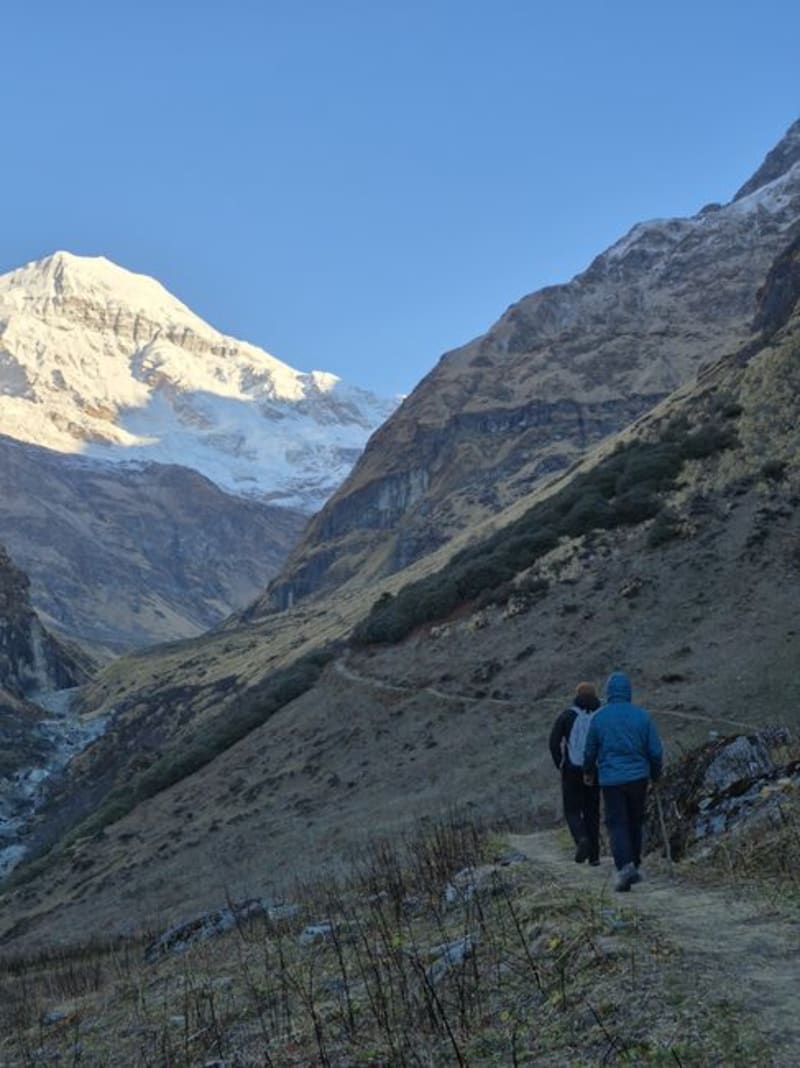 nepal
nepal Nar Phu Valley
A restricted-area valley branching off the main Annapurna Circuit into a hidden Tibetan Buddhist world of two fortress-like villages, requiring a special permit and delivering some of the least-visited trekking in Nepal.
Explore