Khaptad National Park
"Khaptad is the only place in Nepal where I stopped checking my phone for a signal, because I genuinely forgot I owned one."
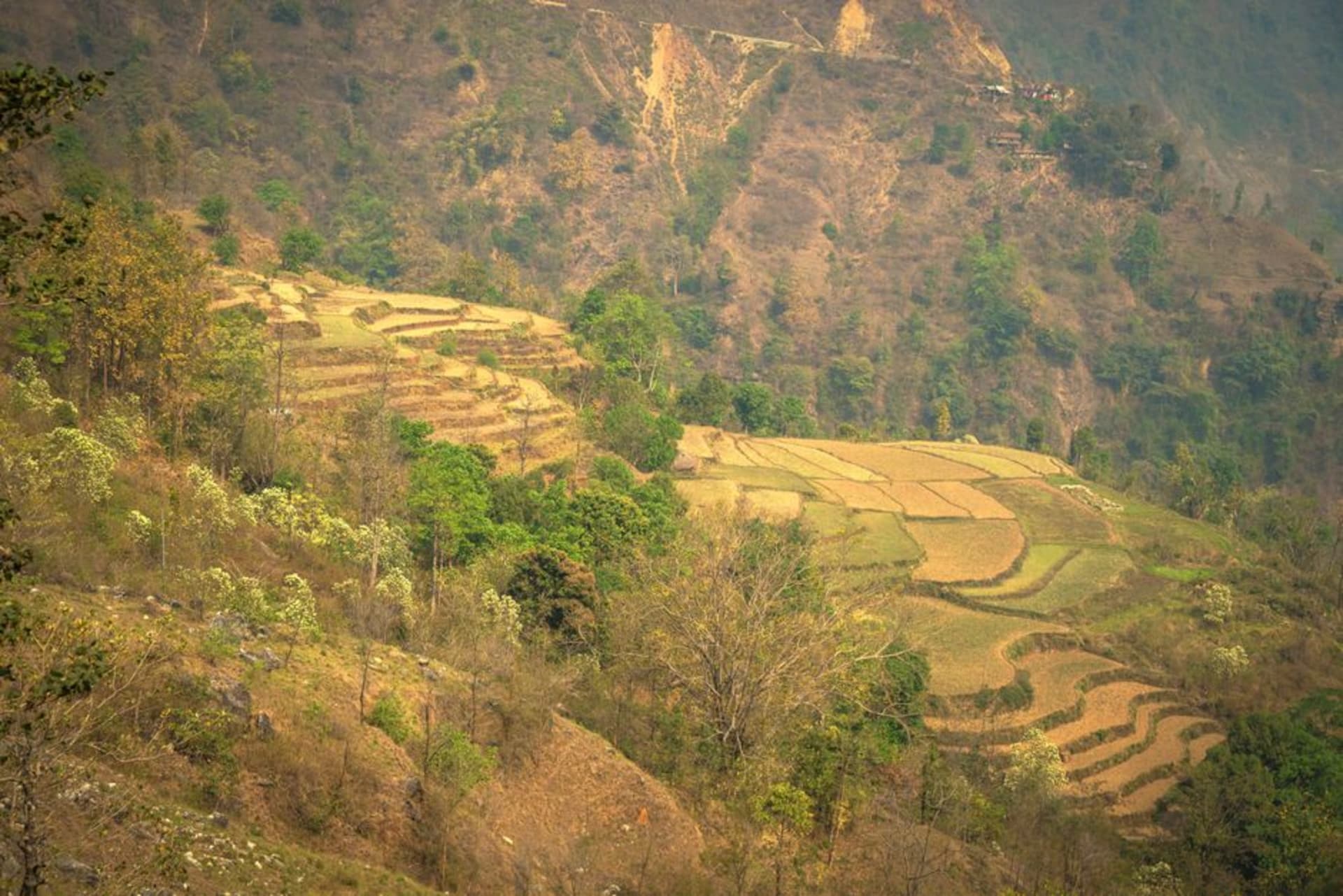
A high plateau of rolling meadows, oak forest, and hidden lakes in far-western Nepal, sacred to pilgrims and visited by almost no one else.

Nobody I mentioned Khaptad to in Kathmandu had actually been there. A few had heard of it — the ashram, the pilgrimage, something about a sage — but the park itself, a broad rolling plateau straddling four far-western districts, seemed to exist for most Nepalis as a rumor rather than a place. That alone was reason enough to go.
A Plateau That Doesn’t Look Like Nepal
The bus from Silgadhi to the park boundary climbs for hours through terraced hillsides before the landscape does something unexpected: it flattens. Khaptad sits around 3,000 meters, but instead of the jagged ridgelines you’d expect at that altitude, there are open meadows — locally called patans — stretching for kilometers, dotted with wildflowers in summer and grazing cattle belonging to families who hold seasonal grazing rights inside the park. Lia said it reminded her of parts of the French Alps above the treeline, minus the ski lifts and the crowds. I couldn’t disagree.

The Ashram of Khaptad Baba
At the heart of the park sits the ashram where Khaptad Baba, a revered sadhu, lived in seclusion for over four decades until his death in 1996. Hindu pilgrims still make the journey here, particularly around the full moon of Janai Purnima in August, when the trails fill briefly with people who otherwise never come this way. We arrived on an ordinary Tuesday and had the whole compound to ourselves except for a caretaker sweeping the courtyard and a family of langurs watching from a nearby oak.

The park protects nine small lakes scattered through the forest and meadow, most requiring a short detour off the main trails to find. We reached Khaptad Daha, the largest, in the late afternoon and sat by the water while a troop of langurs crashed noisily through the canopy above us, entirely unbothered by our presence — which felt about right for a place this overlooked.
When to go: April through June brings the meadows into full wildflower bloom and the clearest weather. September and October offer cooler temperatures after the monsoon, with the grasslands turning a soft gold. Winter brings snow and most facilities close.
Keep exploring
More from Nepal
 nepal
nepal Khumjung
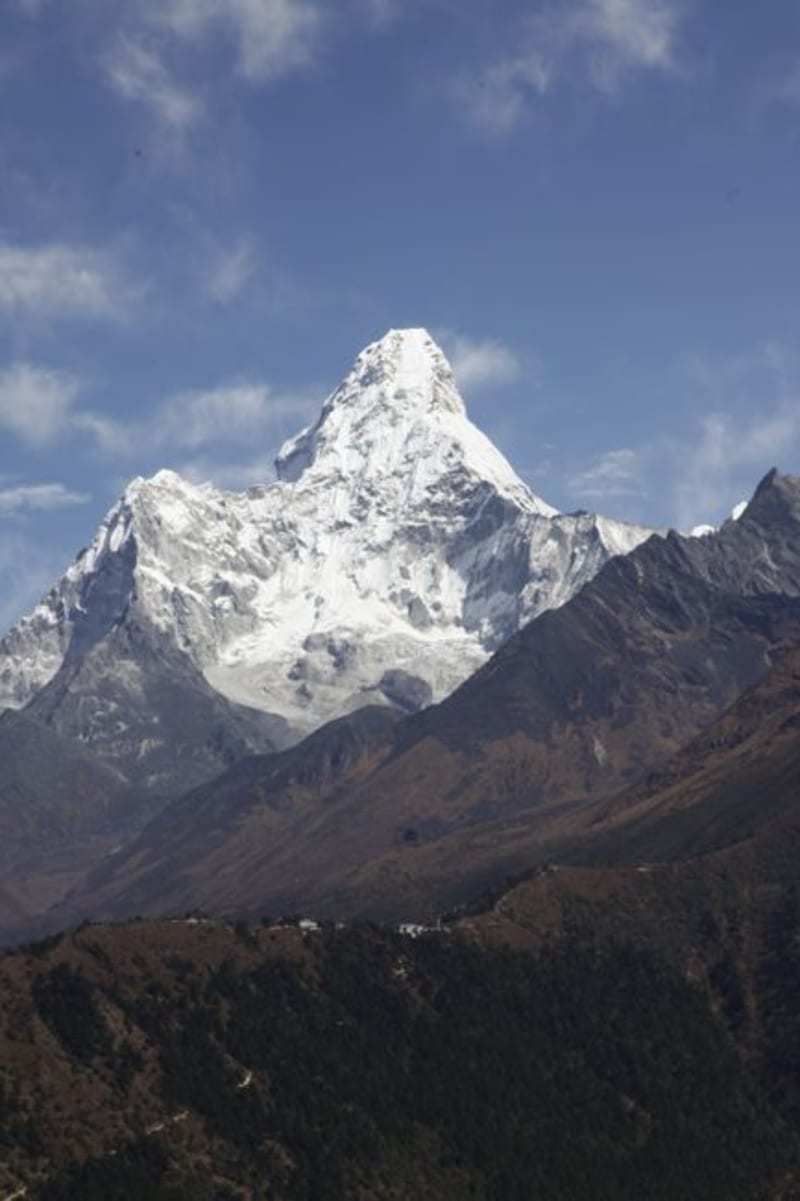
A quiet Sherpa farming village above Namche, home to Edmund Hillary's oldest school and a monastery relic that draws its own peculiar kind of pilgrim.
Explore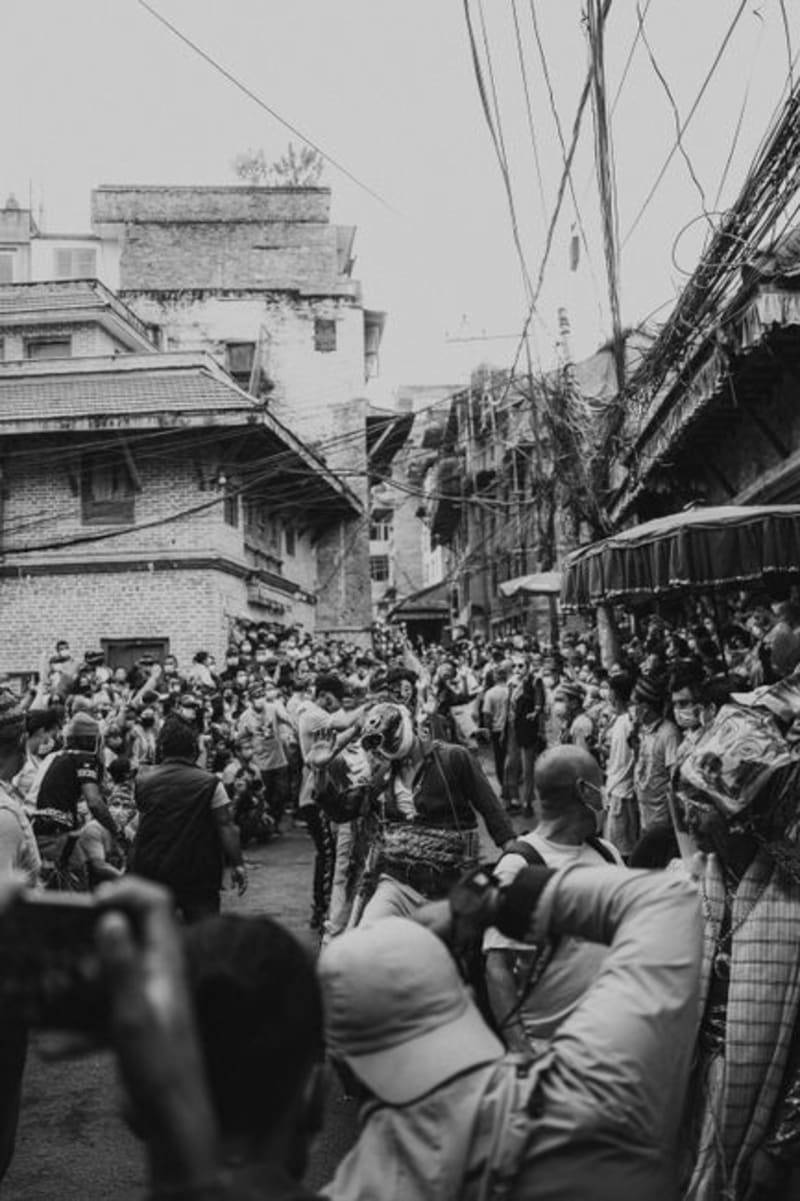 nepal
nepal Kirtipur
A hilltop Newari town on Kathmandu's edge that skipped the tourist economy entirely and kept its temples, weaving, and quiet.
Explore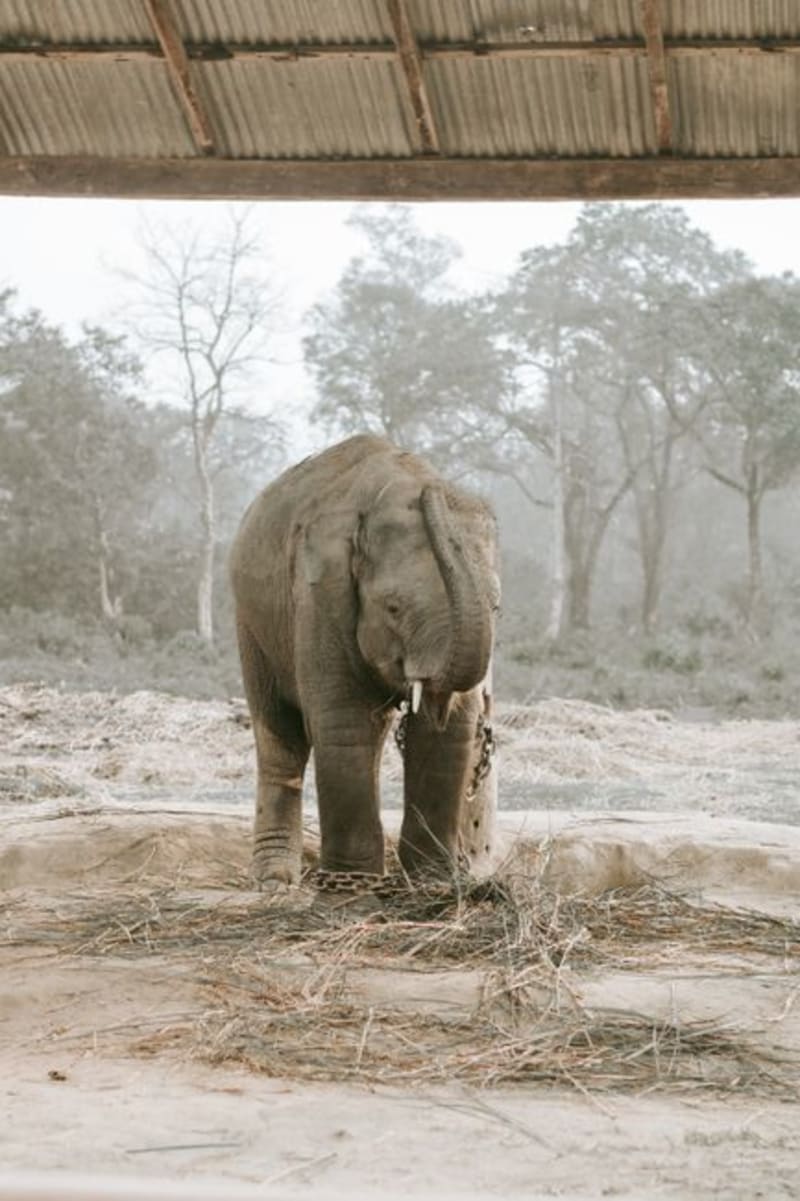 nepal
nepal Koshi Tappu Wildlife Reserve
A vast wetland reserve on the Koshi River holding Nepal's last wild water buffalo and some of the richest birdlife in South Asia.
Explore nepal
nepal Langtang Valley
A glacier-carved valley just north of Kathmandu that feels like the Himalayas at their most intimate — close enough to walk to from the capital, wild enough that you can go days without seeing another foreigner.
Explore nepal
nepal Lukla
The mountain airstrip everyone flies into and nobody plans to enjoy — until the fog clears and you realize the town itself has its own strange charm.
Explore nepal
nepal Lumbini
The birthplace of the Buddha sits in the flat Terai plains as a strange, serene collision of pilgrimage fervor and museum-quiet emptiness.
Explore