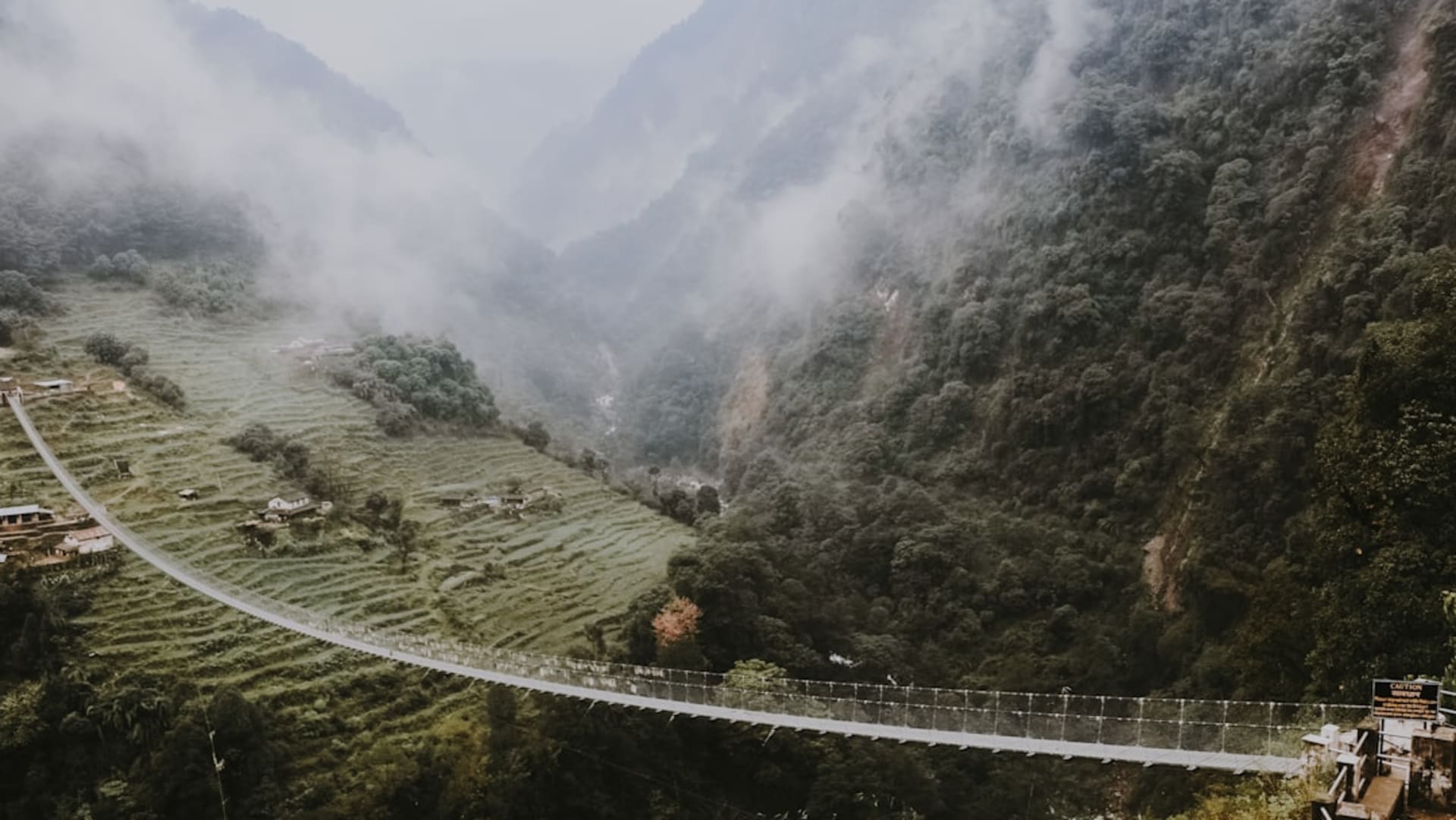
Ghandruk
"I stopped for one night in Ghandruk and stayed for three, mostly because of the view from the guesthouse toilet."
A stone-and-slate Gurung village stacked into an Annapurna hillside, close enough to reach in two easy days and beautiful enough that you'll wish you'd budgeted for a third.

Ghandruk gets treated as a warm-up — the village you pass through on day one or two of the Annapurna Base Camp trek before the “real” trekking starts. I think that’s backwards. Ghandruk is one of the best-preserved Gurung settlements in the region, a tight cluster of stone houses with slate roofs climbing a ridge at 1,940 meters, and on a clear morning Annapurna South and Machapuchare sit so close and so large above the rooftops that they look photoshopped. Lia and I arrived expecting a transit stop and ended up staying an extra night just to sit on the guesthouse terrace and watch the light change on the peaks.
The village itself
Ghandruk is old money by trekking-village standards — it’s been a stop on the Annapurna route since the 1970s, and the community reinvested tourism income into the place rather than letting it sprawl. The lanes are stone-paved, narrow enough for one loaded mule at a time, and the Gurung Museum near the center is a small, unglamorous room full of kukri knives, old gramophones, and British Army memorabilia from the Gurkha regiments — a reminder that this region has sent soldiers abroad for two centuries and the money that came back built half of what you’re walking through.

Why it’s worth more than a night
Most itineraries treat Ghandruk as a one-night stop on the way up and a passing lunch spot on the way down. If you have the extra day, take the loop trail out to Kimrong Danda or up toward Tadapani through rhododendron forest that turns the whole hillside red in March. The crowds thin out almost immediately once you’re off the main ABC trail, and the villages beyond — smaller, quieter, fewer guesthouses — feel like the version of the Annapurna region that existed before it became a bucket-list line item.

Lia pointed out that Ghandruk is the first place on the trek where dal bhat actually tastes different from teahouse to teahouse — home gardens instead of trucked-in supplies, more variety in the pickles, a spice mix that shifts from kitchen to kitchen. It’s a small thing but it’s the kind of detail that tells you you’re still somewhere with its own rhythm, not yet fully absorbed into the trekking-industrial complex further up the trail.
When to go: October and November give you the clearest mountain views and the most reliable weather. March and April are nearly as good and add blooming rhododendron forest on the surrounding ridges, which is worth the slightly hazier skies.
Keep exploring
More from Nepal
 nepal
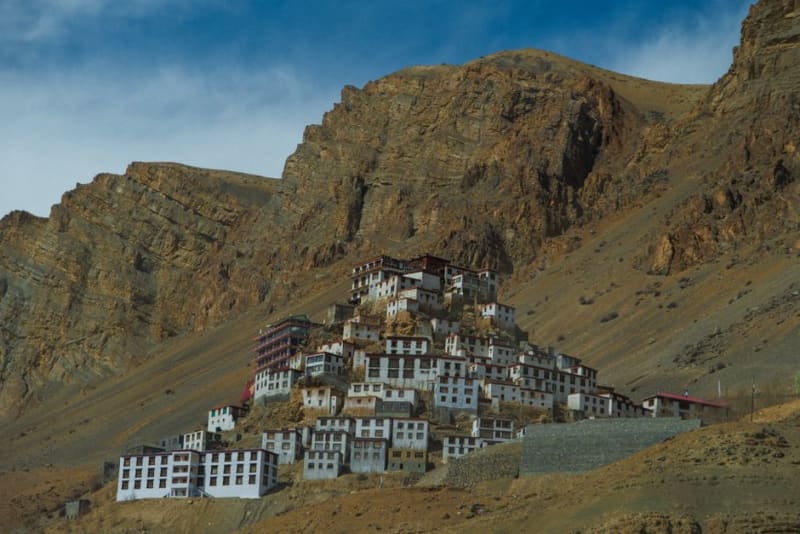
nepal Ghar Gompa
A cliffside monastery older than Tibetan Buddhism's own oldest monastery, tucked in a side valley that most Upper Mustang jeep routes bypass.
Explore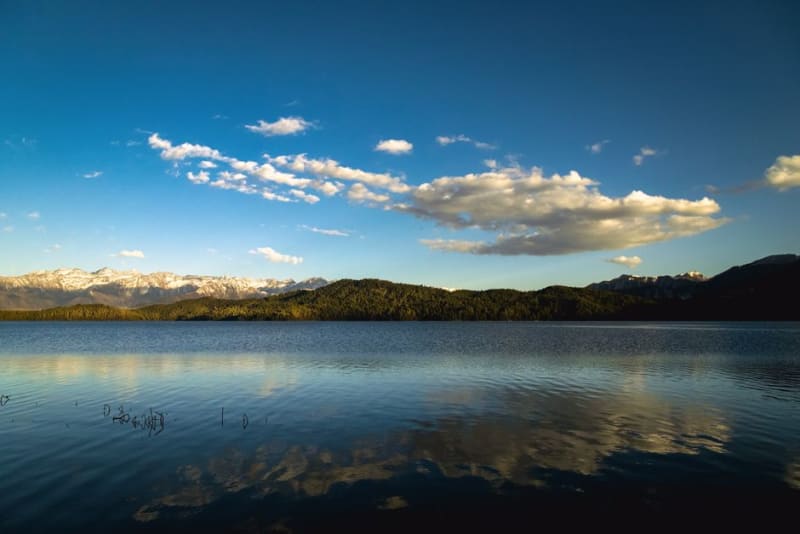 nepal
nepal Ghodaghodi Lake
A sprawling wetland system in the far-western Terai, a Ramsar site of lily-covered lakes, crocodiles, and migratory birds that almost no itinerary includes.
Explore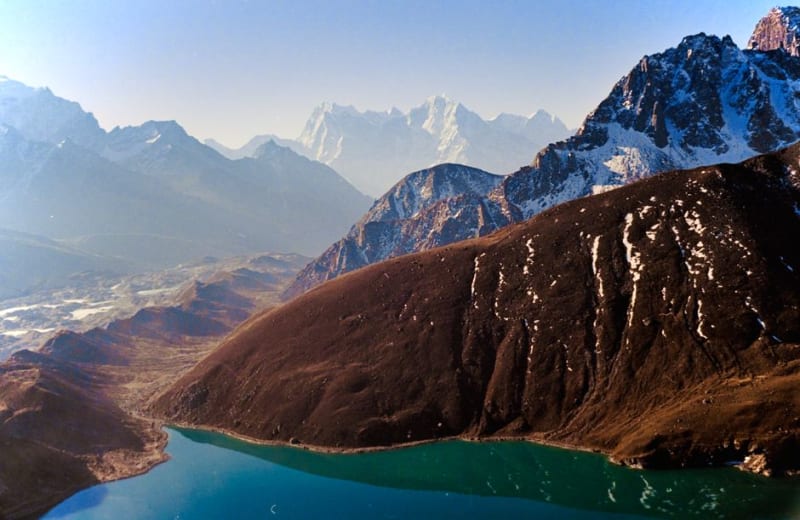 nepal
nepal Gokyo Lakes
A chain of glacial lakes in a side valley west of the main Everest trail, turquoise against grey moraine, reached by far fewer trekkers than the numbers deserve.
Explore nepal
nepal Gorkha
The hilltop fortress town where Prithvi Narayan Shah launched the unification of Nepal, still guarded by a palace perched improbably on a cliff edge.
Explore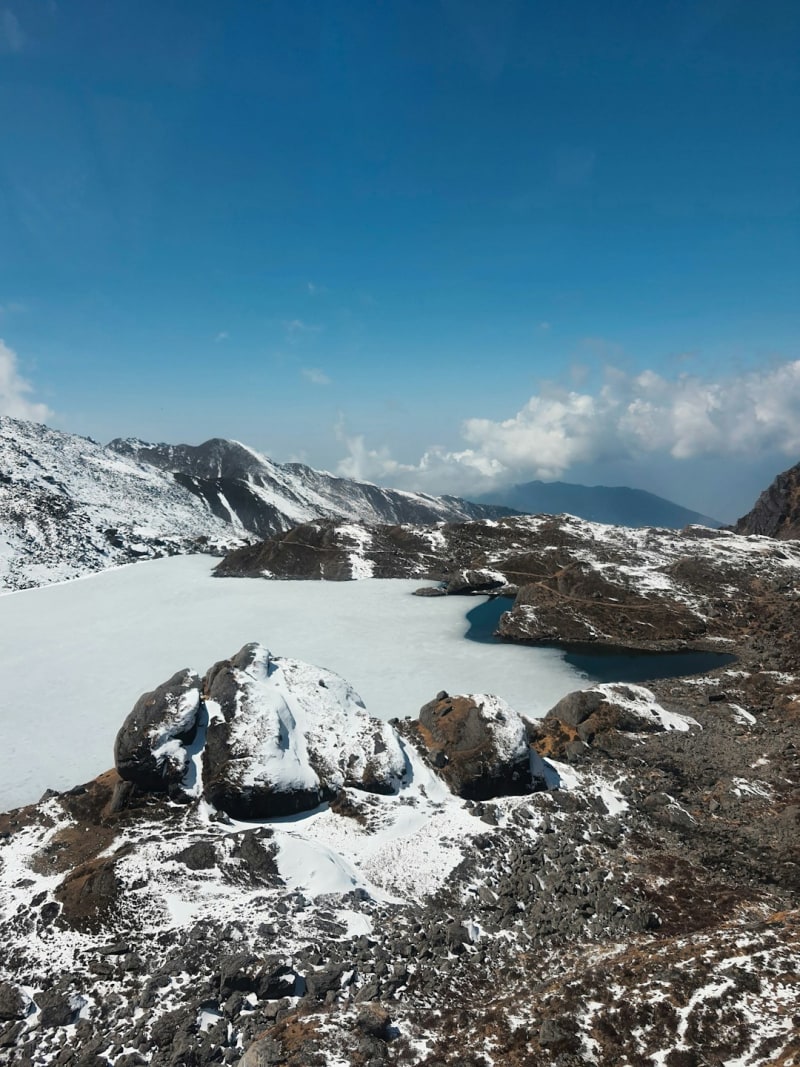 nepal
nepal Gosaikunda Lake
A sacred alpine lake at 4,380 meters, frozen half the year and swarmed by pilgrims the other half, reached by a brutal ridge trail that rewards you with some of the starkest scenery in the Langtang region.
Explore nepal
nepal Gupteshwor Cave
A limestone cave beneath Pokhara where an underground river meets a Shiva shrine in total darkness.
Explore