Middle East
Iran
"I expected monuments. I found people who made me feel like a guest."
A civilization that wrote poetry while Europe was still in mud huts — and whose people will invite you for tea before you've figured out which way the mosque faces.

I landed in Tehran on a Tuesday evening and spent the first forty minutes arguing with the currency exchange math in my head. Iran uses rials, then people quote prices in tomans (one toman equals ten rials), and nobody bothers to mention which unit they’re using. A taxi driver in his sixties eventually leaned out his window, did the arithmetic for me, and then invited me for tea. That is Iran in miniature: confusing on the surface, generous underneath.
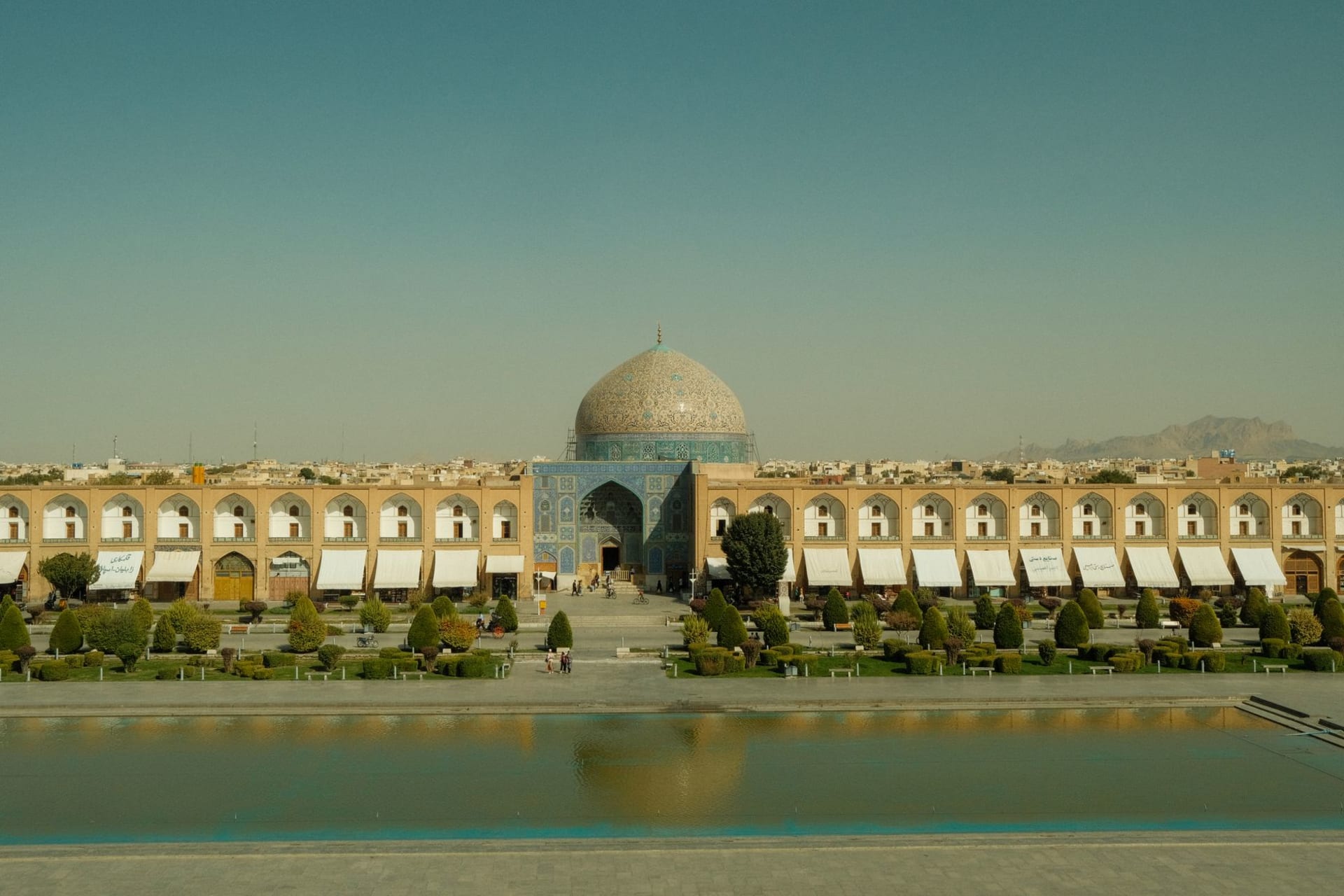
Isfahan stopped me. I had seen mosque photos before traveling there — blue domes, turquoise tiles — but photographs do not prepare you for the scale of Naqsh-e Jahan Square. It is the second largest public square in the world, and at dusk, when the light goes sideways and the Shah Mosque turns from blue to indigo to almost black, I sat on the grass at the center and did nothing for two hours. The Imam Mosque’s entrance portal rises to thirty meters and is entirely covered in a mosaic so dense and precise it looks like computation. Inside, a single handclap at the center of the prayer hall returns as seven distinct echoes. The architects of the seventeenth century were showing off, and they earned it.
The food is nothing like what the West sells as Persian cuisine. Ghormeh sabzi — a slow-cooked stew of herbs, kidney beans, and dried limes that smells like something left to ferment in a garden — arrived at a family table in Shiraz along with flatbread still warm from a clay oven and a plate of fresh herbs and radishes that Iranians eat the way the French eat a salad. Fesenjan, the walnut and pomegranate duck, was richer and darker than I’d expected. In bazaars, saffron sold by weight for less than I pay for a tiny grocery-store jar in Mexico. I came back with my luggage smelling of it.
When to go: March to May for the best weather — the Nowruz holiday in late March means Iranians themselves are traveling, which is chaotic and wonderful. September and October are excellent too: cooler, quieter, harvest colors in the north. Avoid July and August in central Iran — the plateau cities bake above 40°C.
What most guides get wrong: They write about Iran as though the attraction is purely archaeological — the ruins, the mosques, the empire. The ruins are extraordinary, yes. But the country’s distinguishing feature is its people: educated, curious, often multilingual, and operating under a government they will describe to you, with surprising candor, as a problem. Iranians distinguish sharply between their own culture — five thousand years of it — and their current political context. If you arrive expecting to find a closed or hostile society, you will be disoriented almost immediately by how warmly and openly you are received.
Explore
Places in Iran
 iran
iran Abarkuh
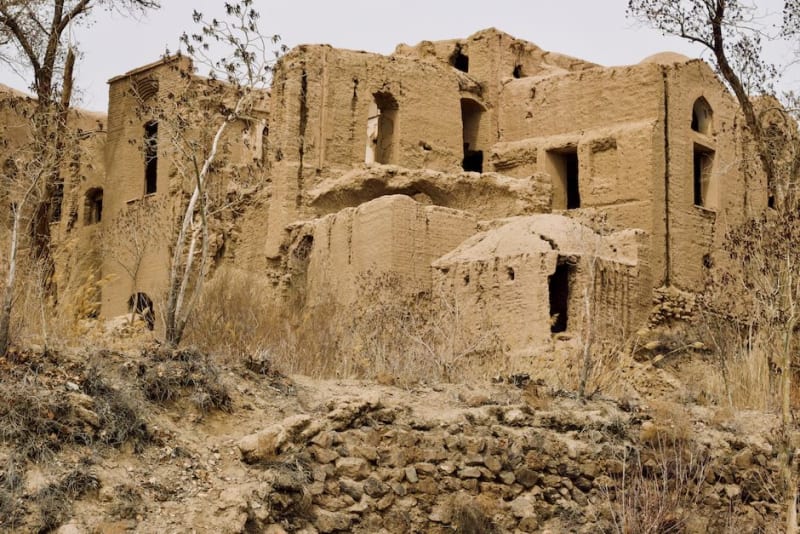
A quiet desert town built around a four-thousand-year-old cypress tree that was already ancient when most of history happened.
Explore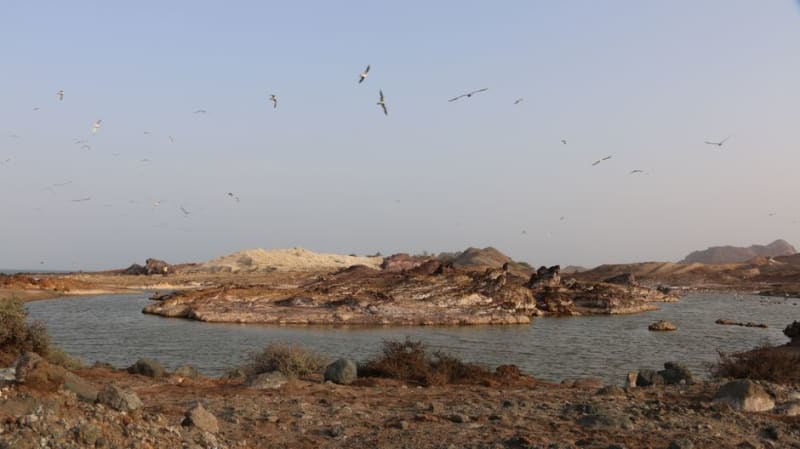 iran
iran Abu Musa Island
A small, quietly militarized Persian Gulf island at the center of a decades-long territorial dispute, with red volcanic hills and almost no visitors at all.
Explore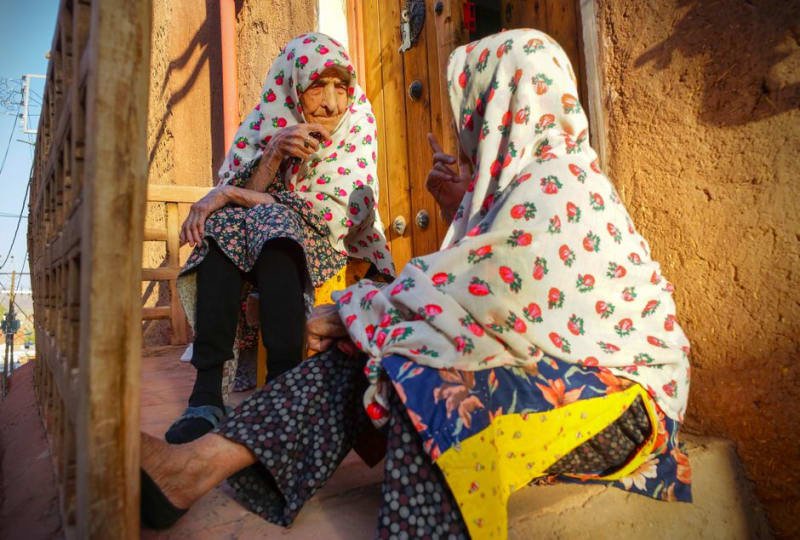 iran
iran Abyaneh
A mountainside village built entirely of red clay, where old women in floral headscarves still speak a dialect closer to Middle Persian than Farsi.
Explore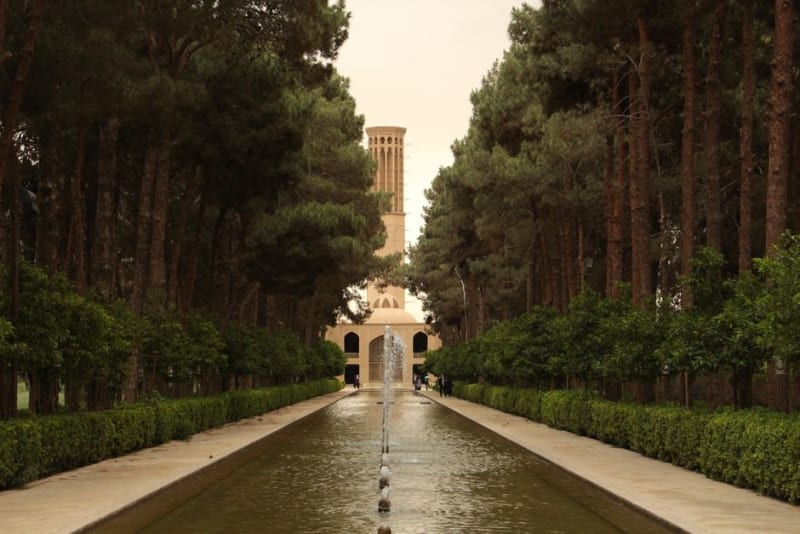 iran
iran Afif-Abad Garden
A Qajar general's private garden and armory, now one of Shiraz's quietest museums — and its best-kept secret for an afternoon nap under a cypress.
Explore iran
iran Agha Bozorg Mosque
A sunken twin-courtyard mosque-madrasa where the architecture itself teaches a lesson in Islamic cosmology, one level at a time.
Explore iran
iran Ahvaz
A hot, unpretentious oil city on the Karun River that most travelers skip entirely, and the best base for exploring Khuzestan's ancient sites.
Explore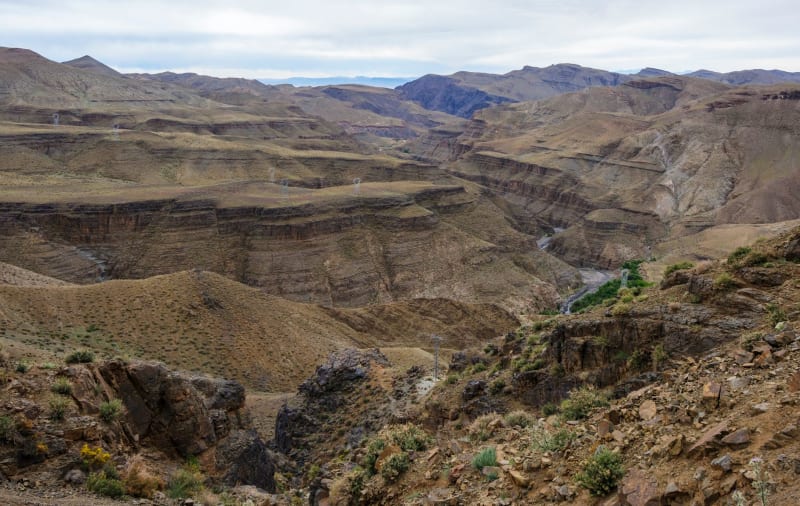 iran
iran Alamut Valley
A narrow Alborz mountain valley where the Assassins built their eagle's nest castles on unassailable ridges, and apple orchards fill the floor below in almost implausible tranquility.
Explore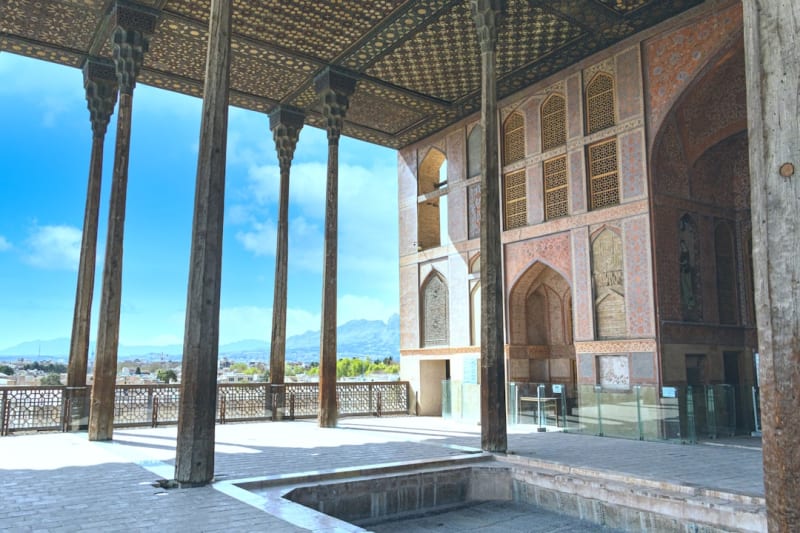 iran
iran Ali Qapu Palace
A six-story royal grandstand overlooking Naqsh-e Jahan Square, topped by a music room whose plaster walls are carved into hollow instrument shapes for acoustics, not decoration.
Explore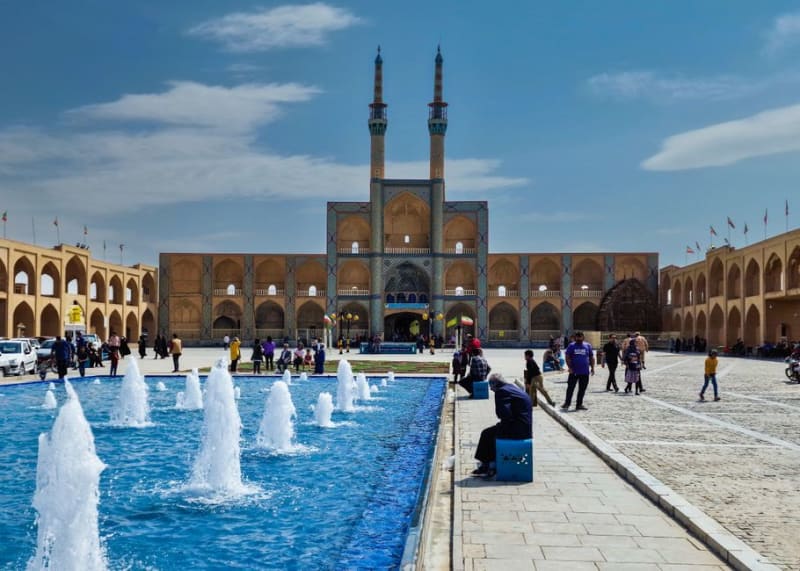 iran
iran Amir Chakhmaq Complex
A three-tiered facade of symmetrical sunken alcoves that turns into Yazd's evening living room the moment the sun goes down.
Explore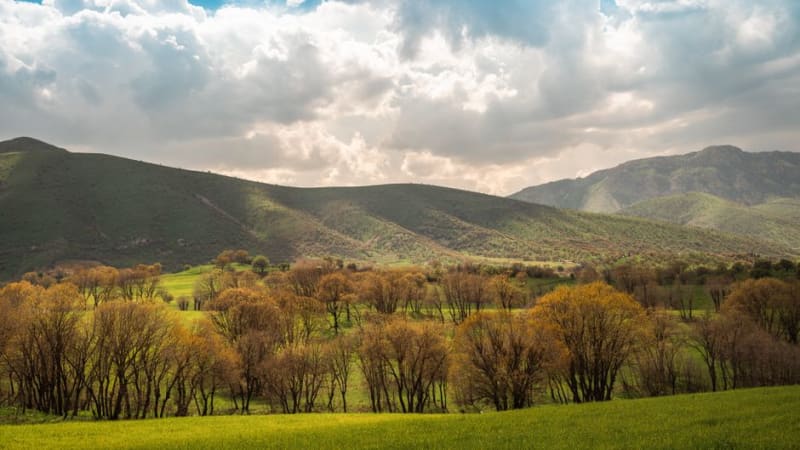 iran
iran Aran va Bidgol
A carpet-weaving desert town at the edge of a salt lake, where you can watch a rug take shape thread by thread and then walk out onto white crust to the horizon.
Explore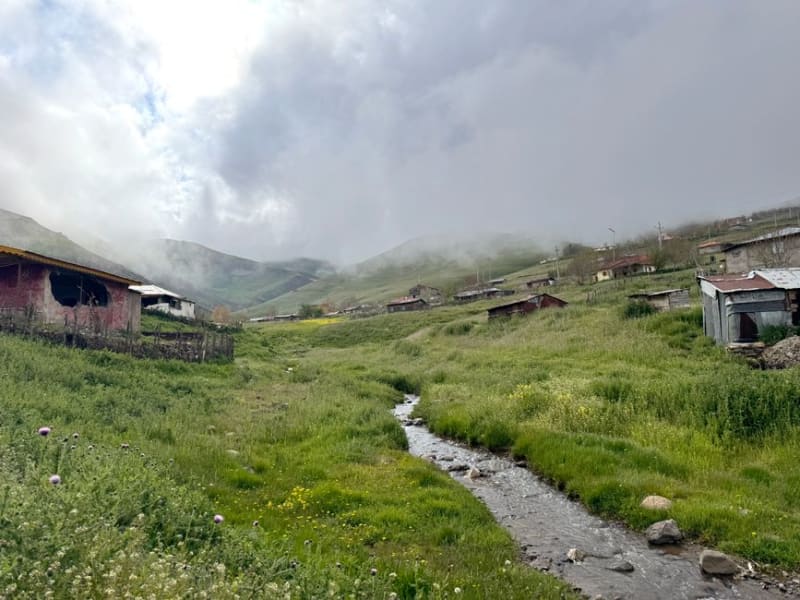 iran
iran Ardabil
A cool, mountainous city built around the shrine of a Sufi saint whose descendants founded the Safavid dynasty — the tomb complex that essentially launched modern Iran, wrapped in tile work most travelers never see.
Explore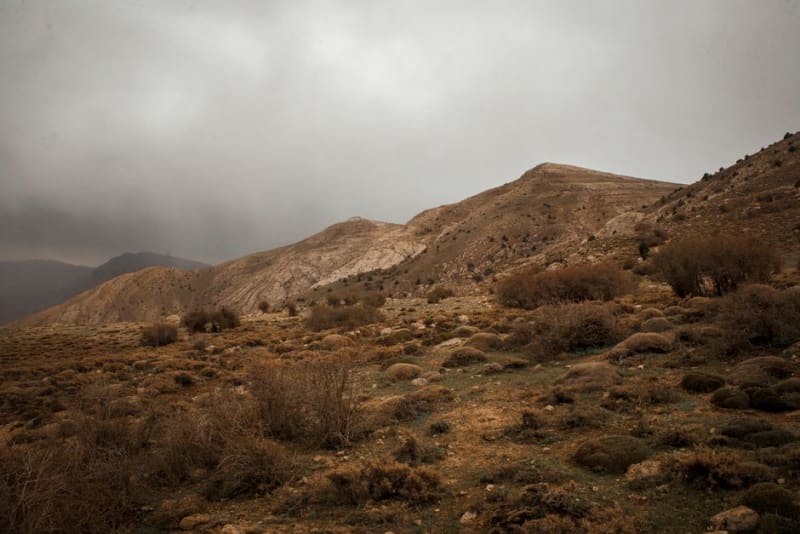 iran
iran Ardestan
A dusty desert town with one of Iran's oldest Friday mosques, where a millennium of architectural additions are stacked in visible layers.
Explore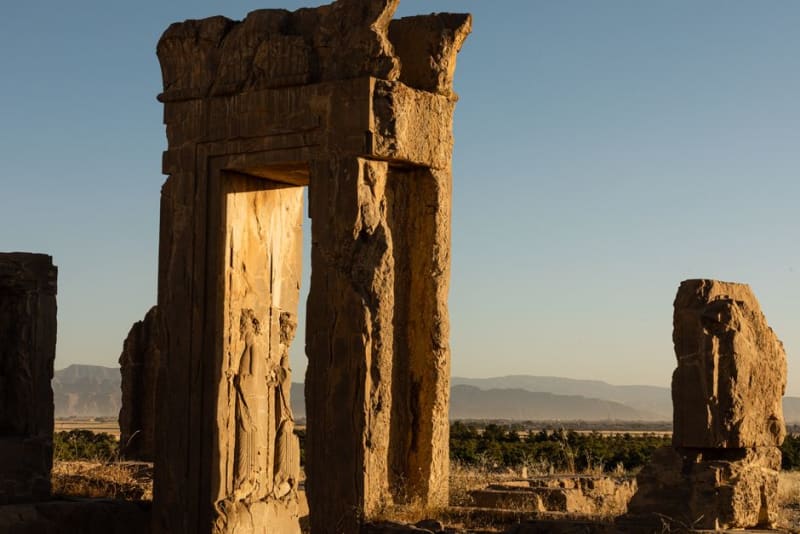 iran
iran Atashgah Fire Temple
A crumbling Zoroastrian hilltop ruin on Isfahan's western edge, older than the mosques by centuries, where a single fire once burned as a beacon across the plain.
Explore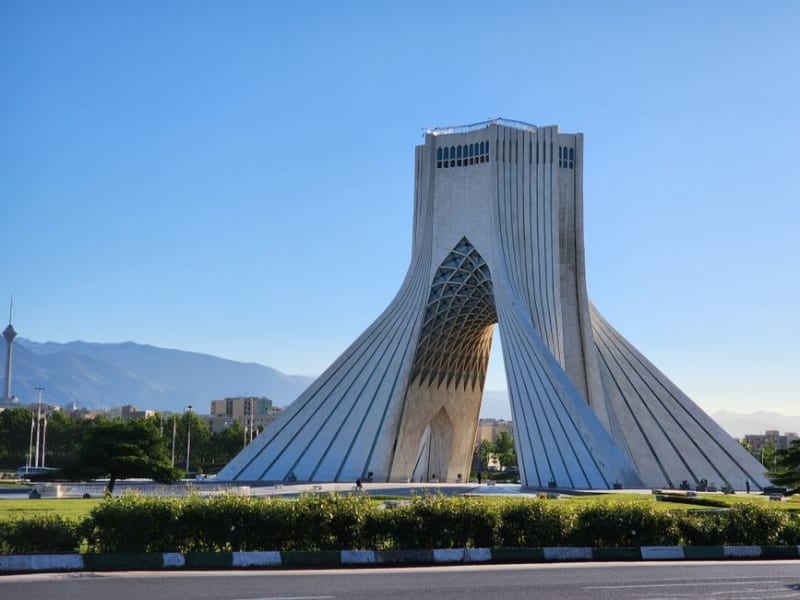 iran
iran Azadi Tower
The white marble arch that has watched over every major moment in modern Iranian history from the same traffic circle, and the underground museum most visitors never find.
Explore iran
iran Babak Fort
A crumbling fortress balanced on a knife-edge ridge above the Arasbaran forests, built by a ninth-century rebel leader who held off the Abbasid Caliphate here for years — and a hike that will leave your legs shaking.
Explore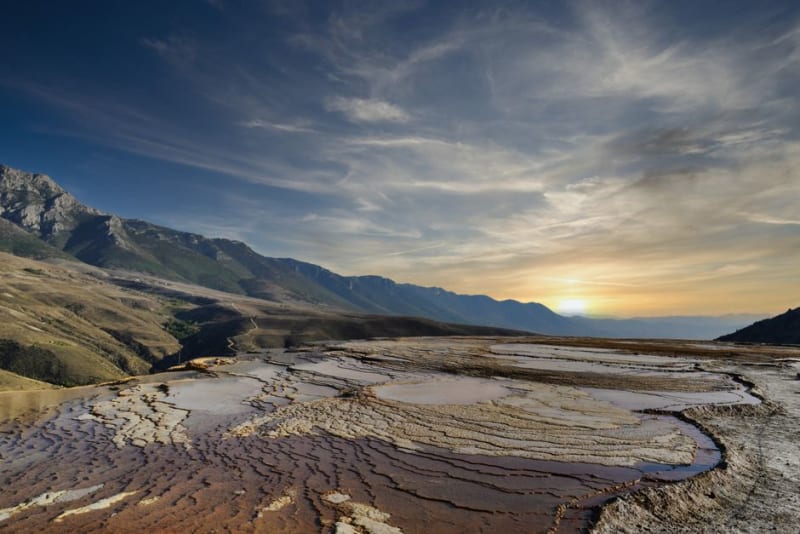 iran
iran Badab-e Surt
A staircase of orange and cream travertine terraces built by two mineral springs over thousands of years, in a remote corner of Mazandaran that most visitors to Iran never hear about.
ExploreAll areas in Iran
- Bam
- Bandar Abbas
- Bandar-e Anzali
- Bandar Lengeh
- Bisotun
- Bushehr
- Chaharbagh School
- Chak Chak
- Chalus Road
- Chehel Sotoun Palace
- Chogha Zanbil
- Darakeh
- Dowlat Abad Garden
- Eram Garden
- Fin Garden
- Gorgan
- Hasht Behesht Palace
- Hawraman Valley
- Hengam Island
- Hormuz Island
- Isfahan
- Isfahan Grand Bazaar
- Jameh Mosque of Isfahan
- Jameh Mosque of Yazd
- Jamshidieh Stone Garden
- Javaherdeh
- National Jewelry Treasury
- Jolfa
- Kandovan
- Kashan
- Kelardasht
- Kerman
- Khaju Bridge
- Kharanaq
- Kharg Island
- Khorramabad
- Khoy
- Kish Island
- Lahijan
- Larak Island
- Maku
- Maranjab Desert
- Marivan
- Mashhad
- Masuleh
- Meybod
- Milad Tower
- Minab
- Naqsh-e Rajab
- Naqsh-e Rustam
- Narenjestan-e Qavam
- Natanz
- Niasar
- Niavaran Palace Complex
- Palangan
- Pasargadae
- Persepolis
- Qareh Kelisa (Black Church)
- Qeshm Island
- Qom
- Ramsar
- Rasht
- Rig-e Yazd Desert
- Sa'dabad Palace Complex
- Sanandaj
- Sarein
- Sari
- Sar Yazd Castle
- Shah-e Cheragh
- Monar Jonban, the Shaking Minarets
- Shemshak
- Shiraz
- Shushtar
- St. Stepanos Monastery
- Susa
- Tabatabaei House
- Tabiat Bridge
- Tabriz
- Takht-e Soleyman
- Taq-e Bostan
- Tehran
- Tepe Sialk
- Tochal
- Tomb of Hafez
- Tomb of Saadi
- Lake Urmia
- Vakil Complex
- Vank Cathedral and the Jolfa Quarter
- Yazd
- Zeinodin Caravanserai