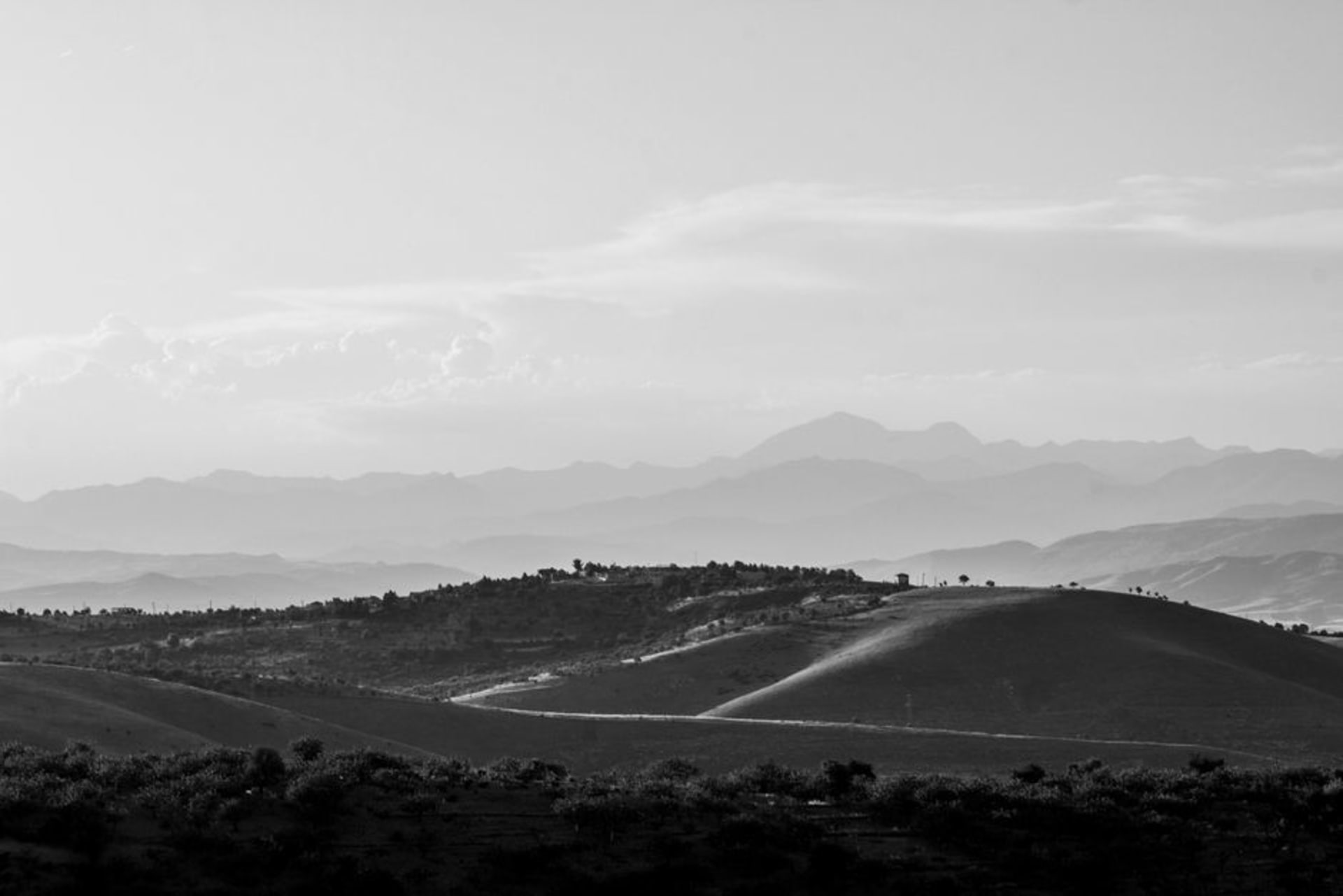
Marivan
"Marivan is the first place in Iran where I stopped checking my map and just looked at the water."
A Kurdish lake town on the Iraqi border where Zrebar Lake turns the surrounding Zagros peaks upside down.

Marivan sits close enough to the Iraqi border that my phone briefly greeted me with a foreign carrier’s welcome text, which felt like a strange kind of proof that I’d genuinely reached the edge of the country. What kept me there two extra days wasn’t the border, though — it was the lake.
A Lake That Doubles Everything
Zrebar Lake — one of the few natural freshwater lakes in Iran — sits in a bowl of Zagros peaks just outside town, and on a still morning the water reflects the surrounding ridgeline so precisely that photographs of it look flipped or edited even when they aren’t. Locals picnic on its banks year-round, and a paved path circles part of the shoreline where I watched a group of teenagers set up an elaborate tea service on a blanket with the seriousness of a formal dinner.

Kurdish Life Away from the Capital
Marivan feels less curated for outsiders than Sanandaj, its larger regional neighbor. The market sells mostly practical goods — tools, produce, household items — rather than souvenirs, and Kurdish is spoken almost exclusively on the street, with Farsi reserved for official business. A tea house owner near the lakefront, hearing I’d come from Mexico by way of France, laughed and said I’d traveled further to reach his town than most of his own relatives who’d emigrated to Europe ever traveled back.
Forests That Aren’t Supposed to Be There
The hills around Marivan support oak forest that feels almost Mediterranean in density, a surprising contrast to the arid image most people carry of Iran. Hiking a short trail above the lake with Lia, we startled a pair of partridges out of the underbrush, and for a moment the whole scene — pine-oak forest, still water, cool mountain air — felt like it had been misfiled under the wrong country.

When to go: May through July for wildflowers and the fullest lake levels, or September for cooler air and fewer domestic tourists. The border region can have periodic access restrictions, so it’s worth confirming conditions locally before planning a visit.
Keep exploring
More from Iran
 iran
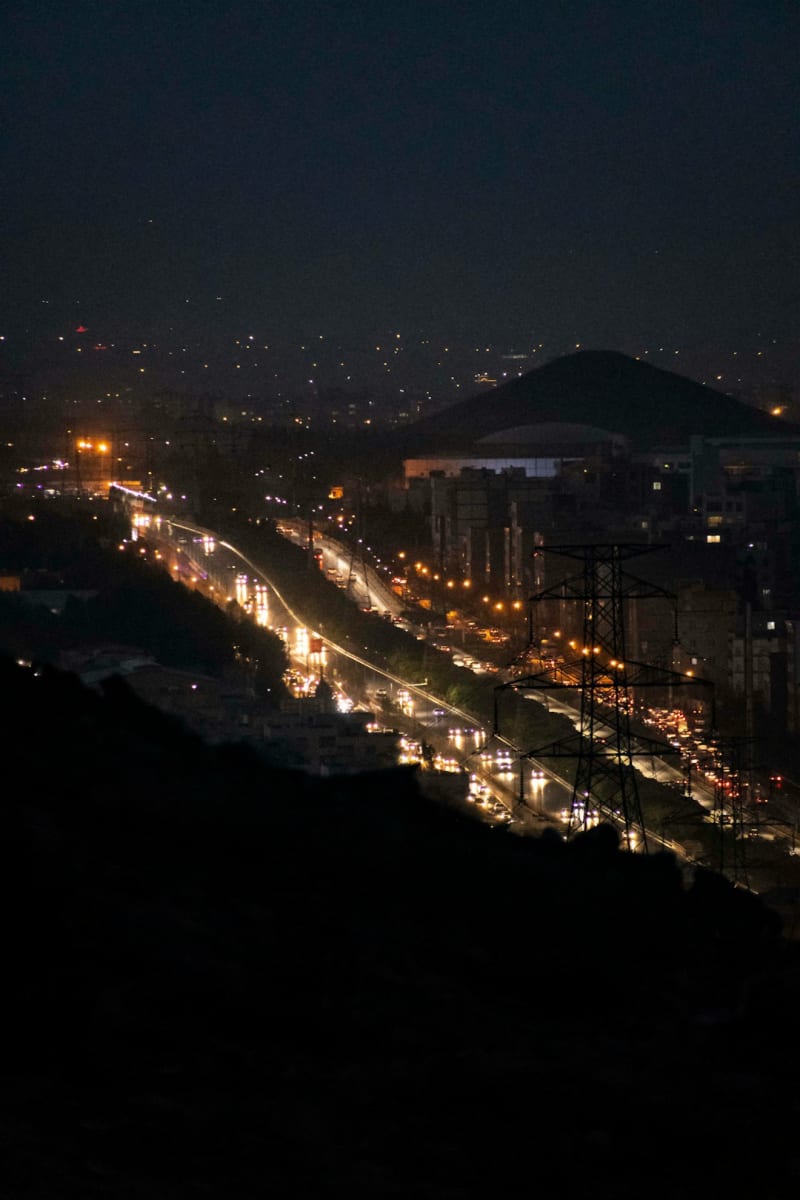
iran Mashhad
Iran's second-largest city and its greatest pilgrimage destination, built around the shrine of Imam Reza and pulling in more annual visitors than Mecca.
Explore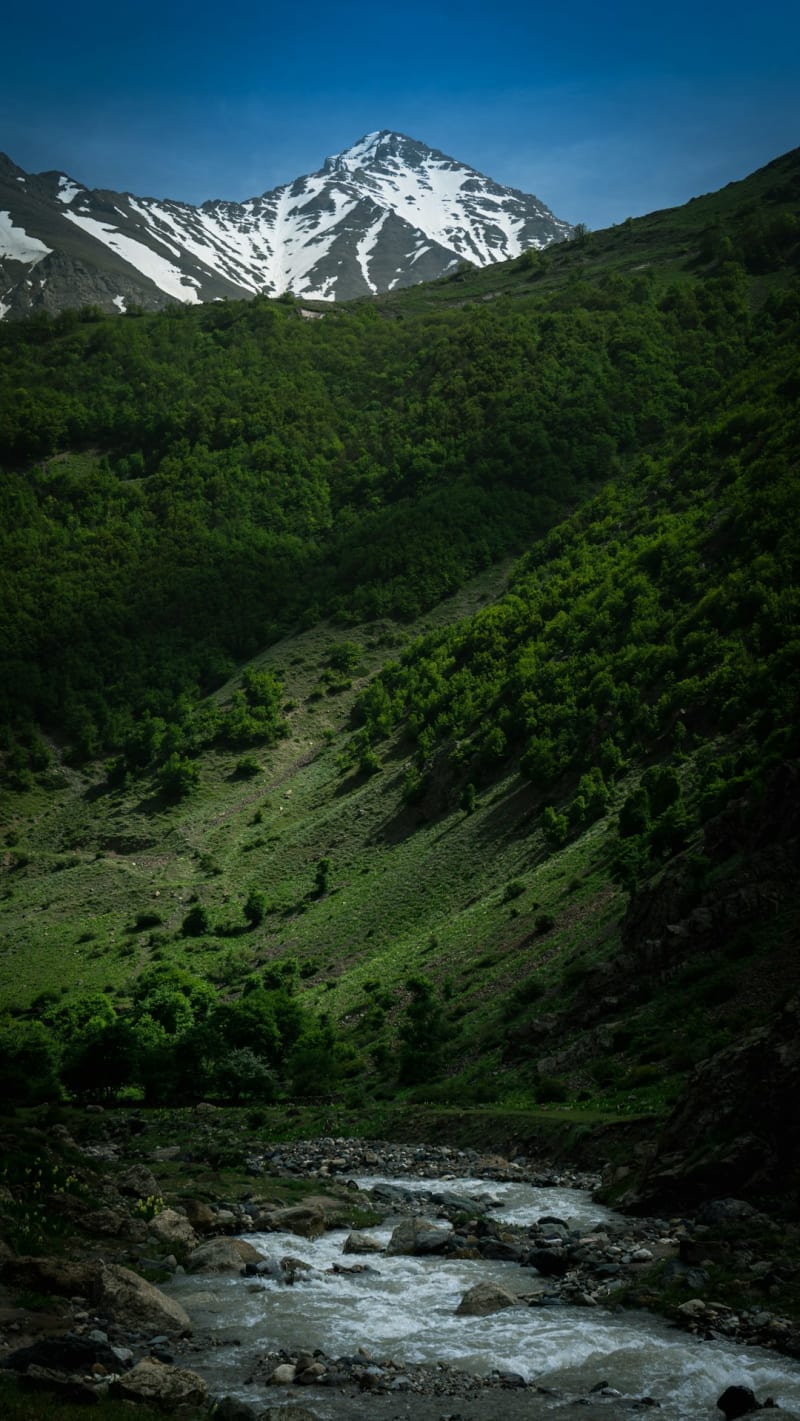 iran
iran Masuleh
A village built in steps up a cliff face in the Alborz foothills, where every roof doubles as the courtyard of the house above it, and the whole town is closed to cars.
Explore iran
iran Meybod
A desert town where a mud-brick castle, an ancient ice house, and a working pigeon tower sit within walking distance of each other.
Explore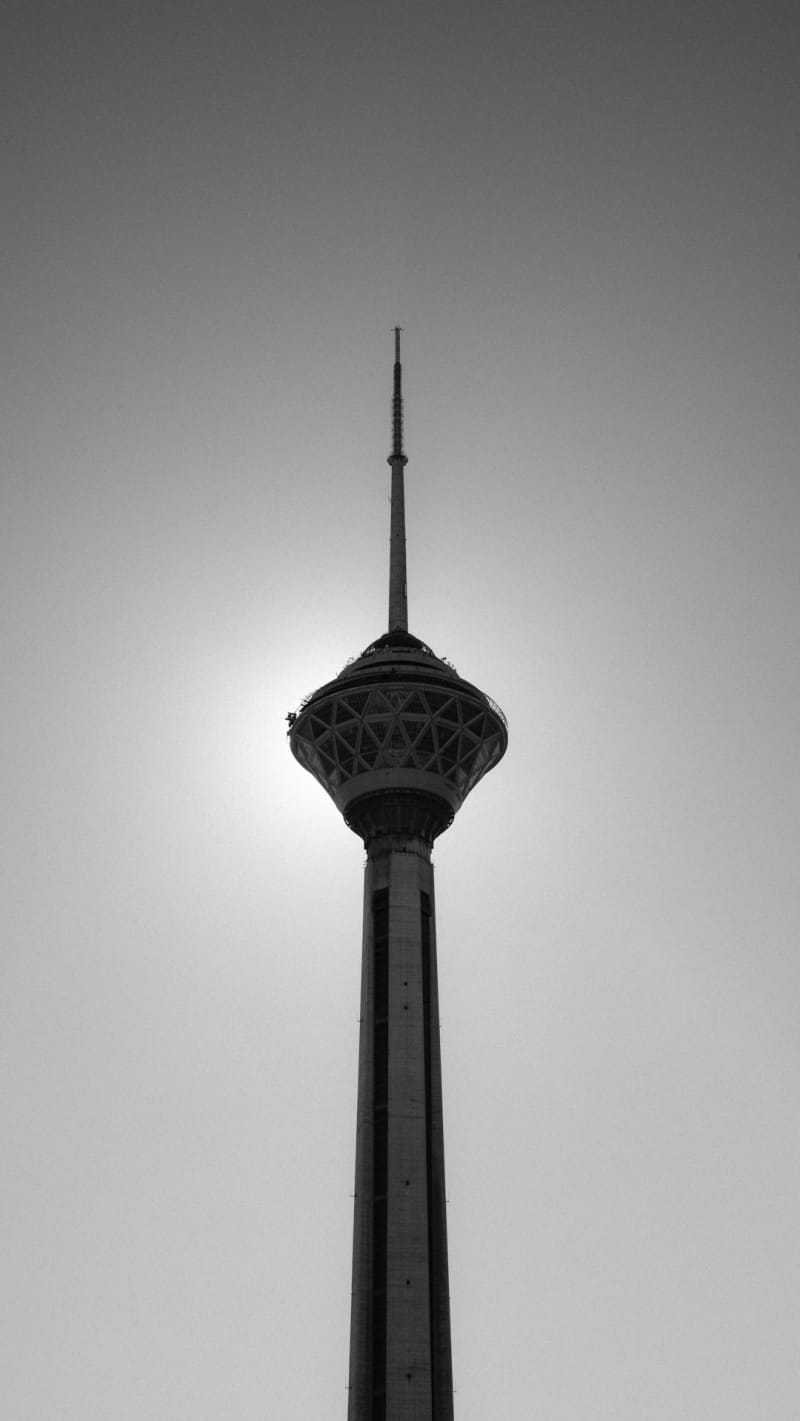 iran
iran Milad Tower
Tehran's 435-meter needle, where a revolving restaurant and an observation deck give you the one view that makes the city's scale finally make sense.
Explore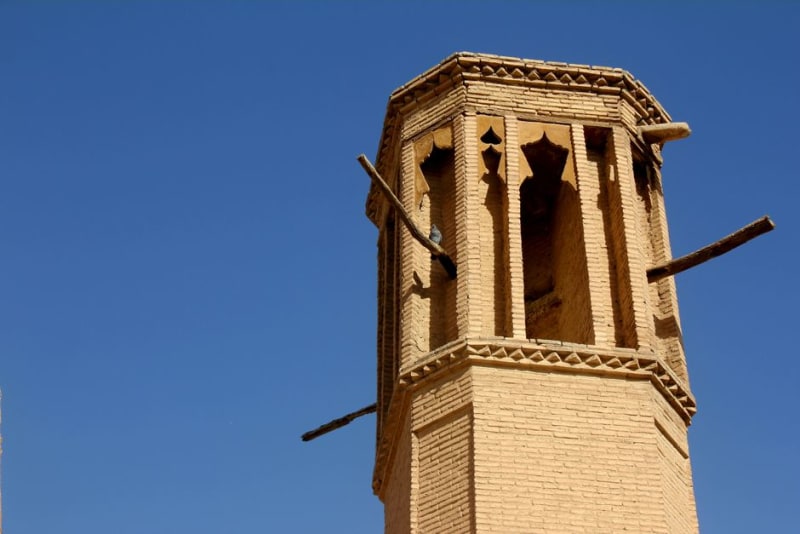 iran
iran Minab
A river-delta town near Bandar Abbas famous for its Thursday market, where Bandari women in colorful masks and embroidered dress sell spices, textiles, and livestock.
Explore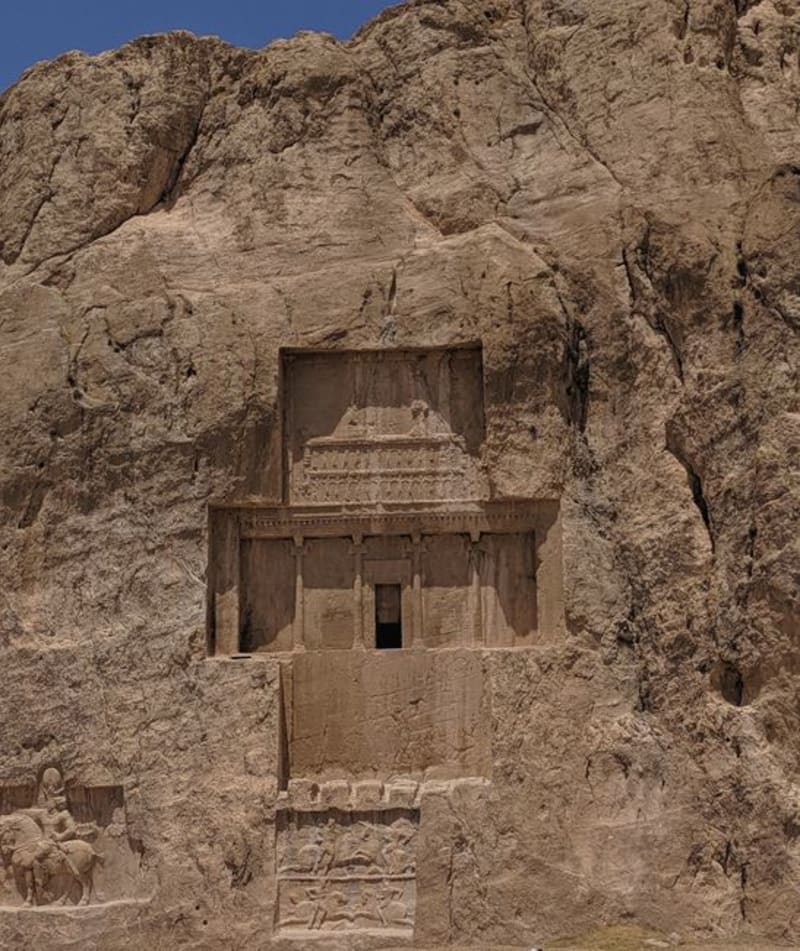 iran
iran Naqsh-e Rajab
A tiny, almost visitor-free cliffside gallery of Sassanian royal reliefs, five minutes from Naqsh-e Rustam and utterly ignored by comparison.
Explore