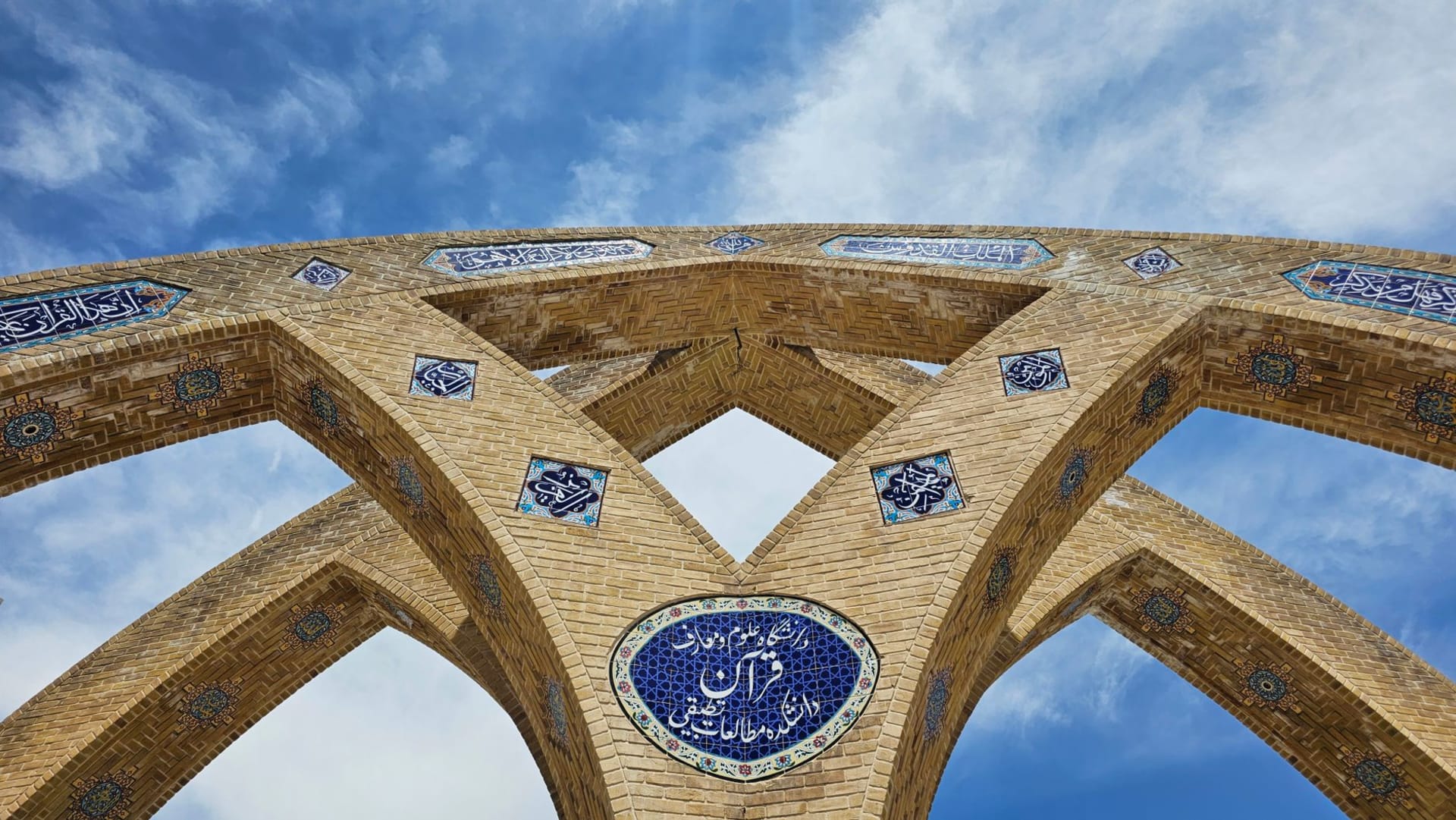
Rasht
"Coming down from the mountain pass, the country changes within an hour. Same Iran, different planet."
Iran's unlikely food capital on the Caspian coast, where rice paddies and jungle-green hills replace the desert and the cuisine bears almost no resemblance to what the rest of the country eats.

Rasht smells different from the rest of Iran — damp and green and faintly of fish, the Caspian air pressing in from just north of the Alborz range. Coming down from the mountain pass on the road from Tehran, the landscape shifts within a single hour from arid plateau to rice paddies and jungle-green forest. The fog sits low in the mornings. Women sell bunches of herbs by the roadside. It’s the same country, but it doesn’t feel like it, and that jarring is part of the point.
Iran’s Food Capital
Rasht was designated a UNESCO Creative City of Gastronomy in 2015, which sounds like bureaucratic decoration until you actually eat here. Gilan province cuisine relies on ingredients that barely appear elsewhere in Iran — pomegranate molasses, walnuts, sour herbs, fresh Caspian fish. The cooking is tangy and complex in a way that catches you off guard if your Iranian food reference points are all from the central plateau. Mirza Ghasemi is the dish I ordered three days running: roasted eggplant and egg, smoky from the flame, finished with garlic and turmeric, eaten with bread for breakfast or lunch. Ghalieh Mahi, a fish stew with coriander and fenugreek, is darker and more aromatic than anything I’d associated with Iranian cooking before this trip. The bazaar’s spice section alone — dense with dried tarragon, golpar, saffron, and things I couldn’t identify — justifies the detour.
The Old City and Its Pace
Rasht’s central bazaar and the surrounding older neighborhoods move at a different tempo than Isfahan or Tehran. The humidity slows things down. Tea houses have ceiling fans instead of air conditioning, and customers who seem to have nowhere urgent to be. I spent a morning following the produce sellers to their stalls before the market opened properly, watching crates of garlic and tight bunches of tarragon get arranged in the gray Caspian morning light. The city is not conventionally beautiful — there’s no grand historical monument at its center — but it has a texture that comes from being genuinely lived-in and prosperous in a quiet, agricultural way.
Village Roads Above the City
The villages climbing into the Alborz foothills above Rasht reward a day of driving on switchback roads. Masouleh is the most famous: built in steps up a cliff face so that one house’s roof is the next house’s courtyard, the whole thing painted ochre and white against the green hillside. Lia found it overwhelming with tourists the Friday we went — it’s become a major domestic destination, and weekends are intense. The smaller villages further up, unmarked on most maps, were quieter and gave a better sense of what Gilan village life actually looks like: wooden balconies hung with drying herbs, chickens in the road, a water channel running along the main path.
Getting Oriented
Rasht is compact enough to walk the central neighborhoods but spread enough that you’ll want a taxi for the bazaar and the outlying areas. The guesthouses in the older residential quarters are dramatically better than the hotels near the main square — family-run, with breakfasts that lean into the local larder and hosts who have opinions about where to eat. I asked mine where to find the best ghalieh mahi. She told me, then called ahead to make sure there was still some left.
When to go: May and June before the summer humidity peaks are ideal. The region is green year-round and rain is always possible, but July and August bring heat and crowds. October has beautiful low light and almost no foreign tourists; the rice harvest is underway in the paddies below the mountains, which is a reason in itself to time the trip then.
Keep exploring
More from Iran
 iran
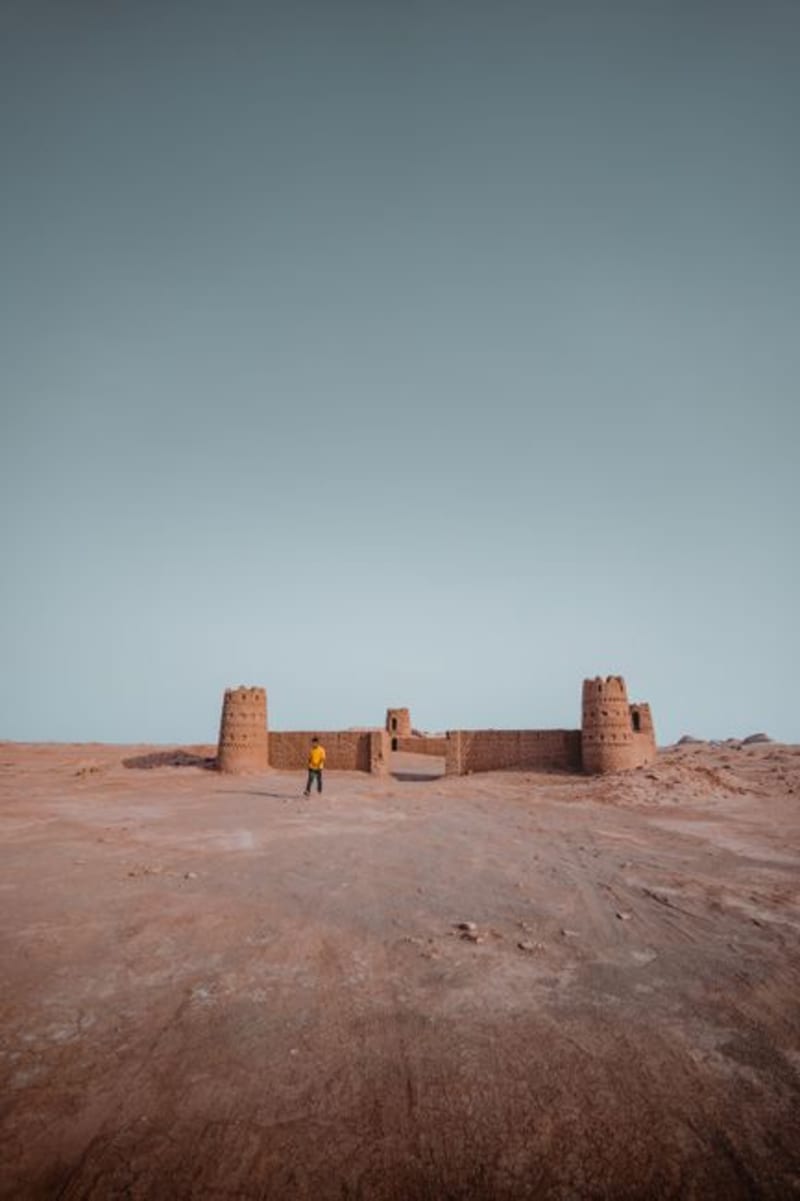
iran Rig-e Yazd Desert
Sand dunes rising directly out of the Yazd plateau, close enough for a sunset trip and empty enough to feel like the edge of the map.
Explore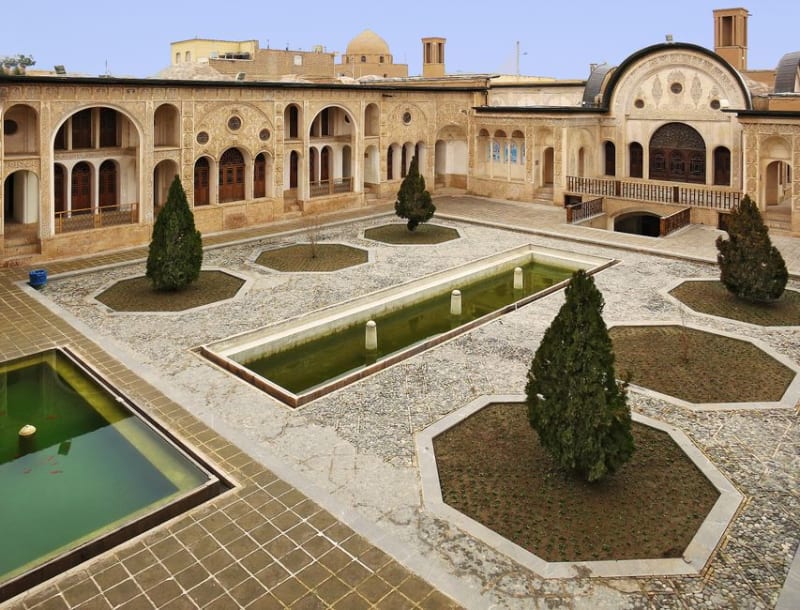 iran
iran Sa'dabad Palace Complex
A wooded royal estate of eighteen separate palaces in the Alborz foothills, where two Pahlavi shahs lived a century apart from the Qajars and revealed their taste in miniature.
Explore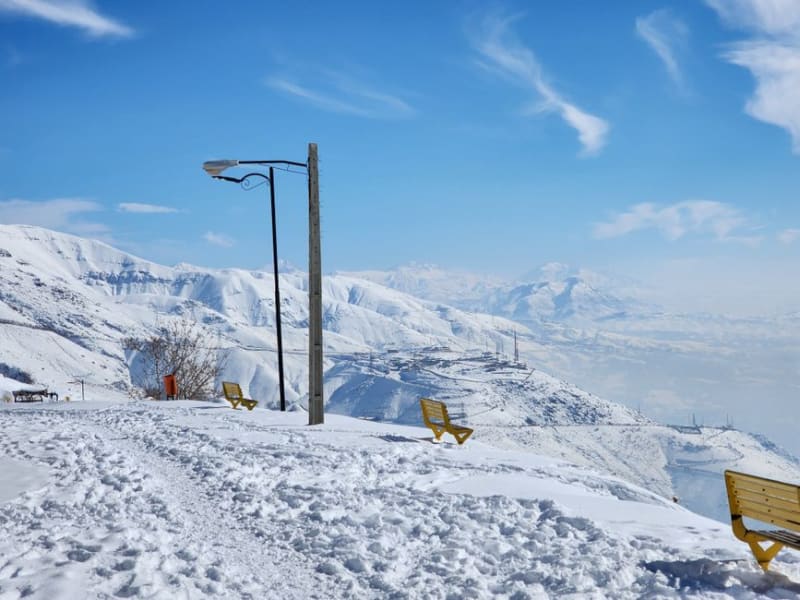 iran
iran Sanandaj
The unofficial capital of Iranian Kurdistan, where a language survives in music, embroidery, and defiance.
Explore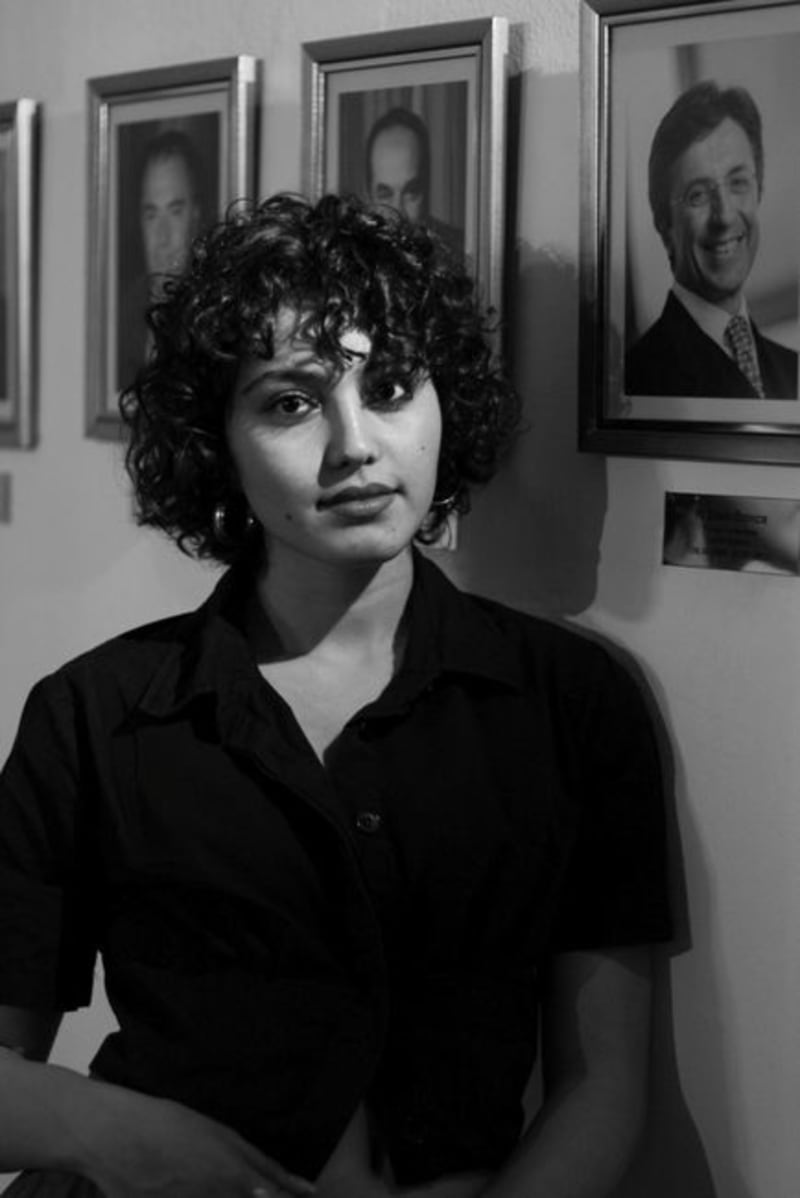 iran
iran Sarein
A small hot spring town in the foothills below Mount Sabalan, where Iranian families come by the busload for mineral baths and we came for one very good, very ordinary weekend of doing absolutely nothing.
Explore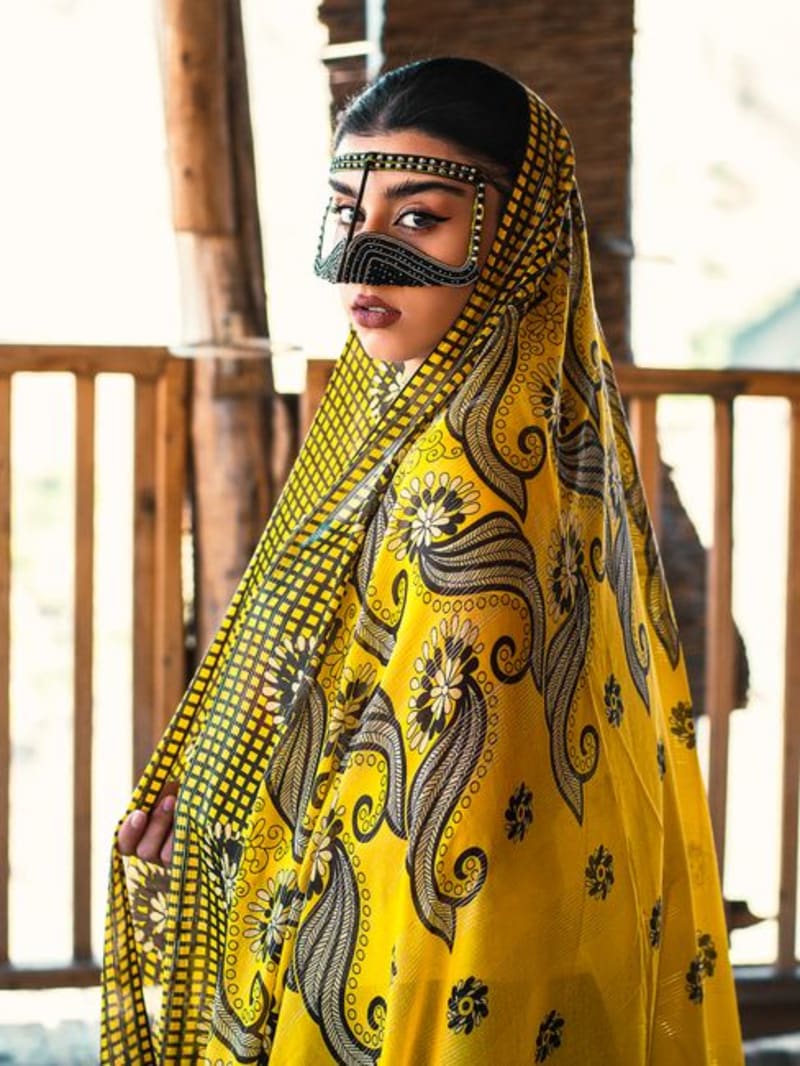 iran
iran Sari
The provincial capital of Mazandaran, an under-visited base for the Caspian coast with a lively fruit-and-rice bazaar, a forest park at its edge, and none of the tourist infrastructure of Rasht.
Explore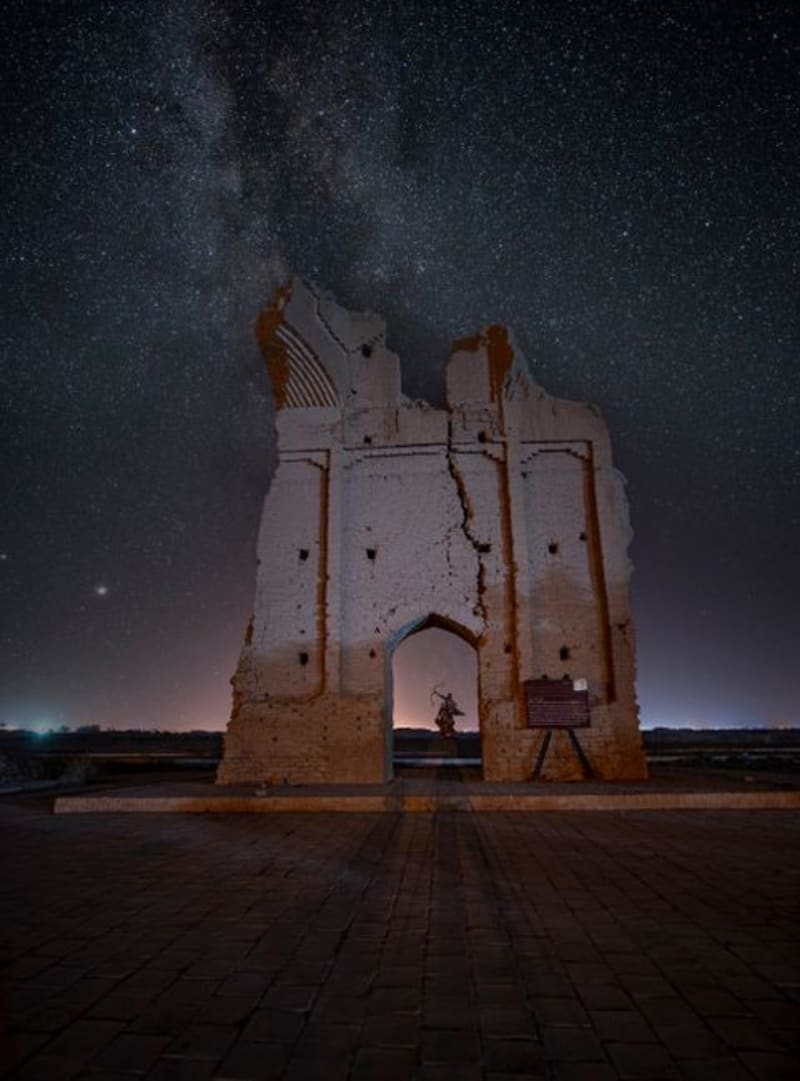 iran
iran Sar Yazd Castle
A fortified desert bank where villagers once locked their grain, gold, and daughters' dowries behind a single guarded door and a hidden qanat.
Explore