
A dusty desert town with one of Iran's oldest Friday mosques, where a millennium of architectural additions are stacked in visible layers.

Ardestan lies roughly halfway between Kashan and Isfahan, just off the main highway, and I only stopped because a driver I’d hired for a different trip mentioned it in passing as “the town with the old mosque nobody visits.” That description turned out to be almost insultingly accurate — the Jameh Mosque of Ardestan is one of the oldest Friday mosques in Iran, with foundations reaching back to the eleventh century, and I had the entire courtyard to myself for the better part of an hour.
A Mosque Built in Layers
What makes the Jameh Mosque unusual is that you can read its construction history directly in the walls, the way you’d read tree rings. The oldest sections date to the Seljuk period, with brick vaulting and a squat dome chamber that predates the more famous mosques of Isfahan by centuries. Later rulers added iwans, an entrance portal, and decorative tilework in distinct later styles, and the seams between eras are visible if you know to look — a change in brick pattern here, a different proportion of arch there. An elderly caretaker who has apparently worked at the mosque for decades pointed out the transitions to us patiently, switching between Farsi and a handful of English words, clearly delighted that anyone had bothered to ask.

A Town That Time Left Alone
Beyond the mosque, Ardestan itself is a modest desert town of mudbrick lanes, a small covered bazaar selling mostly household goods rather than souvenirs, and an ice house — a conical mudbrick structure once used to store winter ice through the summer months before refrigeration existed. Nobody in the bazaar tried to sell us anything beyond what we actually asked for, which after the more tourist-adjusted stalls of Isfahan felt almost startling.
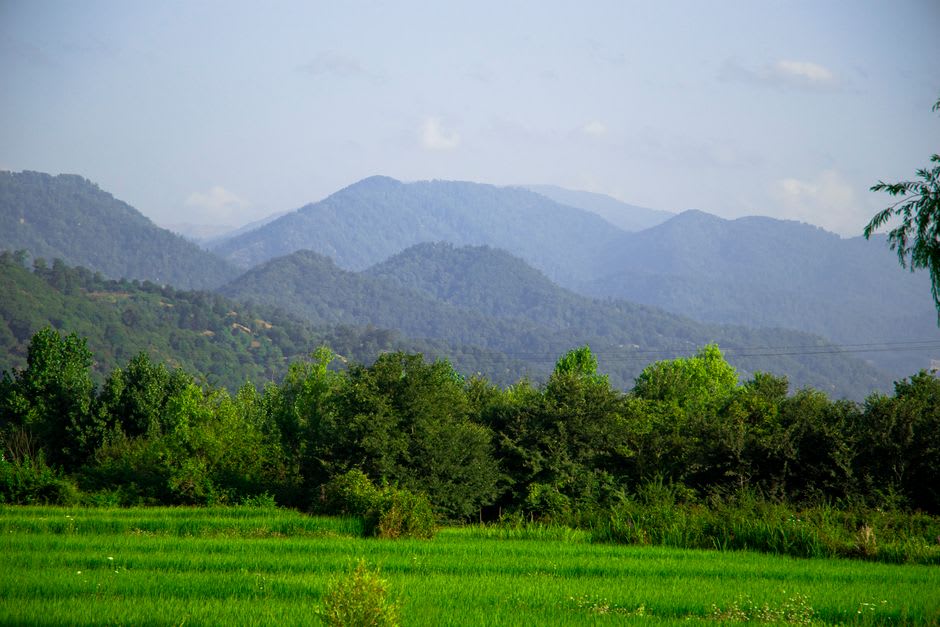
We ate lunch at a tiny place near the bazaar entrance — just kebab and rice, no menu, the owner deciding what we’d eat before we’d finished sitting down — and it remains one of the simplest, best meals of the whole trip.
When to go: Autumn through spring, avoiding the harsh summer heat of this stretch of desert. It works well as a half-day stop when driving between Kashan and Isfahan rather than a dedicated destination.
Keep exploring
More from Iran
 iran
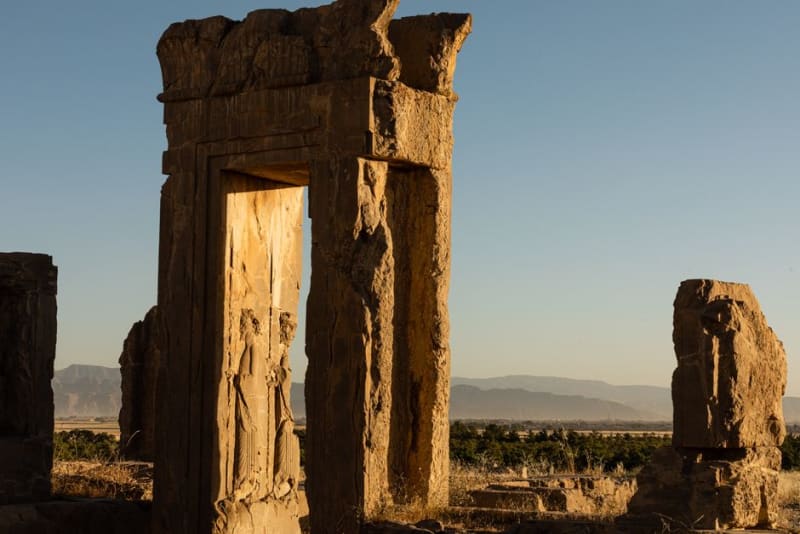
Atashgah Fire Temple
A crumbling Zoroastrian hilltop ruin on Isfahan's western edge, older than the mosques by centuries, where a single fire once burned as a beacon across the plain.
Explore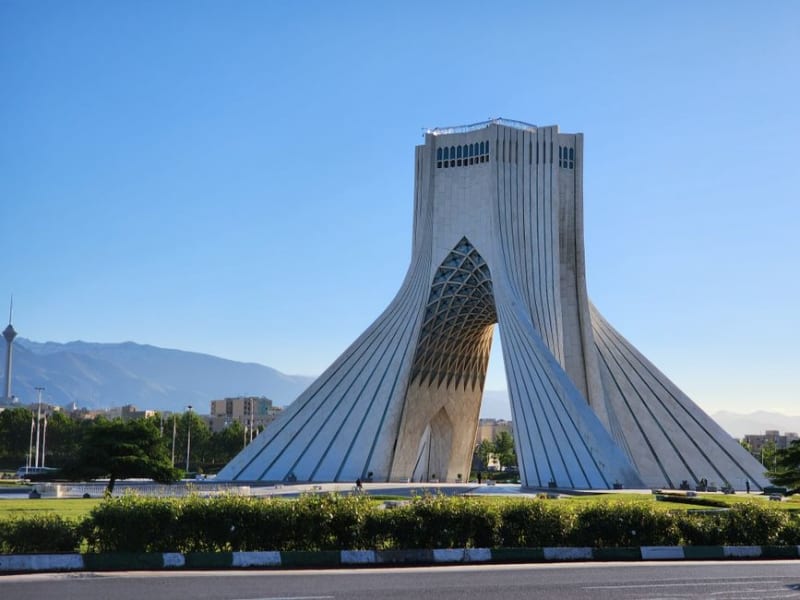 iran
Azadi Tower
The white marble arch that has watched over every major moment in modern Iranian history from the same traffic circle, and the underground museum most visitors never find.
Explore iran
Babak Fort
A crumbling fortress balanced on a knife-edge ridge above the Arasbaran forests, built by a ninth-century rebel leader who held off the Abbasid Caliphate here for years — and a hike that will leave your legs shaking.
Explore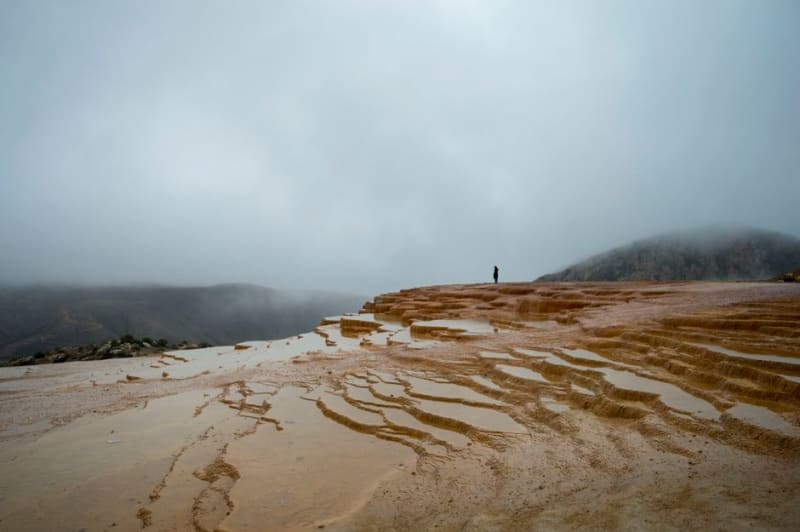 iran
Badab-e Surt
A staircase of orange and cream travertine terraces built by two mineral springs over thousands of years, in a remote corner of Mazandaran that most visitors to Iran never hear about.
Explore iran
Bam
The largest adobe citadel on earth, devastated by a 2003 earthquake and rebuilt stone by stone — a UNESCO site that is also a monument to recovery.
Explore iran
Bandar Abbas
The working port city that guards the Strait of Hormuz — less pretty than Iran's famous cities, but the most honest introduction to how the Persian Gulf actually runs.
Explore