Niavaran Palace Complex
"It felt less like a museum and more like the family had just stepped out."
The last Shah's residence before the revolution, preserved down to the record player left mid-song — a stranger, more intimate history lesson than any museum plaque.

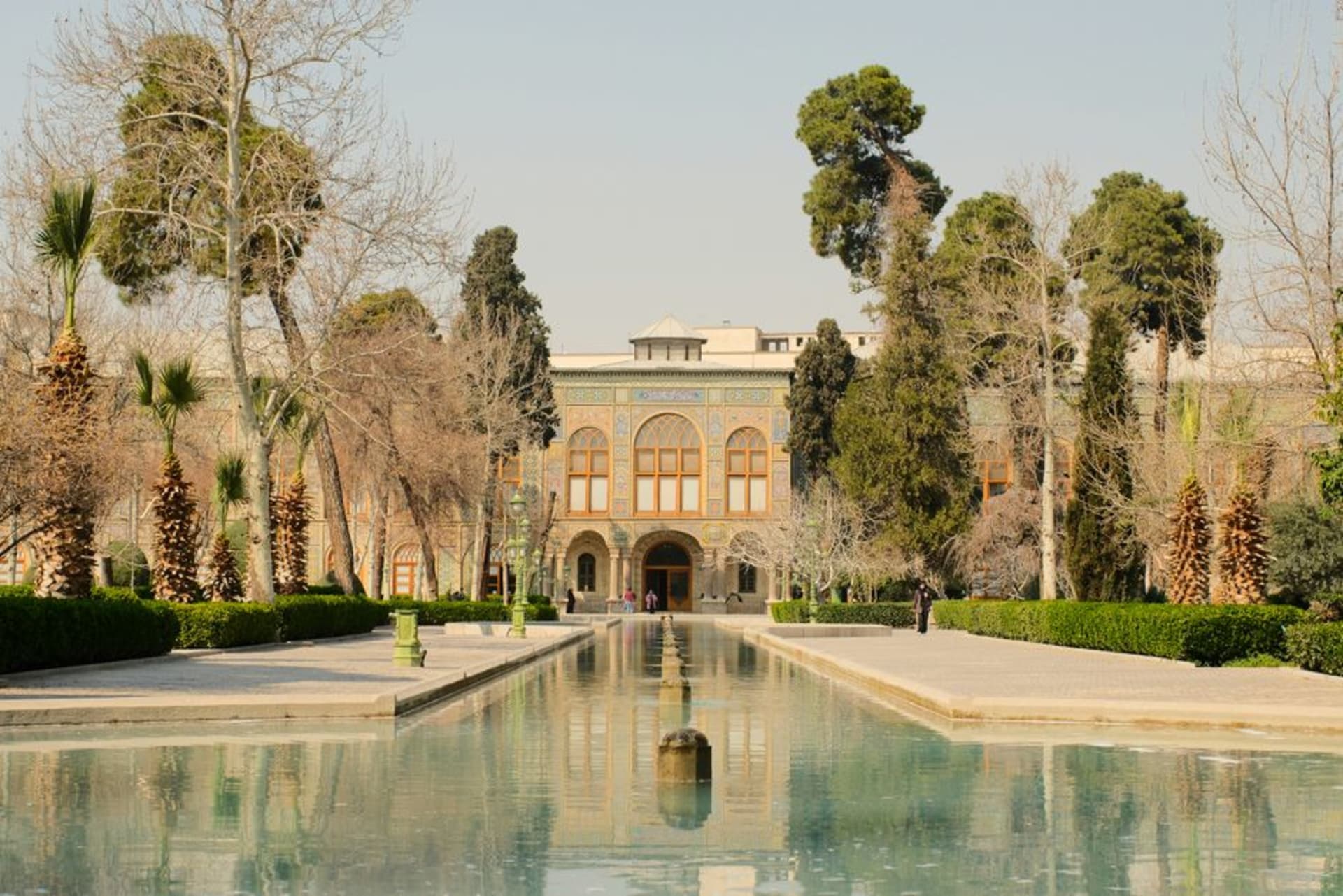
Niavaran sits in the foothills of northern Tehran, in a neighborhood so leafy and quiet that it’s hard to believe you’re still in the same city as the Grand Bazaar. This was the primary residence of Mohammad Reza Pahlavi, the last Shah, and his family until the 1979 revolution sent them into exile. Unlike a lot of former royal residences I’ve visited, it hasn’t been fully sanitized into abstraction — it still feels like somewhere people actually lived, right up until the point they suddenly didn’t.
The Main Palace
The main building is a clean, almost understated piece of 1960s modernism, a deliberate departure from the older Qajar palaces elsewhere in the city. Inside, the private apartments are kept largely as they were: Farah Pahlavi’s dressing room, the children’s bedrooms, a study with books still on the shelves. There’s a strange suspended-in-time quality to it — a half-finished puzzle in one room, magazines from 1978 in another. It reads less like curated history and more like an interrupted household.

The Older Qajar Pavilion
Behind the main palace sits an older Qajar-era pavilion, Sahebqaranieh, ornate in the way the newer building deliberately isn’t — mirror work, painted ceilings, a small private theater. Walking between the two buildings is like walking between two different centuries of Iranian taste in the space of two hundred meters, and it’s a useful crash course in how quickly the country’s aesthetic sensibility shifted across the twentieth century.

The Gardens
The grounds themselves are worth slowing down for — mature pines, a long reflecting pool, and enough shade that locals use the outer gardens for picnics on weekends, more park than palace. I sat on a bench near the pool for a while and watched a family spread out a full lunch on a blanket twenty meters from where a monarchy had ended. Nobody seemed to find that strange but me.
When to go: Spring and autumn afternoons are ideal — the gardens are at their most pleasant and the light through the pines is soft. The complex closes on Mondays, so check ahead before making the trip north.
Keep exploring
More from Iran
 iran
Palangan
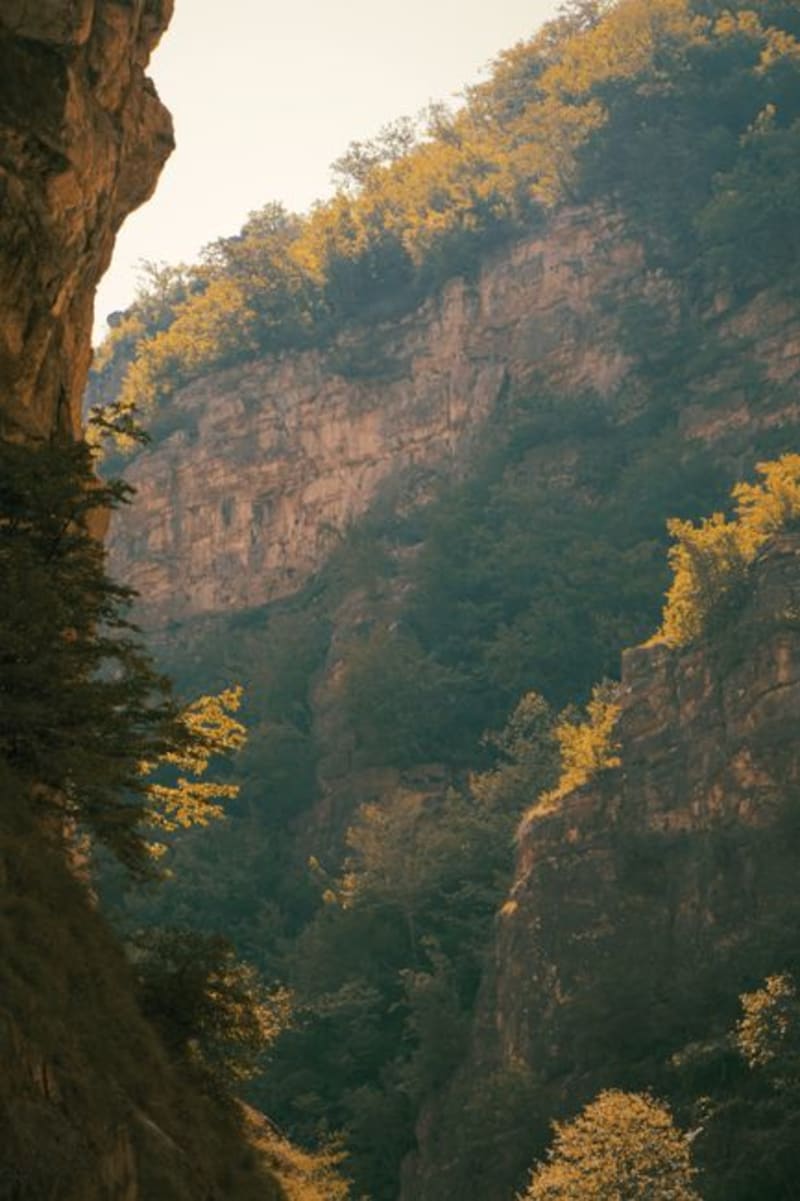
A stone village built in staircases against a Zagros gorge, where the same river separates Sunni and Shia neighborhoods that share everything else.
Explore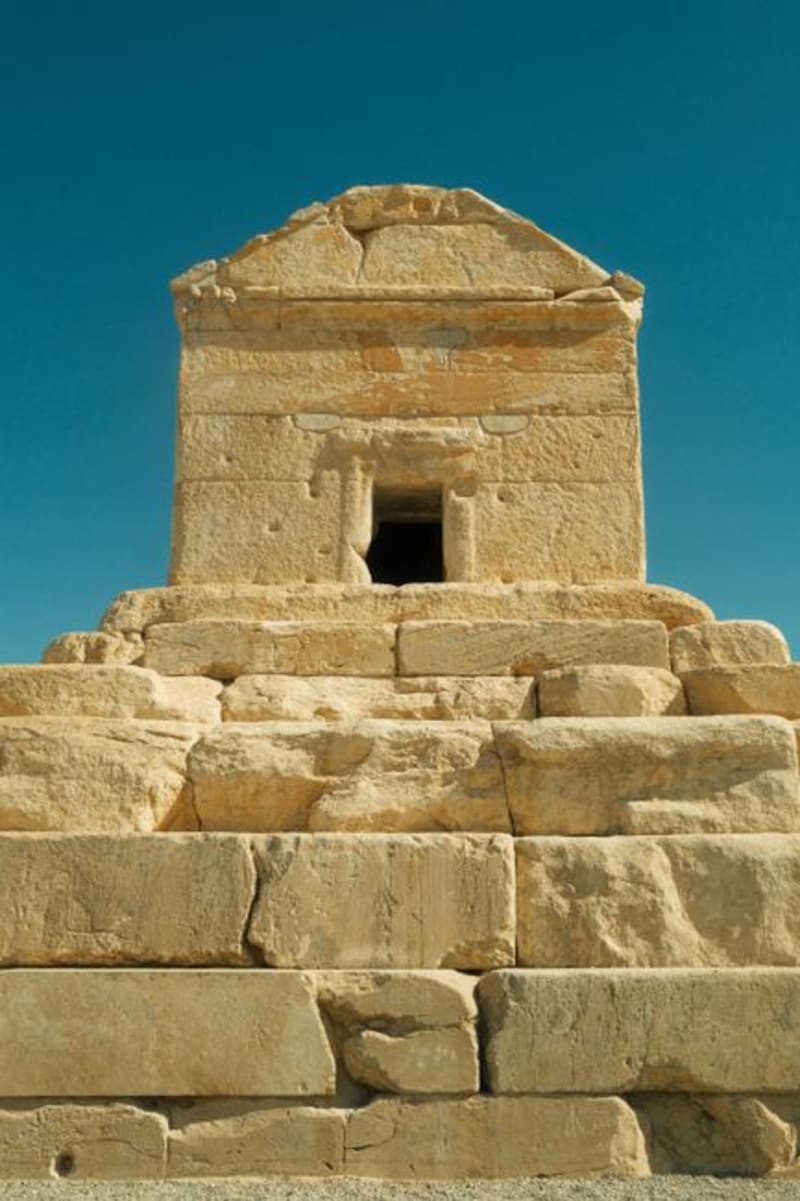 iran
Pasargadae
The plain stone tomb of Cyrus the Great, sitting alone in a field — the emptiest, most powerful monument in Iran.
Explore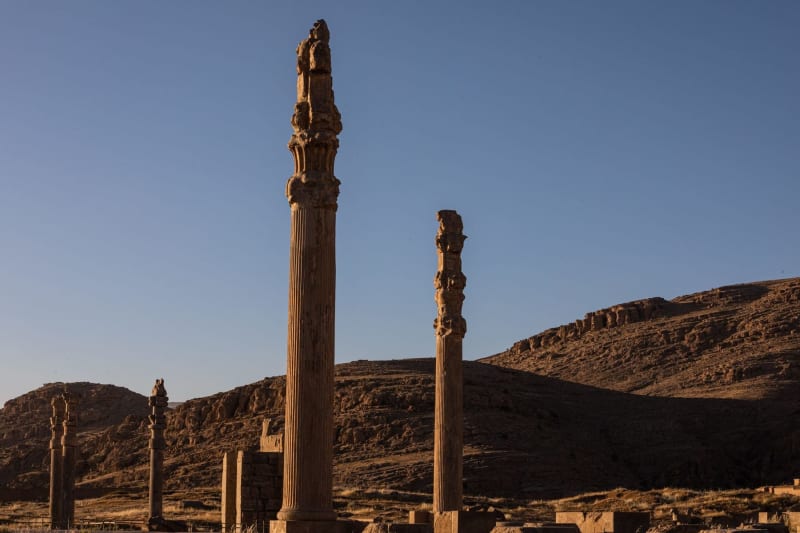 iran
Persepolis
The ceremonial capital of the Persian Empire — colossal stone carvings of tribute-bearers from every nation.
Explore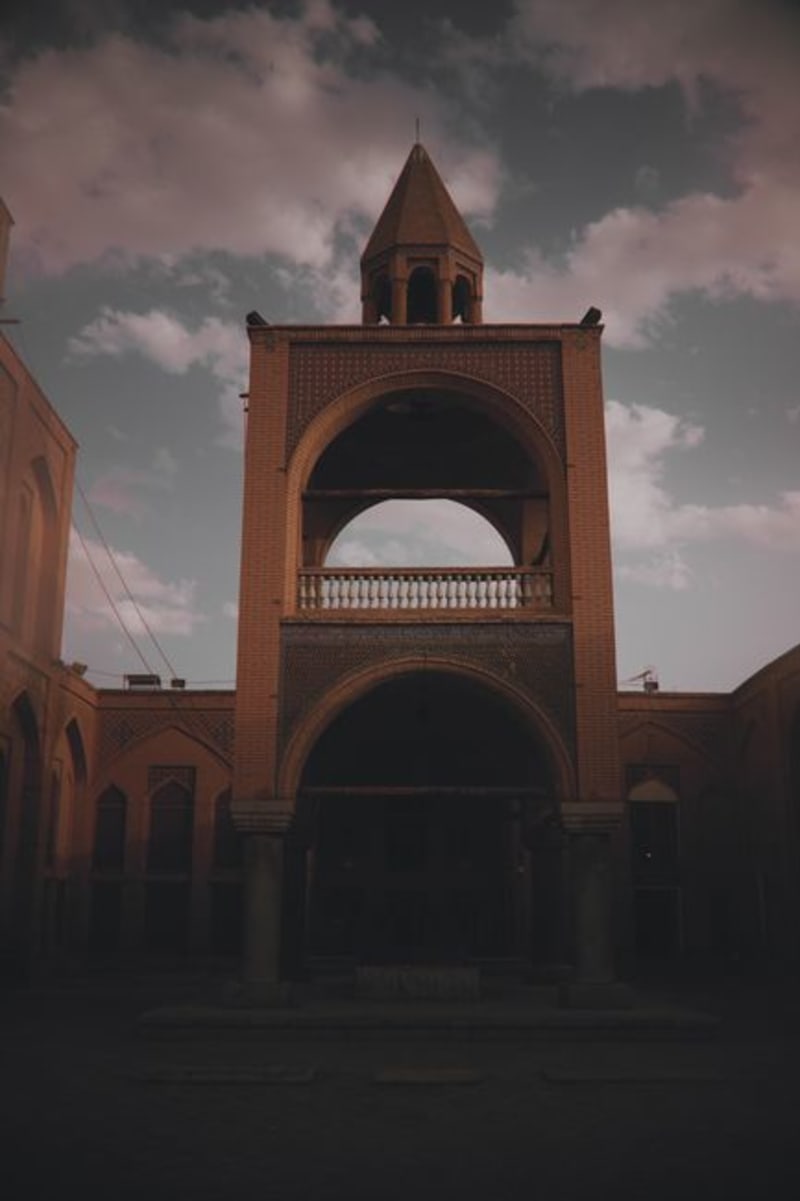 iran
Qareh Kelisa (Black Church)
An Armenian pilgrimage church built from volcanic black stone in a high alpine valley near the Turkish border, where thousands still gather once a year for a festival older than the country's current borders.
Explore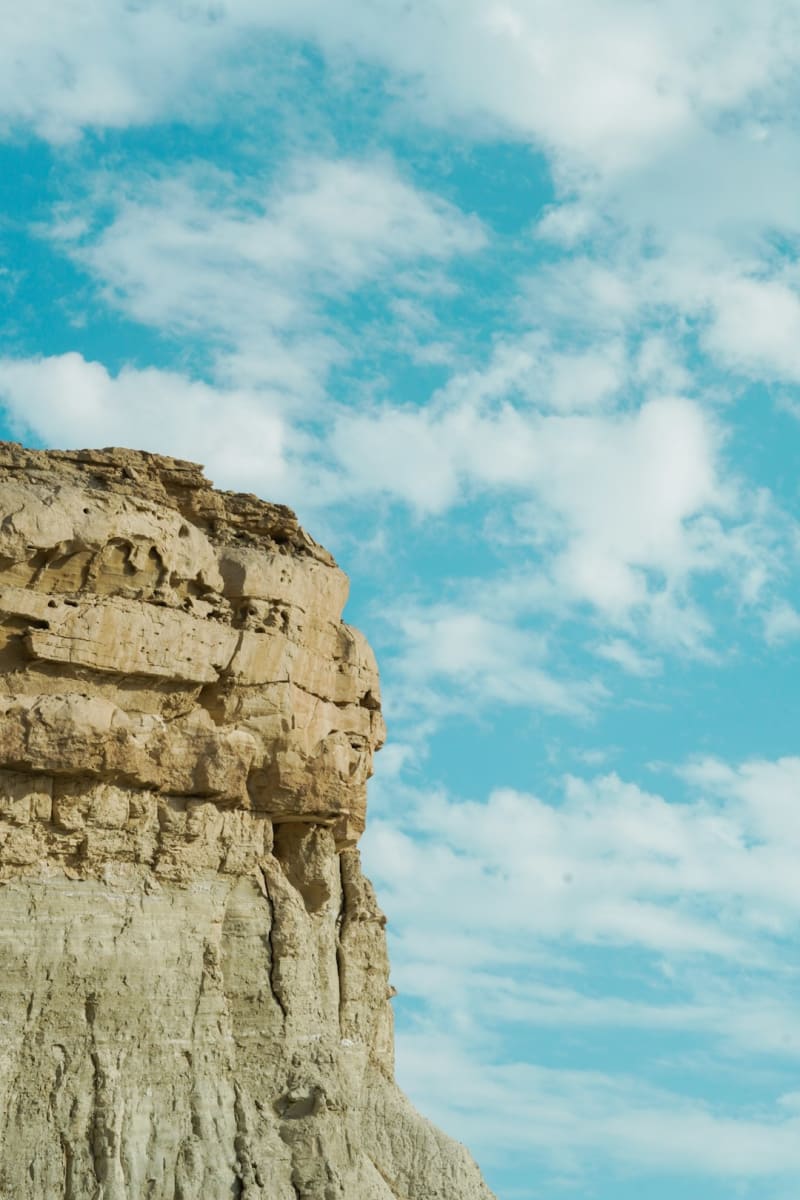 iran
Qeshm Island
The largest island in the Persian Gulf, where wind and rain carved a canyon out of soft rock and mangrove forests grow straight out of the tide.
Explore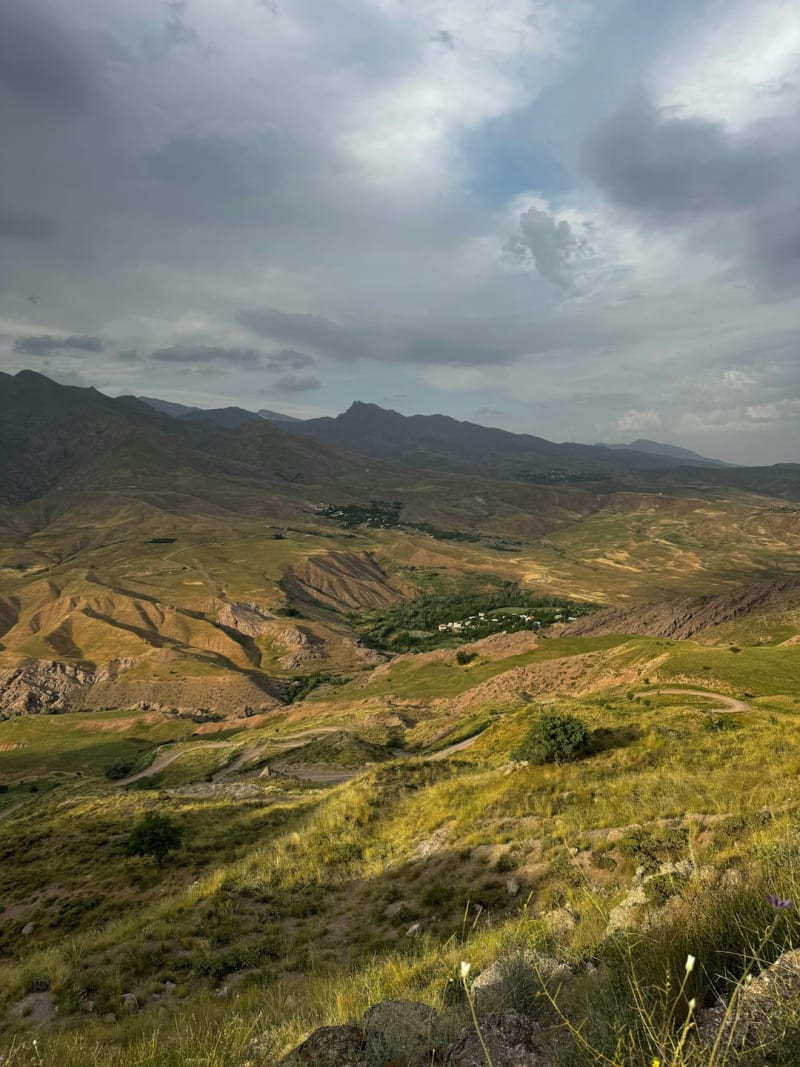 iran
Qom
Iran's holiest city and the intellectual center of Shia Islam, built around a golden-domed shrine that shapes everything from the dress code to the daily rhythm.
Explore