
Gorgan
"It was the first place in Iran where I heard a language on the street that wasn't Persian, and it changed how I understood the whole north."
The gateway to Turkmen Sahra at the eastern edge of the Caspian region, where Persian, Turkmen, and steppe cultures overlap in a way found nowhere else on Iran's northern coast.

Gorgan sits at the eastern end of Iran’s Caspian region, where the wet green geography of Gilan and Mazandaran starts giving way to the dry steppe of Turkmen Sahra, and where Persian culture overlaps with a distinct Turkmen minority whose presence I hadn’t fully appreciated until I got here. Walking the old bazaar streets, I started noticing carpets with geometric Turkmen patterns instead of the Persian floral motifs I’d seen everywhere else, women in the distinctive long, brightly colored Turkmen dresses, and shop signs in a script and cadence that clearly weren’t standard Farsi.
The Old Quarter
Gorgan’s historic core, particularly around Naderi and Enghelab streets, preserves a good stretch of wooden Qajar-era shopfronts and houses with carved balconies — an architectural style more associated with the Caspian’s timber tradition than the brick and tile of central Iran. Restoration has been uneven, some buildings beautifully kept and others clearly one hard winter from collapse, but the overall street still gives a strong sense of what a prosperous northern trading town looked like a century ago.

Turkmen Sahra
East and north of the city, the landscape flattens into Turkmen Sahra, a steppe region historically home to Iran’s Turkmen population, known for horse breeding and a textile and jewelry tradition entirely distinct from Persian craft. We visited a village market outside the city where Turkmen women were selling embroidered textiles and heavy silver jewelry, and a local contact walked us through the difference between Turkmen carpet motifs and the Persian ones we’d been seeing for weeks — angular and geometric versus the floral curves of Isfahan and Kashan.

Between Two Iraans
What made Gorgan worth the detour wasn’t any single monument but the sense of transition — leaving behind the intensely Persian, rice-and-tea culture of Gilan and Mazandaran and arriving somewhere that felt genuinely, visibly different in ethnicity, dress, and landscape, while still clearly part of the same country. It’s a reminder, easy to forget after weeks focused on Isfahan and Shiraz, of how much cultural range Iran actually holds.
When to go: Spring, particularly April and May, for the steppe grasslands at their greenest and for Turkmen horse racing events that take place seasonally outside the city. Summers run hot and dry once the steppe browns out.
Keep exploring
More from Iran
 iran
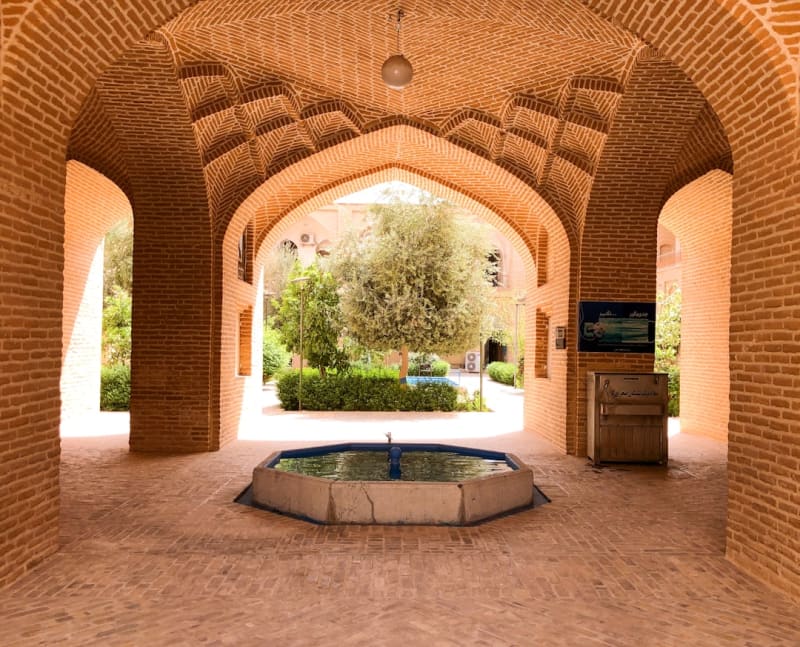
iran Hasht Behesht Palace
The Eight Paradises pavilion — a small, half-forgotten Safavid summer palace hidden inside a public garden, with almost none of the square's crowds and all of its craftsmanship.
Explore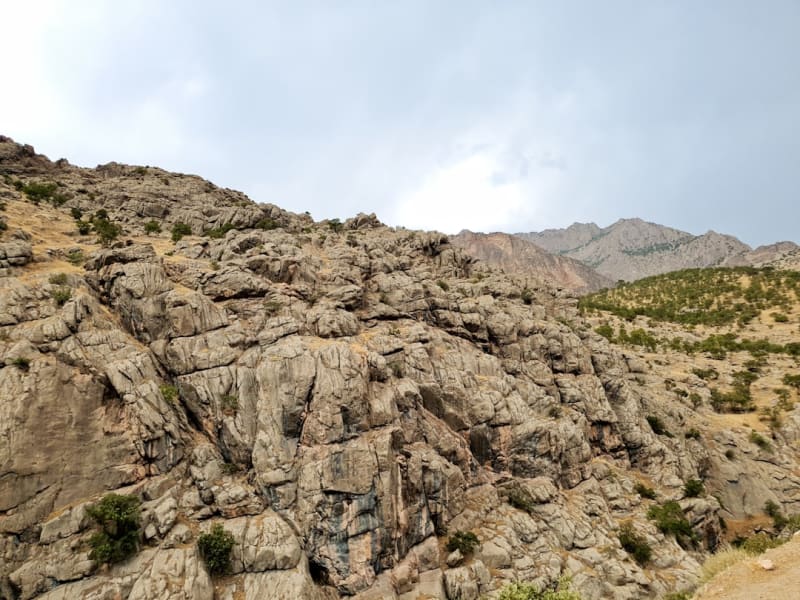 iran
iran Hawraman Valley
A UNESCO-listed valley of terraced Kurdish villages clinging to the Zagros, where houses are stacked so tightly the roofs double as the street above.
Explore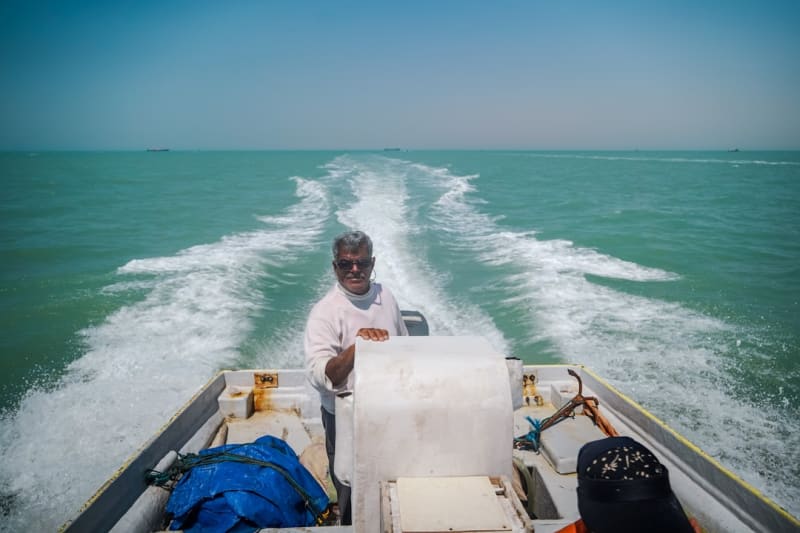 iran
iran Hengam Island
A small island south of Qeshm where dolphins gather in the strait most mornings and the only sounds at night are waves and generators.
Explore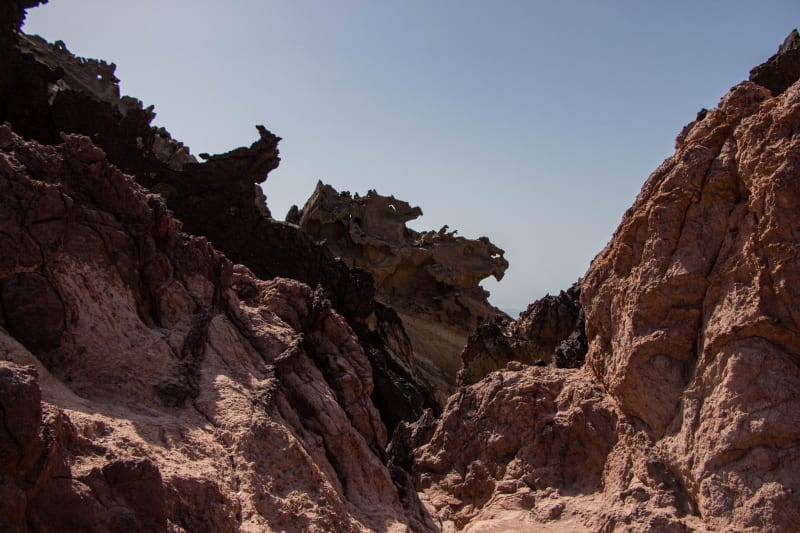 iran
iran Hormuz Island
A Persian Gulf island where the ground shifts from deep red to sulfur yellow to violet depending on the light, and the geology produces bread that tastes faintly of minerals.
Explore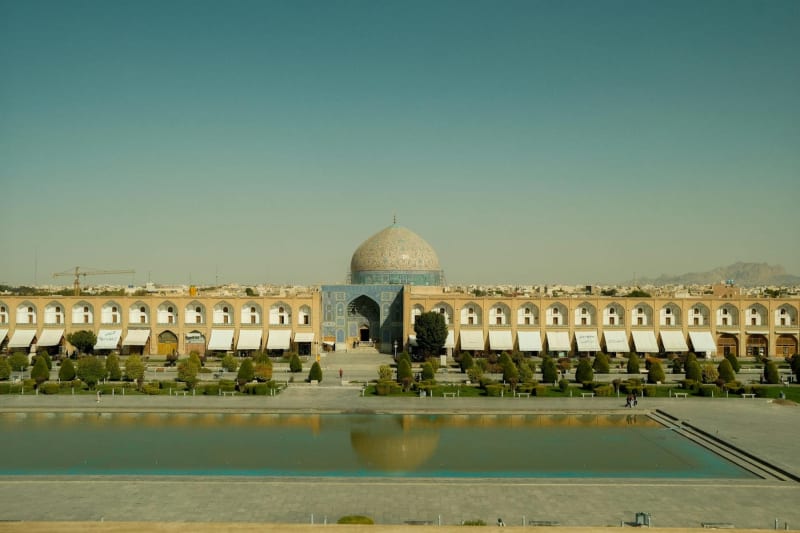 iran
iran Isfahan
Naqsh-e Jahan Square — one of the world's largest plazas, ringed by dazzling turquoise-tiled Islamic monuments.
Explore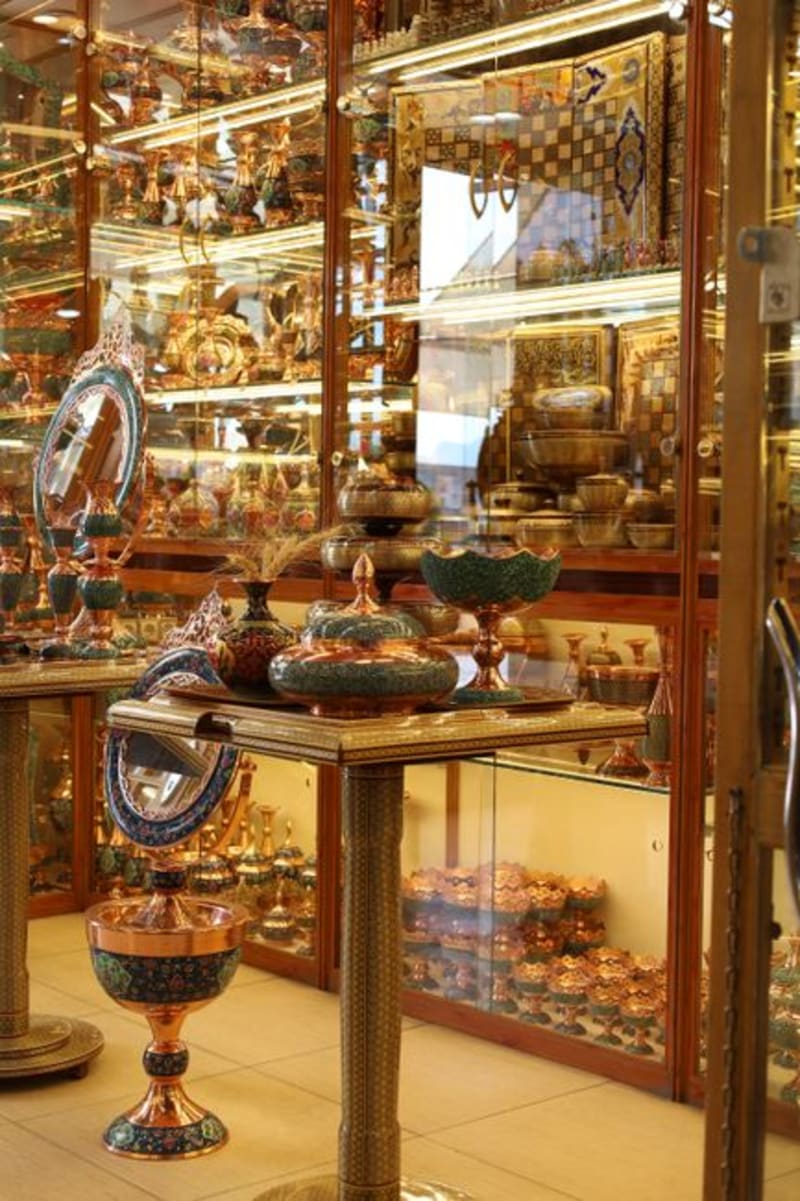 iran
iran Isfahan Grand Bazaar
A covered market corridor running from the seventeenth century into the present day, where hammered copper, hand-blocked textiles, and carpet dealers operate exactly as their grandfathers did.
Explore