
A Persian Gulf island where the ground shifts from deep red to sulfur yellow to violet depending on the light, and the geology produces bread that tastes faintly of minerals.

The ferry from Bandar Abbas takes about forty-five minutes and deposits you on an island where the ground is the color of a wound. Hormuz’s soil is a mixture of iron oxide, sulfur, and minerals I couldn’t name, producing a landscape that shifts from deep red to yellow ochre to something almost violet depending on the angle of light. I spent my first hour just walking on it, crouching occasionally to pick up handfuls that stained my palms the color of rust, not quite believing it was real.
The Rainbow Valley and the Colored Cliffs
The southern shore of the island is where the geology gets most extreme — layers of color banded through the cliffs and beaches like a cross-section of something geological and ancient, which is exactly what it is. The formations read differently at every hour: cool and almost gray in the flat morning light, then warming through red and orange as the sun climbs, deepening toward copper and brick in late afternoon when the earth seems to throw color back up into the air. Local women collect the different soils and sell them in small packets; the red variety is traditionally mixed with flour to make a flatbread called tomshi, which tastes earthy and faintly mineral in a way that you either find fascinating or deeply weird. I found it fascinating. It was warm from a clay oven and better than it had any right to be.
Fishing Village Life
Hormuz has about five thousand permanent residents, most of them involved in fishing or the slow-growing tourist economy around the island’s strange beauty. The harbor in the mornings is where actual life is — boats coming in with their catch, small restaurants already frying fish at eight in the morning, the smell of salt and diesel and something charring over coals. The architecture is classical Persian Gulf: wind catchers angled to pull the prevailing breeze through thick-walled rooms, small windows facing away from the sun, painted in faded blues and greens that have been bleached by decades of summer glare. The Portuguese ruins at the island’s northern end are a reminder that this strait was, for two centuries, the most strategically valuable thirty kilometers of water on earth.
The Quality of Getting There
Reaching Hormuz requires commitment — getting to Bandar Abbas from Tehran or Shiraz, then the ferry, then navigating an island with limited infrastructure and no ATMs. That effort does its work. The visitors who make it here are mostly Iranians from the mainland on weekend trips; international travelers are rare enough that my presence prompted mild, friendly curiosity from a guesthouse owner who wanted to know exactly where in France I was from and whether I’d eaten pistachios there. I stayed two nights, ate grilled fish for every meal, and spent the evenings on a rooftop watching the light drain out of the colored hills while cargo ships moved slowly through the strait below.
Around the Island
Renting a motorcycle or finding a driver for half a day covers the island’s highlights — the salt cave, the Portuguese fort, the mineral springs that leave white deposits on the rocks, the section of beach where the sand itself is red and sits against water that’s improbably turquoise. The combination of colors is so excessive it starts to feel constructed. It isn’t.
When to go: November through February is the only comfortable window. The Persian Gulf in summer reaches temperatures above 45°C with humidity to match, and there is no shade on this island. Winter here is warm and dry, with evenings cool enough for a light layer. The low winter sun hits the colored formations at a shallow angle for most of the day, which is exactly the light you want for this landscape.
Keep exploring
More from Iran
 iran
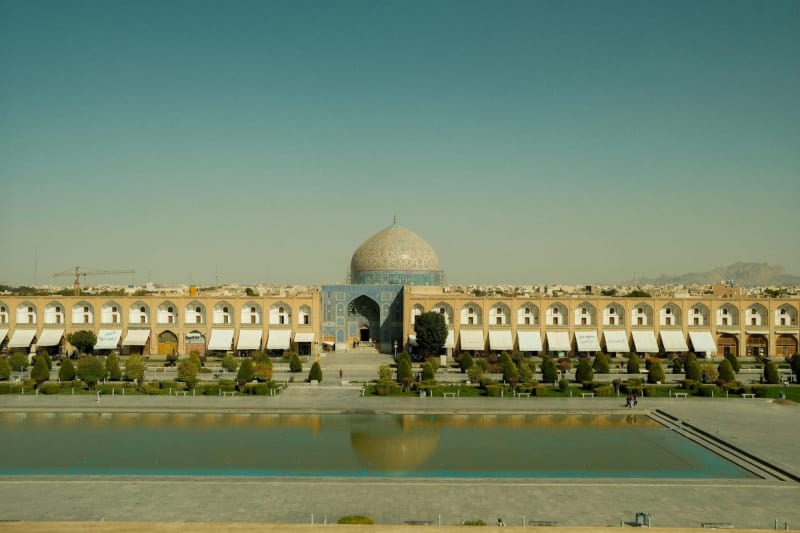
Isfahan
Naqsh-e Jahan Square — one of the world's largest plazas, ringed by dazzling turquoise-tiled Islamic monuments.
Explore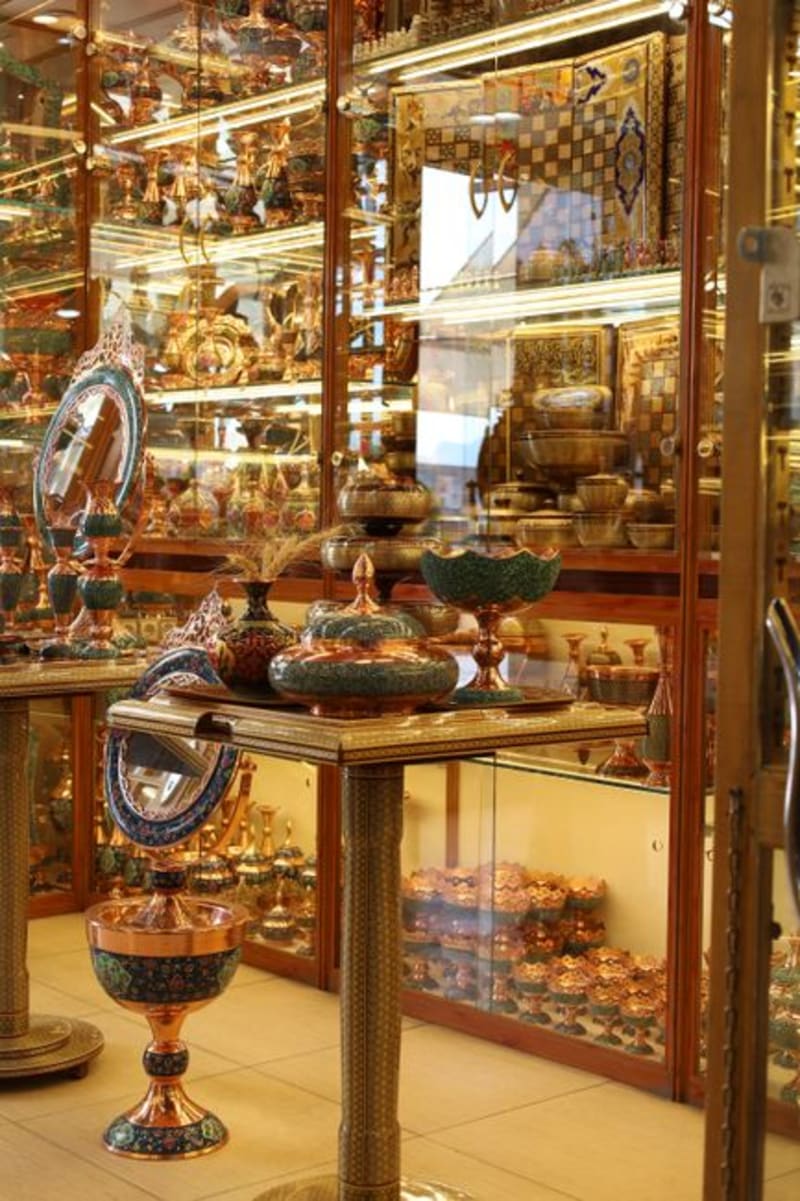 iran
Isfahan Grand Bazaar
A covered market corridor running from the seventeenth century into the present day, where hammered copper, hand-blocked textiles, and carpet dealers operate exactly as their grandfathers did.
Explore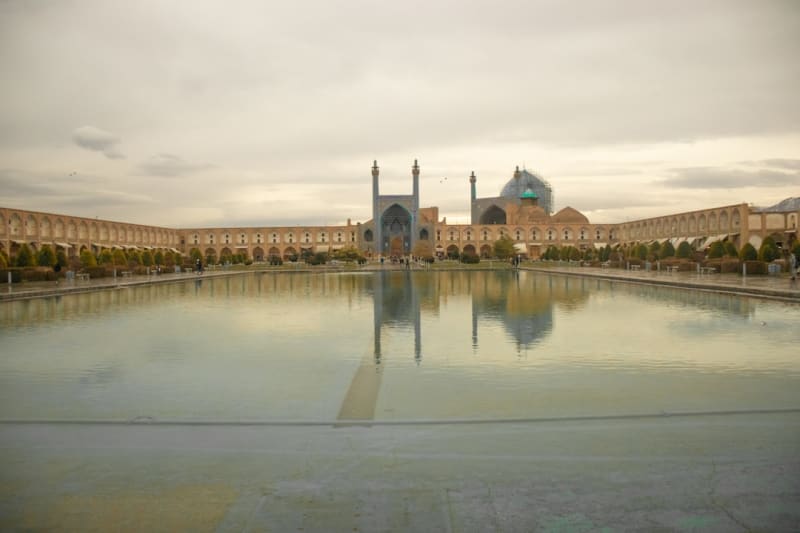 iran
Jameh Mosque of Isfahan
Twelve centuries of Iranian architecture stacked into one building — a living timeline where every dynasty added its own chapter instead of tearing down the last one.
Explore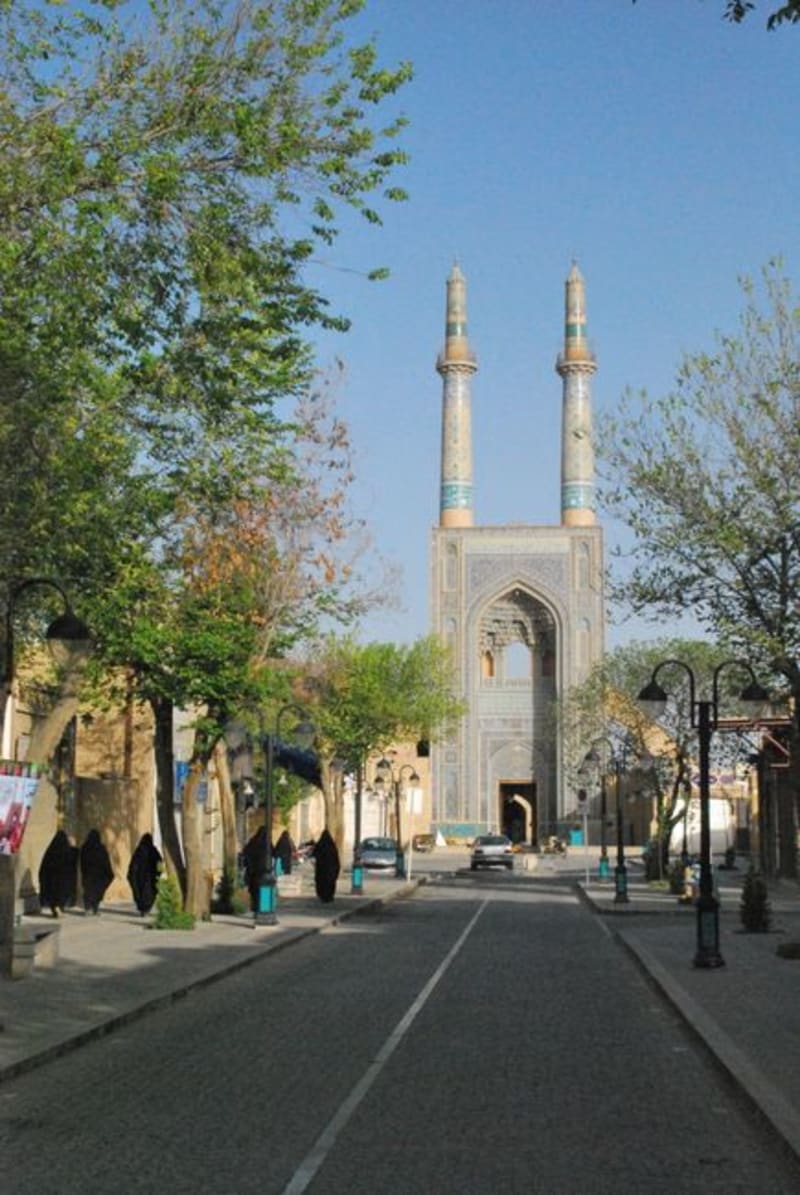 iran
Jameh Mosque of Yazd
The tallest minarets in Iran rise above a mosque entrance so precisely tiled it looks printed rather than built by hand.
Explore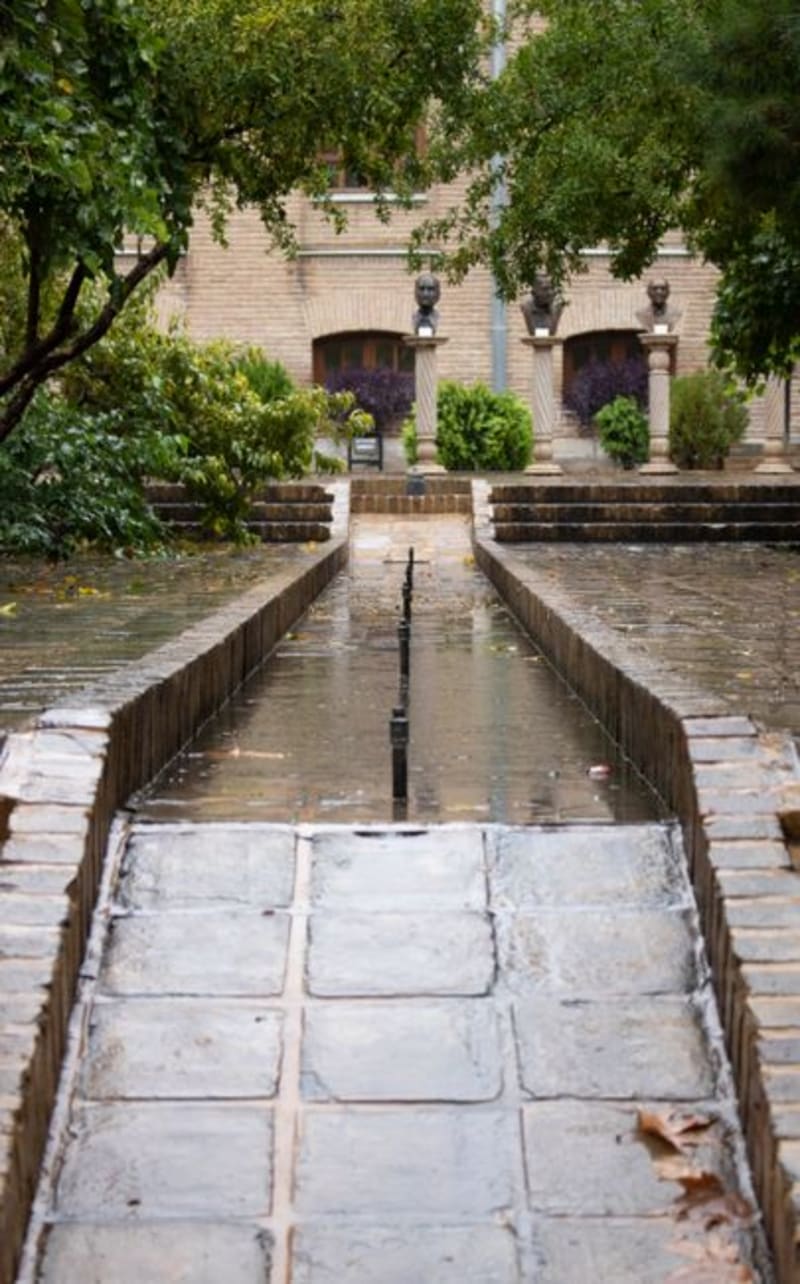 iran
Jamshidieh Stone Garden
A terraced rock garden built into the Alborz foothills, where waterfalls, teahouses, and a Tehran skyline view make for the easiest half-day escape from the city center.
Explore iran
Javaherdeh
One of the highest permanently inhabited villages in Iran, reached by a punishing mountain road above Ramsar, where summer pastures and stone houses sit above the cloud line.
Explore