Javaherdeh
"We drove up through cloud and came out the other side into full sun over a valley we could no longer see the bottom of."
One of the highest permanently inhabited villages in Iran, reached by a punishing mountain road above Ramsar, where summer pastures and stone houses sit above the cloud line.

Javaherdeh sits above Ramsar at roughly 2,200 meters, reached by a mountain road so narrow and switchbacked that our driver stopped twice to let oncoming traffic figure out who had right of way on blind corners. It’s one of the highest year-round inhabited villages in Iran, a scatter of stone and wood houses built into a green slope that in summer sits well above the low cloud that often blankets the Caspian coast below — meaning you can leave Ramsar in gray drizzle and arrive in Javaherdeh forty minutes later under full sun looking down at a solid ceiling of cloud.
Above the Clouds
That cloud-layer effect was the single most memorable thing about the drive up. Partway through the switchbacks, we passed through a thick band of fog that reduced visibility to a few meters, and then broke out above it entirely — the road continuing upward into clear air while the entire coastal plain below disappeared under an unbroken white layer that looked, from above, like we’d gained altitude over an ocean rather than a valley.

Summer Pastures and Village Life
Javaherdeh functions partly as a summer pasture village, with herders bringing livestock up from lower elevations to graze once the snow clears, and the pace of life follows that rhythm closely — busiest and most active from June through August, largely empty and snowed in for much of the rest of the year. The stone houses, low and thick-walled against wind and cold, cluster along a single main track with small guesthouses that opened in recent years to catch the trickle of domestic tourists making the same drive we did.

A Short, Sharp Trip
There isn’t a great deal to do in Javaherdeh beyond walk the pastures, drink tea at one of the small village houses that doubles as a teahouse, and look out over the cloud layer below — but that’s exactly the appeal after several days of Caspian coast heat and humidity. We stayed only a few hours before the road down, and I regretted not budgeting a night, since the light in the late afternoon, with the sun dropping toward the cloud layer, was the best I saw anywhere in Mazandaran.
When to go: July and August, when the road is reliably clear of snow and the high pastures are green and active with grazing livestock. The village and access road are frequently snowbound outside the warmer months.
Keep exploring
More from Iran
 iran
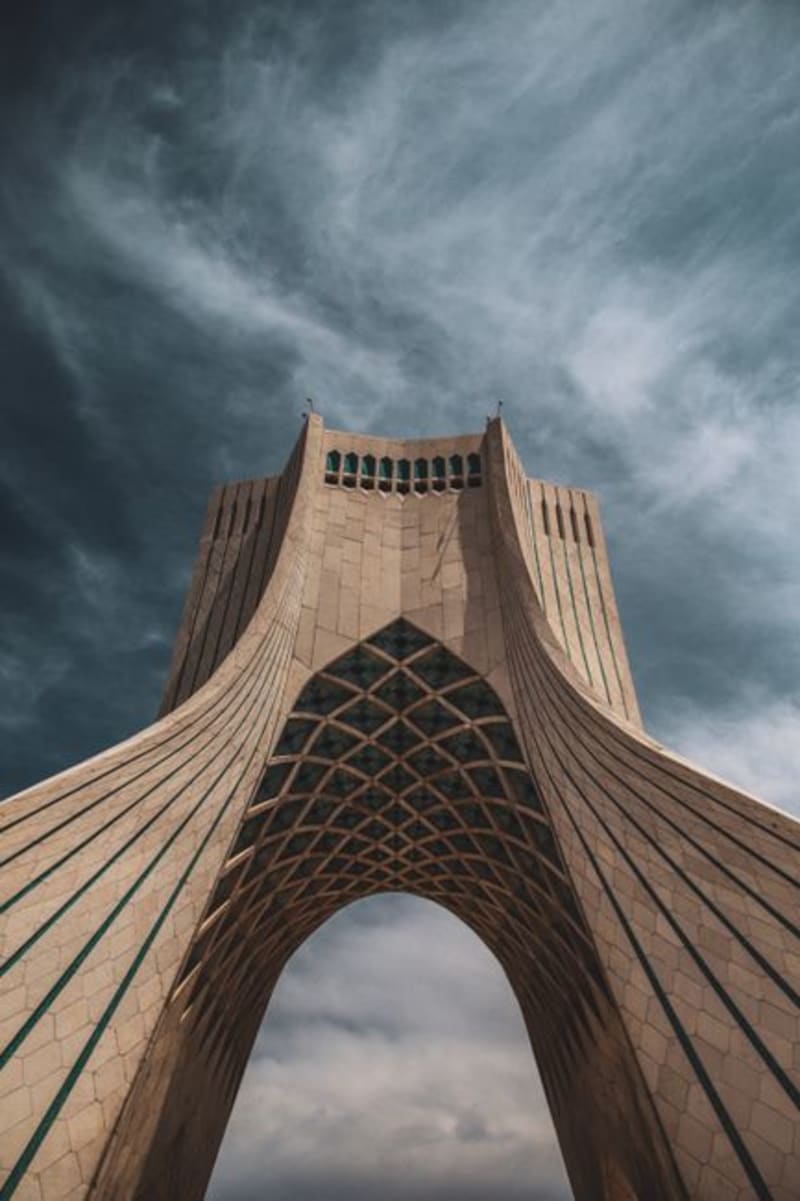
iran National Jewelry Treasury
A basement vault beneath Iran's central bank holding one of the largest jewel collections on Earth, including a pink diamond the size of a walnut and a globe made of solid gemstones.
Explore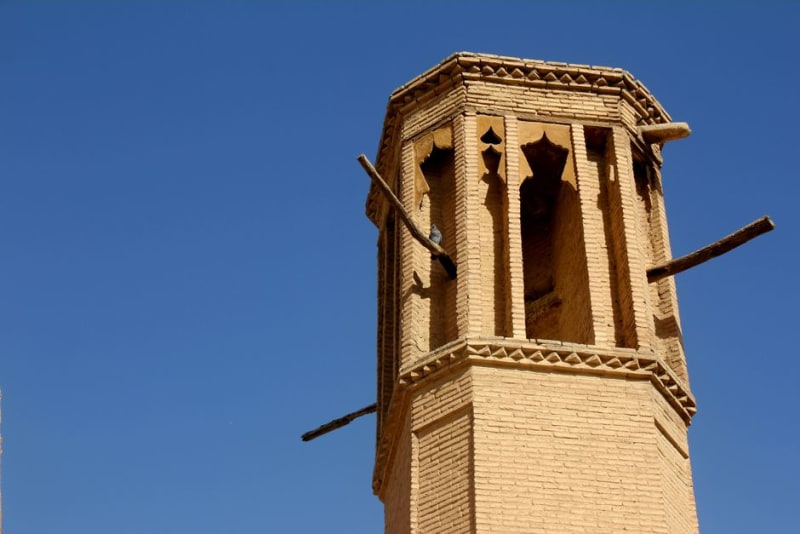 iran
iran Jolfa
A quiet border town on the Aras River where Iran, Armenia, and Azerbaijan nearly touch, and where an Armenian quarter of walled gardens hints at a much larger community that vanished centuries ago.
Explore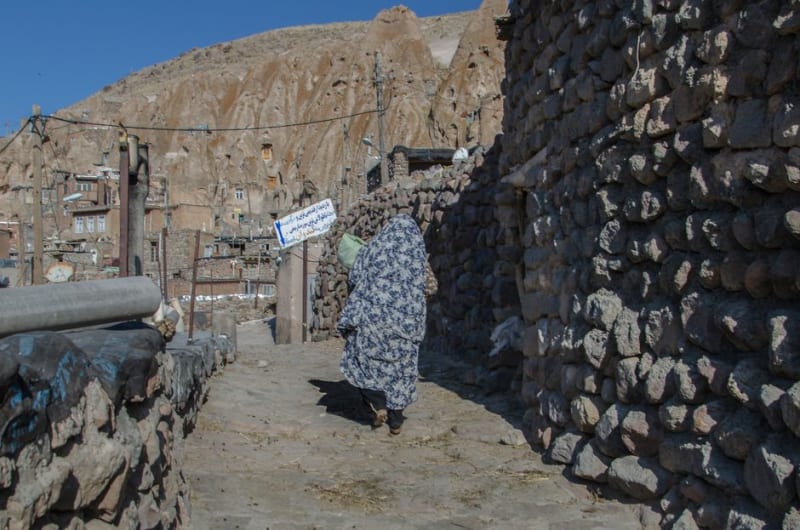 iran
iran Kandovan
A troglodyte village of volcanic rock cones near Tabriz, still inhabited after seven centuries, that looks like Cappadocia's quieter, less-discovered cousin.
Explore iran
iran Kashan
Exquisite Qajar mansions with courtyard gardens, and the world's finest rose-water distilleries in bloom each May.
Explore iran
iran Kelardasht
A high mountain valley in Mazandaran ringed by some of the Alborz's tallest peaks, centered on a turquoise lake and dotted with orchard villages that empty out entirely once the snow starts.
Explore iran
iran Kerman
A desert crossroads city with an exquisite Safavid bazaar and hammam, and the gateway to the Lut Desert's otherworldly kaluts.
Explore