Qom
"The most conservative city I visited in Iran was also the one where a theology student insisted on walking me to my hotel."
Iran's holiest city and the intellectual center of Shia Islam, built around a golden-domed shrine that shapes everything from the dress code to the daily rhythm.

Qom is not a city you visit for leisure in the way you’d visit Isfahan or Shiraz, and I want to be upfront about that. It’s Iran’s most important religious center, home to the Fatima Masumeh Shrine and dozens of seminaries that train Shia clerics from across the world, and the atmosphere is noticeably different from anywhere else I went — more conservative, more devotional, less oriented around tourism at all. I found it fascinating precisely because of that difference, not despite it.
Inside the Shrine Complex
The Fatima Masumeh Shrine, honoring the sister of Imam Reza, sits at the center of a vast courtyard complex tiled in mirror-work and turquoise, its golden dome visible from much of the city. Non-Muslim visitors are generally permitted into the courtyards (women need a chador, provided at the entrance) though not always into the innermost sanctuary, and even from the outer courtyard the scale and devotion on display are considerable — pilgrims weeping at the shrine’s grilles, families praying together on carpets spread across the marble, a constant quiet murmur of recitation. I stood at the edge of it feeling distinctly like a guest in someone else’s most sacred space, which is exactly the right feeling to have.

A City of Seminaries
Qom hosts an estimated tens of thousands of seminary students, and the city’s intellectual life revolves entirely around religious scholarship — it’s often compared to a theological Oxford. I ended up in a long conversation with a young seminary student outside a bookshop who spoke better English than most people I’d met in Tehran, purely from correspondence with foreign pen pals, and who spent an hour walking me toward my hotel debating, cheerfully, whether Western journalists ever got Iran right. It was one of the more substantive conversations of the whole trip, and it happened in the city I’d expected to feel most closed off.

Getting Oriented
Qom is about ninety minutes south of Tehran by car or a similarly short train ride, and works well as a day trip, though staying overnight lets you see the shrine lit up after dark, which is genuinely beautiful. Dress conservatively — more so than in Tehran or Shiraz — and expect a different pace: fewer restaurants, no alcohol-adjacent nightlife of any kind, and a general seriousness to public behavior.
When to go: Spring and autumn for comfortable walking weather. The city is worth combining with a Tehran itinerary rather than visiting in isolation, since most travelers only need a day here.
Keep exploring
More from Iran
 iran
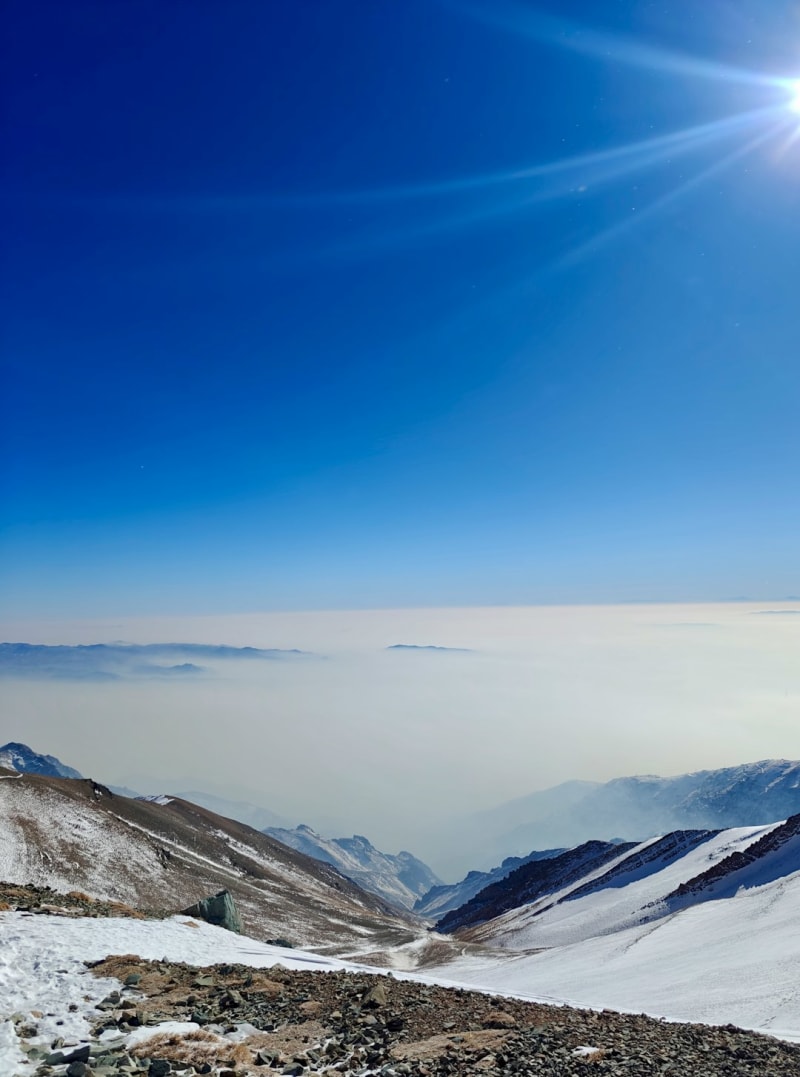
iran Ramsar
A Caspian resort town backed by rainforest and cable cars, built around a 1930s palace and a stretch of black-sand beach that Iranians have been vacationing on for a century.
Explore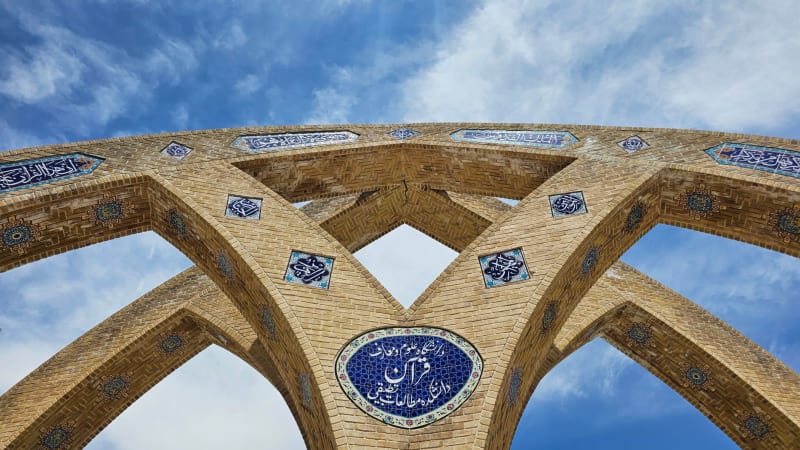 iran
iran Rasht
Iran's unlikely food capital on the Caspian coast, where rice paddies and jungle-green hills replace the desert and the cuisine bears almost no resemblance to what the rest of the country eats.
Explore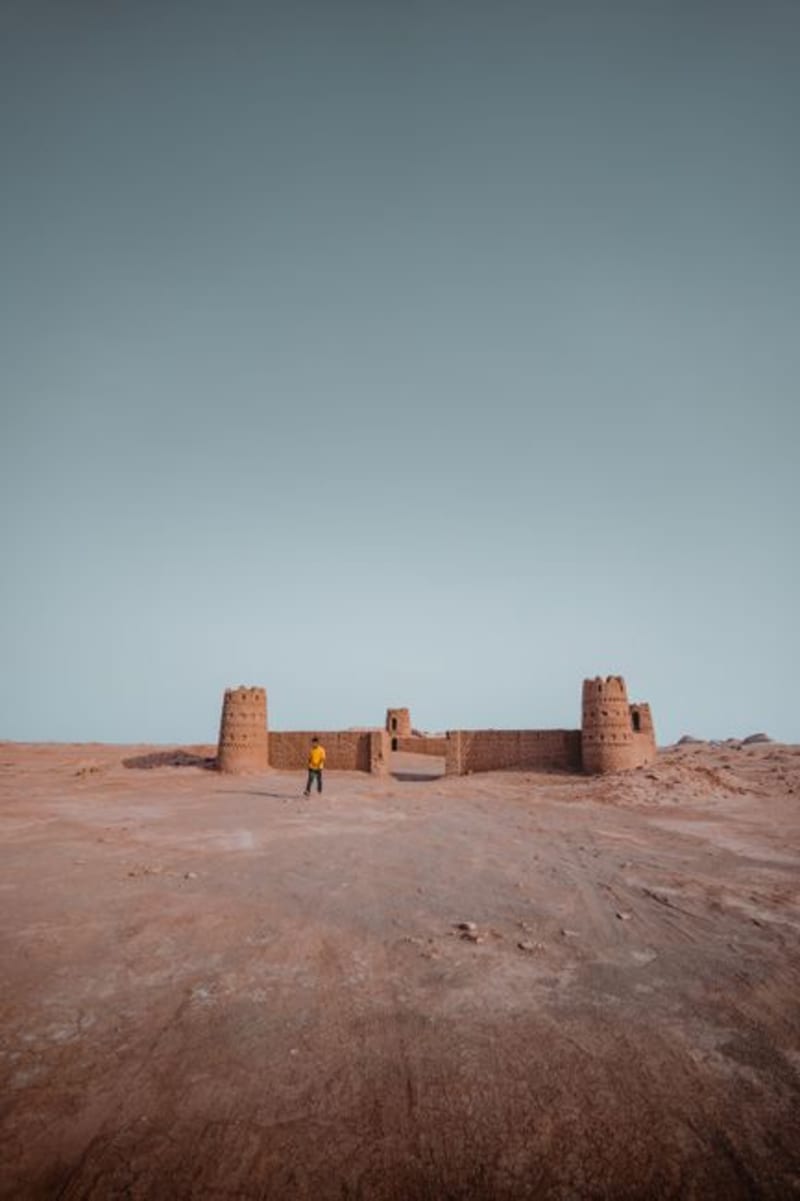 iran
iran Rig-e Yazd Desert
Sand dunes rising directly out of the Yazd plateau, close enough for a sunset trip and empty enough to feel like the edge of the map.
Explore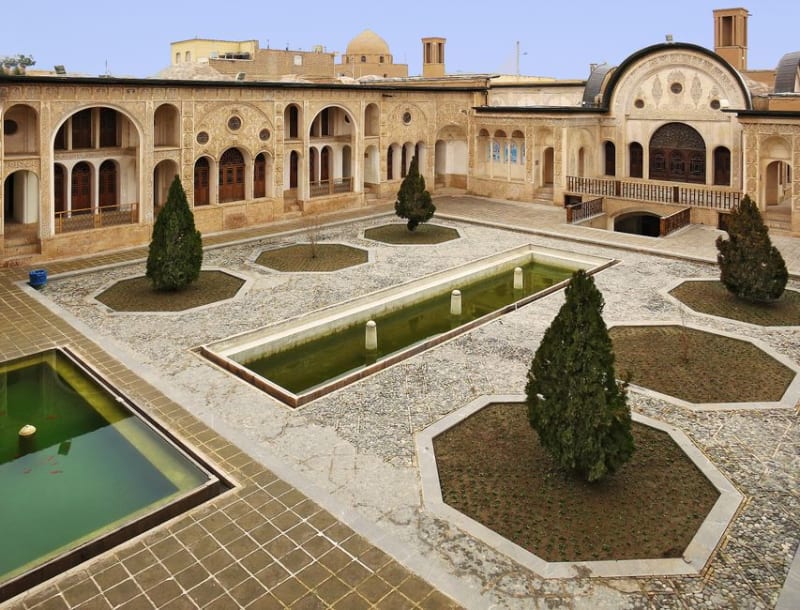 iran
iran Sa'dabad Palace Complex
A wooded royal estate of eighteen separate palaces in the Alborz foothills, where two Pahlavi shahs lived a century apart from the Qajars and revealed their taste in miniature.
Explore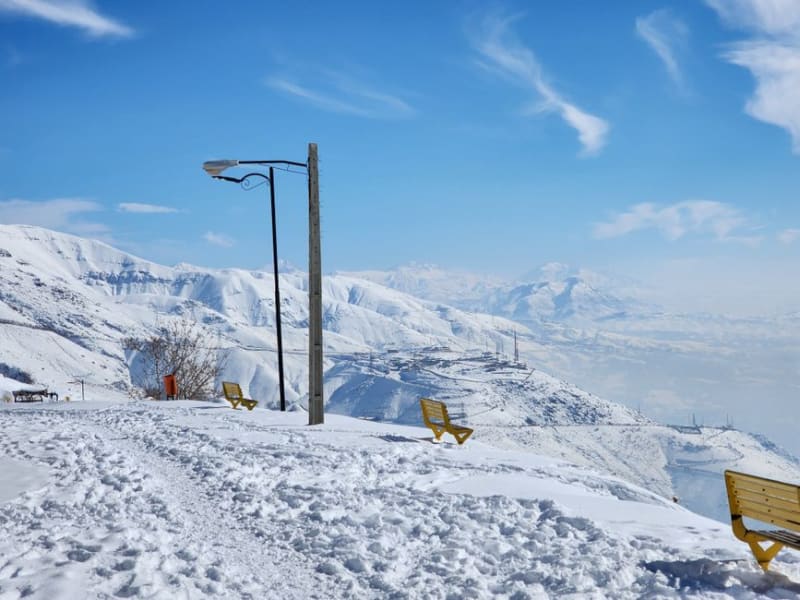 iran
iran Sanandaj
The unofficial capital of Iranian Kurdistan, where a language survives in music, embroidery, and defiance.
Explore iran
iran Sarein
A small hot spring town in the foothills below Mount Sabalan, where Iranian families come by the busload for mineral baths and we came for one very good, very ordinary weekend of doing absolutely nothing.
Explore