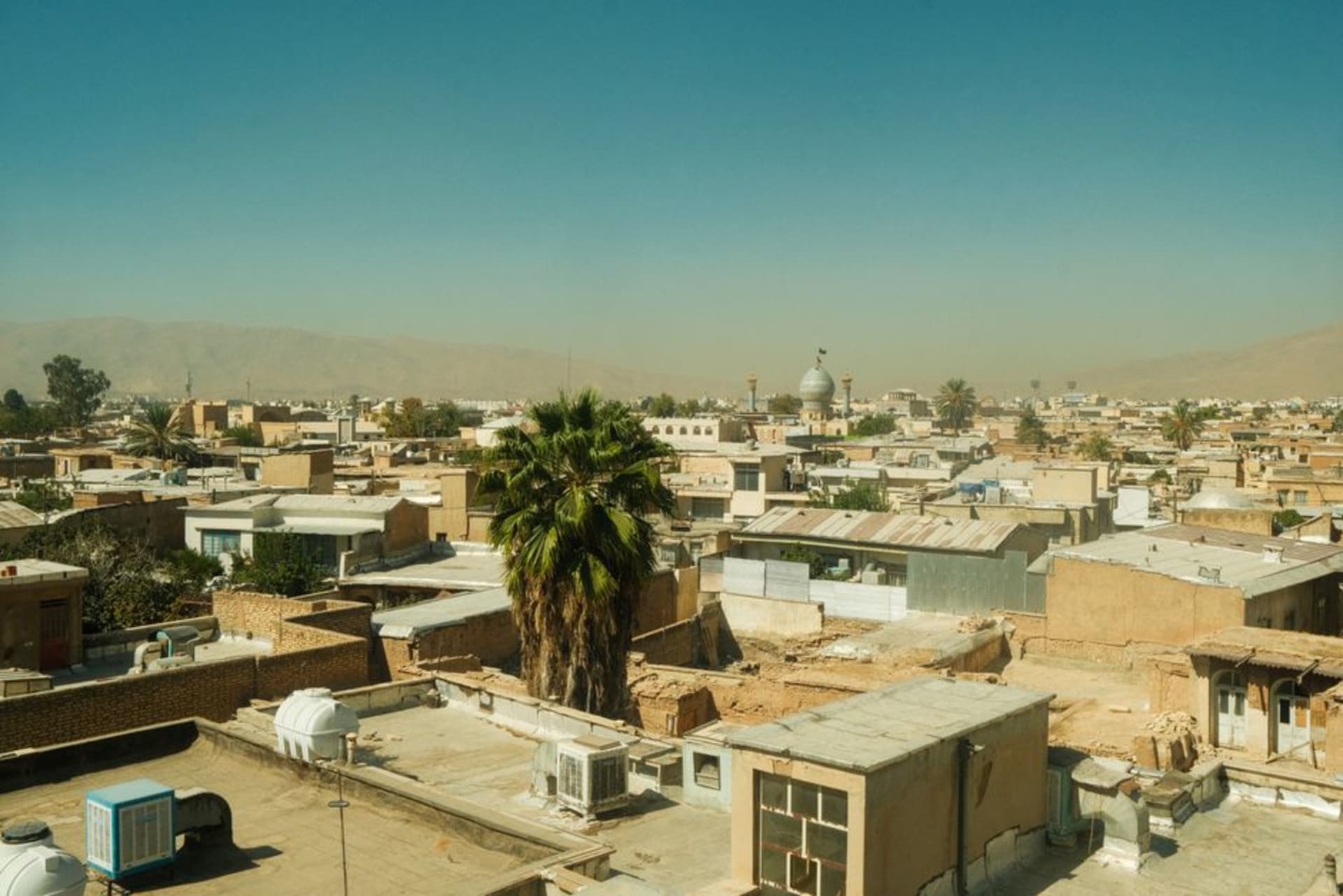
Kerman
"The city everyone uses as a gateway to the desert deserves at least two days on its own terms."
A desert crossroads city with an exquisite Safavid bazaar and hammam, and the gateway to the Lut Desert's otherworldly kaluts.

Kerman kept getting treated, in every itinerary I read before going, as a mere overnight stop on the way to the Lut Desert. That undersells it badly. This is one of Iran’s oldest cities, a former Silk Road crossroads with its own distinct culture of poetry, pistachios, and carpet-weaving, and the Ganjali Khan Complex at its heart is as fine a piece of Safavid civic architecture as anything in Isfahan, just far less visited.
The Ganjali Khan Complex
Built in the early seventeenth century by a Safavid governor, the complex includes a bazaar, a caravanserai, a mosque, a mint, and — the part that stopped me — a hammam, now converted into a wax-figure museum depicting traditional bathhouse life. Walking through the domed, tiled chambers where men once scrubbed and gossiped and had their beards trimmed, populated now with lifelike wax attendants mid-gesture, was equal parts beautiful and mildly unsettling in a way I’ve thought about since. The bazaar itself, still functioning, sells Kerman’s famous pistachios by the kilo and carpets that local weavers will happily spend twenty minutes explaining knot-by-knot whether or not you’re buying.

The Edge of the Lut Desert
Kerman’s other role is as the last real city before the Dasht-e Lut, one of the hottest and driest places on earth, where NASA satellite measurements have recorded some of the highest surface temperatures ever documented on the planet. The desert’s famous kaluts — wind-carved sandstone formations, some rising over a hundred meters, arranged in rows like a fossilized city — sit a few hours’ drive from Kerman and are best seen at sunset, when the low light turns the whole formation orange and the shadows between the ridges go black. Lia described it as the closest thing to standing on another planet she has experienced, and having now seen it, I don’t think she was overstating it.

Getting Oriented
Kerman has an airport with regular Tehran flights and a reasonable range of hotels near the bazaar. A desert excursion into the Lut requires a local guide and a 4x4 — do not attempt the kaluts independently, as the terrain and heat are unforgiving and phone signal disappears quickly.
When to go: Kerman city is pleasant October through April. For the Lut Desert itself, aim for the cooler months as well, and always time the kalut visit for late afternoon regardless of season — the light and temperature both demand it.
Keep exploring
More from Iran
 iran
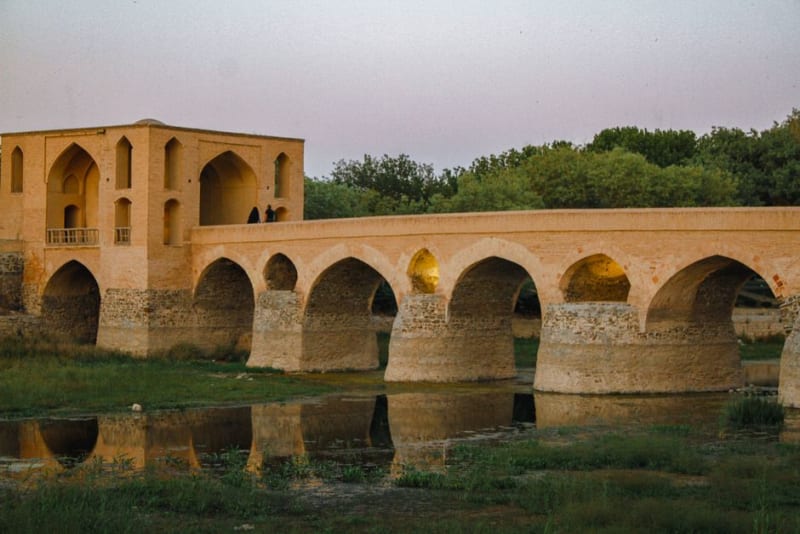
iran Khaju Bridge
A two-story Safavid bridge-dam that doubles as a pavilion, a floodgate, and — after dark, when Isfahanis gather in its arches to sing — the best free concert in the country.
Explore iran
iran Kharanaq
An abandoned mud-brick village on a cliff edge, left to the wind exactly as its last residents walked out of it decades ago.
Explore iran
iran Kharg Island
A small, heavily guarded oil terminal island in the northern Persian Gulf that also holds Sassanid rock tombs and a sunken Portuguese-era church.
Explore iran
iran Khorramabad
The Lorestan capital, where a Sassanid fortress rises from a lake island and waterfalls cut straight through the edge of town.
Explore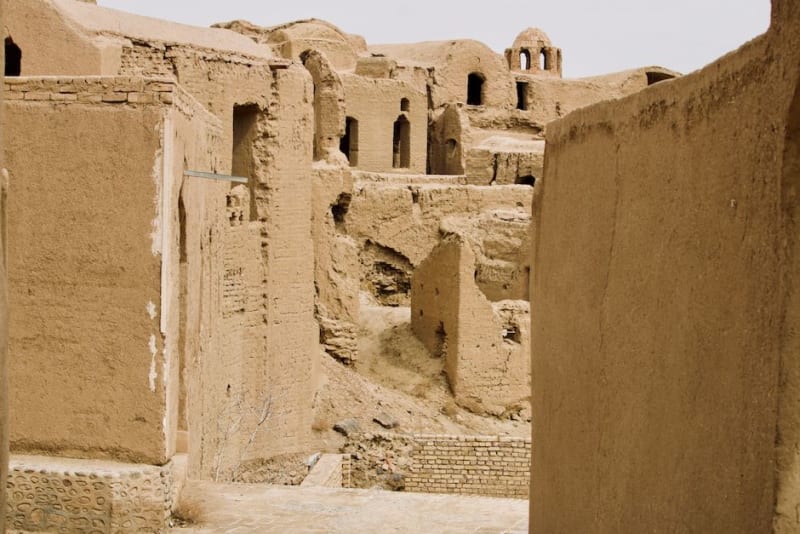 iran
iran Khoy
A weathered border-region town with a crumbling brick citadel, a bazaar that feels a century behind Tabriz's, and the kind of unhurried hospitality that only shows up once the tour buses stop coming.
Explore iran
iran Kish Island
Iran's duty-free resort island, where Tehranis come to relax on the beach and coral reefs sit just offshore from shopping malls.
Explore