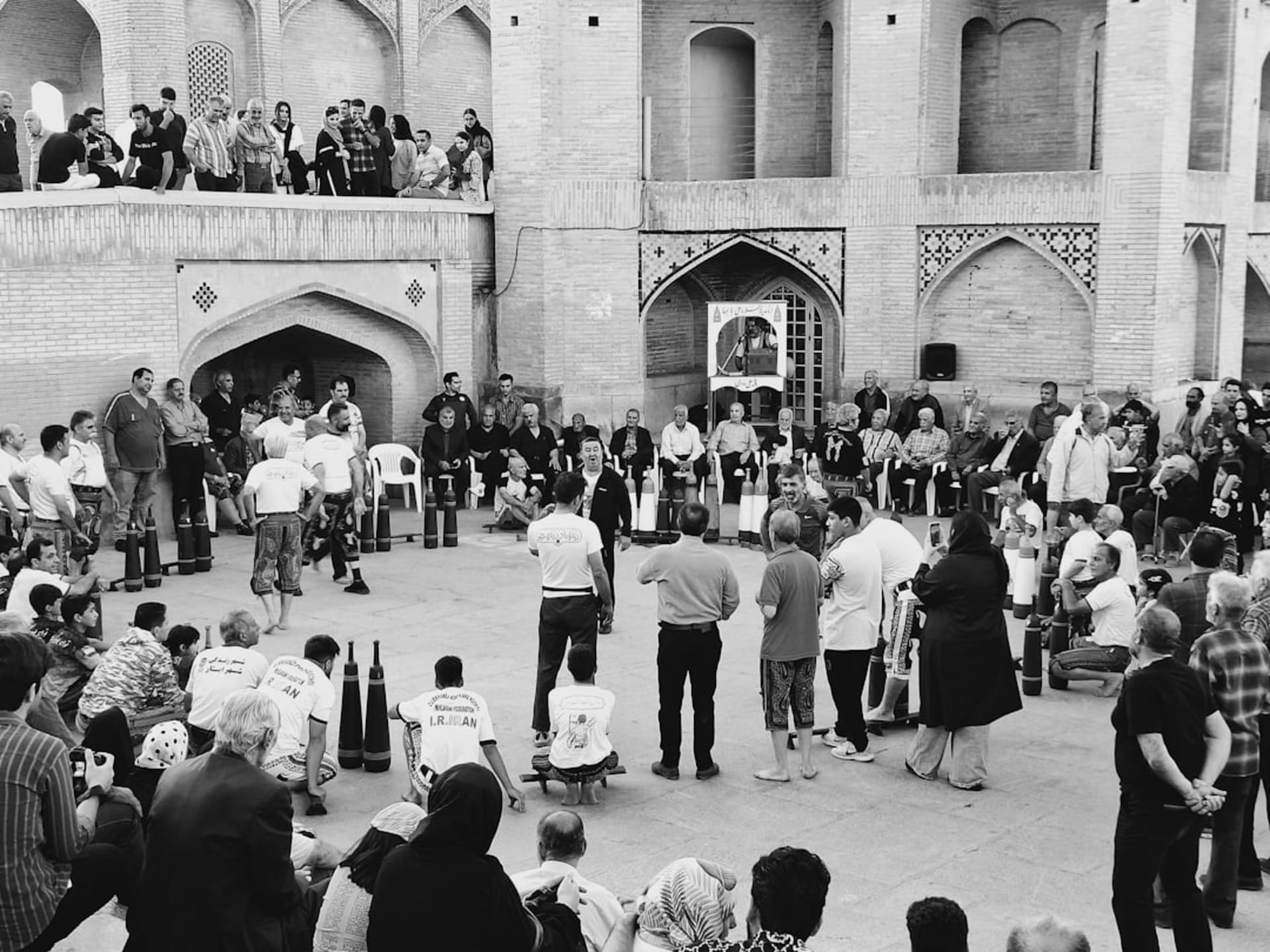
Jameh Mosque of Isfahan
"Not one building. Twelve centuries arguing politely with each other."
Twelve centuries of Iranian architecture stacked into one building — a living timeline where every dynasty added its own chapter instead of tearing down the last one.

Everyone in Isfahan tells you to see the Shah Mosque first, and they’re right to. But the building that stayed with me longer was older, quieter, and about a fifteen-minute walk north through the bazaar: the Jameh Mosque, or Friday Mosque, which has been under continuous construction and modification since the eighth century.
A Building That Never Finished
What makes the Jameh Mosque strange is that no single dynasty gets credit for it. The Abbasids started it. The Seljuks added the two great brick domes in the eleventh century — one of which, the Taj-ol-Molk dome, is considered by architectural historians to be one of the most perfect brick domes ever built, its proportions calculated with a precision that still puzzles engineers. The Mongols, the Muzaffarids, the Timurids, and the Safavids each layered their own additions on top without demolishing what came before. Walking through it is less like touring a monument and more like reading a manuscript with marginal notes from six different centuries.

The Winter Prayer Hall
The part that surprised me most was the Sahn-e Sultani winter prayer hall, added by the Safavids to give worshippers a break from summer heat and winter cold — a vaulted hall lit only through narrow stone screens, deliberately dim and cool. Lia and I sat there for twenty minutes in near silence, the temperature noticeably lower than the courtyard we’d just left, and I understood something about pre-electric architecture that no amount of reading had taught me: comfort used to require this much design intelligence.

An elderly caretaker, noticing we were lingering, walked us to a corner of the courtyard and pointed out brickwork patterns from three visibly different eras within a single wall — a Seljuk lower section, a Il-Khanid mihrab, a Safavid tile repair. He’d clearly given this tour a thousand times and still seemed delighted by it.
When to go: Weekday mornings, ideally outside of Friday prayer hours, when the mosque is nearly empty and the light through the courtyard is soft enough to make the brick glow rather than glare. October and April offer the most comfortable temperatures for lingering in the open courtyard.
Keep exploring
More from Iran
 iran
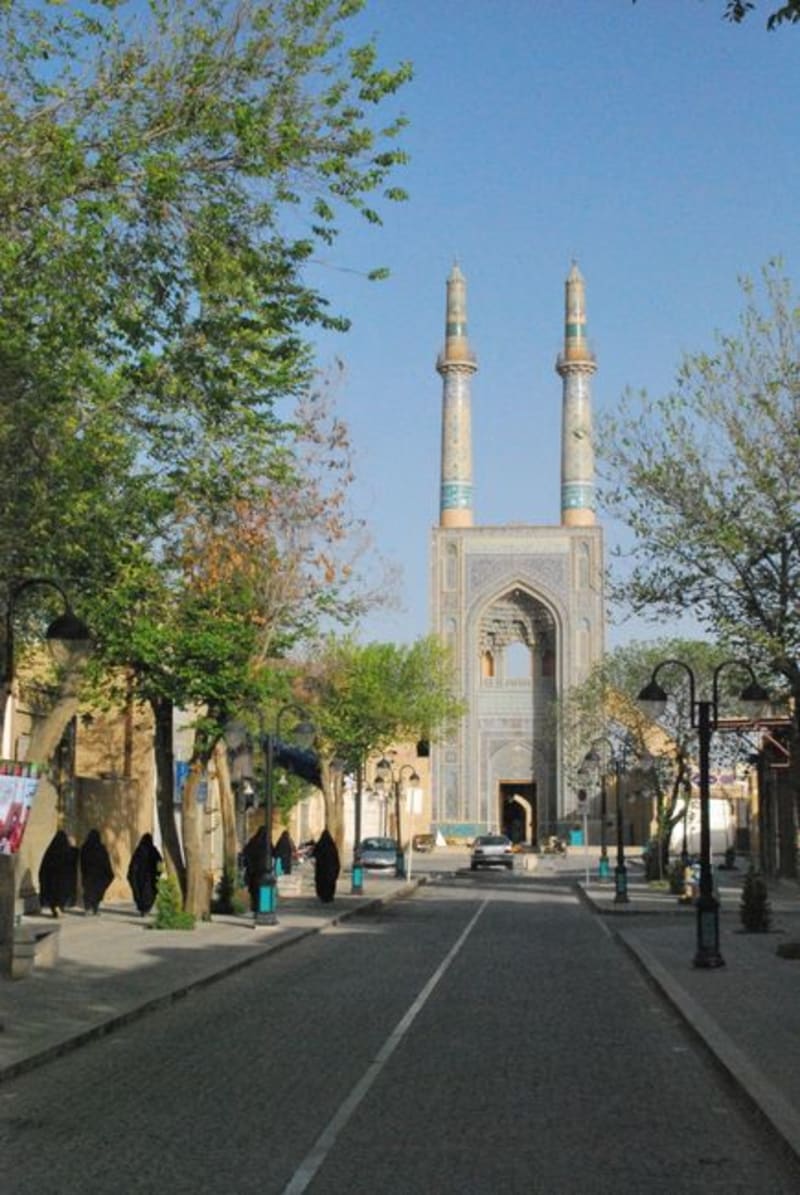
iran Jameh Mosque of Yazd
The tallest minarets in Iran rise above a mosque entrance so precisely tiled it looks printed rather than built by hand.
Explore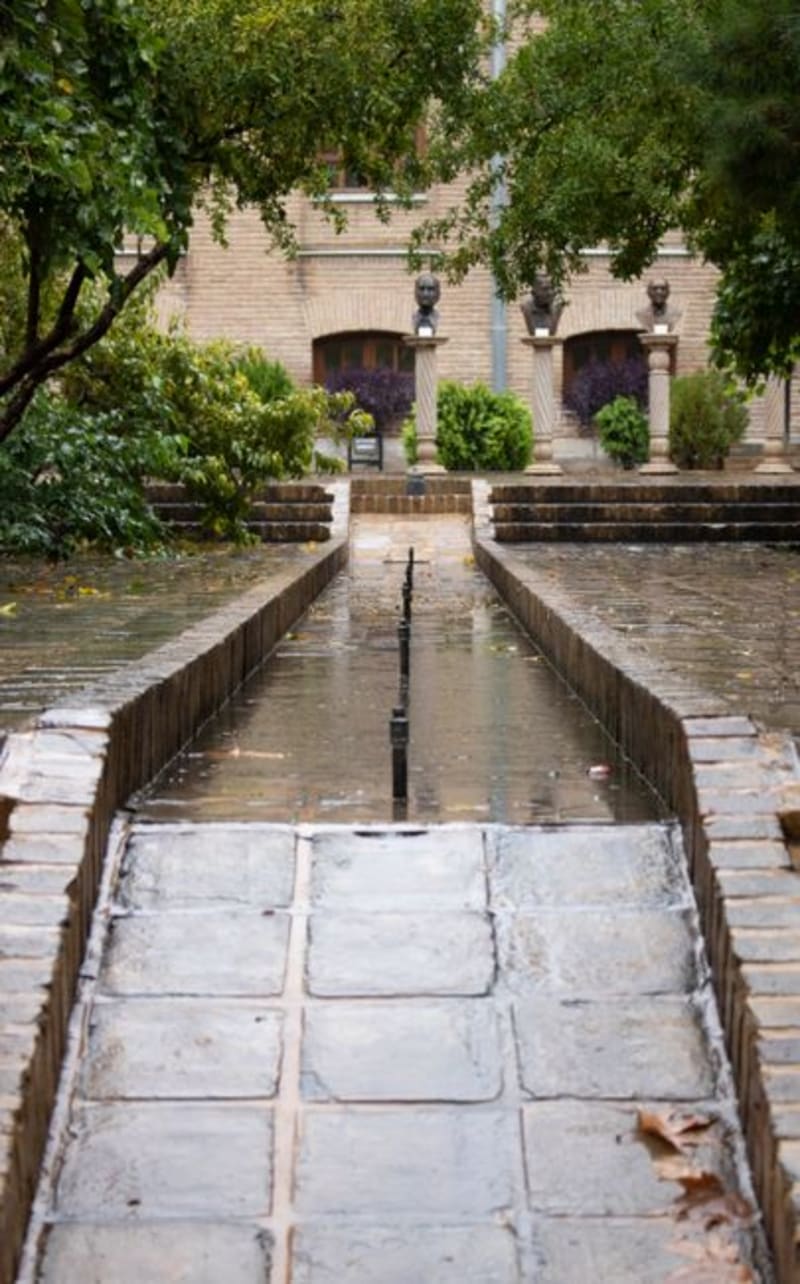 iran
iran Jamshidieh Stone Garden
A terraced rock garden built into the Alborz foothills, where waterfalls, teahouses, and a Tehran skyline view make for the easiest half-day escape from the city center.
Explore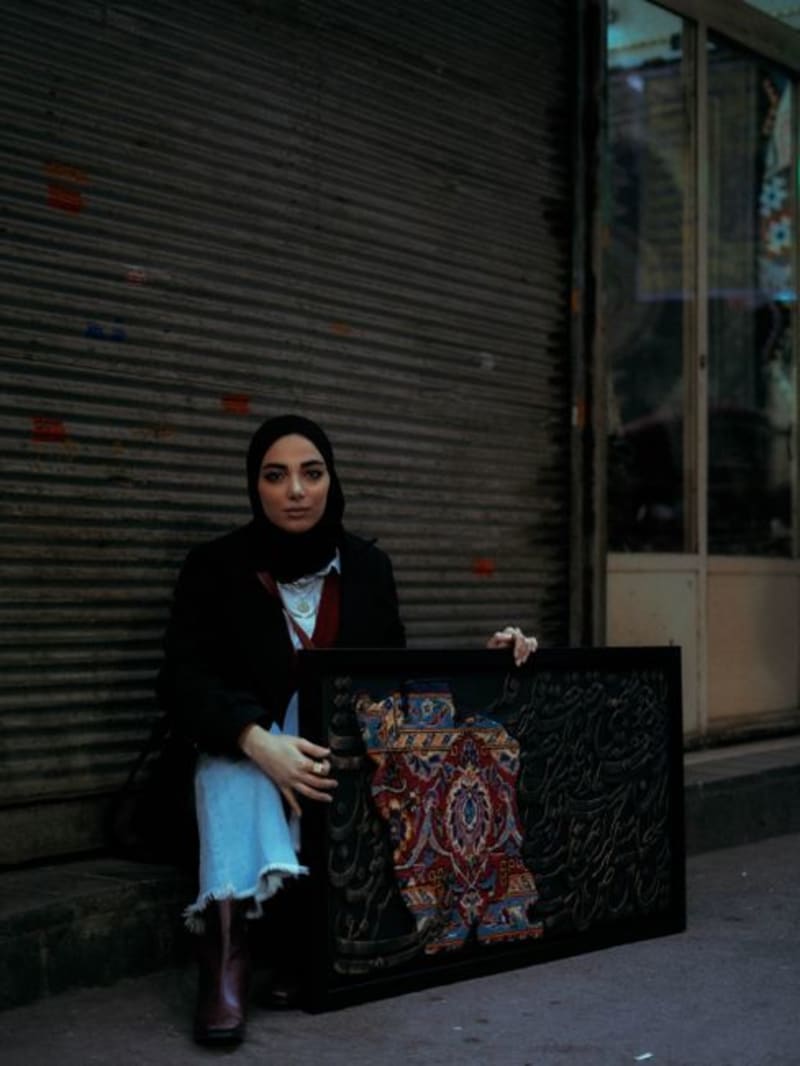 iran
iran Javaherdeh
One of the highest permanently inhabited villages in Iran, reached by a punishing mountain road above Ramsar, where summer pastures and stone houses sit above the cloud line.
Explore iran
iran National Jewelry Treasury
A basement vault beneath Iran's central bank holding one of the largest jewel collections on Earth, including a pink diamond the size of a walnut and a globe made of solid gemstones.
Explore iran
iran Jolfa
A quiet border town on the Aras River where Iran, Armenia, and Azerbaijan nearly touch, and where an Armenian quarter of walled gardens hints at a much larger community that vanished centuries ago.
Explore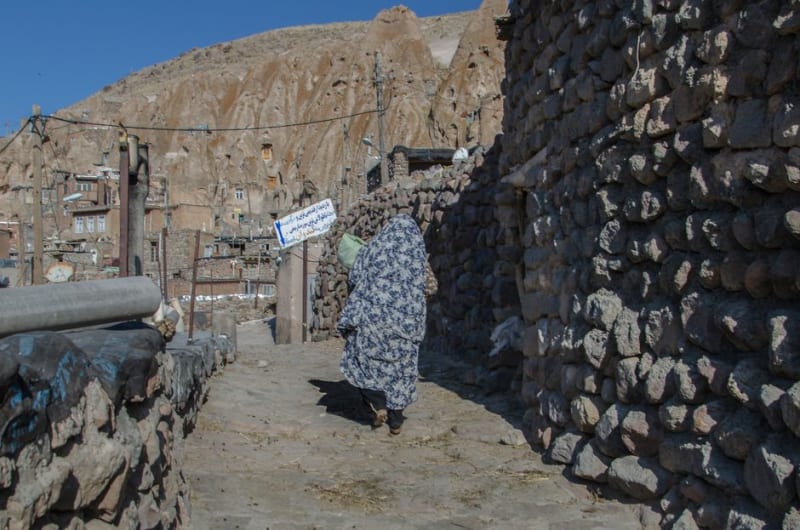 iran
iran Kandovan
A troglodyte village of volcanic rock cones near Tabriz, still inhabited after seven centuries, that looks like Cappadocia's quieter, less-discovered cousin.
Explore