
Chak Chak
"Water dripping from solid rock, in the middle of a desert that hasn't seen rain in months."
A Zoroastrian fire temple built into a cliff face where a spring drips continuously from bare rock, deep in the desert two hours from Yazd.

The name Chak Chak is meant to imitate the sound of water dripping, and I was skeptical of that etymology right up until I stood inside the cave shrine and heard it myself — a slow, irregular drip from bare rock, in a landscape so dry that the sound felt almost impossible. It’s one of the most sacred sites in Zoroastrianism, and reaching it involves two hours of increasingly empty desert road from Yazd before a cliff face rises out of nowhere with bronze doors set directly into the stone.
The Climb to the Shrine
From the small parking area, a staircase of a few hundred steps climbs the cliff face to the shrine entrance, past prayer flags and a single ancient tree that pilgrims have tied ribbons to for generations. I climbed it in the mid-morning heat and arrived properly out of breath, which felt oddly appropriate — this isn’t a site designed for casual convenience. The bronze doors open into a cave carved and built into the rock, with a small eternal flame tended inside and, at the back, the spring that gives the place its name, dripping continuously down blackened stone into a stone basin.
The Legend Behind the Spring
According to Zoroastrian tradition, this is where Nikbanou, daughter of the last Sassanid king, took refuge from invading Arab armies in the seventh century and, cornered against the cliff, prayed for deliverance rather than capture. The mountain is said to have opened to shelter her, and the spring emerged from the rock at that moment and has never stopped. Whatever you make of the story, the physical fact of a spring in a completely arid mountain range is genuinely strange, and standing inside the cool cave listening to that drip against the silence outside, I understood why the site has held its power for thirteen centuries.

A Living Pilgrimage Site
Chak Chak is not a museum. Zoroastrian pilgrims from Iran, India, and elsewhere still travel here, particularly during the annual pilgrimage in June, when the site fills with visitors camping in the surrounding hills. I visited on an ordinary Tuesday and had it almost entirely to myself except for a caretaker who offered dried mulberries from a small shop near the entrance and answered questions about the shrine’s history with obvious pride rather than rehearsed script.
When to go: Spring and autumn for tolerable desert heat on the drive and the climb. Mid-June brings the major pilgrimage gathering — remarkable to witness but far more crowded, and accommodation in the surrounding area books out well in advance.
Keep exploring
More from Iran
 iran
Chalus Road
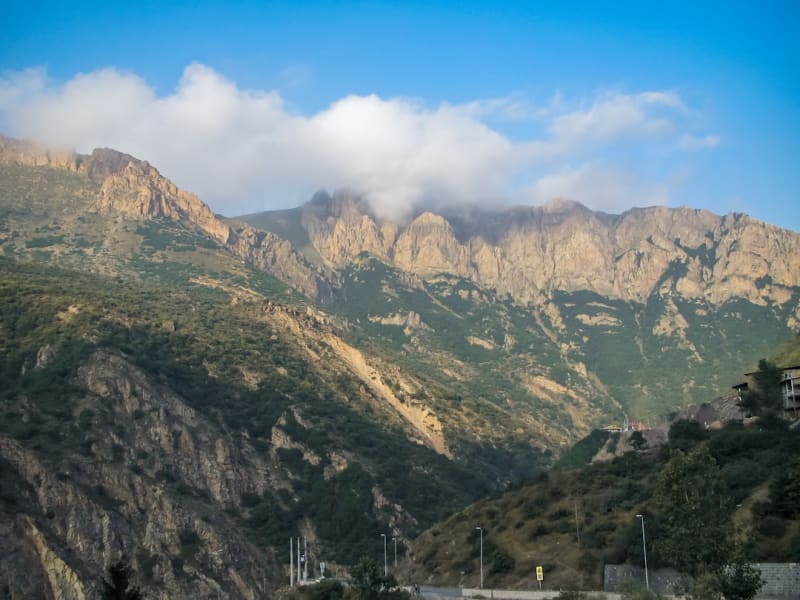
The single most dramatic road trip in Iran — a switchbacking mountain highway crossing the Alborz range from Tehran's dry plateau to the green Caspian coast in under three hours.
Explore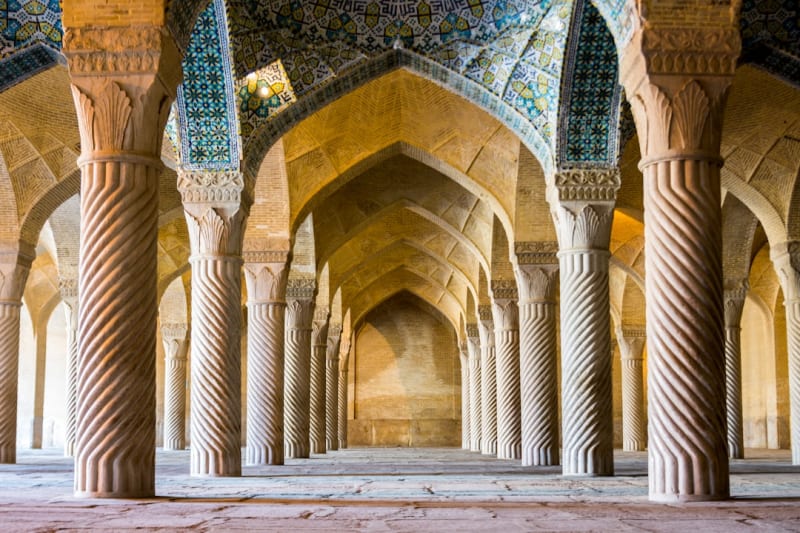 iran
Chehel Sotoun Palace
A Safavid pleasure pavilion whose twenty slender columns double to forty in its reflecting pool — and whose frescoed halls tell more honest history than any plaque.
Explore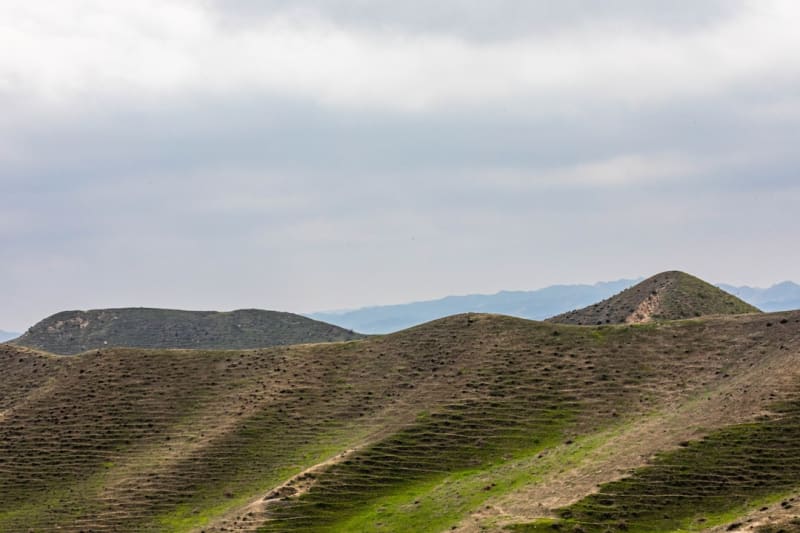 iran
Chogha Zanbil
A 3,300-year-old Elamite ziggurat rising out of empty Khuzestan plain, better preserved than anything comparable in Mesopotamia and visited by almost no one.
Explore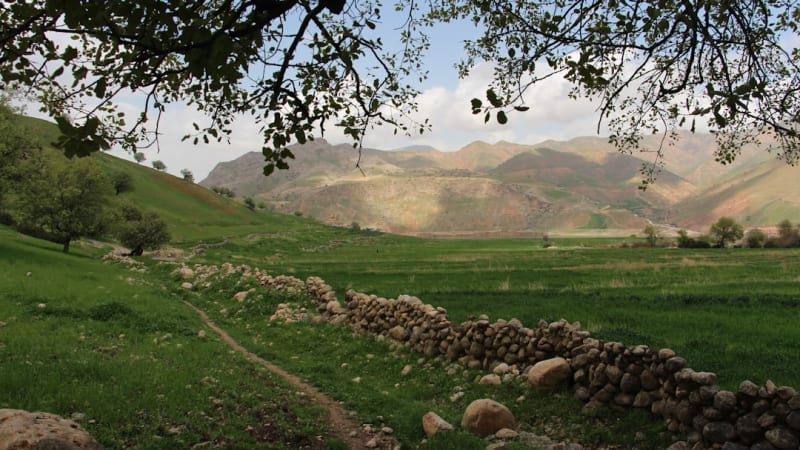 iran
Darakeh
A stream-side village trailhead at Tehran's northern edge, lined with riverside teahouses, where the city's serious hikers actually start their Alborz weekends.
Explore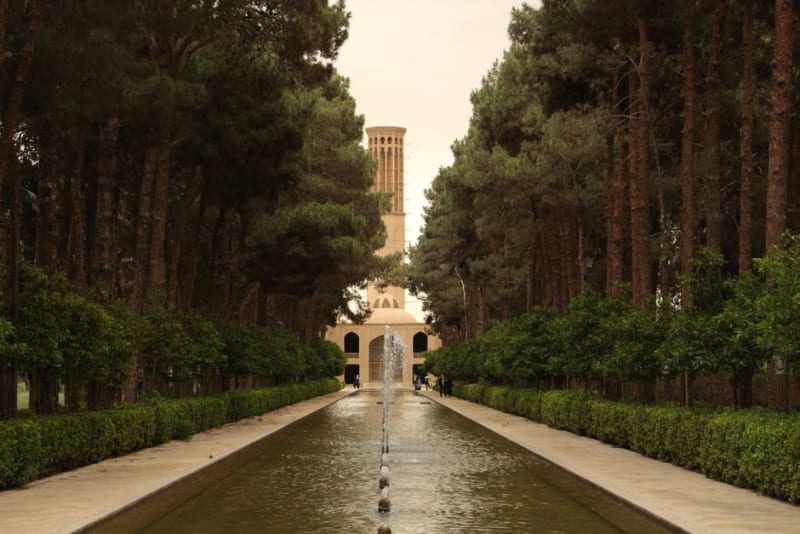 iran
Dowlat Abad Garden
A Persian paradise garden built around the tallest windcatcher on earth, where geometry and shade turn desert heat into something almost gentle.
Explore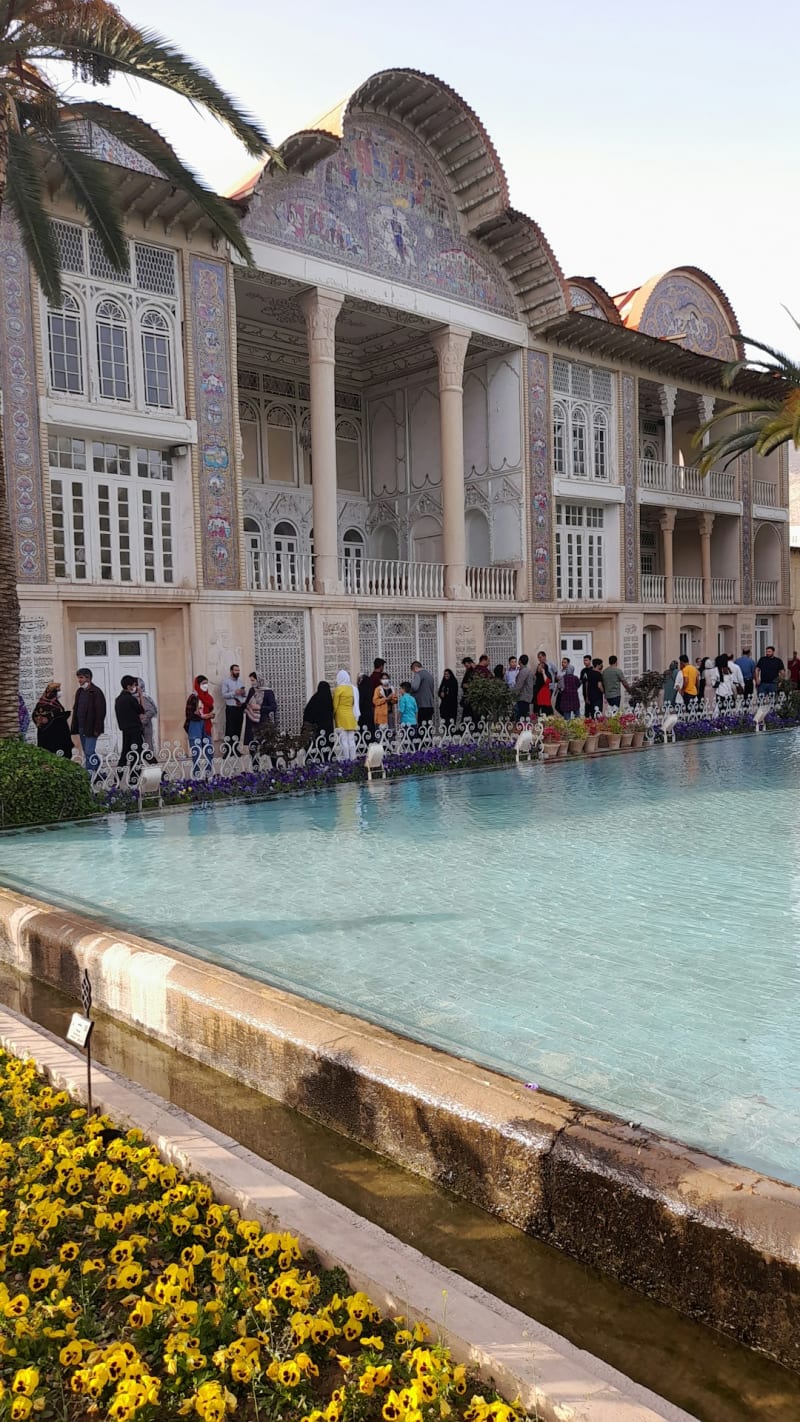 iran
Eram Garden
A UNESCO-listed Persian paradise garden where roses, cypress, and a Qajar mansion argue about which one is the real attraction.
Explore