
Corsica
"Corsica is the island that smells of rosemary and refuses to be anything but itself."
The Island of Beauty offers a France-meets-Italy personality: maquis-scented mountains, turquoise Ligurian sea, chestnut cuisine, and Napoleon's birthplace.
The ferry from Nice takes four hours, and for most of that crossing you see nothing but flat blue water. Then, somewhere south of Cap Corse, the island appears — not gradually, the way most coasts announce themselves, but all at once, a dark serrated wall rising from the sea. Corsica doesn’t ease you in. It confronts you.
The Maquis and What It Carries
The smell hits before you even dock. Rosemary, lavender, cistus, wild mint — the maquis, that dense aromatic scrubland that covers the interior, seems to exhale constantly. I stepped off the ferry in Bastia and stood on the quay for a moment just breathing, trying to identify each thread. Lia said it smelled like someone had left a herb garden in a warm car for a week, which is both wrong and exactly right.
Bastia itself surprised me. Most travelers sprint south toward Bonifacio or west toward Ajaccio and miss the old Genoese port entirely. The Terra Vecchia quarter, stacked above the Vieux Port in layers of ochre and rust, belongs more to Liguria than to France. I had a glass of Nielluccio — the island’s indigenous red grape — at a table on Place du Marché watching old men argue in a mix of French and Corsu, and felt like I’d miscalculated where I was on the map, pleasantly.
Chestnut Country and the Interior
The real revelation was driving inland on the D69 toward Corte. The coast strips away and the island becomes something else entirely: mountain villages clinging to granite ridges, chestnut forests that turn the light honey-colored in the afternoons, streams cold enough to make you gasp in July. Corsicans have built an entire cuisine around the chestnut — chestnut polenta, chestnut beer, chestnut flour in the beignets that appear dusted with powdered sugar at every village fête. At a small auberge outside Venaco I ordered pulenta castagnina without knowing what it was, and the owner, visibly pleased by the accident, brought out a slab the color of dark bread with a wedge of brocciu cheese alongside. It was the best thing I ate on the island.
Bonifacio and the Southern Limestone
The south is the Corsica of postcards, and Bonifacio earns it. The medieval citadel sits on white limestone cliffs above the Strait of Bonifacio, directly across from Sardinia on clear days. The alleyways inside the Haute Ville are so narrow that shutters from facing windows nearly touch. I arrived at dusk, when the last light caught the limestone and turned it briefly gold before going grey, and understood why people have been writing about this place for centuries without exhausting it.
When to go: Late May through June offers warm water, open roads, and none of the crushing August crowds; September is arguably better still — the maquis is drier and more fragrant, the sea still swimmable, and the island visibly exhales.
Explore
Places in Corsica
 france
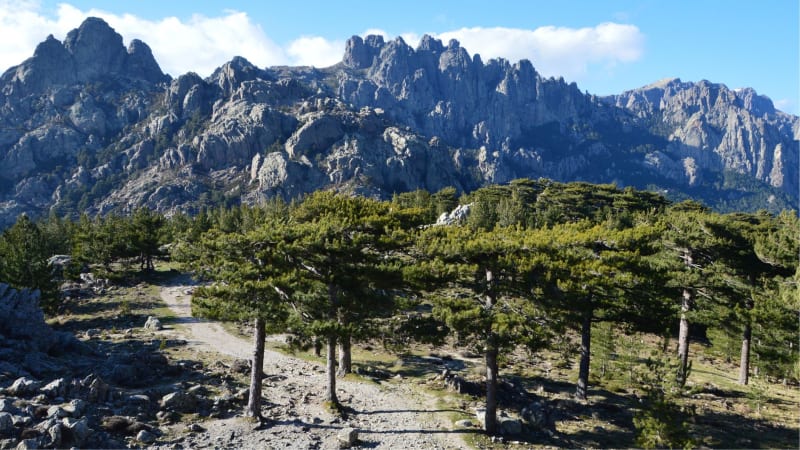
 Aiguilles de Bavella
Seven granite needle towers erupting from the laricio pines at two thousand meters — the southern interior's most dramatic punctuation mark.
Explore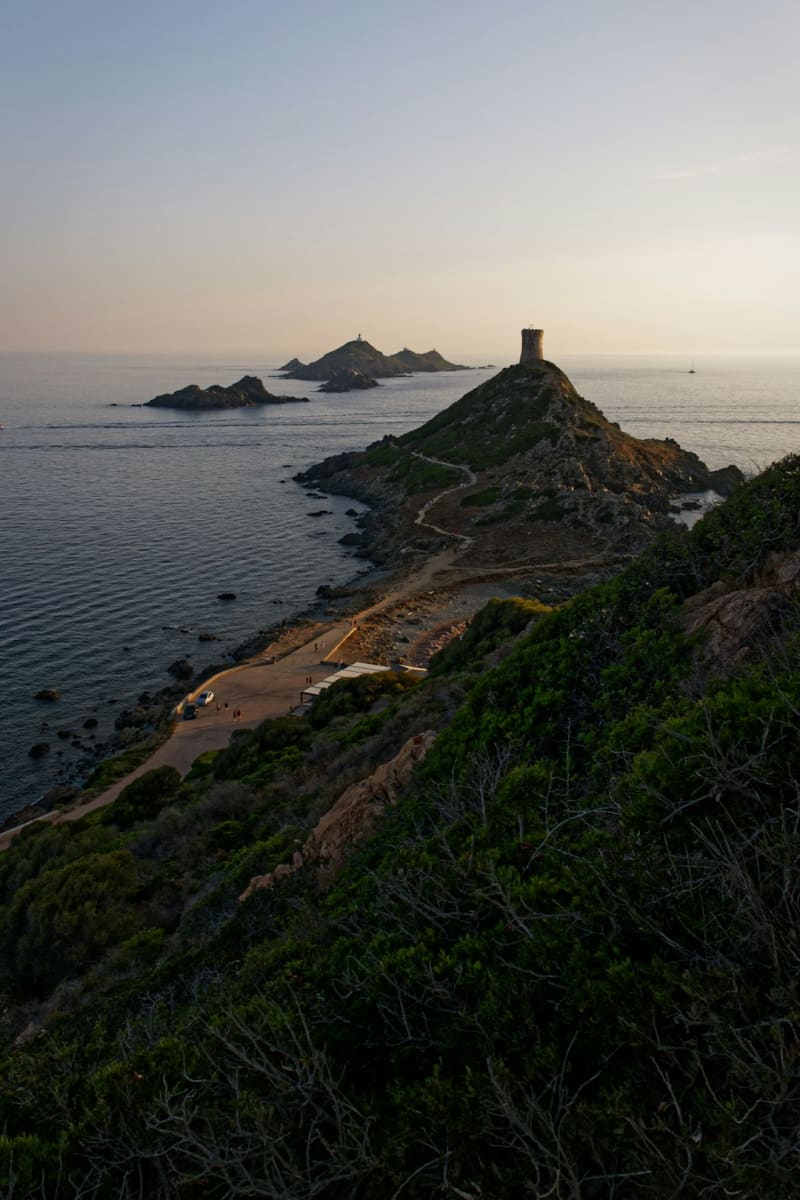 france
 Ajaccio
Napoleon's birthplace and Corsica's capital, a harbor town that argues with itself constantly about whether it's more French or more Corsican, and never resolves it.
Explore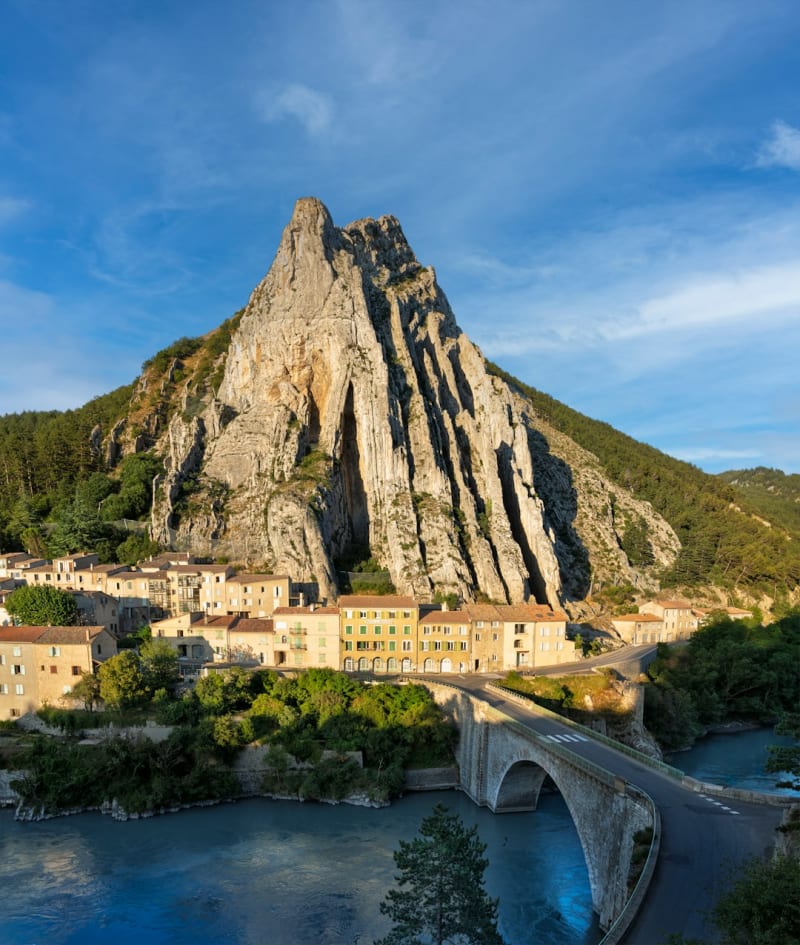 france
 Bastia
The port city that most visitors only see from a ferry railing on their way somewhere prettier, which is exactly why I ended up staying three extra days.
Explore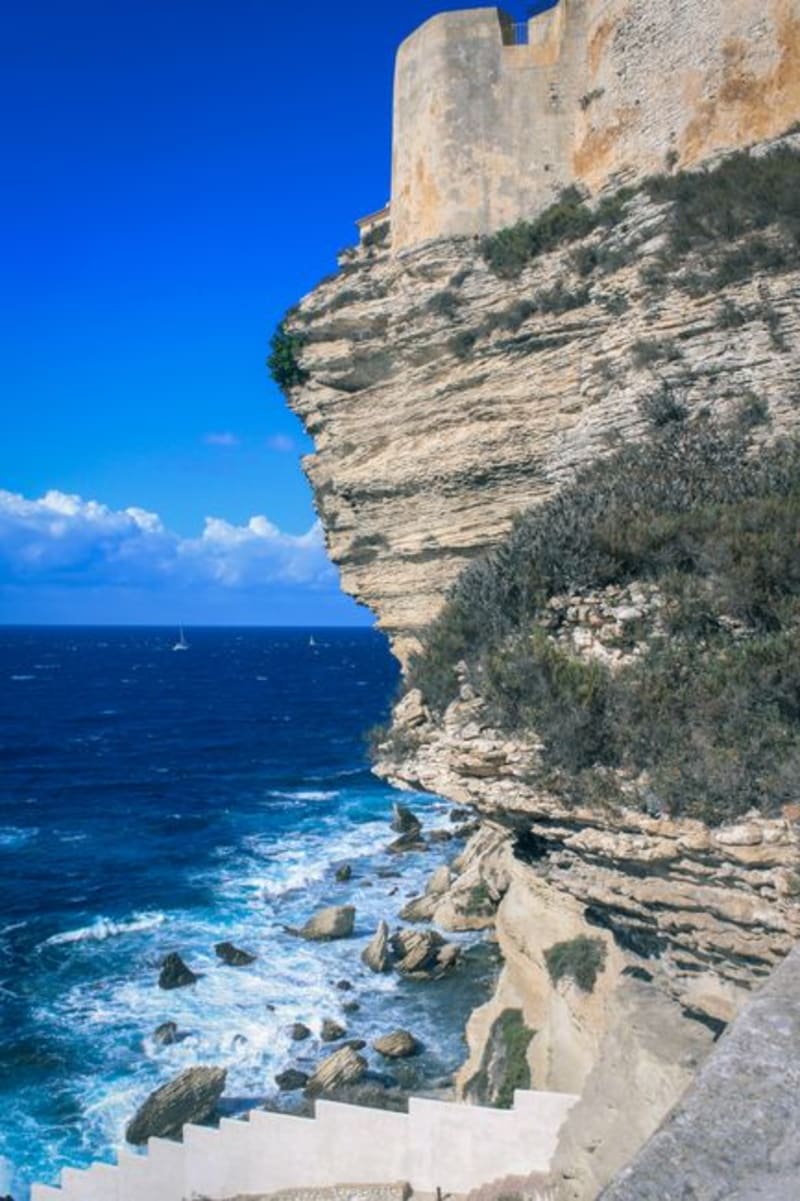 france
 Bonifacio
A Genoese citadel town on Corsica's southern tip, its pale limestone houses balanced right on the edge of cliffs that drop sheer into the Mediterranean, with a stairway cut into the rock said to have been carved in a single night.
Explore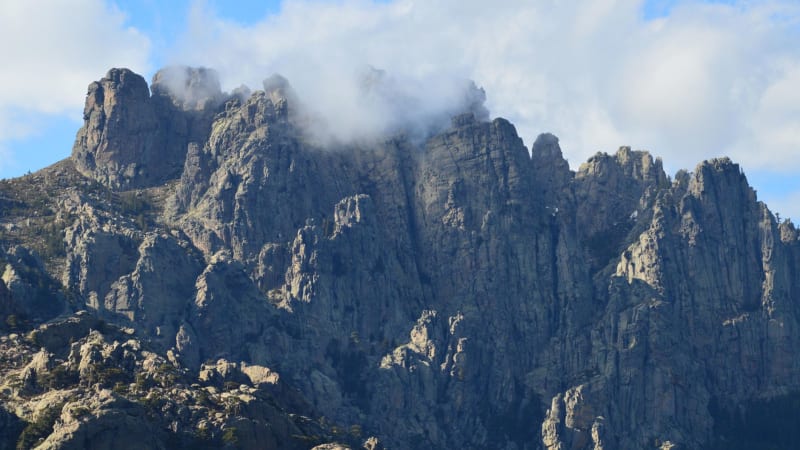 france
 Calanques de Piana
Three hundred million years of volcanic geology arranged into orange towers above the sea — Corsica's most otherworldly landscape.
Explore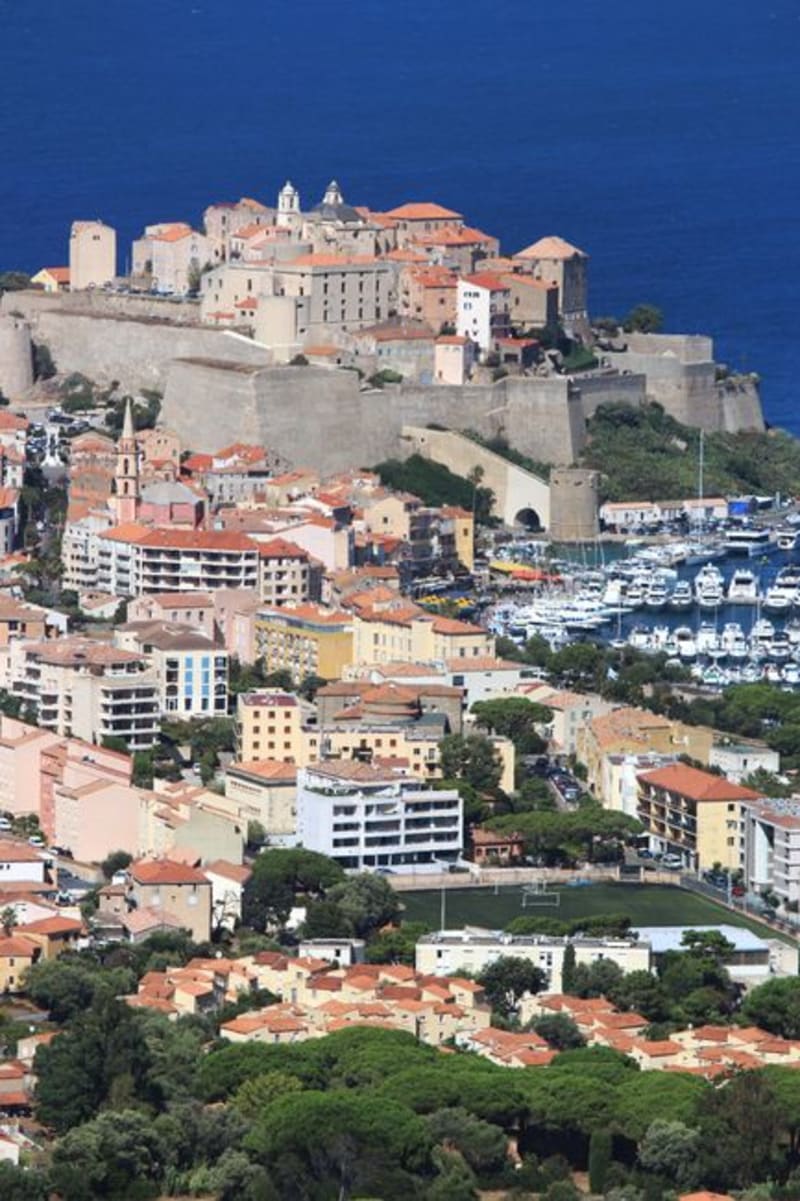 france
 Calvi
A citadel town on Corsica's Balagne coast where a Genoese fortress guards a sweeping bay of pine forest and pale sand, and a plaque inside the citadel insists, with local conviction, that Christopher Columbus was born within its walls.
Explore france
 Cap Corse
A forty-kilometer finger of wild peninsula pointing toward the Ligurian coast — Corsica with no crowds and a wine tradition entirely its own.
Explore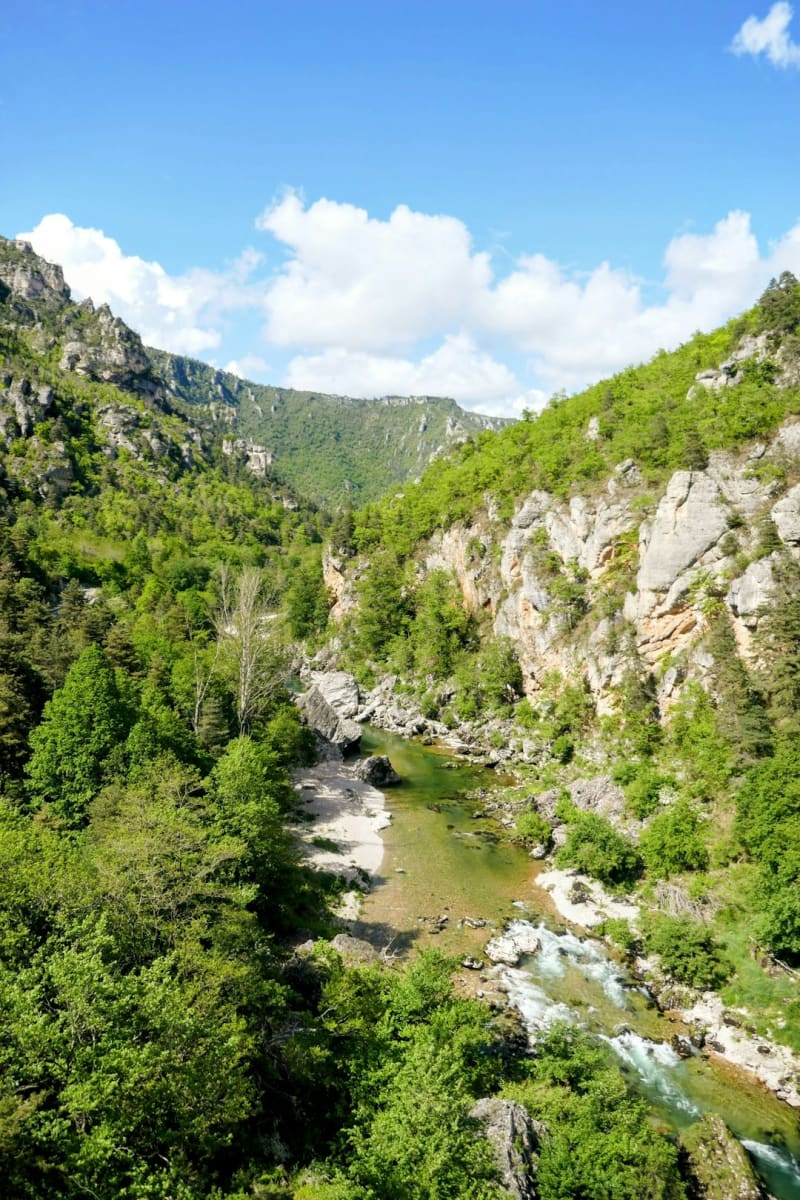 france
 Cargèse
A village founded by Greek refugees three centuries ago, where two churches face each other across a square like they're still politely disagreeing about something.
Explore france
 Corte
A mountain town at the heart of Corsica, built around a citadel on a rocky spur and steeped in the island's independence history, with a university town's energy and some of the wildest gorges on the island right at its edge.
Explore france
 Erbalunga
A fishing hamlet on Cap Corse where the houses stand right in the surf and the ruined Genoese tower on the point looks like it's been waiting for something that never comes.
Explore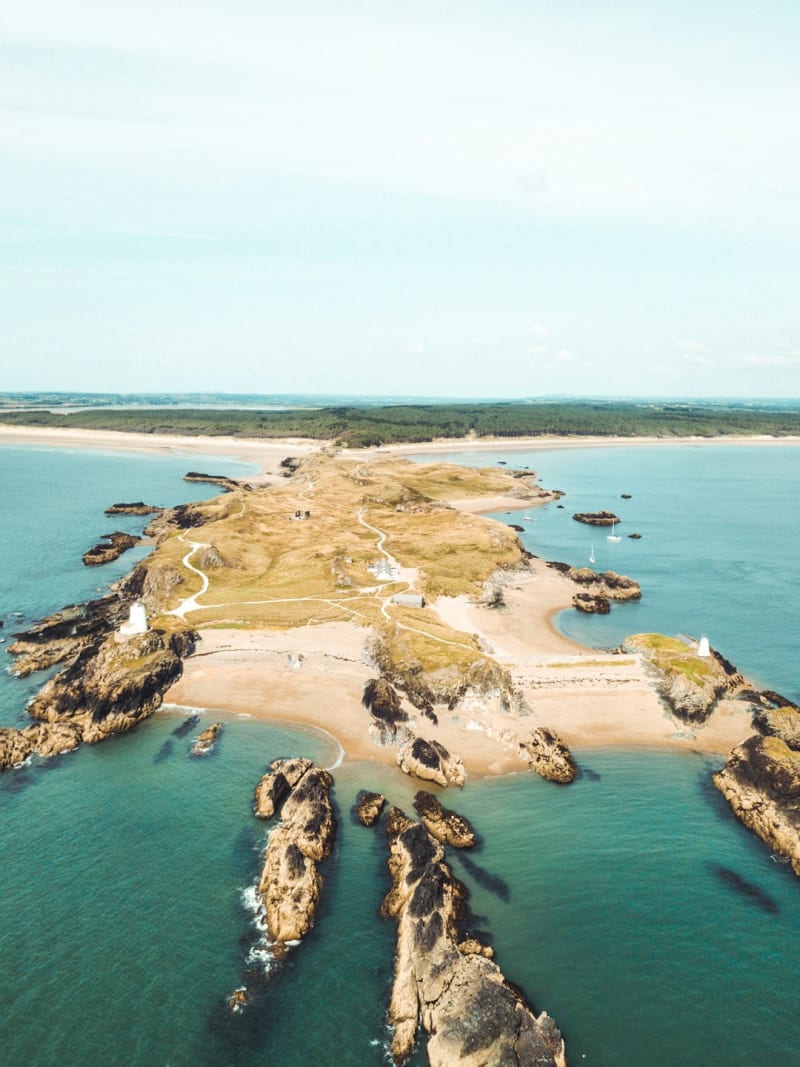 france
 L'Île-Rousse
The port town Pascal Paoli built as a Corsican rival to Genoese Calvi, named for the red porphyry islets just offshore that turn the whole bay pink at sunset.
Explore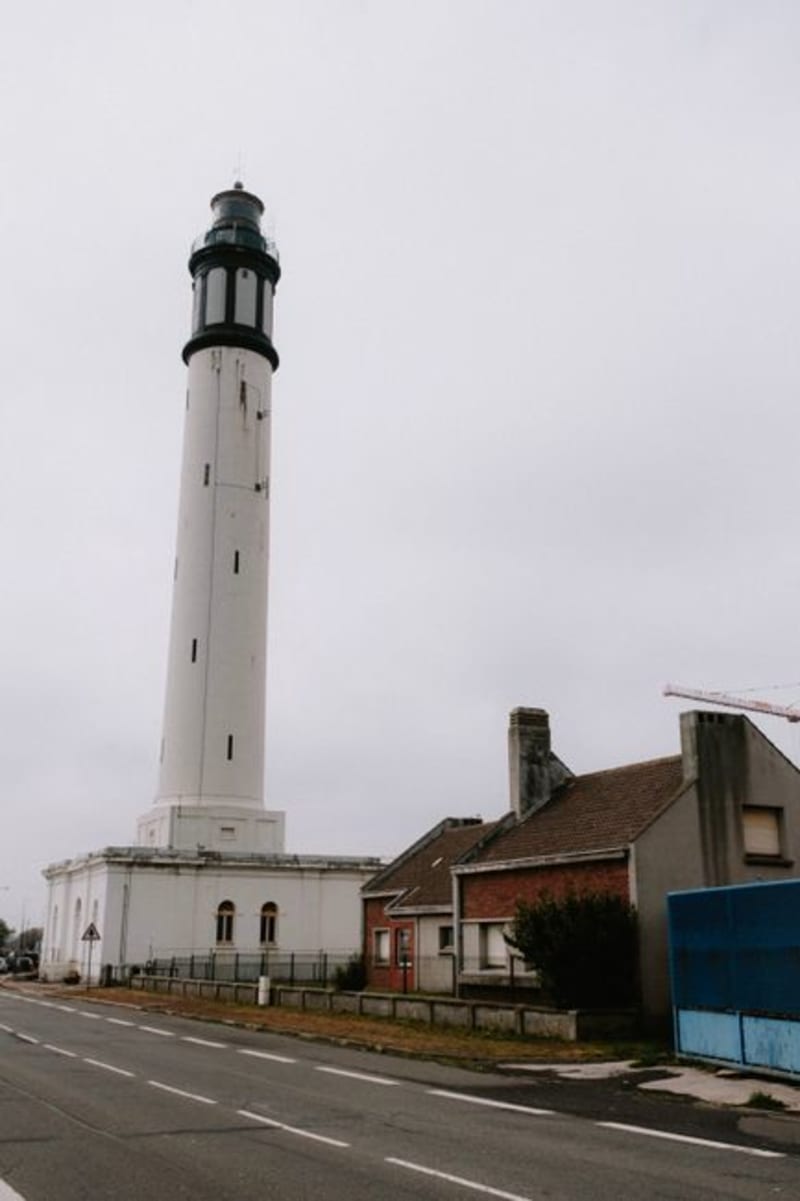 france
 Levie
The unglamorous little town that turns out to be the door into Corsica's actual prehistory, with a museum case containing a 6,000-year-old skeleton that rearranged how I think about the island.
Explore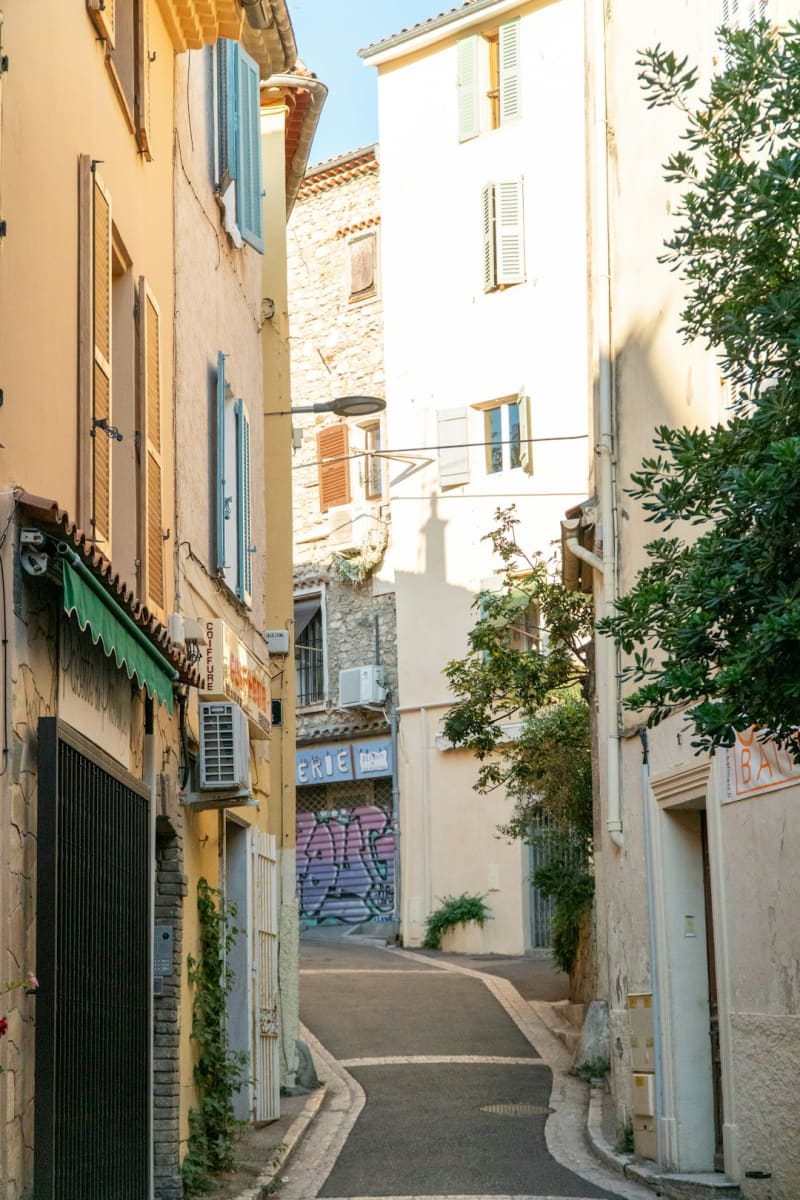 france
 Piana
A cliff-edge village overlooking red granite formations that go from rust to blood-orange to violet in the space of one sunset, and made me put my phone down without meaning to.
Explore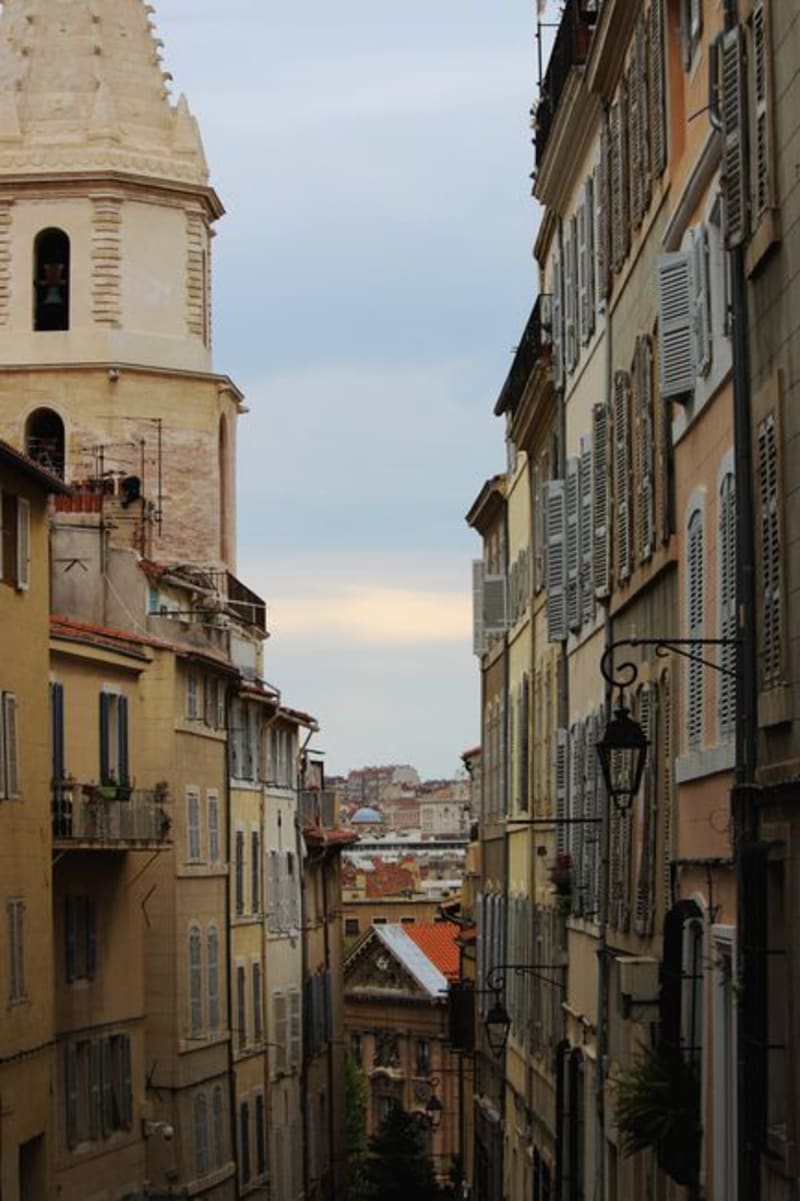 france
 Pigna
A tiny Balagne village that decided in the 1960s to save itself with instrument-makers and singers instead of hotels, and is still, improbably, humming with both.
Explore france
 Porticcio
A beach resort across the Gulf of Ajaccio where the main activity is lying on fine sand and staring at the city you could have stayed in instead, and somehow that's a completely satisfying way to spend a week.
Explore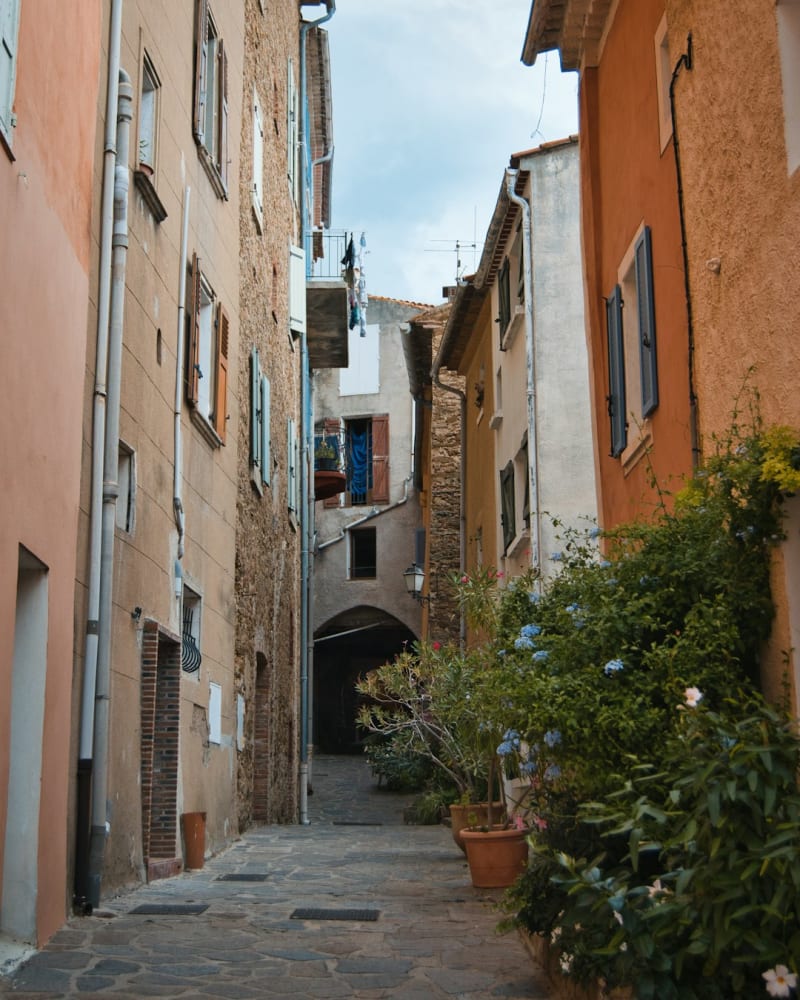 france
 Porto-Vecchio
A citadel town above a shimmering gulf that turns, after dark in August, into the loudest party on the island — and I mean that as a warning and a recommendation in the same breath.
Explore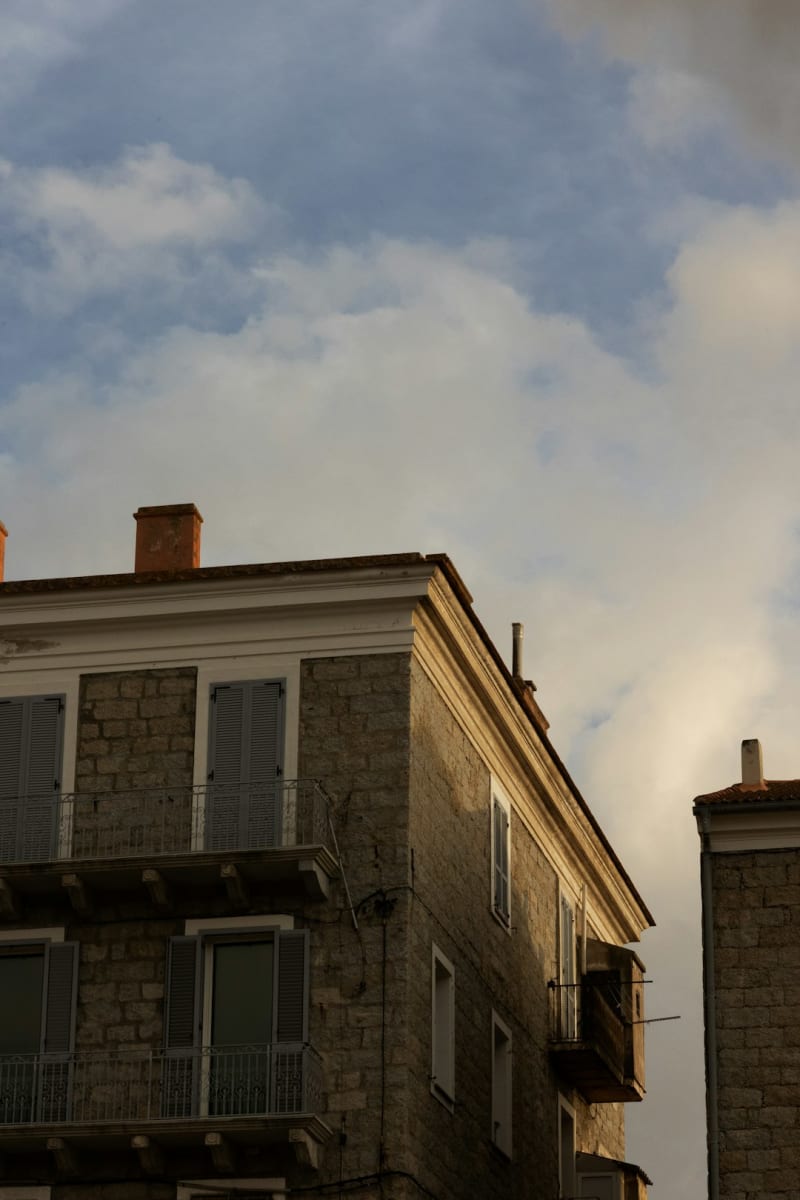 france
 Propriano
A working marina town on the Gulf of Valinco that nobody puts on a postcard, which is exactly why it made a perfect, unpretentious base for a week of doing very little.
Explore france
 Saint-Florent
The town Corsicans themselves call their Saint-Tropez, minus most of the pretension and plus a Genoese citadel that actually looks its age.
Explore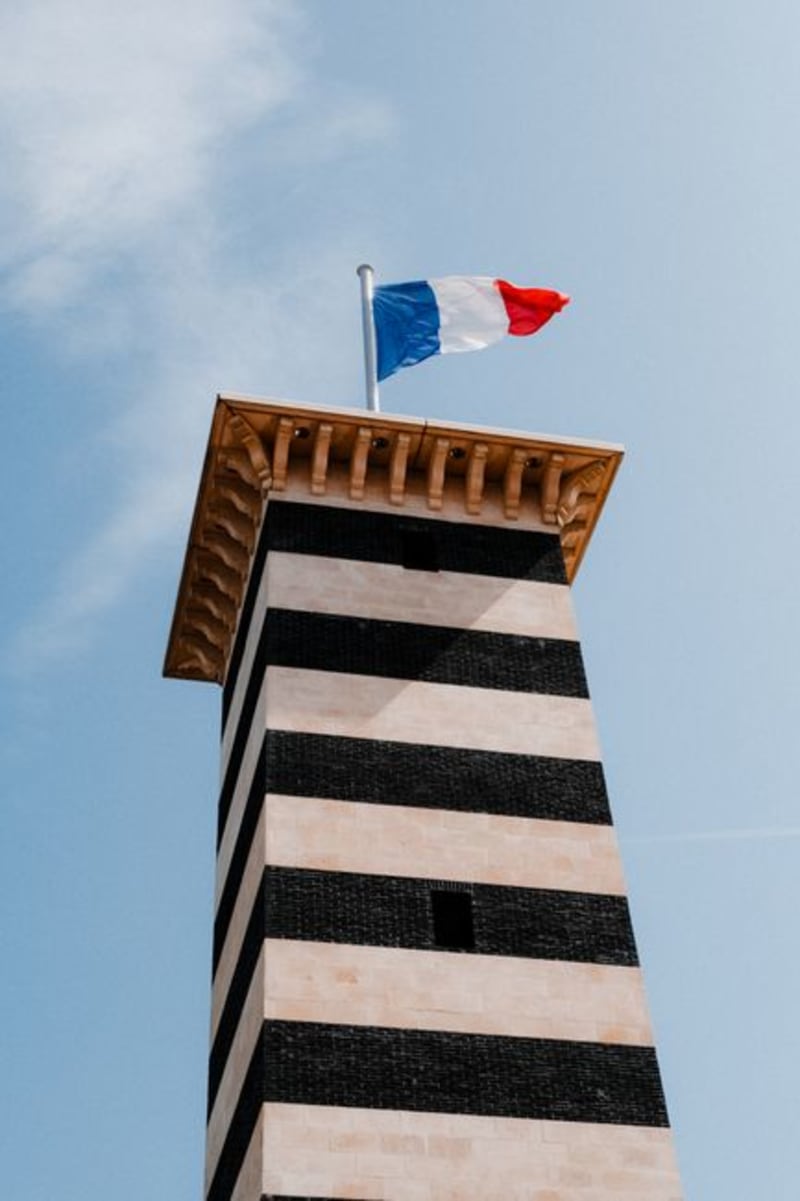 france
 Sartène
A dark granite hill town Mérimée called 'the most Corsican of Corsican towns,' and one that still marks its history in blood-feud legend and a five-century Good Friday procession.
Explore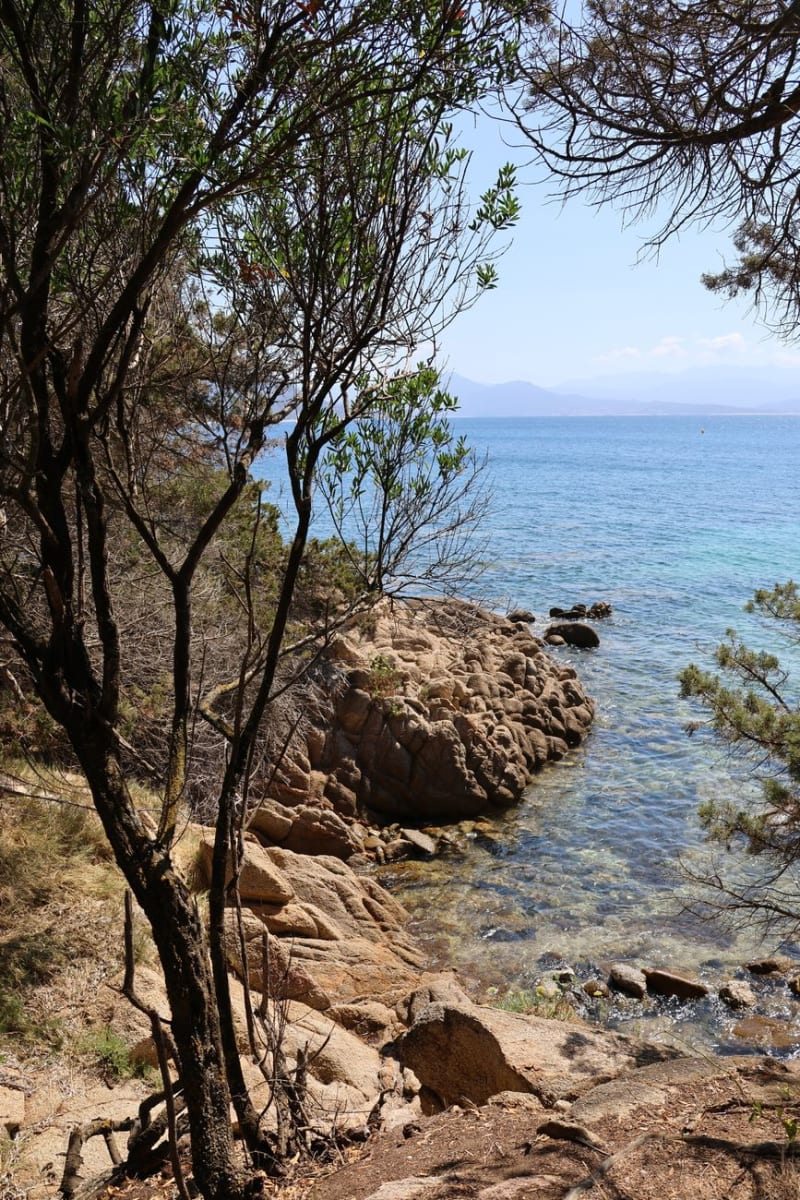 france
 Scandola Nature Reserve
A UNESCO marine reserve of blood-red porphyry cliffs that you cannot reach by road, only by boat from Porto or Galéria.
Explore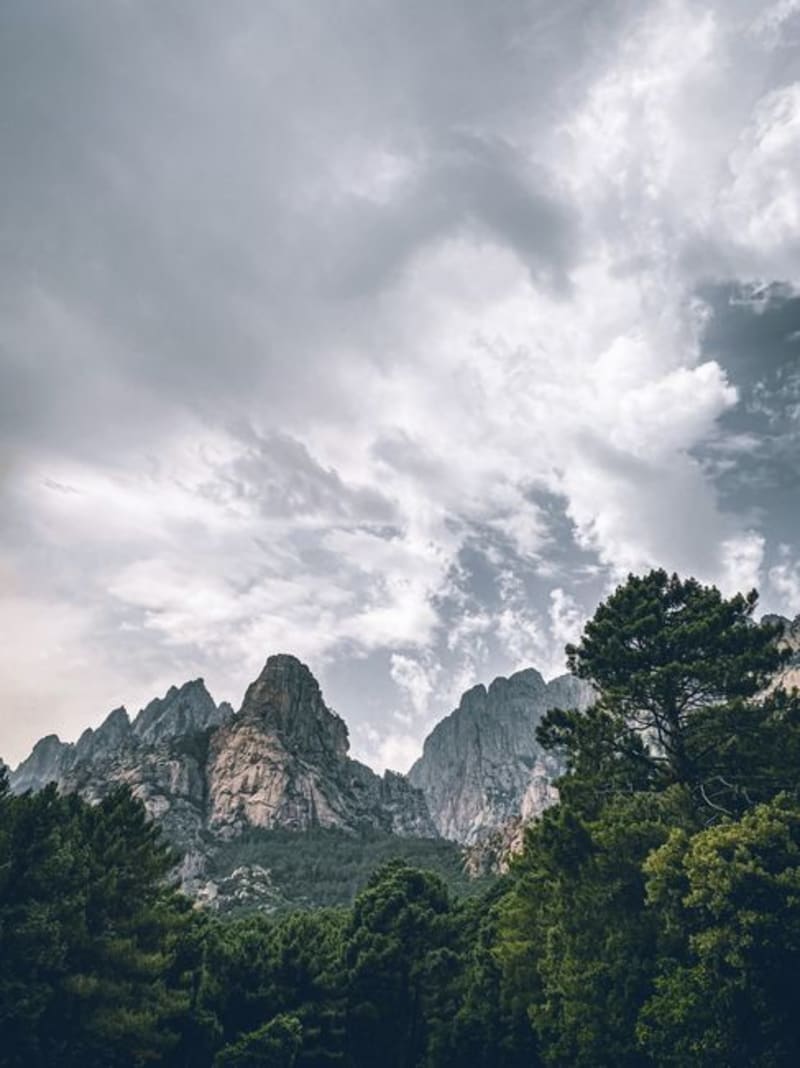 france
 Solenzara
A southeastern river town that's part fighter-jet base, part gateway to a gorge I nearly didn't survive swimming in, and part the most ordinary Corsican seafront lunch I've had.
Explore france
 Speloncato
A granite village stacked into a Balagne hillside with a natural rock arch above it and a cardinal's old mansion below, both of which I found more interesting than they had any right to be.
Explore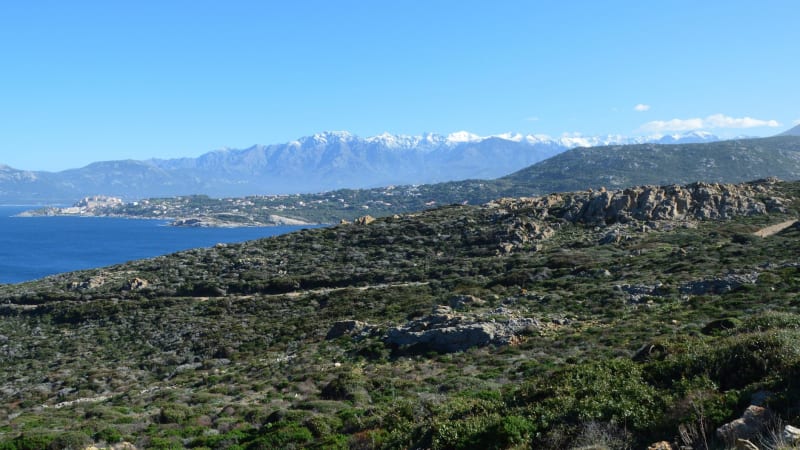 france
 Vizzavona
A forest hamlet on the GR20 where laricio pines and railway viaducts share the landscape, and the altitude changes everything.
Explore france
 Zonza
A mountain village in the Alta Rocca that exists mainly as the gateway to the Aiguilles de Bavella, and does that one job better than almost anywhere I've been in Corsica.
Explore