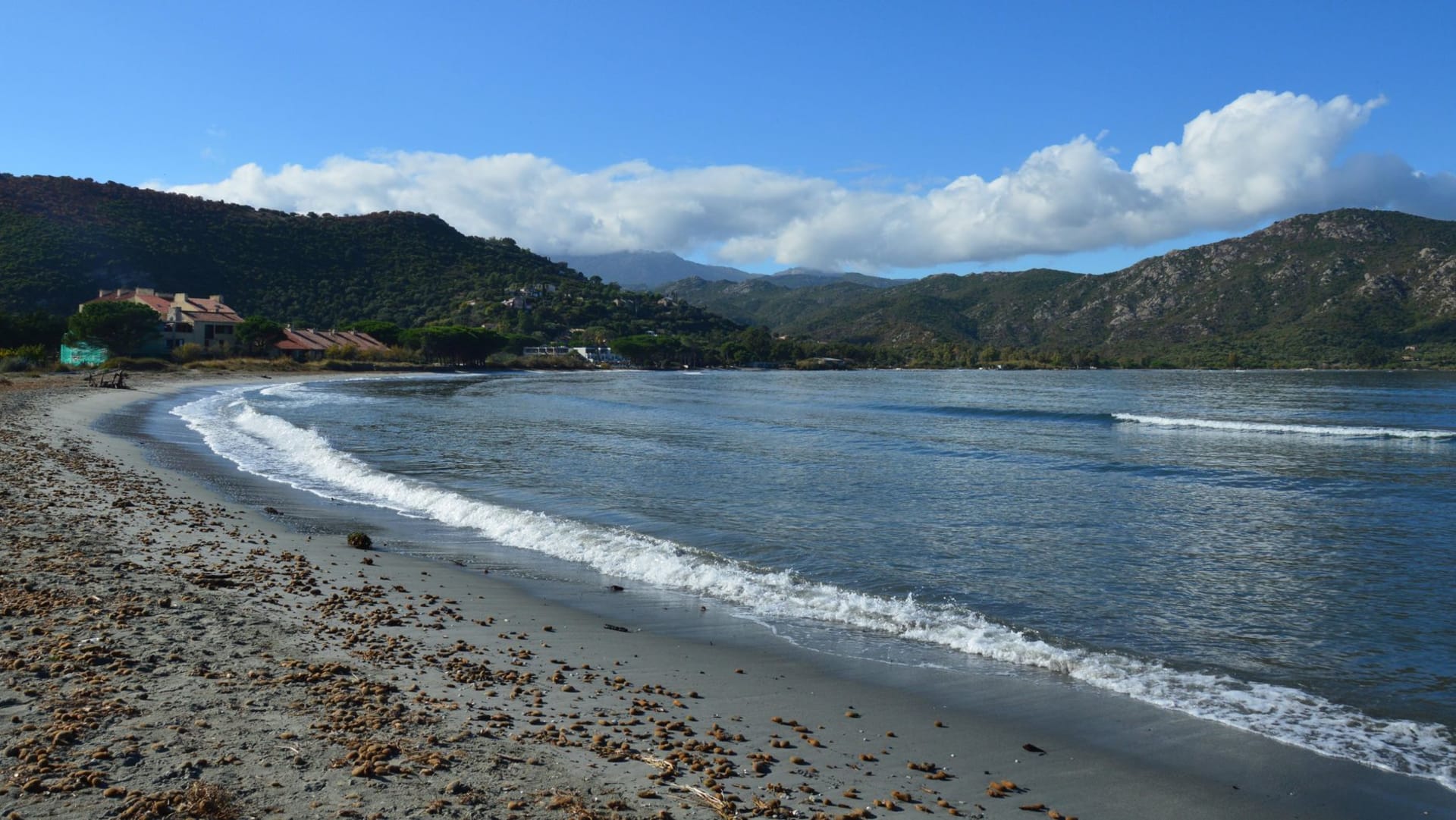
Saint-Florent
"Somebody told me this was Corsica's Saint-Tropez. It's better, and it knows it, and somehow doesn't gloat about it."
The town Corsicans themselves call their Saint-Tropez, minus most of the pretension and plus a Genoese citadel that actually looks its age.
I’d heard the comparison to Saint-Tropez before I even arrived — a friend in Nice mentioned it approvingly, a Corsican I met on the ferry mentioned it with an eye-roll — and I understand both reactions now that I’ve spent time here. Saint-Florent has the yachts, the good wine, the see-and-be-seen harbor terraces. What it doesn’t have, at least not yet in the same volume, is the traffic jam of egos that the actual Saint-Tropez generates every July. It’s the flattering version of the comparison, not the cautionary one.
A citadel that earned its view
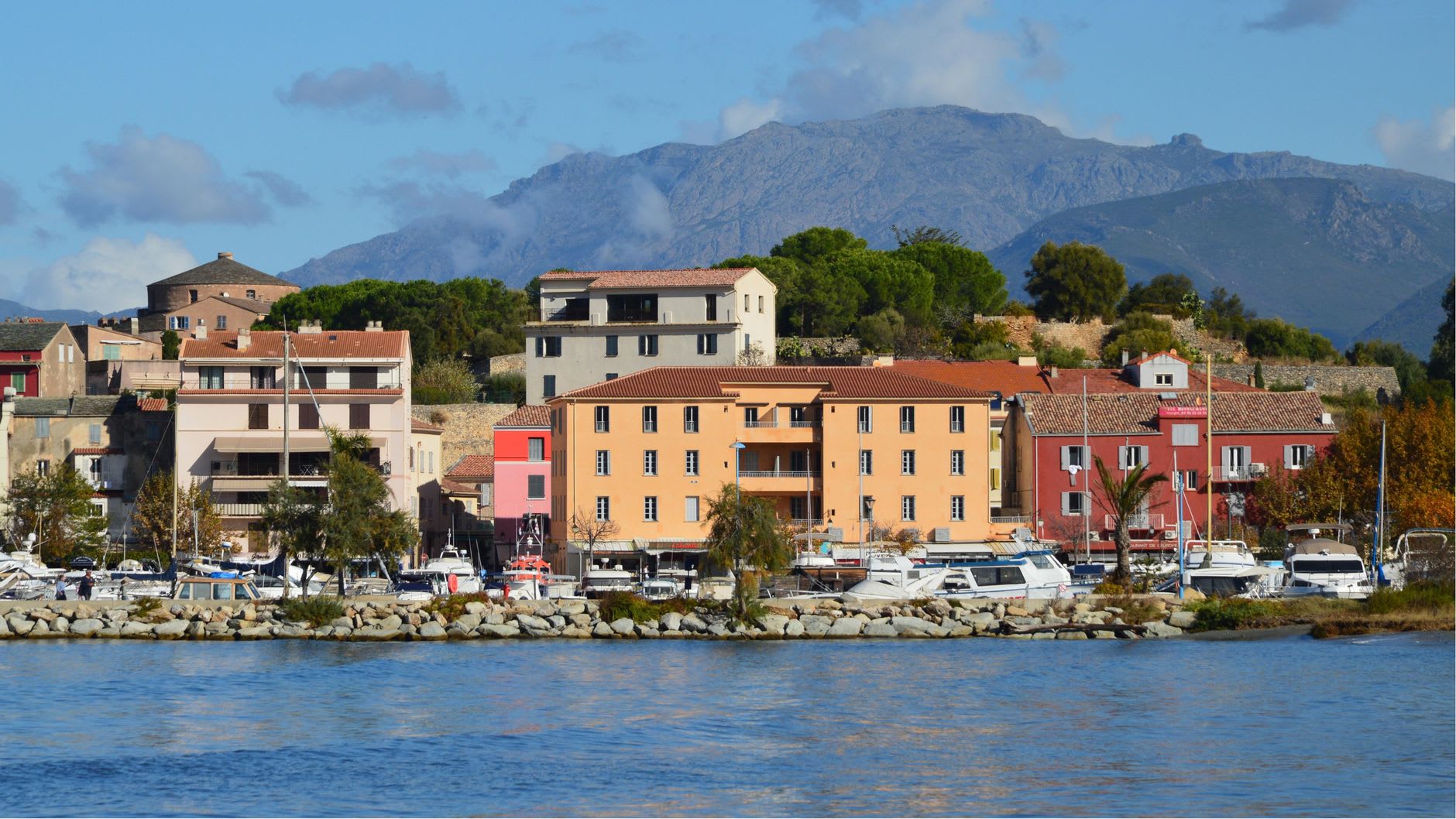
The Genoese citadel sits on a low promontory guarding the harbor mouth, round and squat, built in the fifteenth century when Genoa still ran this coast and needed to watch for raiders coming across from the Ligurian Sea. It’s not a grand fortress by European standards, but its position is nearly perfect — I climbed up in the early evening and got the whole gulf laid out below: the marina crowded with sailboats, the old town’s ochre rooftops, and behind everything the dark ridge of Cap Corse curling north like a spine. I lingered until the light dropped and the anchor lights on the yachts started blinking on one by one.
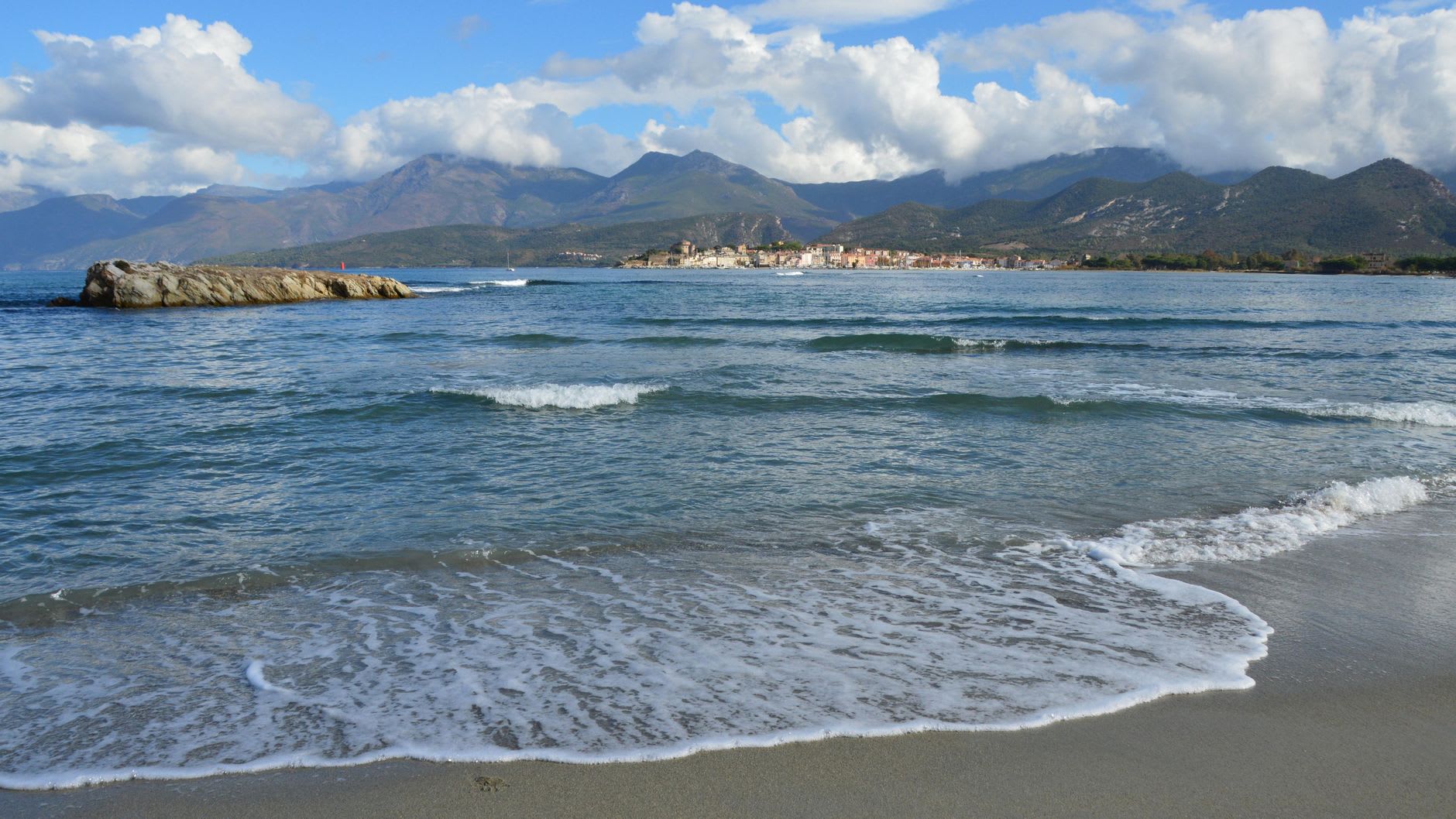
The old town behind the port is small and unbothered by its own reputation — narrow lanes, a handful of good wine bars, an evening promenade culture where people actually stop to talk instead of just posing. I fell into the same routine every night I was there: a walk along the quay, a glass of something local, and a slow drift back to wherever I was staying, in no particular hurry.
Patrimonio, and wine that doesn’t need to explain itself
A few kilometers south of town, just past the Col de Teghime, the Patrimonio appellation begins — Corsica’s most celebrated wine region, built on the Nielluccio grape, which produces reds with a structure that surprised me given how often Corsican wine gets dismissed abroad as a beach-holiday afterthought. I stopped at a small domaine on a Tuesday afternoon expecting a quick tasting and left two hours later after the owner poured six different vintages without once asking if I intended to buy anything — which, of course, I did, several bottles’ worth. The Muscat de Cap Corse from the same hillsides, made from grapes left to shrivel slightly in the sun, tastes like something between honey and orange peel and doesn’t get nearly enough attention outside the island.
The wild coast, fifteen minutes by boat
What actually separates Saint-Florent from any Riviera comparison is what’s a short crossing away: the Désert des Agriates, a stretch of uninhabited scrubland coast with no road access, reachable by a small ferry from the harbor. Plage de Lotu and Plage du Ghignu sit inside this emptiness, white sand and clear water with nothing built anywhere in sight — no beach clubs, no loungers for rent, nothing that Saint-Tropez’s actual beaches have long since surrendered to. I went in early September, and for most of the morning I had a several-hundred-meter stretch of it essentially to myself, which is the detail that finally settled the comparison in Saint-Florent’s favor for me.
When to go: May, June, and September for the best mix of warm sea, open roads, and a harbor that isn’t at full capacity. The Désert des Agriates boat crossings run most reliably from May through October; the Patrimonio harvest in September is a good excuse to visit the domaines, when many pour more generously and informally than usual.
Keep exploring
More of Corsica