
Sartène
"A local told me, without smiling, that half these houses used to have a second door for escaping through the back. I believed her."
A dark granite hill town Mérimée called 'the most Corsican of Corsican towns,' and one that still marks its history in blood-feud legend and a five-century Good Friday procession.
Prosper Mérimée passed through in 1839, a French inspector of historical monuments who also happened to write Colomba, a novella steeped in Corsican vendetta custom, and he called Sartène the most Corsican of Corsican towns. Nearly two centuries later nothing about the place argues him out of it. I’d read about the vendetta history before arriving — the blood feuds that shaped Corsican social codes for centuries, the family honor system that ran parallel to and often above French law well into the modern era — and I went looking for physical traces of it more out of curiosity than expectation. I found more than I thought I would.
A town built for defense against its own neighbors
The old quarter, Santa Anna, is a dense knot of dark granite buildings connected by covered passages and doors that, a woman running a small shop told me without any particular drama, used to serve as escape routes during periods when a family embroiled in a vendetta needed to move through town without being seen or shot. I can’t verify every detail of that story the way I’d want to for something I’d publish as fact, but the architecture itself makes the explanation plausible even without her confirming it — this is a town built with an instinct for concealment, tight lanes, blind corners, and windows positioned to watch rather than be watched from.
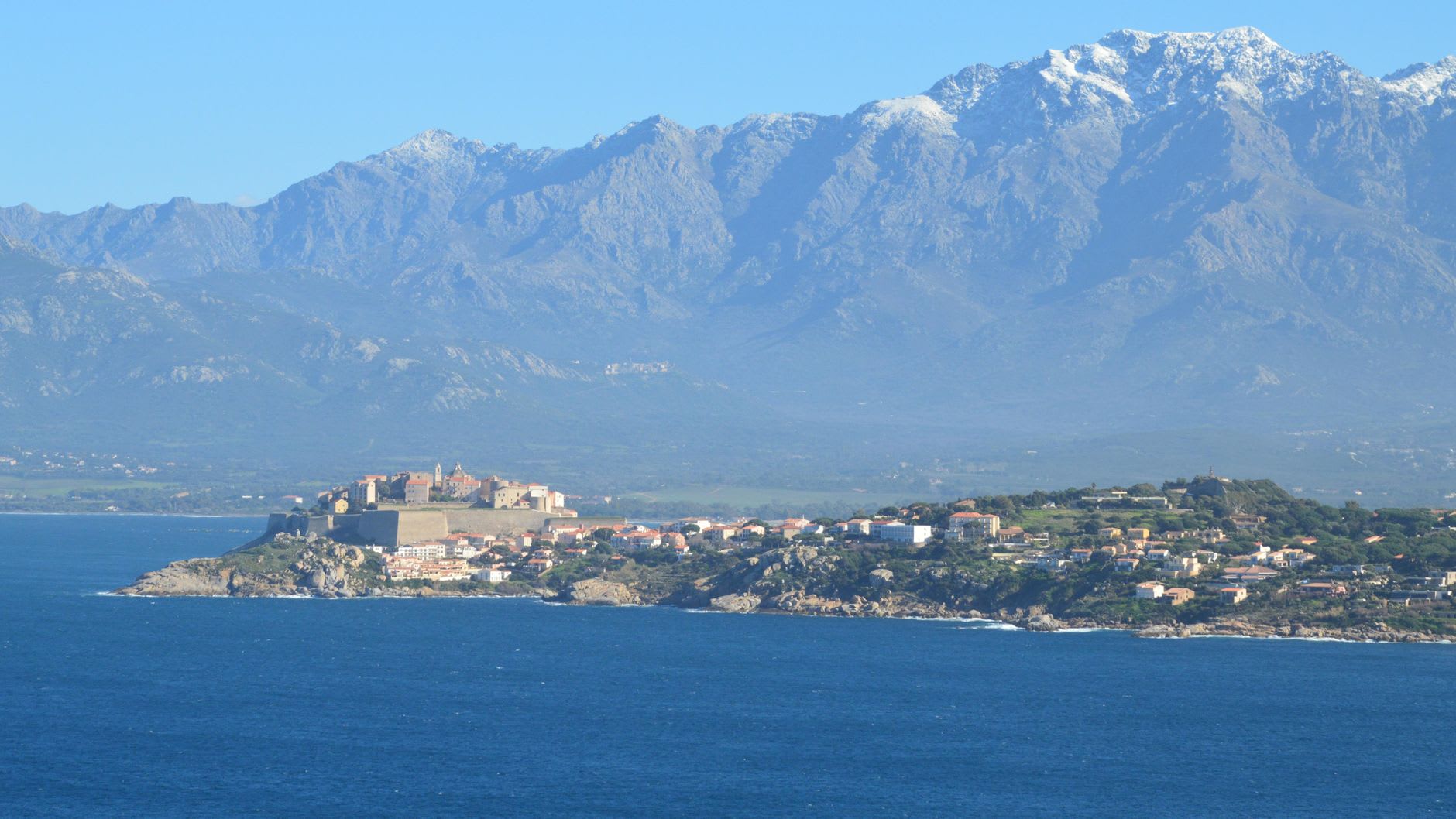
The Place de la Libération sits at the town’s center, a broad square in front of the church of Sainte-Marie where, once a year, the town’s most famous ritual plays out. The Catenacciu is a Good Friday procession that’s run for more than five hundred years: a penitent, chosen anonymously each year and known as the Grand Pénitent, walks the length of the old town barefoot, hooded in red, dragging a heavy wooden cross and an iron chain around one ankle, while the entire town turns out to watch. His identity is kept secret enough that even longtime residents argue over who they think it’s been in a given year. I wasn’t there for Easter, but I stood in the square and could see exactly how the procession would move through it — the lanes are practically staged for it.
Stones older than the feuds
What surprised me more than the vendetta lore was how far back the region’s history actually goes. The Alta Rocca plateau northeast of town is scattered with prehistoric dolmens and menhirs, some carved with faces so worn they’re barely legible, arranged by people whose language and customs are lost entirely. The alignment at Cauria, a short drive out, sits in an open field of cistus and broom with no fence and no signage — just standing stones under a sky that, on the afternoon I visited, was building toward a serious thunderstorm that made the whole plateau feel charged.
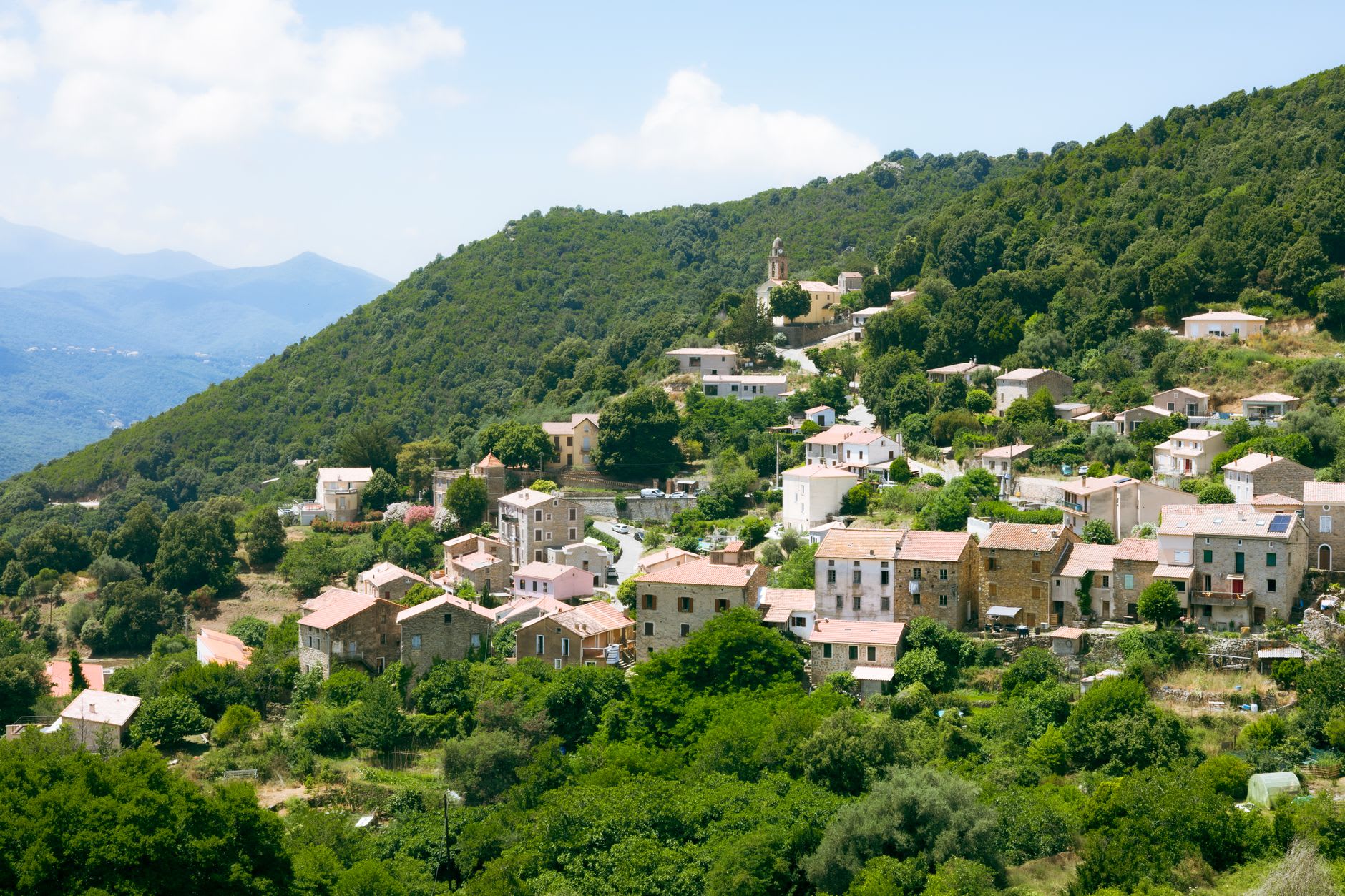
When to go: April through June and September through October, when the town is at its most pleasant and the maquis around it is either flowering or turning gold. If the Catenacciu procession itself is the draw, plan Easter week accommodation many months ahead — it draws visitors from across the island and rooms disappear early.
Keep exploring
More of Corsica