L'Île-Rousse
"Paoli built this town out of spite for Calvi, more or less, and I respect the commitment to the bit."
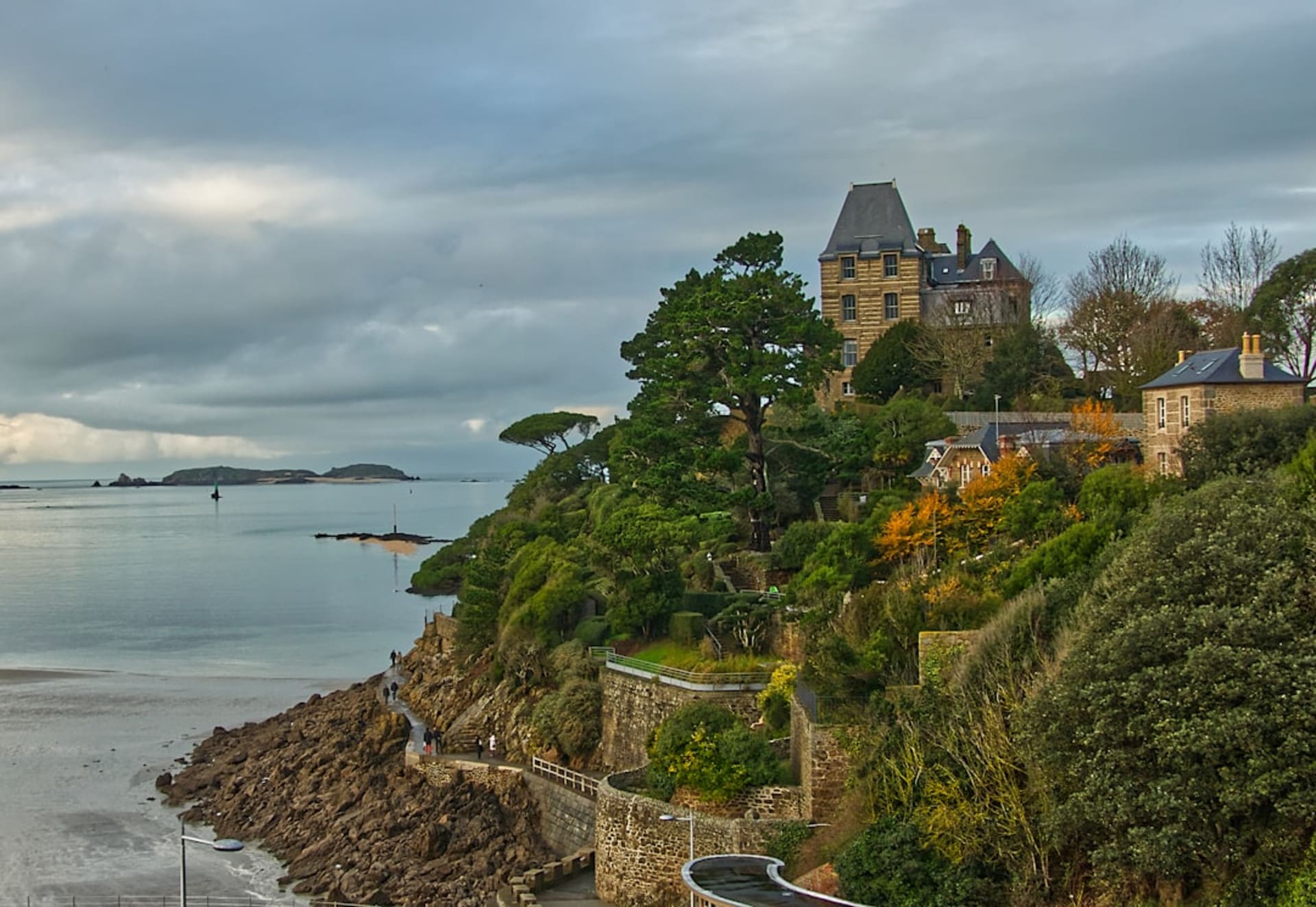
The port town Pascal Paoli built as a Corsican rival to Genoese Calvi, named for the red porphyry islets just offshore that turn the whole bay pink at sunset.
Most Corsican coastal towns trace back to Genoa or, later, to France. L’Île-Rousse is the exception, and I found that fact more interesting than almost anything else about the place. Pascal Paoli — the Corsican general and statesman who briefly ran an independent Corsican republic in the 1750s and 60s, a genuinely radical experiment in constitutional government that predates the American and French revolutions and doesn’t get nearly enough credit for it outside the island — founded the port in 1758 specifically to give his fledgling nation a harbor that didn’t depend on Genoese-controlled Calvi down the coast. It’s a town that exists, essentially, as an act of political defiance turned permanent infrastructure.
Red rocks and a general’s grudge
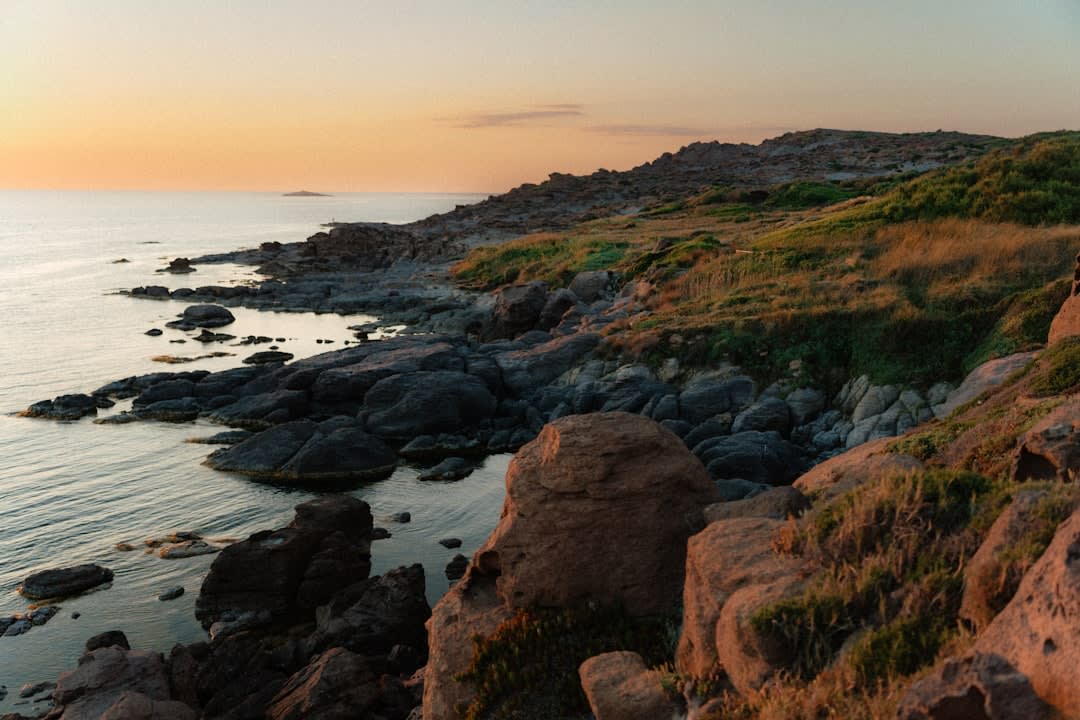
The town takes its name from the little archipelago of reddish porphyry islets just off the promontory, connected to the mainland by a short causeway and lit up at both ends of the day in a rust-pink color that genuinely looks unreal in photographs and turns out to be exactly that vivid in person. I walked out along the causeway at sunset on my first evening and watched the rock go from rust to nearly crimson as the light dropped, with a small lighthouse at the tip silhouetted against a sky doing its own competing show in orange and violet.
Paoli’s grid-planned town center, laid out with a rare geometric orderliness for Corsica, centers on the Place Paoli, a broad square shaded by plane trees and dominated by the covered market — an actual nineteenth-century structure with stone columns holding up a tiled roof, still functioning daily and selling exactly the produce and charcuterie you’d hope for. I went on a weekday morning and bought a wedge of brocciu and some dried figatellu from a stall run by a woman who’d clearly been doing this since before I was born, and ate both sitting on the market steps while the square filled up around me.
Beaches, and a train that still runs the old way
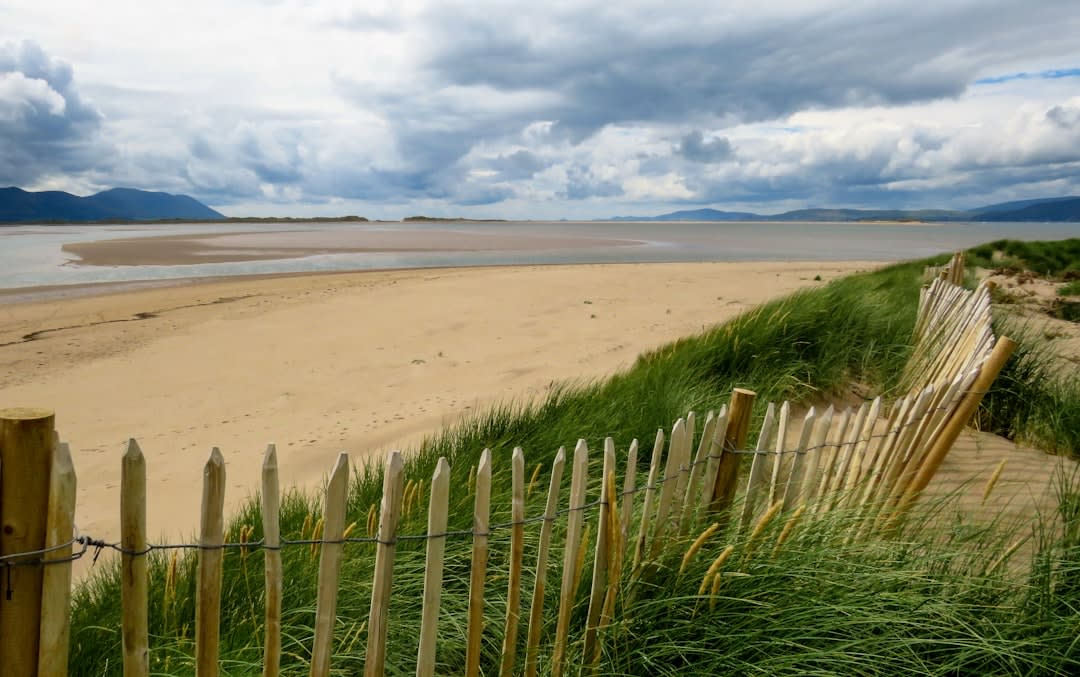
L’Île-Rousse’s beaches spread east and west of the port, wide and sandy in a way that’s less dramatic than the calanques further south but genuinely pleasant for actually swimming rather than just admiring from a clifftop. The town is also the western terminus of Corsica’s narrow-gauge coastal railway, U Trinighellu, a slow and slightly rattly train that runs along the Balagne coast toward Calvi, stopping at small beach halts along the way where you can get off, swim, and flag down the next one whenever you feel like moving again. I did exactly that on a lazy Tuesday and it remains one of my favorite low-effort travel days anywhere on the island.
When to go: June and September for warm water and manageable beach crowds, with the added bonus that the coastal train runs a fuller summer schedule from roughly May through October. The Place Paoli market is at its best on weekend mornings, but there’s a smaller version running most days of the week.
Keep exploring
More of Corsica