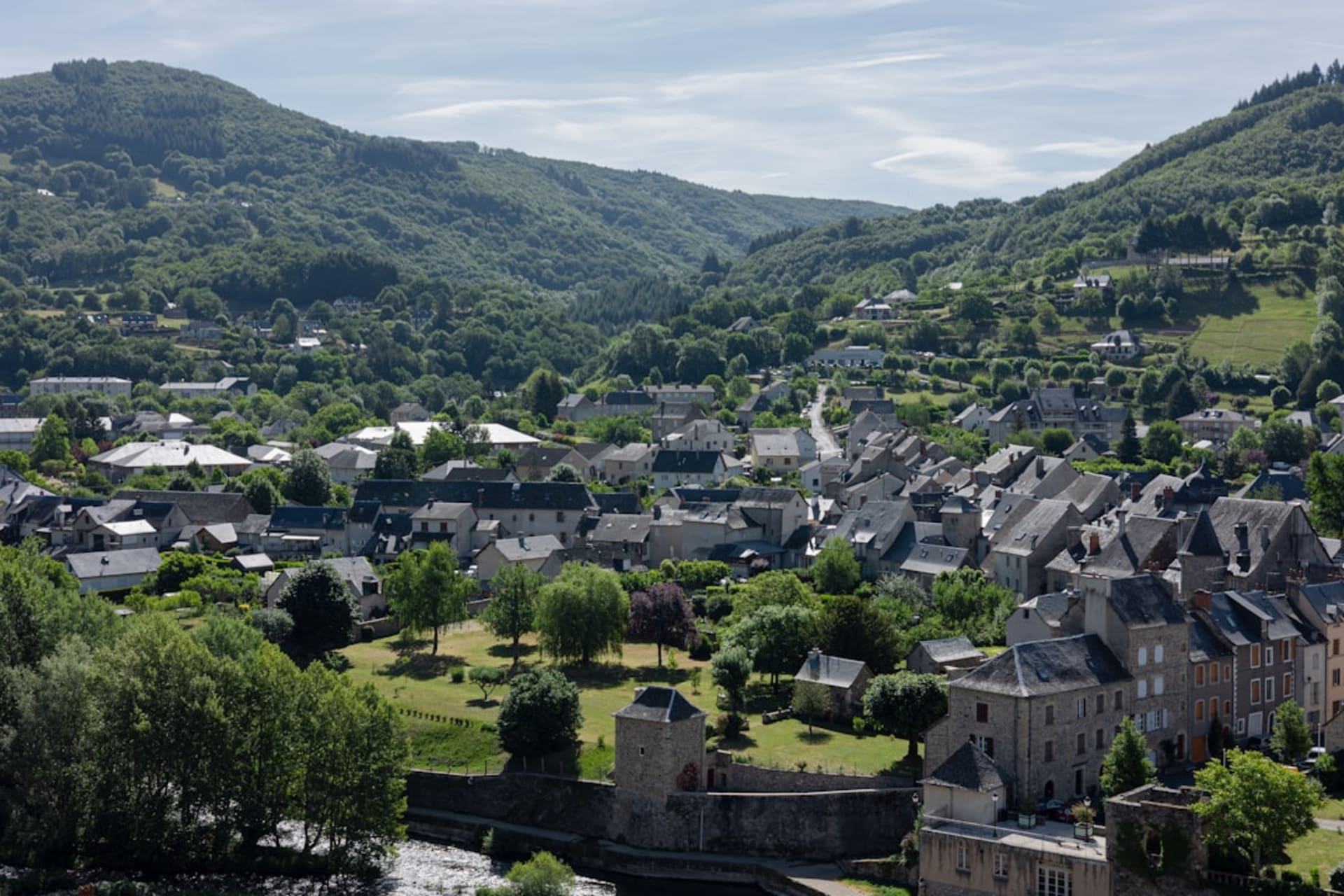
Cargèse
"I asked a woman in the bakery whether she felt Greek or Corsican. She said 'yes,' and went back to the bread."
A village founded by Greek refugees three centuries ago, where two churches face each other across a square like they're still politely disagreeing about something.
I knew before arriving that Cargèse had a Greek story, but I didn’t expect it to still be legible in the town’s actual layout, and that’s what got me. In 1676, a group of Maniot Greeks fleeing Ottoman pressure in the Peloponnese settled here under French protection, and the relationship with their Corsican neighbors was, for a long time, tense enough to require a fortified perimeter. What’s left of that history isn’t a museum plaque — it’s two churches, one Greek Catholic and one Latin Catholic, built facing each other across the same small square, close enough that you could hold a conversation between their front steps, and different enough in ritual that for two centuries the two communities apparently needed exactly that distance and no more.
Two churches, one square, a long negotiation
The Église Catholique Grecque holds services in Greek-Byzantine rite — icons on a carved iconostasis, chanting in a liturgical Greek that’s survived here longer in some ways than in parts of Greece itself, since the community’s isolation preserved older forms. Directly across the square, the Église Latine serves the Corsican Catholic tradition with its own separate rhythm. I happened to be there on a Sunday and heard both bells within twenty minutes of each other, overlapping just enough to sound like an argument that had mellowed into a duet. Lia, raised nominally Catholic and now mostly agnostic, found the whole arrangement quietly moving — two ways of praying to the same God, permanently in view of each other, four hundred years of not quite merging and not quite separating either.
I stopped at the village bakery for lunch and asked the woman behind the counter, half as small talk, whether the town still felt more Greek or more Corsican. She shrugged and said “les deux, non?” — both, no? — and went back to wrapping a fougasse, as if the question answered itself and had for generations. Surnames around town still carry the Maniot Greek imprint — you’ll spot them on shopfronts and gravestones alike — long after the spoken Greek mostly faded from daily use.
The light that made painters follow the coast road here
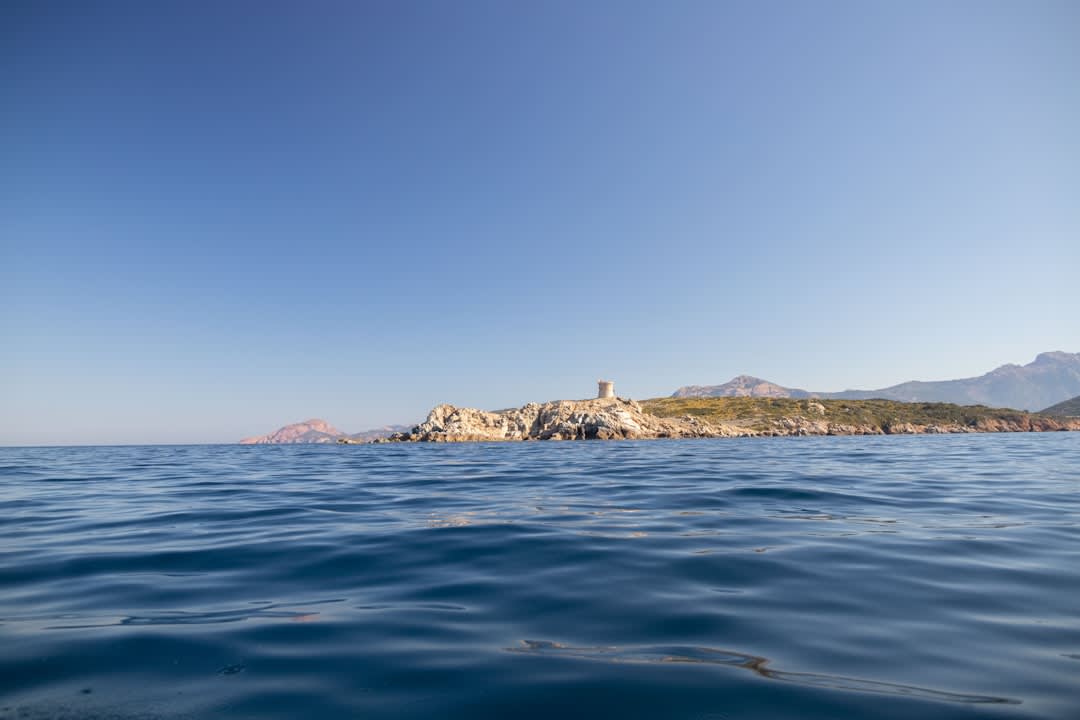
What I hadn’t expected was how good the actual setting is, independent of the history. Cargèse sits on a headland on Corsica’s west coast, above a series of small coves with clear water and a light in the late afternoon that goes almost amber against the maquis-covered hills. The road south toward Piana, hugging cliffs above the Golfe de Sagone, is one of the most spectacular short drives on the island, and Cargèse makes an ideal, quieter base for it than the more crowded towns further along.
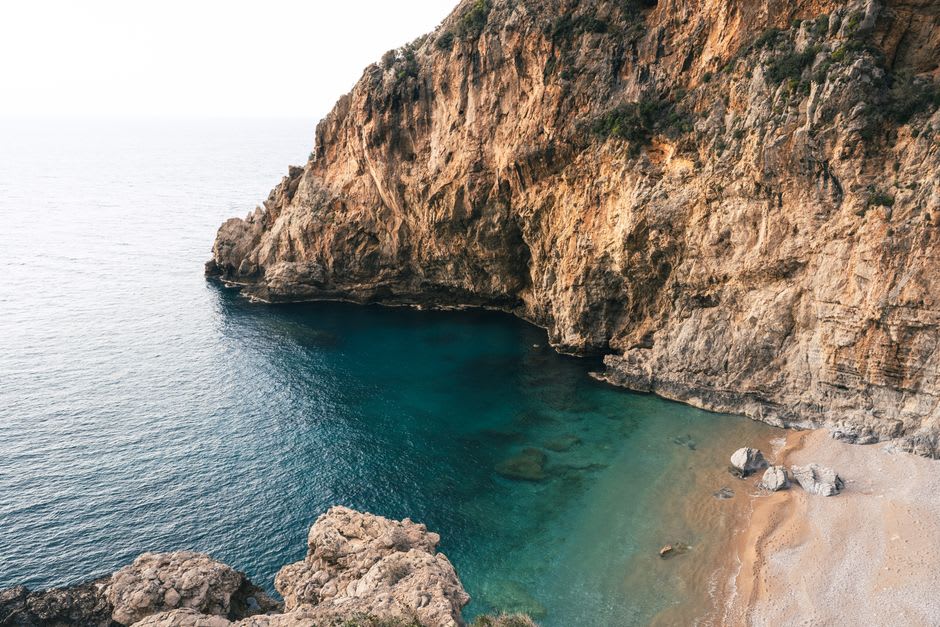
We spent an evening at the small port below town, Plage du Pero a short walk beyond it, watching the sun drop into the gulf while a handful of local families set up for an evening swim, unhurried in the way that told me this wasn’t a performance for anyone visiting.
When to go: May through June and September offer the best light and warm-enough water without August’s crowding along the coast road. If you can time a visit around Easter or a Greek liturgical feast day, the dual-church tradition is at its most visible and worth the detour alone.
Keep exploring
More of Corsica