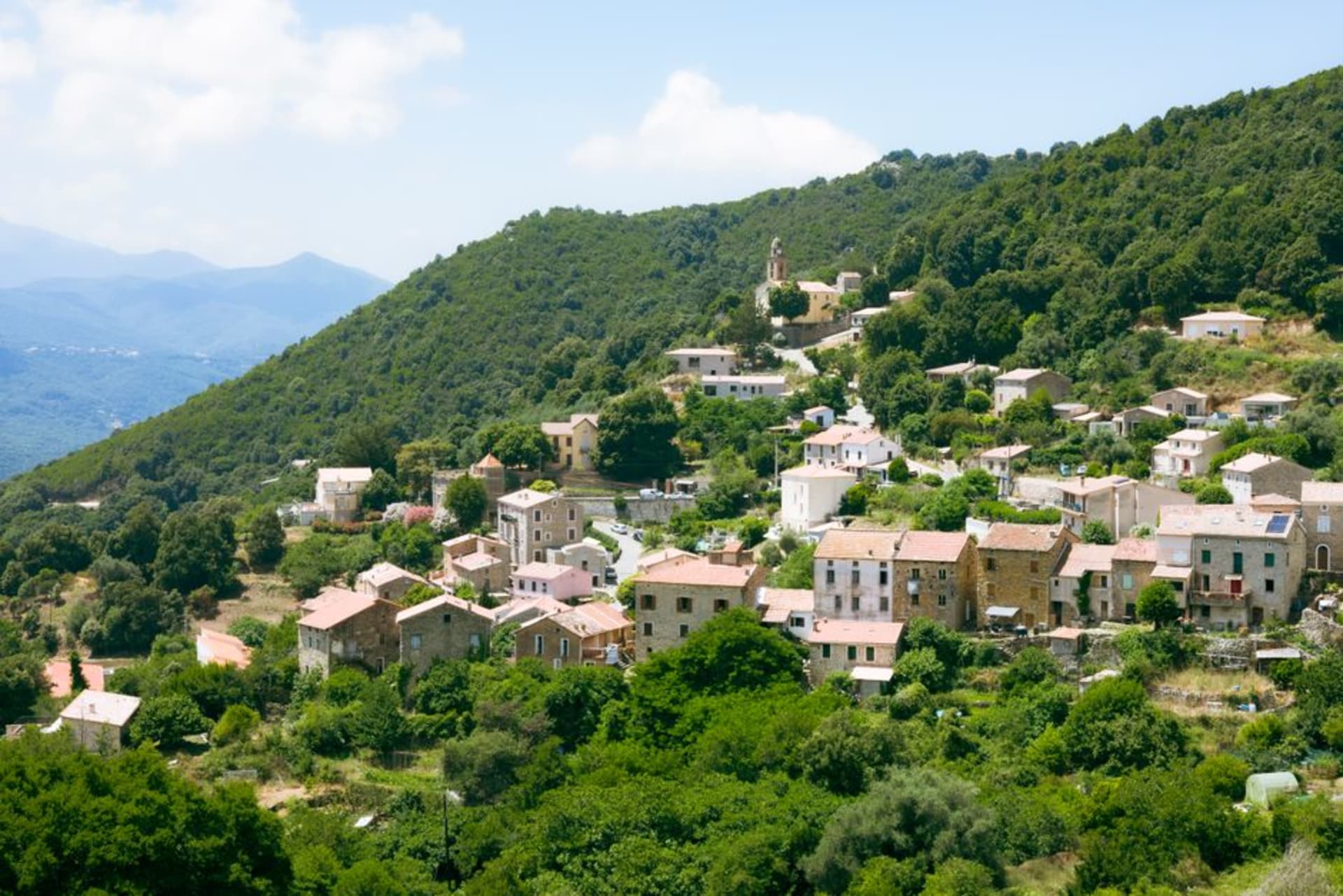
Pigna
"Every other Balagne village restored its stone. Pigna restored its stone and then filled it with people who could still sing in three voices at once."
A tiny Balagne village that decided in the 1960s to save itself with instrument-makers and singers instead of hotels, and is still, improbably, humming with both.
I’d been told Pigna was “the cute one” by three separate people before I went, which is exactly the kind of recommendation that makes me suspicious, and then I got there and understood why nobody could say it better than that. It’s a village of maybe two hundred people on a Balagne hilltop, all ochre stone and terracotta and geraniums in windowboxes, and it looks, frankly, staged. Then you notice the sound coming out of half the doorways is someone actually building a violin, or a cetera, or tuning a set of pipes, and the staging turns out to be the opposite of fake.
A village rebuilt by artisans on purpose
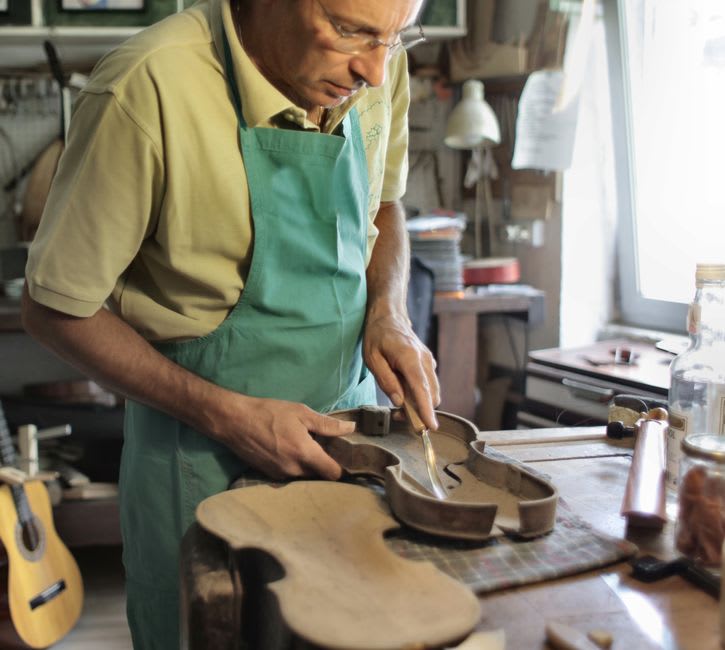
Pigna was nearly abandoned by the mid-twentieth century, like a lot of Balagne villages once young people left for the mainland or the coast, and what saved it wasn’t a hotel chain — it was a deliberate movement in the 1960s and 70s to repopulate the place with craftspeople: luthiers, potters, painters, instrument-makers, all offered cheap workshops in exchange for actually living and working there. Walking the main lane now, I passed a workshop where a man was gluing the ribs of a cetera, the pear-shaped Corsican cittern, and another where someone was carving wind instruments from olive wood, doors open, nobody performing for tourists, just working with the door open because it was a nice day.
Polyphony you can actually hear
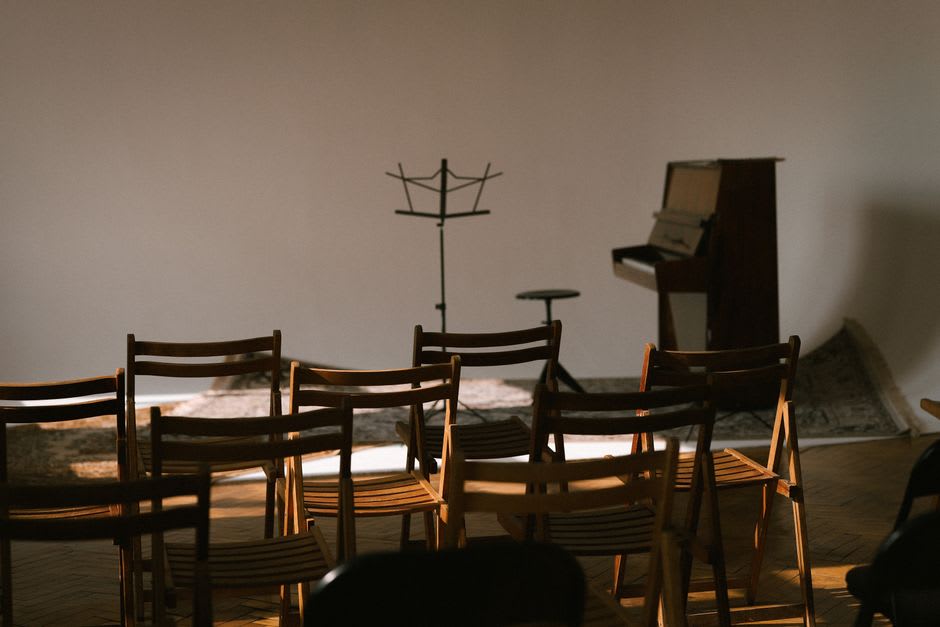
The other thing Pigna gave Corsica, alongside instruments, was voices. This is one of the villages most associated with the revival of paghjella, the male polyphonic singing tradition that UNESCO recognized as intangible heritage — three voices layered in a way that sounds like it shouldn’t work and then absolutely does, a lead voice, a bass, and a third that seems to hover somewhere above both. There’s a cultural center, A Casa Musicale, that grew out of this revival and still hosts concerts most summer evenings in a converted chapel, close enough quarters that the sound comes at you rather than toward you. I’ve heard recordings of paghjella for years; hearing it live, four meters from the singers, in a stone room built for something else entirely, rearranged how I understood the songs.
Lia, who plays guitar badly and enthusiastically, spent twenty minutes talking a instrument-maker’s ear off about string tension on the cetera while I sat in the small square outside eating a fig tart from the one bakery, watching swallows do laps around the bell tower. Pigna doesn’t take long to see. It takes longer to actually listen to, and that’s the point.
When to go: Summer evenings for the polyphonic concerts at A Casa Musicale, though check the schedule since it isn’t nightly outside peak season. Spring and early autumn afternoons are quieter for wandering the workshops, when artisans have more time to talk. Avoid midday in August, when the village fills with coach groups passing through Balagne.
Keep exploring
More of Corsica