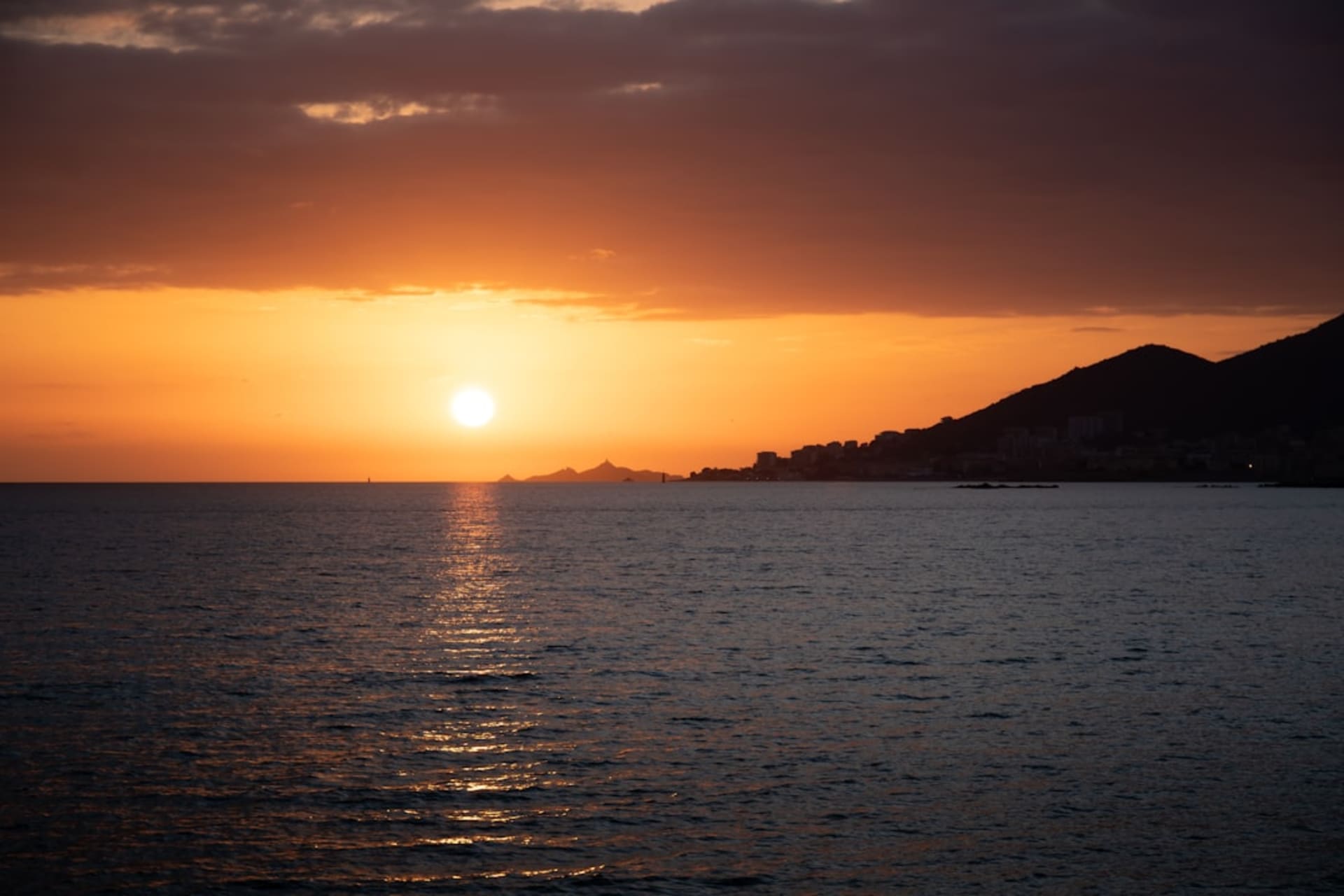
Ajaccio
"In Ajaccio, Napoleon isn't history. He's a business, a mood, and apparently an excellent excuse for a two-hour lunch."
Napoleon's birthplace and Corsica's capital, a harbor town that argues with itself constantly about whether it's more French or more Corsican, and never resolves it.
I have lived in France long enough to have opinions about Napoleon that most French people find either boring or heretical — mainly that we oversimplify him in both directions, hero and monster, and rarely sit with the actual mess of the man. Ajaccio doesn’t oversimplify him. Ajaccio has built an entire civic identity around him with a straight face and zero irony, and after three days there I stopped finding it funny and started finding it kind of moving. This is a town that produced the most consequential Frenchman in modern history and has never once let anyone forget it.
The house on Rue Saint-Charles
The Maison Bonaparte sits on a narrow street in the old town, unassuming from outside, and it’s where Napoleon was born in 1769 to a family of minor Corsican nobility that was, by most accounts, perpetually short on money and never short on ambition. I went in expecting a shrine and found something quieter and stranger — worn furniture, a cellar where the family reportedly hid during a Corsican uprising, portraits of siblings who would go on to become kings and queens of half of Europe through Napoleon’s improvised nepotism. Lia, who has a healthy skepticism toward Great Man history, kept muttering “from this room” under her breath at every plaque. I understood the impulse. It is a small room to have produced that much consequence.
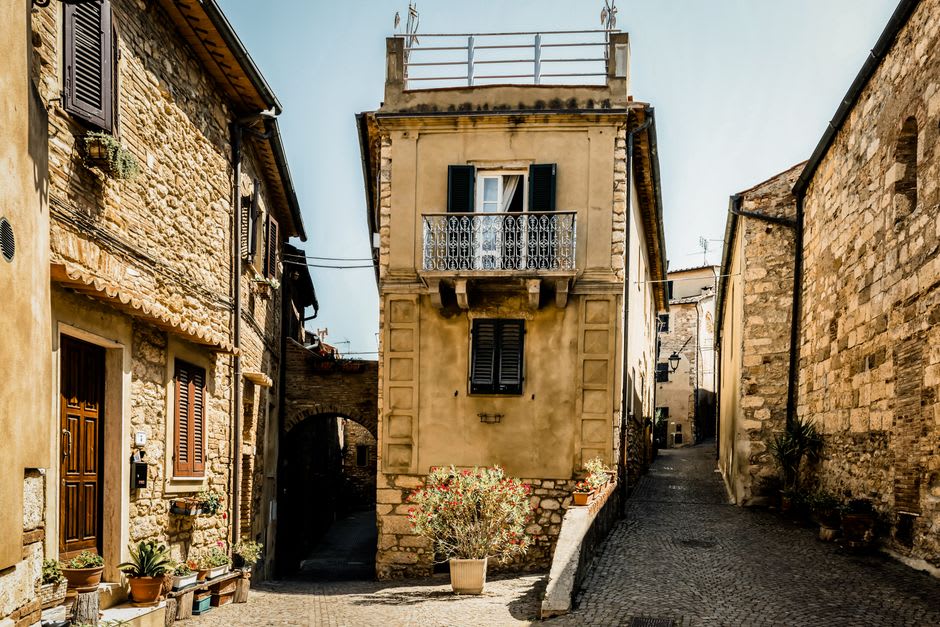
Outside, the town leans into the theme without embarrassment. There’s a Napoleon statue on horseback in Place Général de Gaulle so oversized it looks slightly aggrieved to share a square with de Gaulle’s name, another Napoleon dressed as a Roman emperor near the Hôtel de Ville, and a museum, and a boulevard, and gift shops selling bee-emblazoned everything — the bee being his adopted imperial symbol. It should feel absurd. Mostly it feels like a town that knows exactly what it is and isn’t going to perform false modesty about it.
The market that isn’t about Napoleon at all
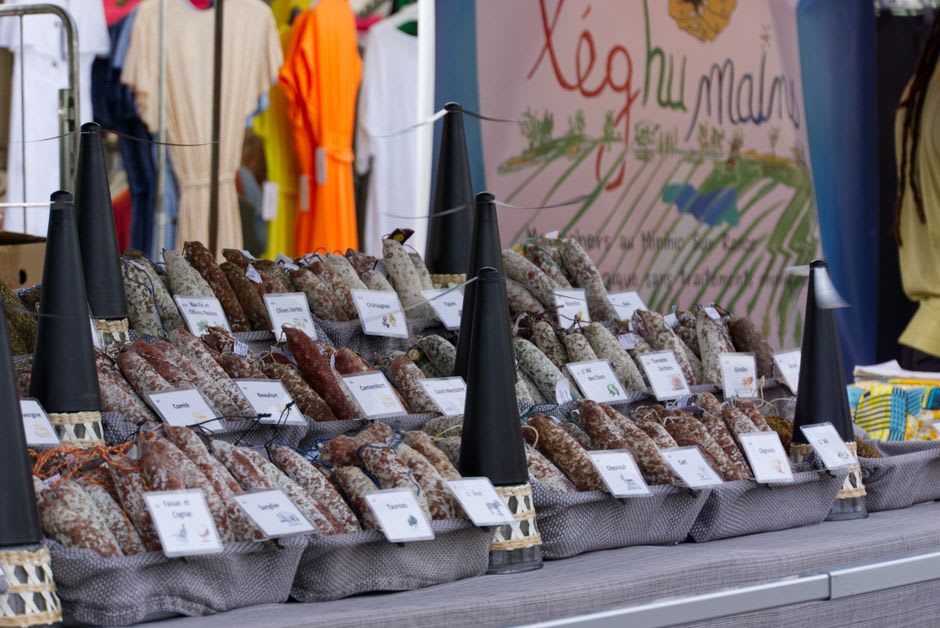
The real Ajaccio, the one I’d come back for, is the morning market at Place Foch, spilling under the plane trees toward the sea. This is where I understood the town’s other identity — not imperial capital but Corsican port, full of charcuterie stalls selling coppa and lonzu cured in mountain air, wheels of brocciu, jars of chestnut honey, and fishermen’s crates of red mullet still glistening from the gulf that morning. I bought too much cheese, as I always do, and ate a sandwich of figatellu on a bench facing the citadel walls, watching ferries idle in the harbor and old men argue about pétanque with the seriousness other people reserve for elections.
The citadel itself, a squat Genoese fortress guarding the harbor mouth, is mostly closed to the public — still a military installation in parts — but the walk along the ramparts nearby at sunset, with the gulf turning copper and the mountains behind it fading to silhouette, is one of the best free views on the island. I stood there on my last evening and thought that Ajaccio, for all its imperial cosplay, is really just a Corsican harbor town that happened to produce an emperor, and has been quietly proud and slightly embarrassed about it in equal measure ever since.
When to go: May, June, and September give you warm sea and manageable crowds; the market is worth an early start any day of the week but best on weekends. July and August bring French mainland holidaymakers en masse and the harbor traffic to match. October still has good light and empty beaches nearby if you don’t mind cooler water.
Keep exploring
More of Corsica