Burgundy
"A landscape that has been making wine for two thousand years and shows no signs of stopping."
The wine region that sets the global standard — and the villages, canals, and cuisine that make it worth visiting even if you don't drink.
Burgundy is the centre of the wine world, and it knows it. The Côte d’Or — a narrow strip of limestone hillside running from Dijon to Santenay — produces Pinot Noir and Chardonnay of a precision and expressiveness that no other region on earth has consistently matched. The villages read like a wine list at a three-star restaurant: Gevrey-Chambertin, Vosne-Romanée, Nuits-Saint-Georges, Meursault, Puligny-Montrachet. Walking through the vineyards here, with their hand-painted signs marking individual plots, is walking through a landscape where every square meter has been studied, debated, and cultivated for centuries.
But Burgundy is not only wine. Beaune is a small city with a medieval hospital (the Hospices de Beaune, with its polychrome tiled roof) that doubles as a wine auction house. The Saturday market fills the central square with enough cheese, charcuterie, and mustard to stock a small country.
Vézelay, on the northern edge of the region, is a hilltop village with a Romanesque basilica that was the starting point for one of the four French routes of the Camino de Santiago. The view from the terrace at sunset — rolling green hills fading into the Morvan forest — is one of the finest in France.
The Canal de Bourgogne offers a different pace entirely: rent a barge or cycle the towpath through a landscape of locks, villages, and poplars that looks unchanged since the 19th century.
The food is Burgundy’s other gift. Boeuf bourguignon originated here. Escargots de Bourgogne. Gougères — cheese puffs served warm with a glass of Chablis. Époisses, the washed-rind cheese so pungent it is banned on public transport and so delicious it justifies the ban.
When to go: September for the grape harvest. May for wildflowers in the vineyards and cool mornings on the canal.
Explore
Places in Burgundy
 france
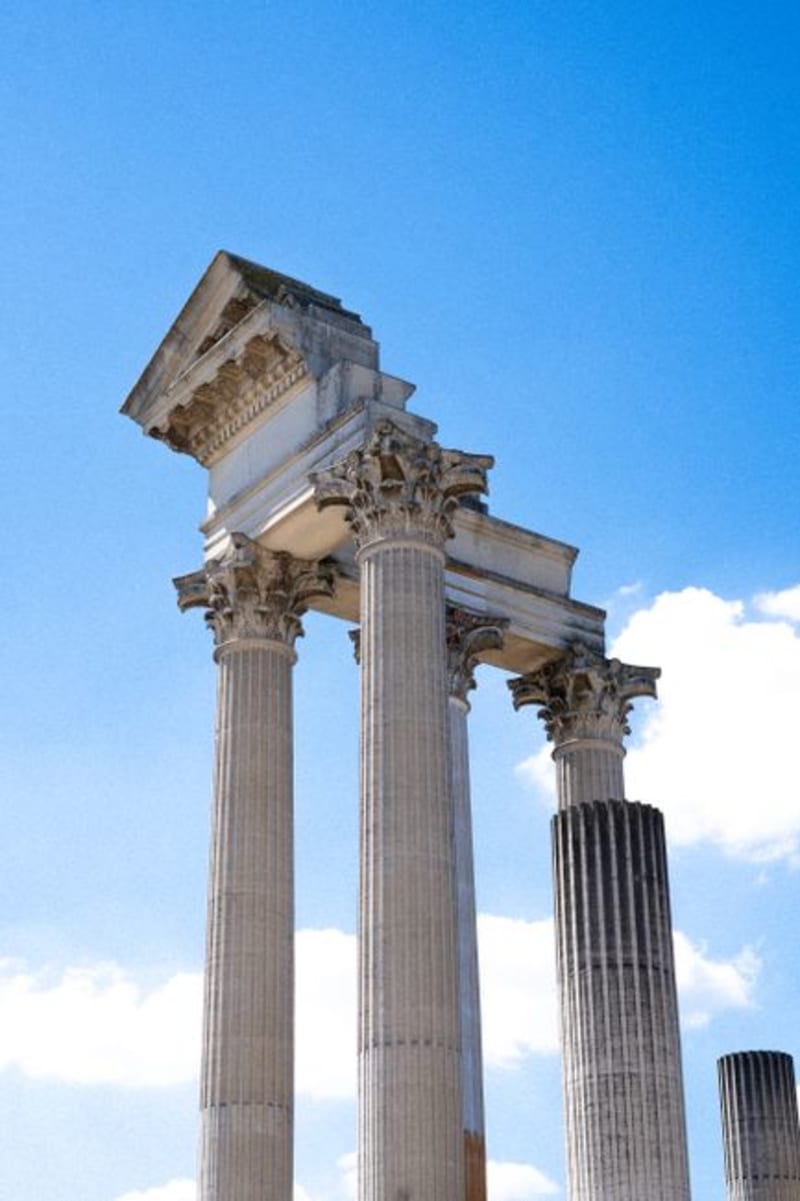
 Autun
A former Roman capital in southern Burgundy with a Roman theatre bigger than the one in Arles and a cathedral carved with one of the strangest, most vivid Last Judgments I've ever stood under.
Explore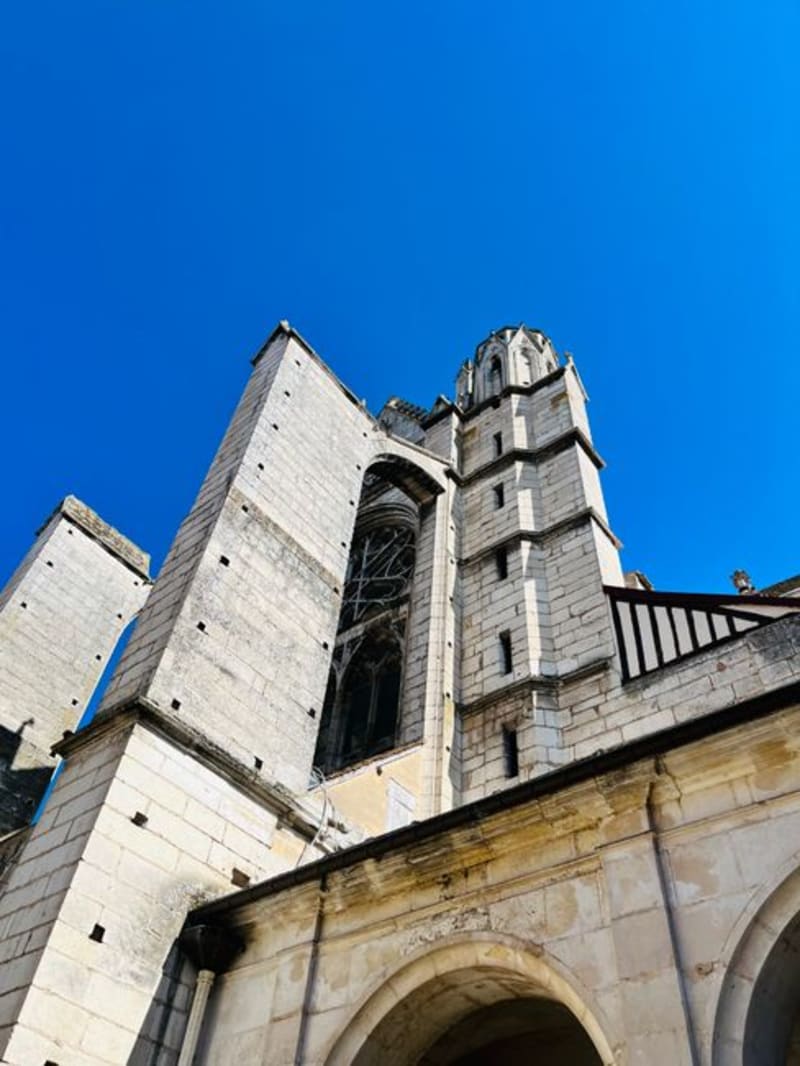 france
 Auxerre
A riverside town on the Yonne where a Gothic cathedral and a Romanesque abbey crypt sit almost on top of each other, and where the view from the water turned out to be the best one in Burgundy.
Explore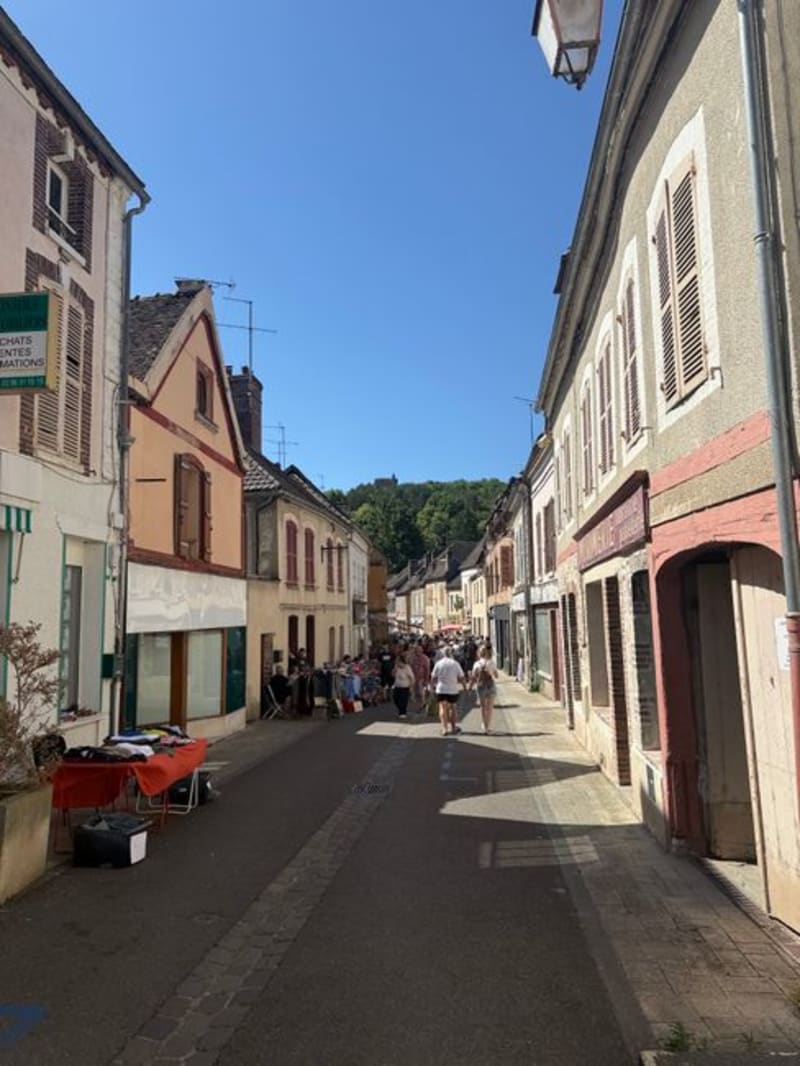 france
 Avallon
A fortified town perched on a rocky spur above its own ravine, guarding the road into the Morvan, with a Romanesque church front carved so densely we spent twenty minutes just finding all the figures.
Explore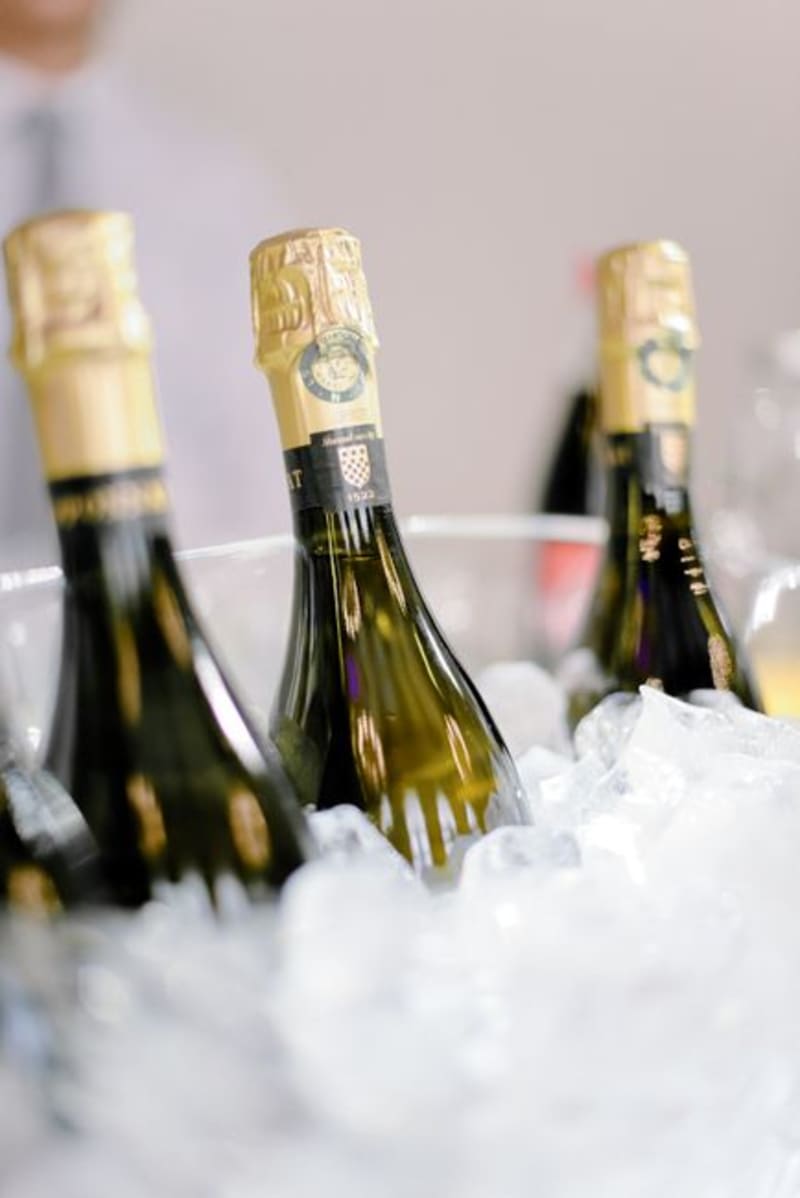 france
 Aÿ-Champagne
A grand cru village where Bollinger has been pressing grapes since 1829 and the slopes behind the church are so historically loaded they got their own UNESCO listing, though what stuck with me was how small and unpretentious the whole place still feels.
Explore france
 Bar-sur-Aube
A sleepy Aube market town that was once one of the great medieval trade fairs of Europe, now surrounded by the steep little vineyards of the Côte des Bar that most Champagne drinkers have never heard of.
Explore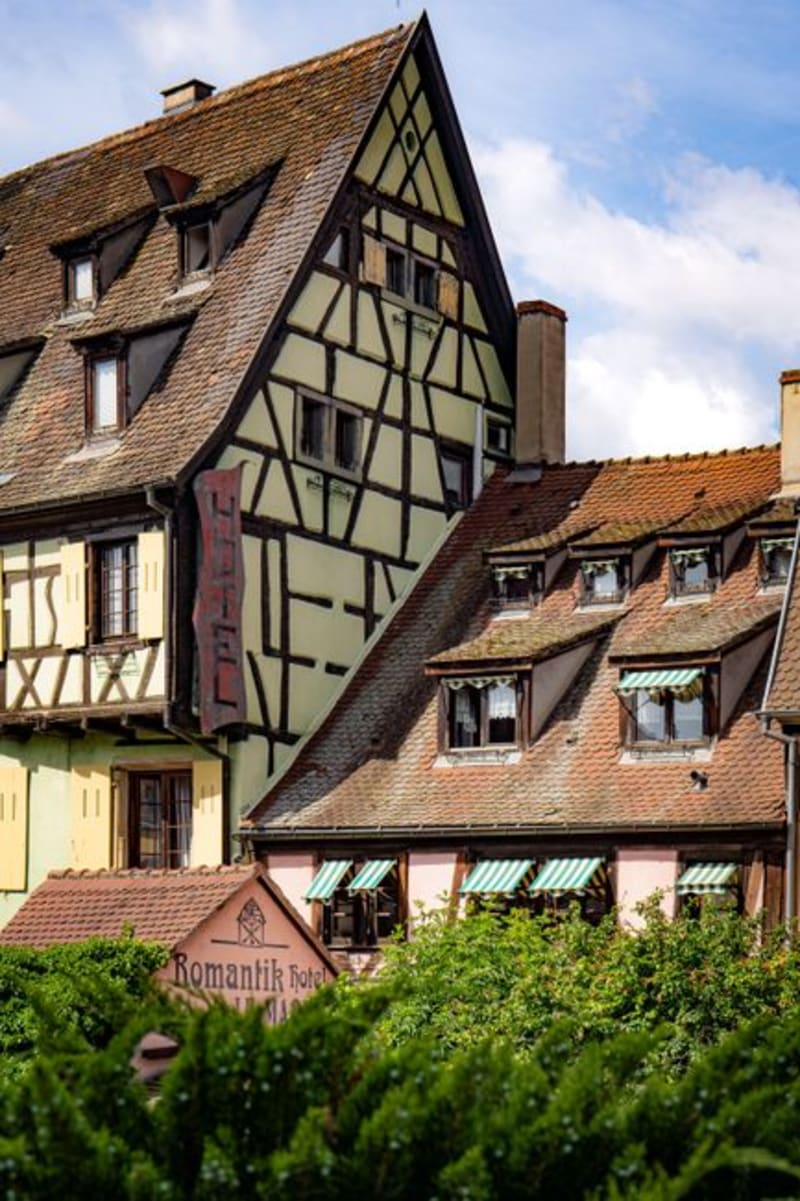 france
 Beaune
The wine capital of Burgundy, encircled by ramparts and vineyards, where a fifteenth-century charity hospital with a glazed tile roof turned out to be more moving than any of the wine tastings.
Explore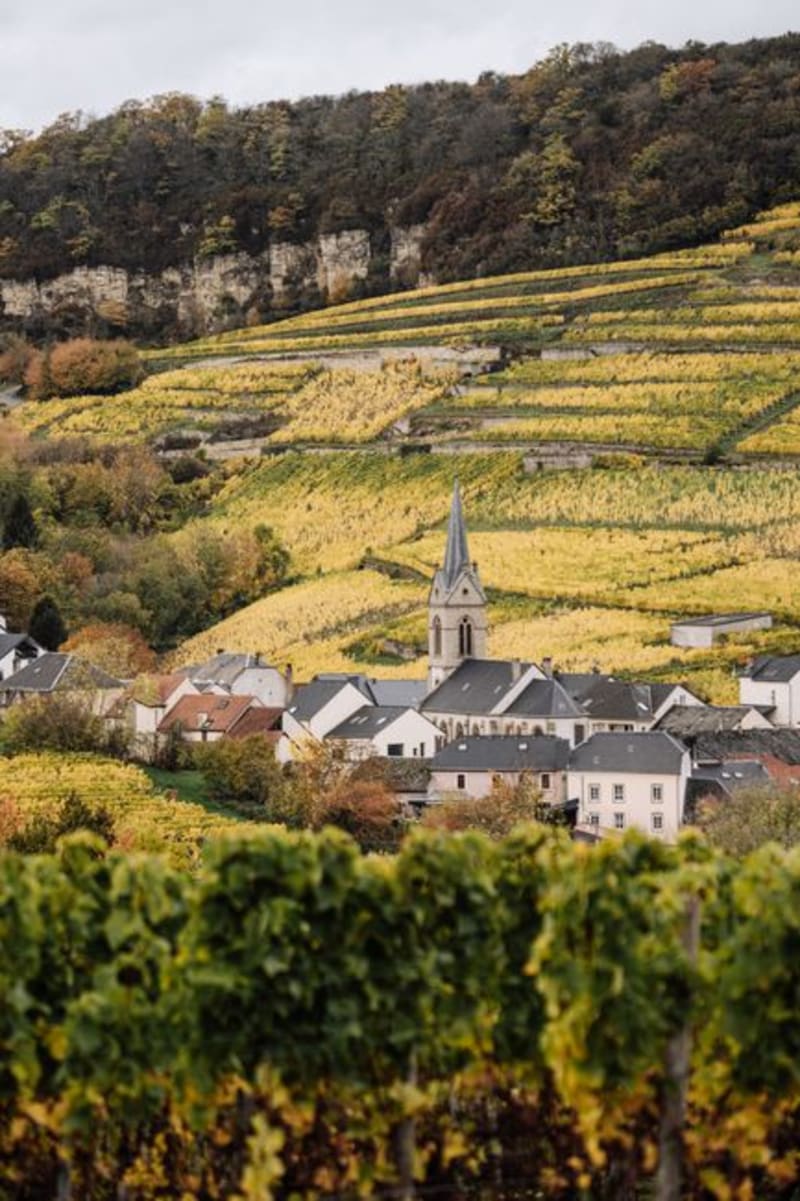 france
 Chablis
A tiny Burgundy wine town whose name has been borrowed and diluted by cheap wine everywhere else, and where tasting the real thing on its own limestone hillside set the record straight for me.
Explore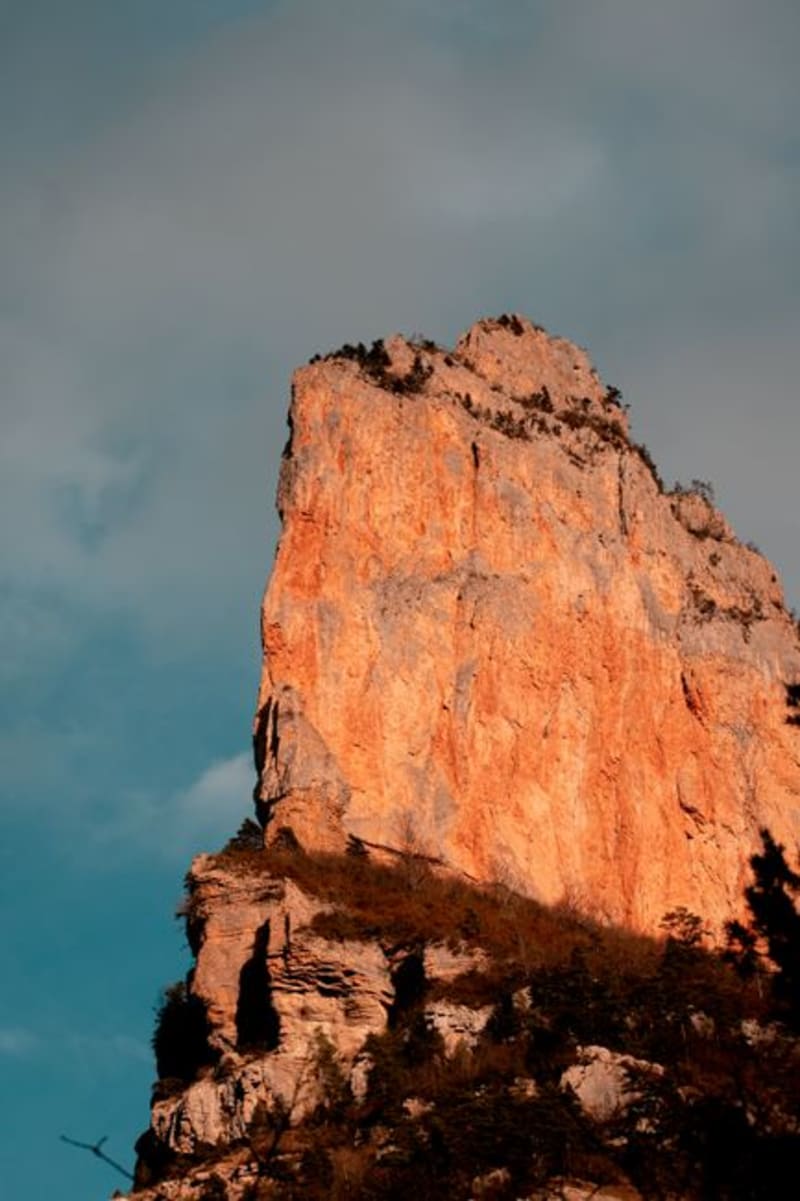 france
 Châtillon-sur-Seine
The town nearest where the Seine actually begins, home to a 2,500-year-old bronze vessel taller than I am, dug out of a burial mound by farmers who had no idea what they'd found.
Explore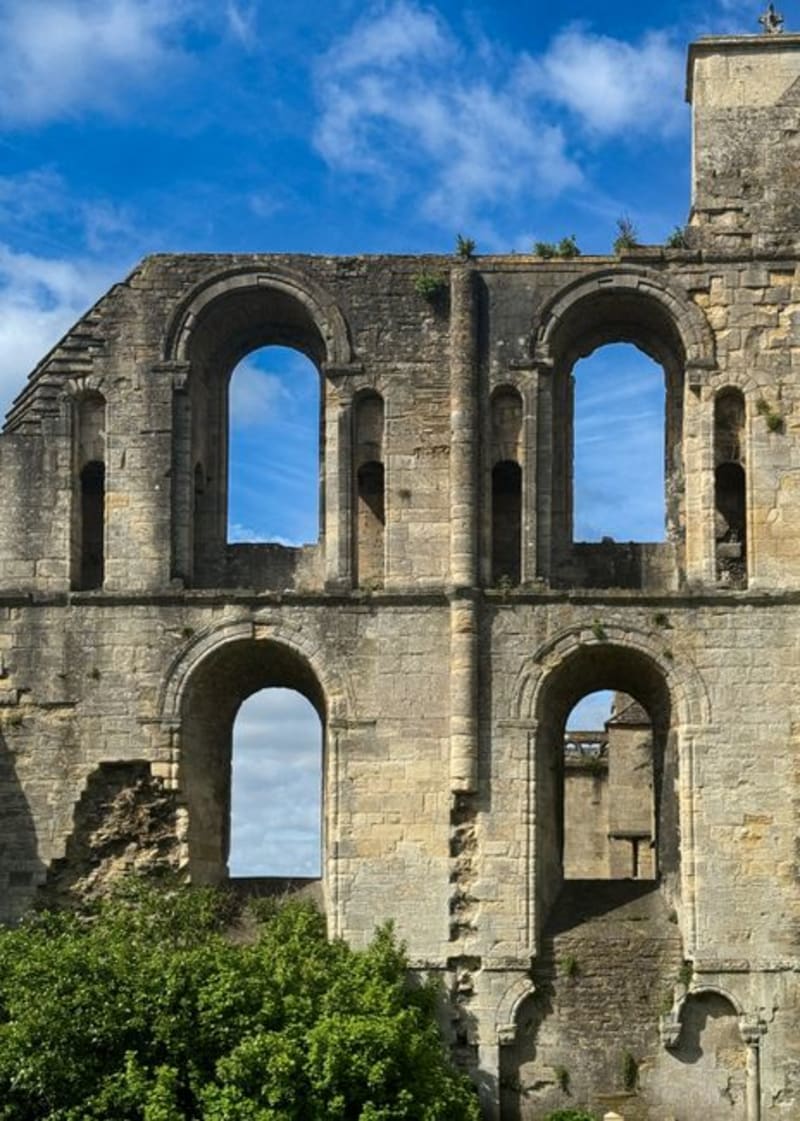 france
 Cluny
A small Burgundy town built around the ruins of what was once the largest church in the world, whose scale I only truly understood by comparing what's left to what's gone.
Explore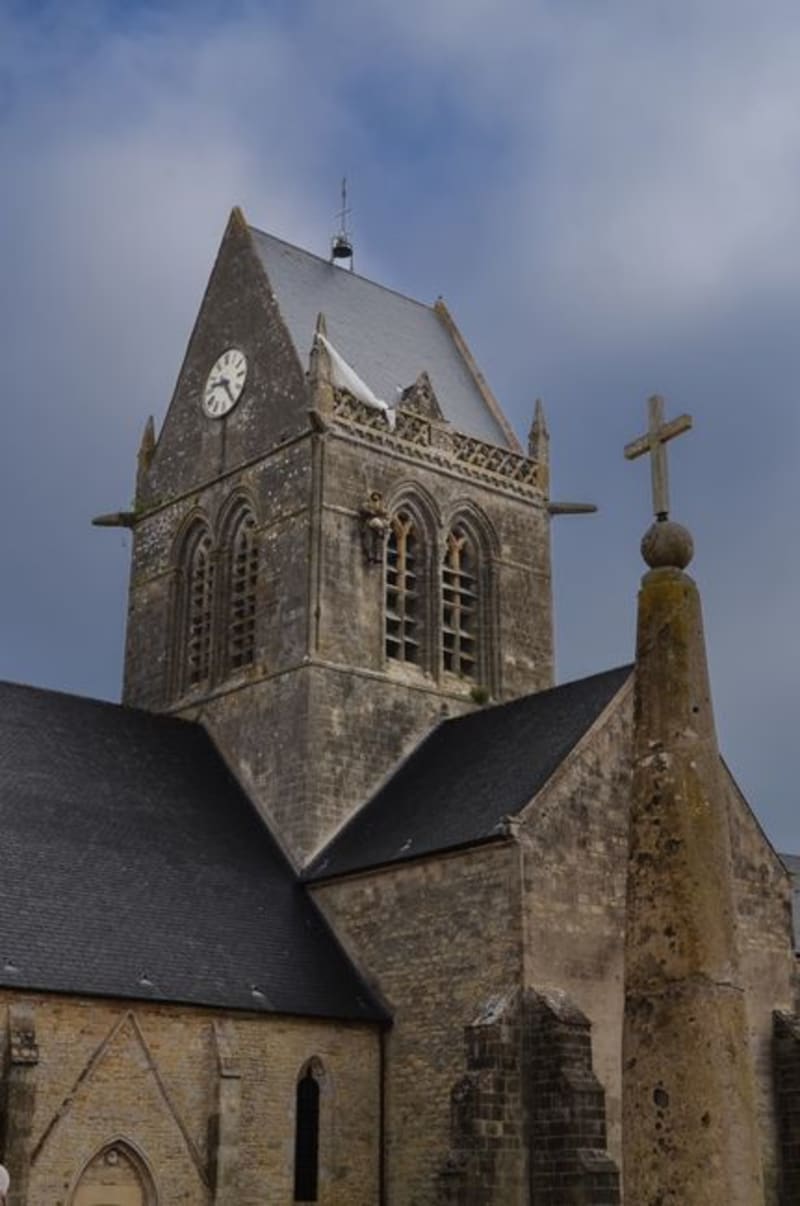 france
 Colombey-les-Deux-Églises
The quiet Champagne-Ardenne village Charles de Gaulle chose as home, where a Lorraine cross the height of an apartment building looks out over farmland he genuinely seemed to prefer to Paris.
Explore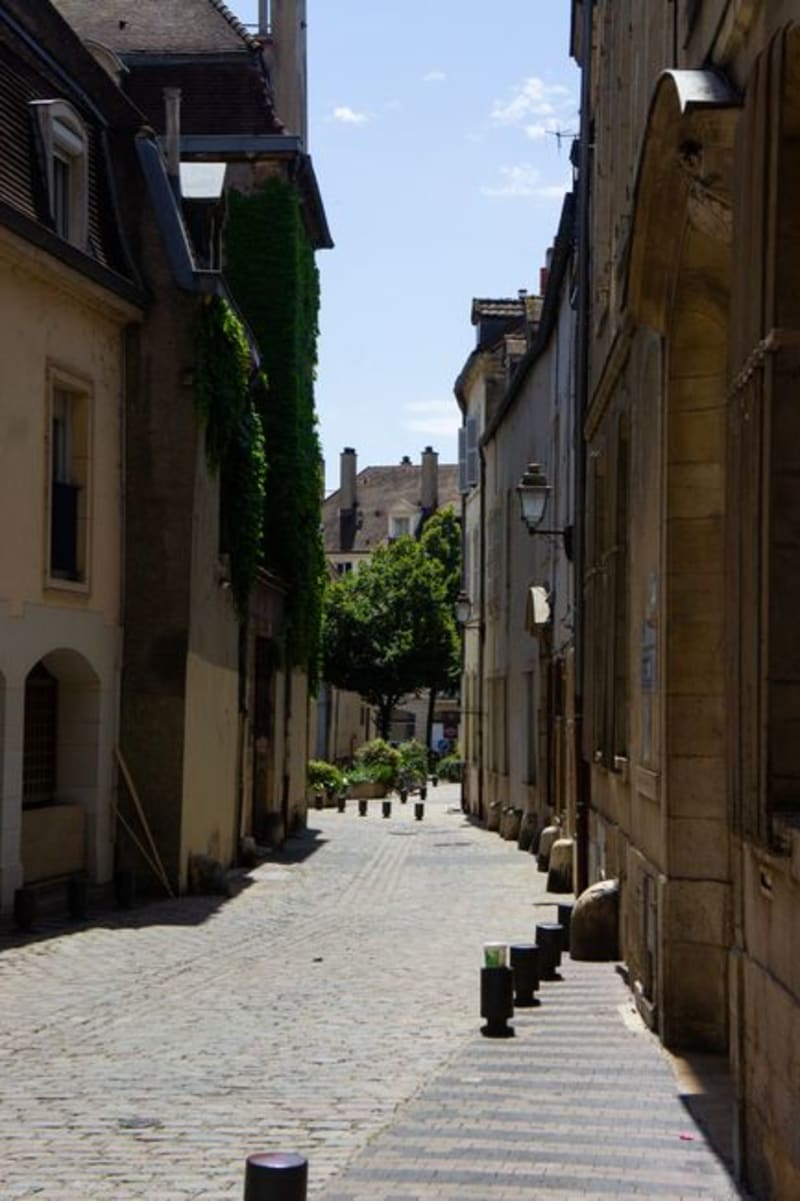 france
 Dijon
The old ducal capital of Burgundy, better known abroad for mustard than for the Renaissance dukes' palace at its centre, and one of the best-value food cities I've eaten my way through in France.
Explore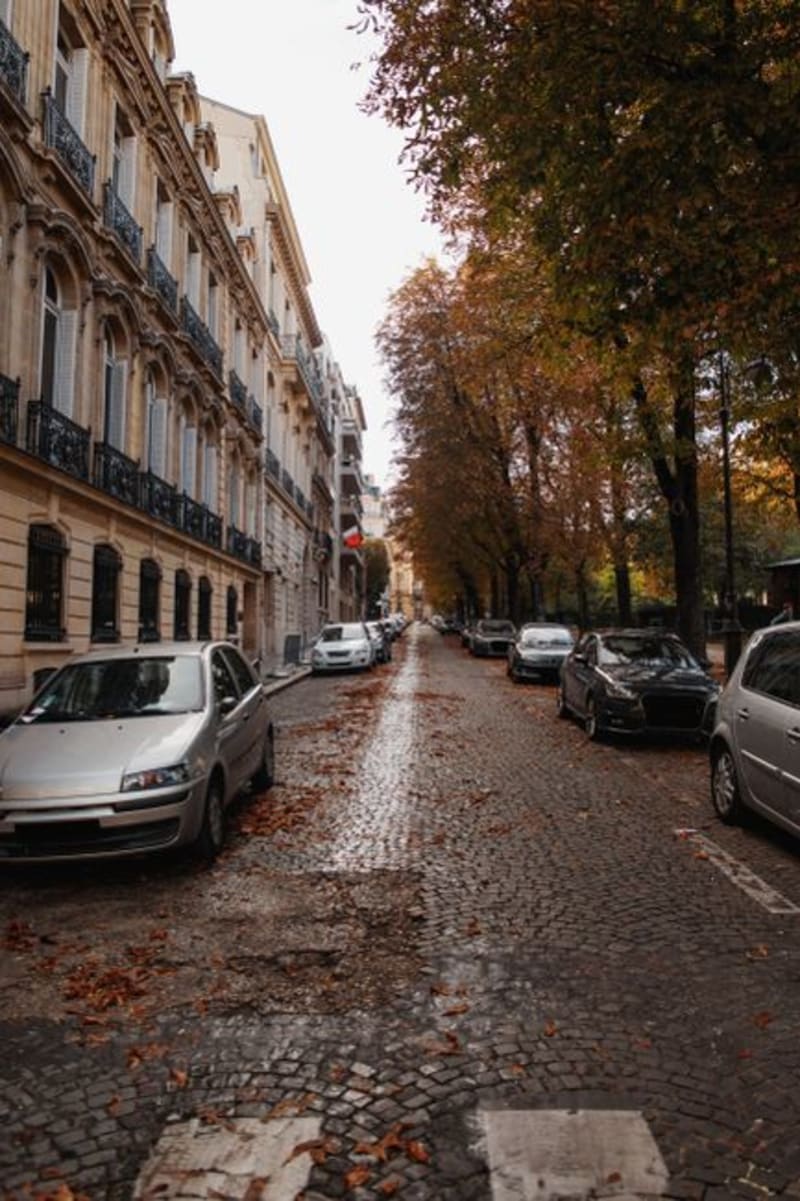 france
 Épernay
A small Champagne town whose single main avenue sits above more bottles of wine than the town has residents, and where a tasting with a fourth-generation grower rearranged my understanding of the drink.
Explore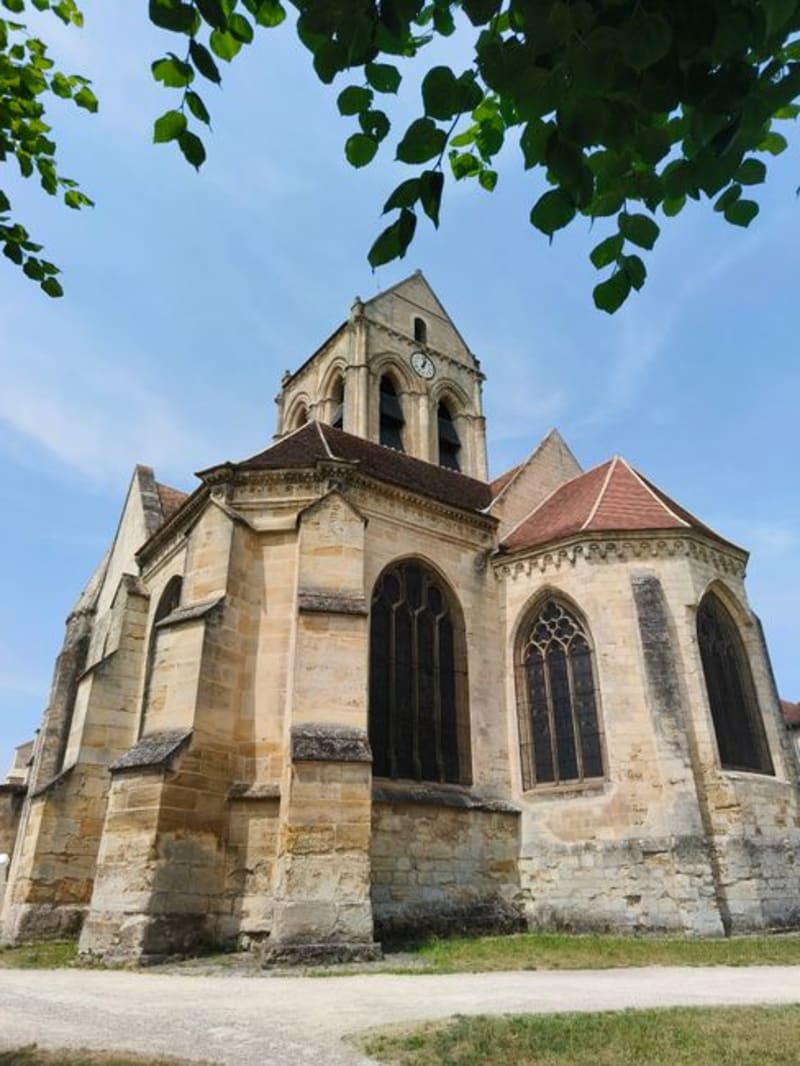 france
 Flavigny-sur-Ozerain
A walled hilltop village that's been making the same aniseed sweet in the same abbey for over a thousand years, and where I kept recognising doorways from a film before I remembered why.
Explore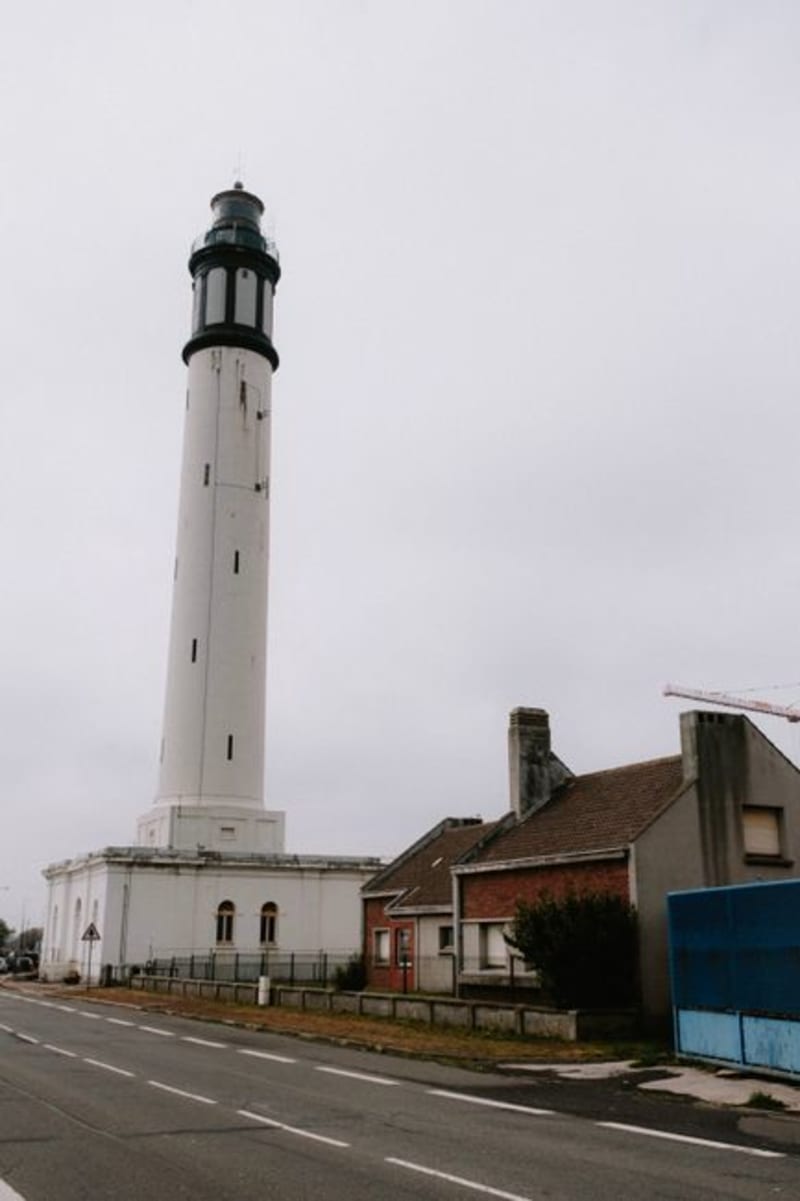 france
 Hautvillers
The hilltop village where the monk who supposedly invented Champagne is buried, and where I finally got the vineyard view that every Champagne label is trying to sell you.
Explore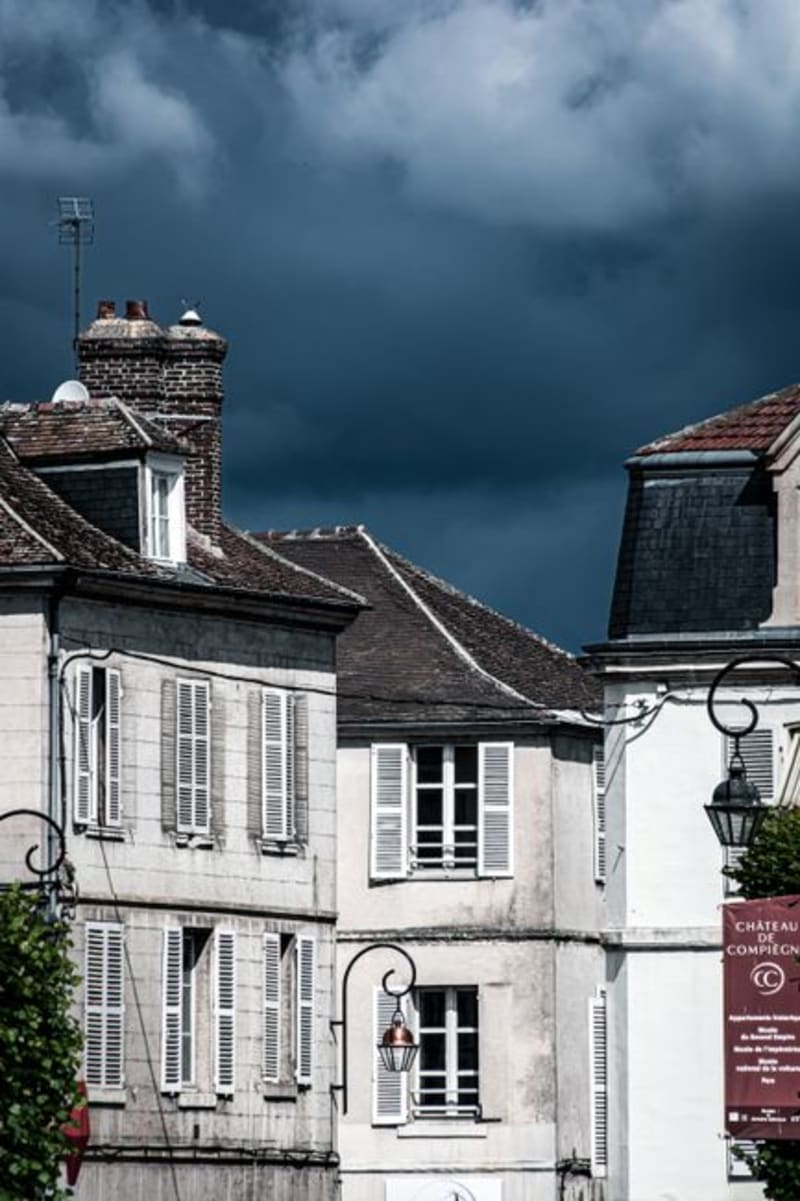 france
 Langres
A fortress town on a limestone plateau where you can walk the full ring of the ramparts in about an hour, looking out over Champagne and Burgundy at once, and where Diderot grew up before he went off to argue with half of Europe.
Explore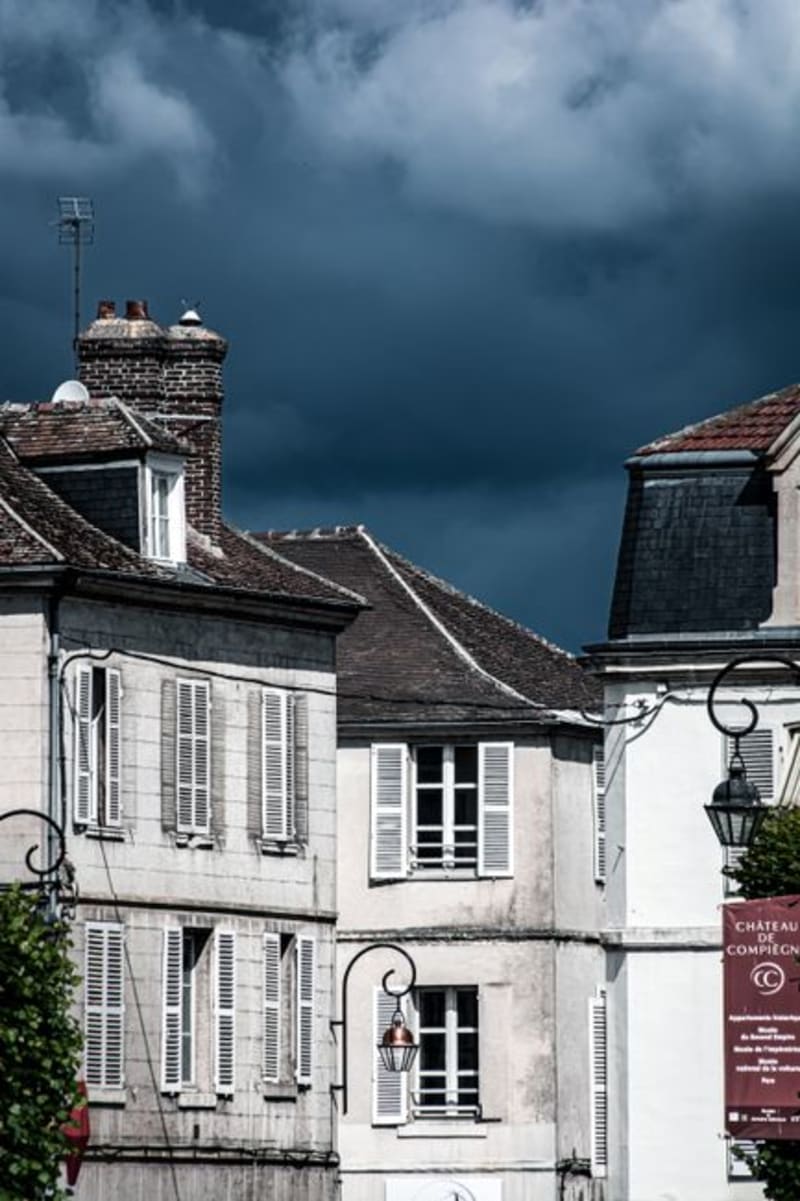 france
 Montbard
A workaday canal town that happened to produce the naturalist Buffon and sits a short drive from one of the best-preserved Cistercian abbeys in Europe, which between the two of them made it a far better stop than its plain train-station approach suggested.
Explore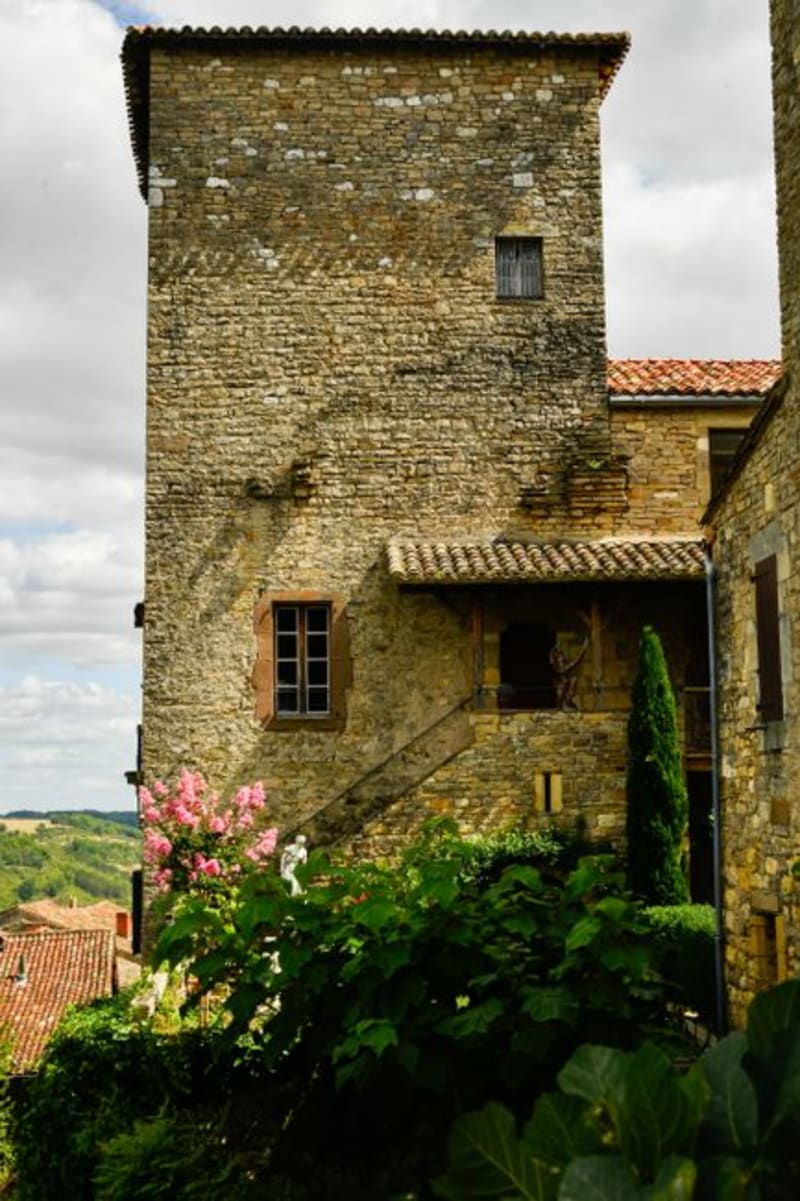 france
 Noyers-sur-Serein
A half-timbered village folded almost entirely inside a loop of the Serein river, official 'most beautiful village of France,' where I spent an hour just looking up at carved beams.
Explore france
 Nuits-Saint-Georges
The town that gives the Côte de Nuits its name, where I learned that ordering wine by village here is basically ordering it by hillside, and got mildly scolded for saying so at the wrong table.
Explore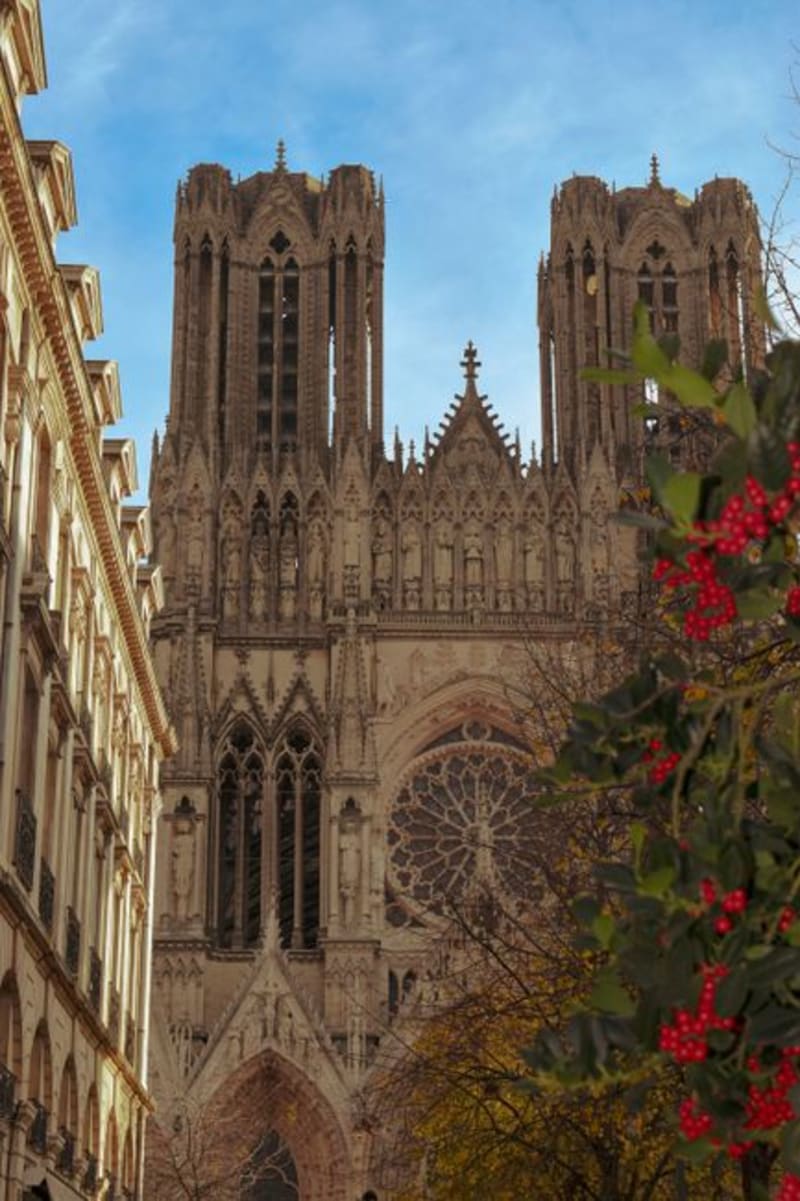 france
 Reims
The coronation city of French kings, sitting on top of hundreds of kilometres of chalk cellars where the great Champagne houses have aged their wine for two centuries.
Explore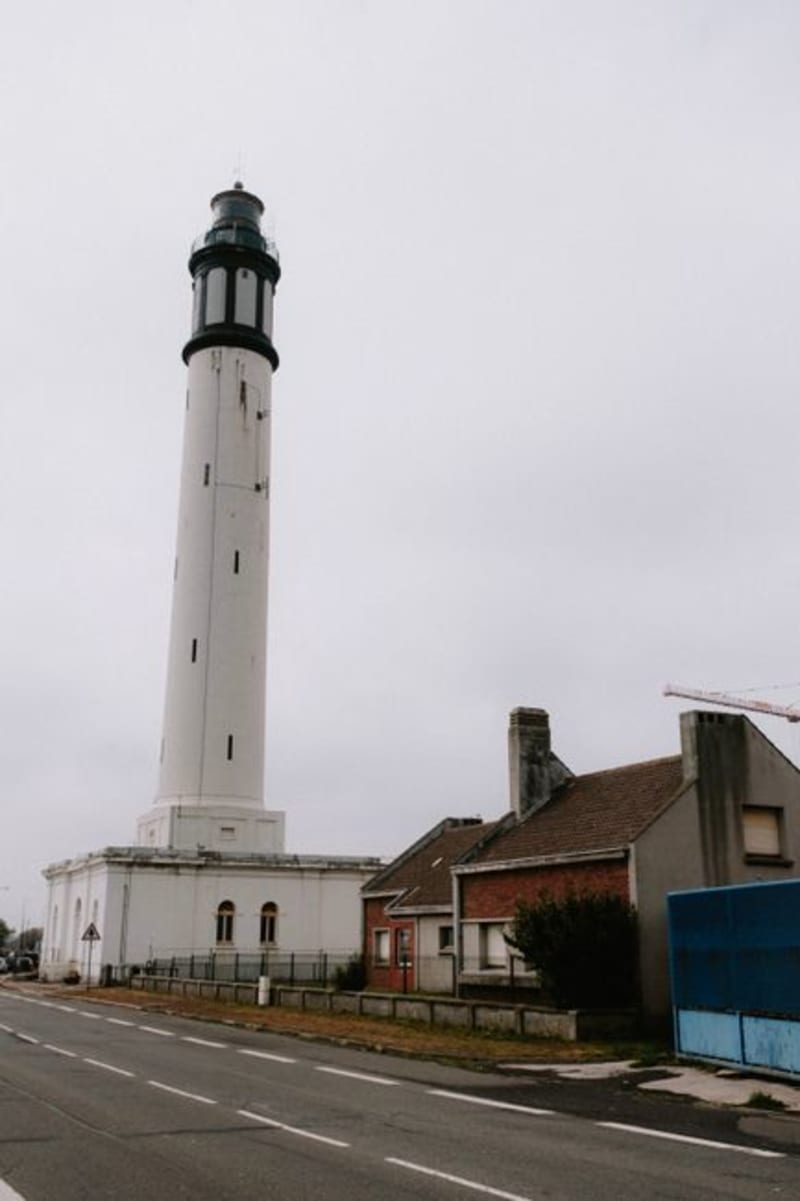 france
 Saulieu
A small town on the old Paris-Lyon road that's been feeding travelers seriously well for over three centuries, sitting right at the edge of the Morvan, where a basilica full of carved capitals surprised us more than the famous restaurant did.
Explore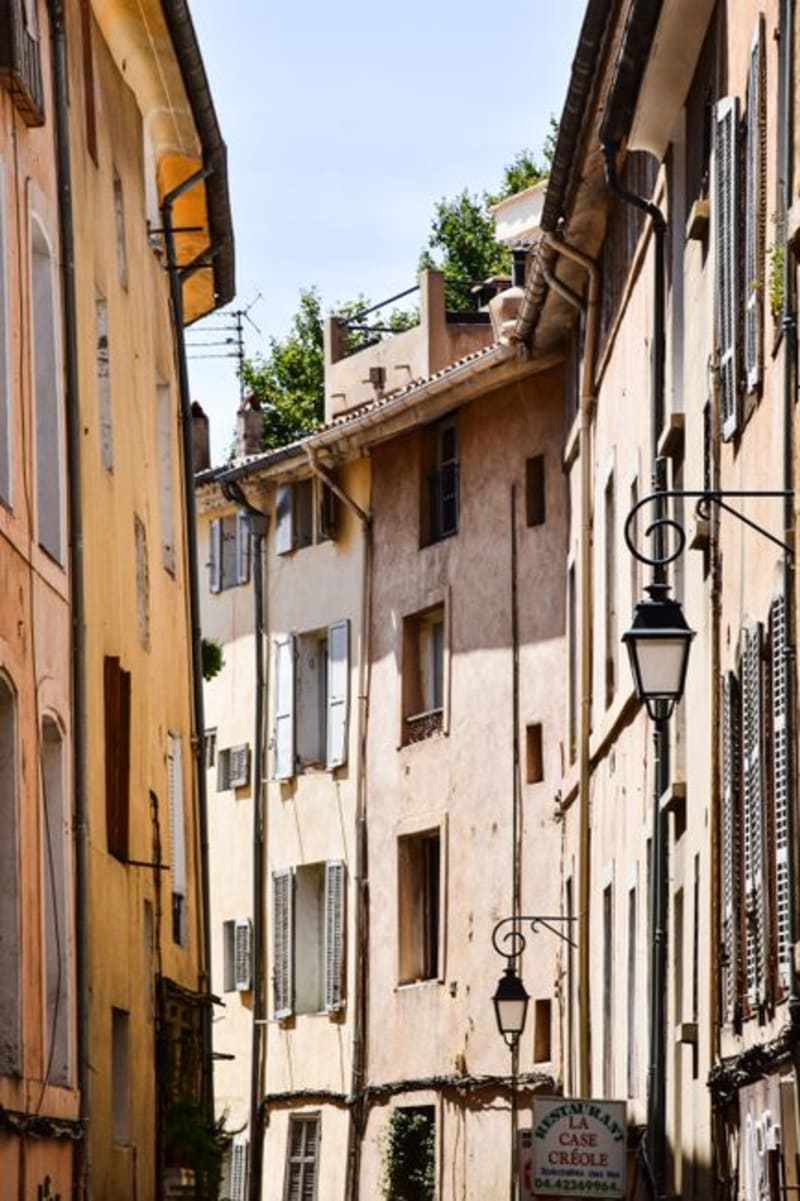 france
 Semur-en-Auxois
A fortress town wrapped around a granite outcrop, where the river does a full loop just to avoid leaving, and where I finally understood what people mean by 'defensible terrain.'
Explore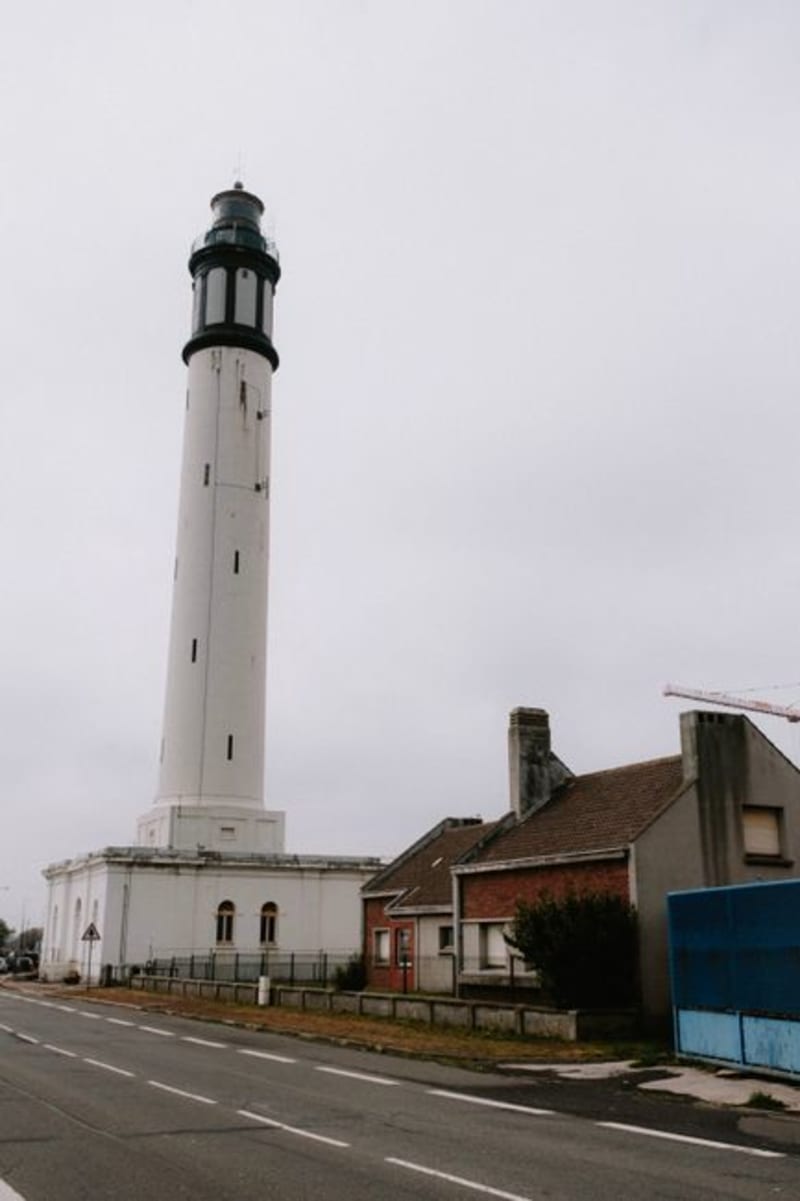 france
 Tonnerre
A Yonne wine town with a spring so improbably blue it looks photoshopped, and a medieval hospital hall bigger than most cathedrals I've been in.
Explore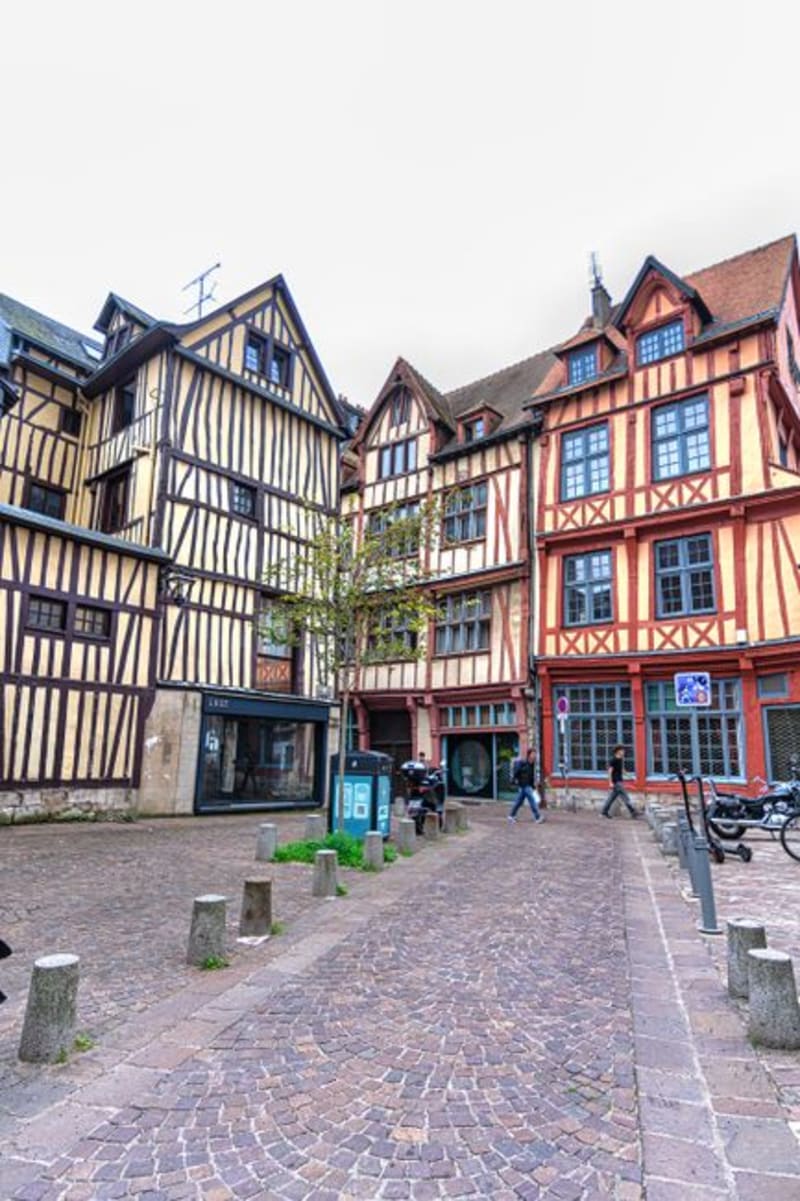 france
 Troyes
A medieval capital of Champagne whose old town is shaped like a champagne cork if you look at a map, packed with more timber-framed houses than I could count and a stained-glass tradition that outshines Chartres in sheer volume.
Explore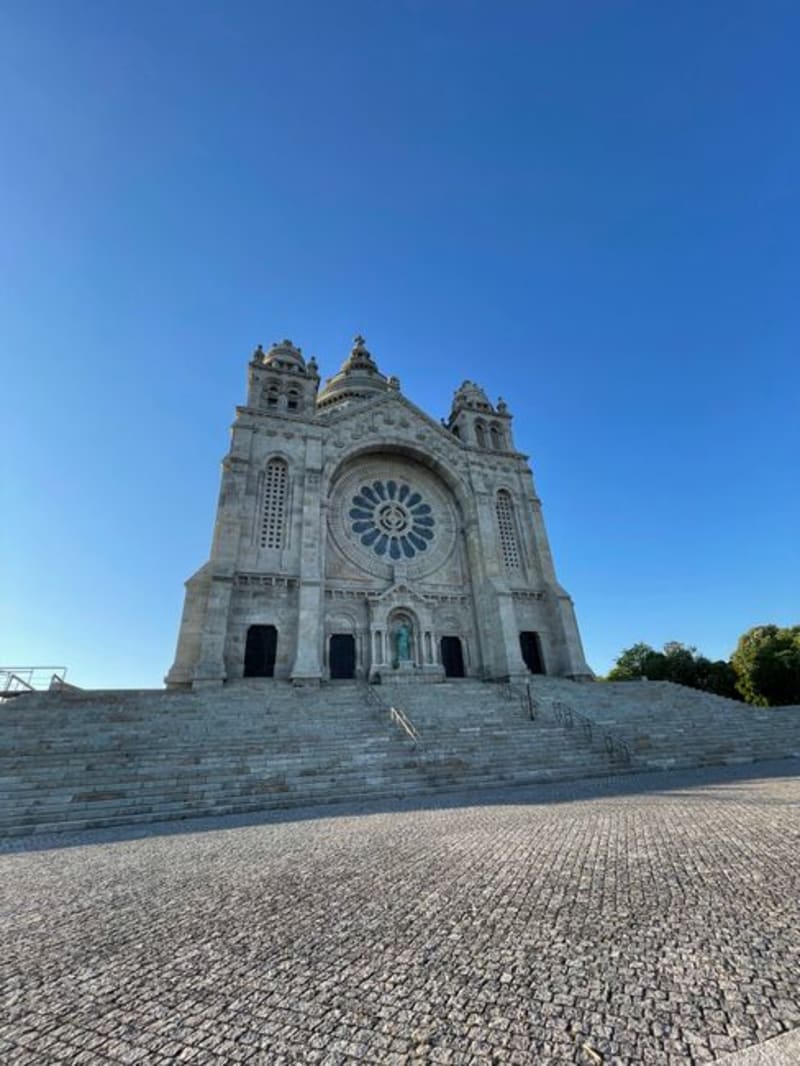 france
 Vézelay
A hilltop pilgrimage village in the Yonne crowned by a basilica so significant it launched a crusade, and one of the few places I've visited that felt genuinely worth the climb before we'd even reached the top.
Explore