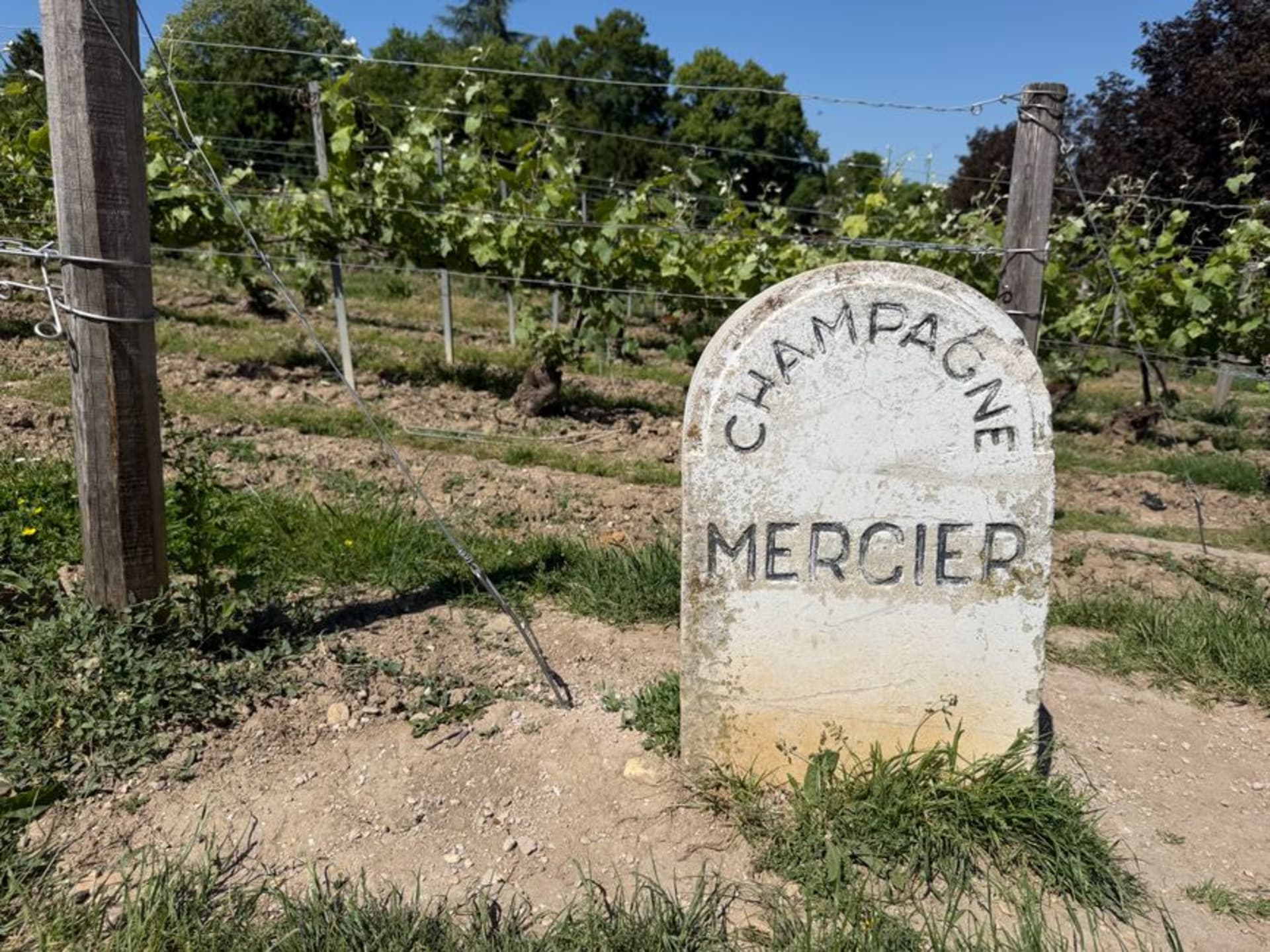
Aÿ-Champagne
"Everyone talks about Reims and Épernay. Aÿ is where the grapes that make them famous actually grow."
A grand cru village where Bollinger has been pressing grapes since 1829 and the slopes behind the church are so historically loaded they got their own UNESCO listing, though what stuck with me was how small and unpretentious the whole place still feels.
I’ll admit I drove through Aÿ-Champagne the first time without stopping, headed for a tasting appointment in Épernay six kilometres up the road, and only realized afterward that I’d passed one of the most historically important patches of vineyard in the whole Champagne region without slowing down. Kings drank Aÿ before they drank Épernay or Reims — Henri IV was apparently so fond of the wine here that he had himself nicknamed “Sire d’Aÿ” — and the village has been quietly making some of the region’s most sought-after grand cru Pinot Noir ever since, mostly without needing to shout about it.
The slope that got its own UNESCO listing
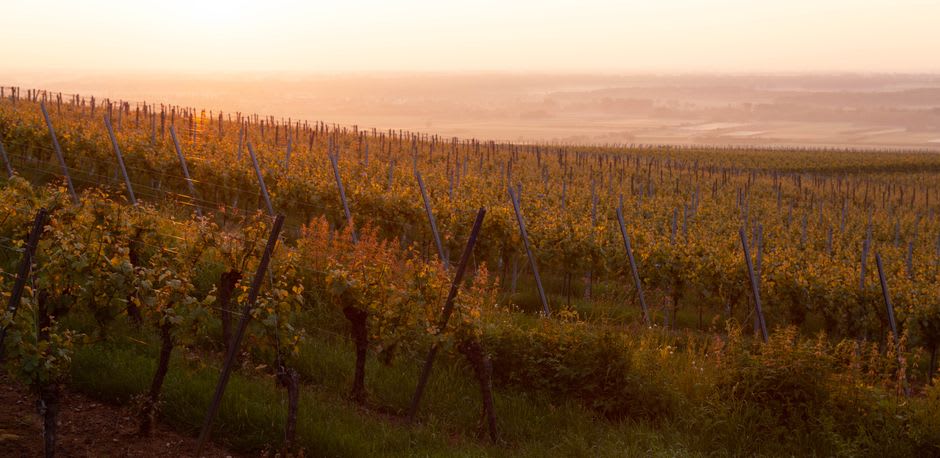
The Coteaux Historiques d’Aÿ is one of the specific parcels named in the “Champagne Hillsides, Houses and Cellars” UNESCO inscription from 2015, and walking it makes the reason obvious even to someone with no wine training. The pitch is steep, the exposure is nearly perfect south-facing, and the chalk sits close enough to the surface that you can see it crumbling pale at the edge of the rows. Lia, who grew up near vineyards in Languedoc and is generally unimpressed by wine tourism, stopped talking halfway up the path and just started taking photos of the soil. We climbed it in the early evening when the light goes gold and the whole valley toward the Marne opens up below the vines, Épernay’s rooftops visible in the distance and the river cutting a flat silver line through it all.
Bollinger’s front door
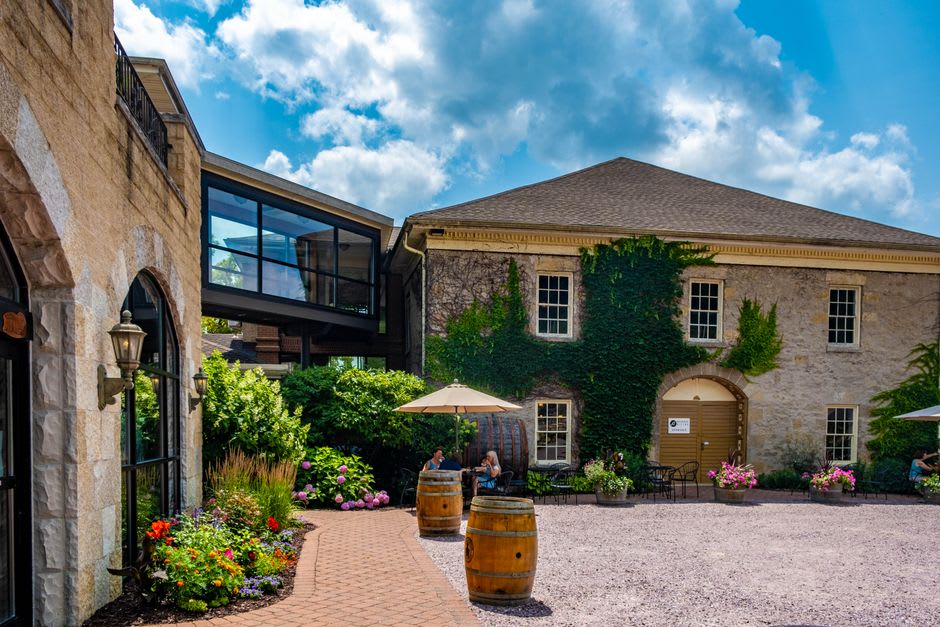
Bollinger has been headquartered in Aÿ since 1829 and the house still looks it, low ivy-covered buildings clustered around a courtyard rather than the marble-and-glass showrooms some bigger maisons put up in Épernay and Reims. It’s the house that supplied Winston Churchill and later became famously, if unofficially, James Bond’s Champagne of choice, but none of that swagger is visible from the street. We’d booked a cellar visit weeks ahead — Bollinger doesn’t do walk-ins the way some smaller producers will — and spent most of it underground in chalk galleries stacked with bottles aging on their lees, the guide occasionally striking a match to show us how oxygen-starved the deepest corners still are. The village itself outside the tasting rooms is barely more than a few streets, a church, and a lot of unmarked cellar doors that turn out to belong to producers most of the world has never heard of.
When to go: September and early October, if you can time it around the harvest, when the slopes are full of pickers and the village smells faintly of crushed grapes; book cellar visits well in advance regardless of season.
Keep exploring
More of Burgundy