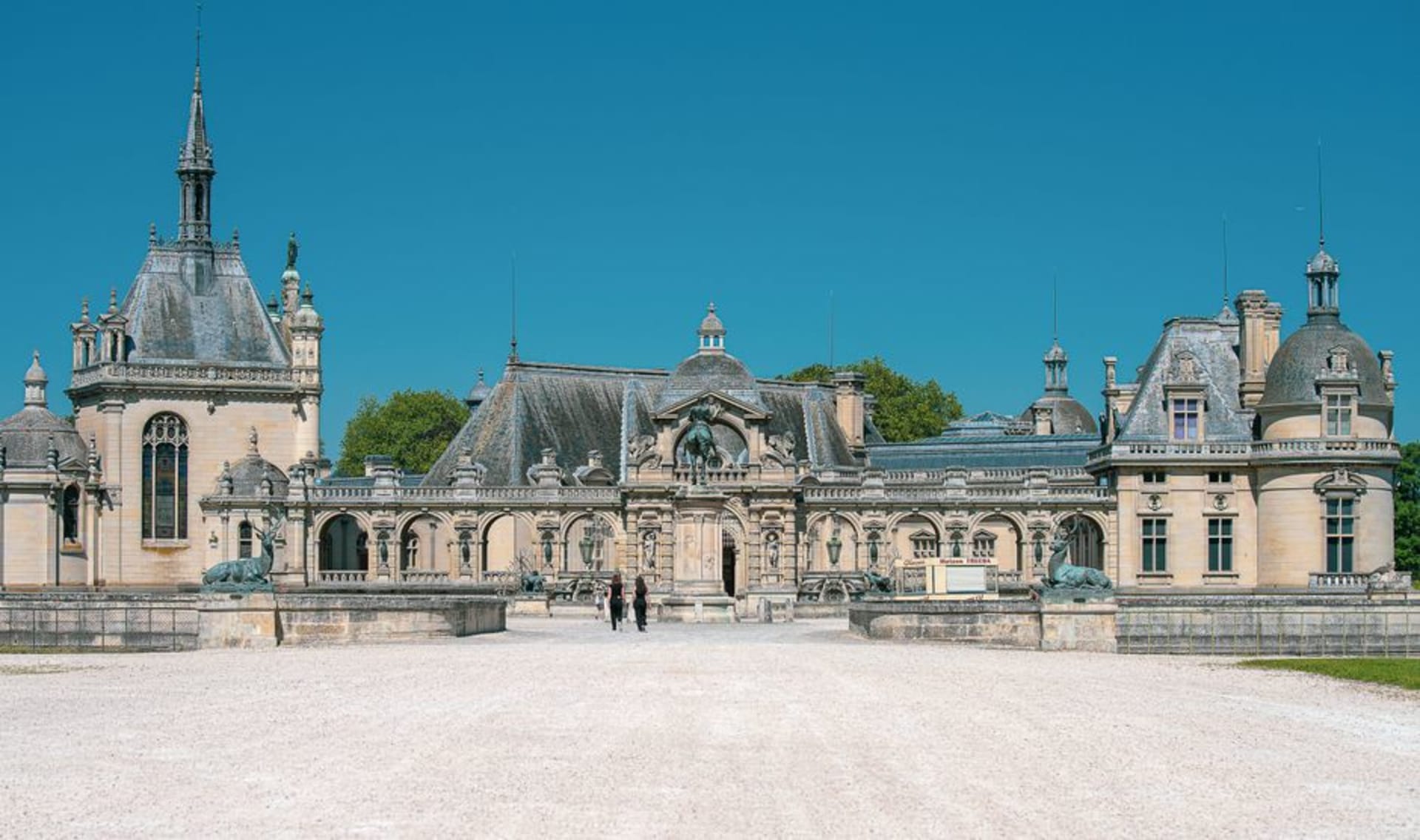
Langres
"You can circle the entire town on its own walls without ever coming down. I don't know many places where that's still true."
A fortress town on a limestone plateau where you can walk the full ring of the ramparts in about an hour, looking out over Champagne and Burgundy at once, and where Diderot grew up before he went off to argue with half of Europe.
Langres sits on a limestone spur high above the surrounding plateau, and the town has been fortified in some form since the Romans first recognized how good the position was for keeping an eye on the routes between what’s now Burgundy, Champagne, and Lorraine. What struck me driving up wasn’t the ramparts themselves at first — you can’t really see them properly until you’re on top — but the sheer amount of empty sky around the town, the plateau of the Haute-Marne stretching flat and green in every direction with Langres perched above it like it’s floating.
Walking the full ring
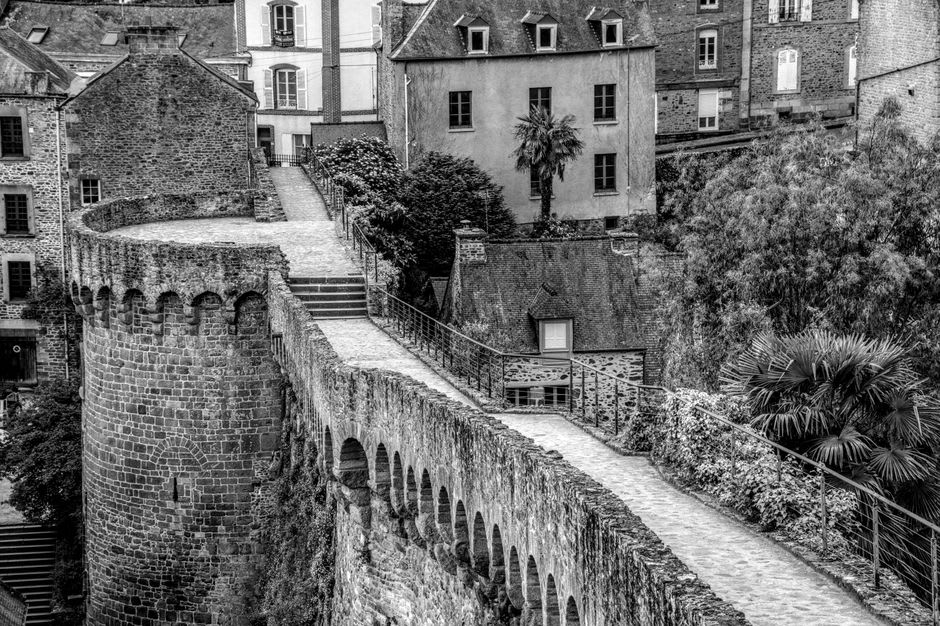
The chemin de ronde, the walkway along the top of the ramparts, runs almost the entire perimeter of the old town, close to four kilometres if you follow all of it, past seven surviving towers and gates built up over centuries as the fortifications were reinforced against successive threats. We did it slowly, stopping at nearly every bastion, and the views change constantly depending on which side you’re on — toward Burgundy the land rolls off into forest and vineyard hints of what’s coming further south, toward Champagne it flattens out toward the source of the Marne river, which actually begins near here. It’s one of the only places I’ve walked in France where a fortification built for defense has become, almost by accident, the best possible way to see the landscape it was built to guard.
The philosopher’s hometown
Denis Diderot was born in Langres in 1713, the son of a master cutler, long before he became the fierce, restless editor of the Encyclopédie and one of the loudest voices of the French Enlightenment, and the town has never quite let go of the connection — there’s a statue of him in the main square, a museum with rooms devoted to his life, and streets named for his more provocative ideas as if the town takes some quiet pride in having produced someone that difficult. I found it a little funny standing under his statue, reading plaques that praised his defense of free thought, in a town literally built as a closed fortress designed to keep outsiders out. We had dinner that night on a terrace near the cathedral, and the waiter, without being asked, brought up Diderot within about two minutes of hearing we weren’t from the region — a level of local pride I hadn’t expected from a man three centuries dead.
When to go: Clear autumn days give the best long views off the ramparts; the walk is exposed to wind year-round, so bring a layer even in summer.
Keep exploring
More of Burgundy