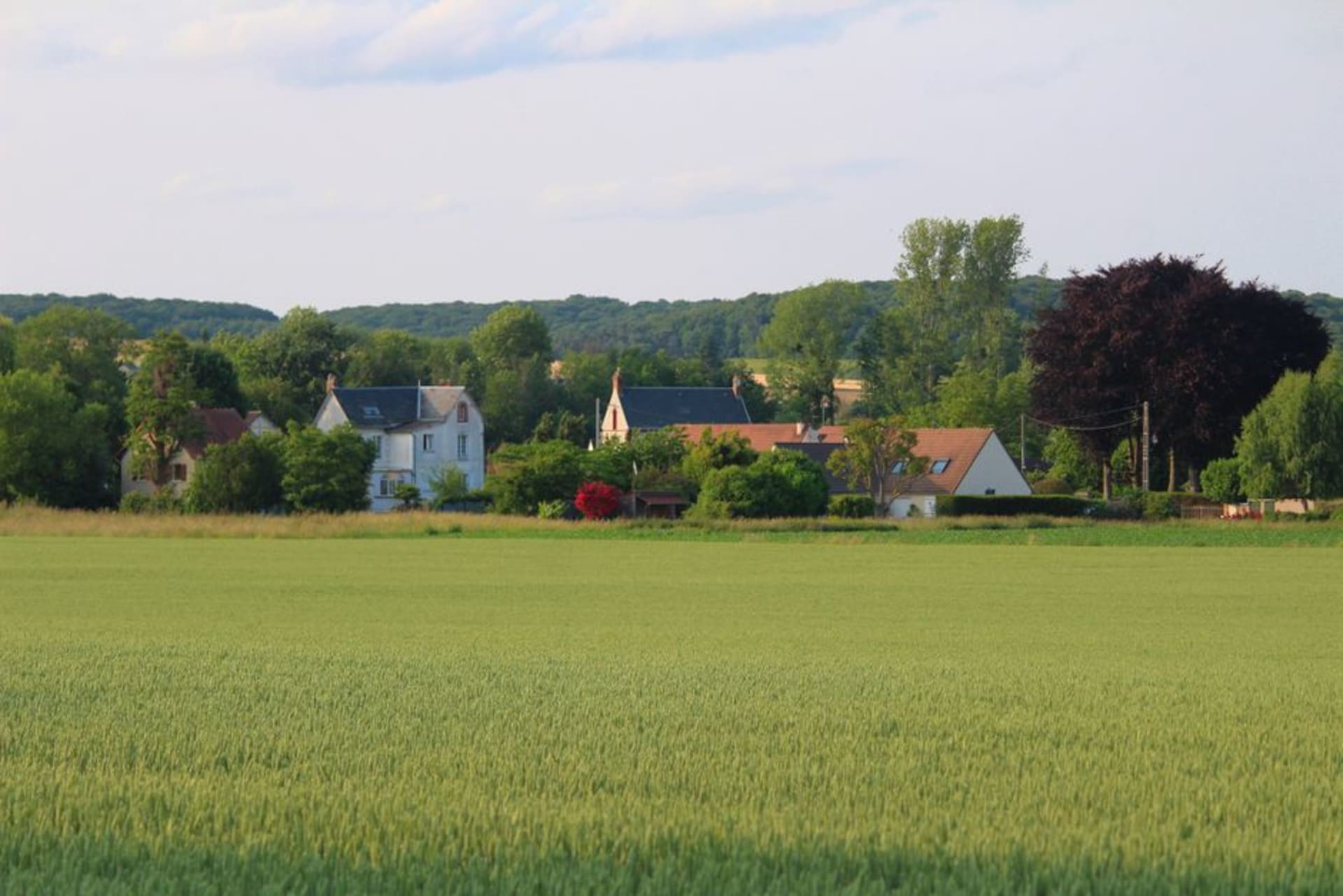
Saulieu
"Napoleon's soldiers stopped here to eat well on the way to war. Three hundred years later, so did we."
A small town on the old Paris-Lyon road that's been feeding travelers seriously well for over three centuries, sitting right at the edge of the Morvan, where a basilica full of carved capitals surprised us more than the famous restaurant did.
Saulieu has been a waypoint for travelers on the road between Paris and Lyon since well before that road had a number, and the town has built its entire identity around feeding those travelers properly — coachmen, merchants, and later motorists all stopped here, and the reputation stuck hard enough that Saulieu still calls itself, without much modesty, a capital of French gastronomy. Madame de Sévigné wrote about eating well here in the seventeenth century, and the tradition runs in an unbroken line to the present, where the town’s most famous restaurant has held Michelin stars for decades.
A gastronomic reputation earned the slow way
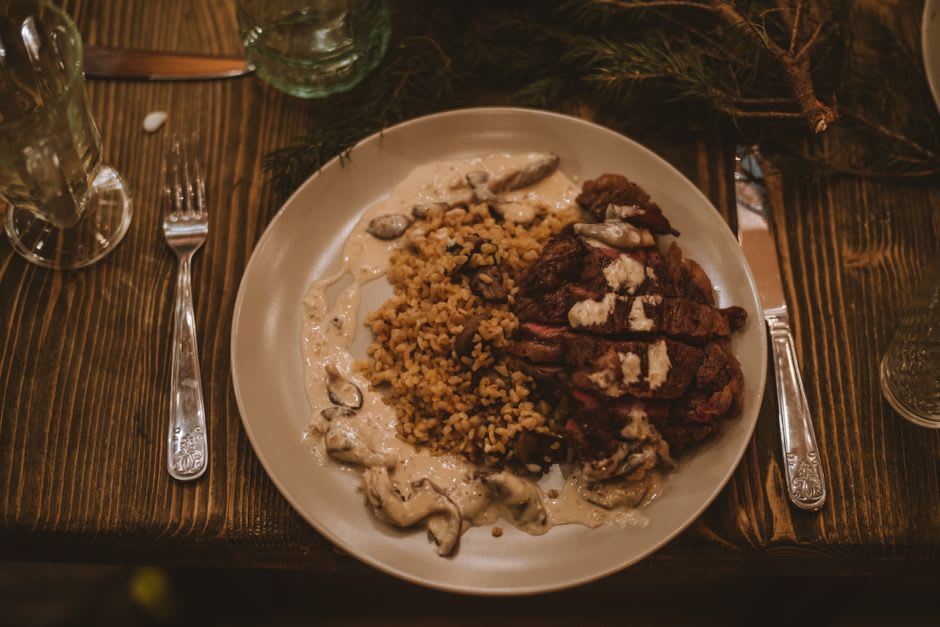
We didn’t come to Saulieu chasing a specific restaurant reservation, which in hindsight might have been the more honest way to experience the town’s food culture — we ate well almost everywhere, from a simple auberge doing a five-course Burgundian menu at lunch to a market stall selling jambon persillé that Lia rationed for the rest of the week. The town sits right at the edge of the Morvan, and its cuisine reflects that border position clearly: heavier, forest-and-farm dishes with mushrooms, game, and pork sitting alongside the more familiar Burgundian staples of beef and wine sauces from the plains further east. There’s a statue in town of a Charolais bull, a nod to the cattle breed that fattens on the pastures around here and ends up, inevitably, on most of the menus.
The basilica nobody warned us about
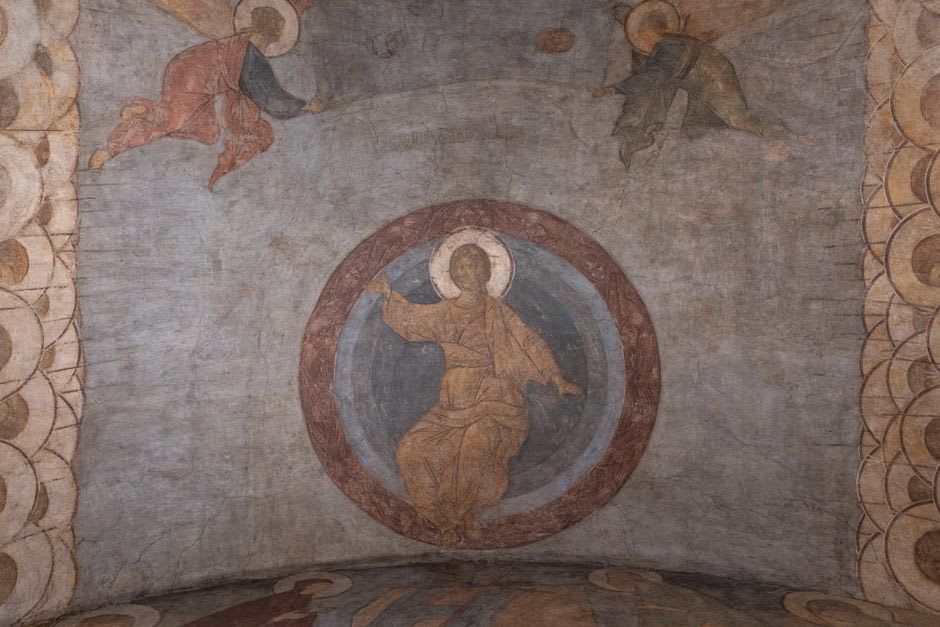
What actually stopped us in our tracks in Saulieu wasn’t the food but the Basilique Saint-Andoche, a Romanesque church whose carved capitals rival better-known ones at Vézelay and Autun without anywhere near the crowds — a scene of the Flight into Egypt, a suckling wolf, foliage twisting into strange faces, all worked into stone columns most visitors seem to walk straight past on their way to lunch. We had the nave nearly to ourselves on a weekday afternoon, tracing capital after capital with the church guide’s photocopied handout, both of us a little annoyed that this building isn’t spoken of in the same breath as its more famous Burgundian cousins.
When to go: Autumn, when the Morvan’s mushroom season is in full swing and the menus around town lean hardest into the forest ingredients the region is known for.
Keep exploring
More of Burgundy