Châtillon-sur-Seine
"The river that becomes Paris starts, more or less, a few kilometres from here, as a modest spring nobody outside France has heard of."
The town nearest where the Seine actually begins, home to a 2,500-year-old bronze vessel taller than I am, dug out of a burial mound by farmers who had no idea what they'd found.
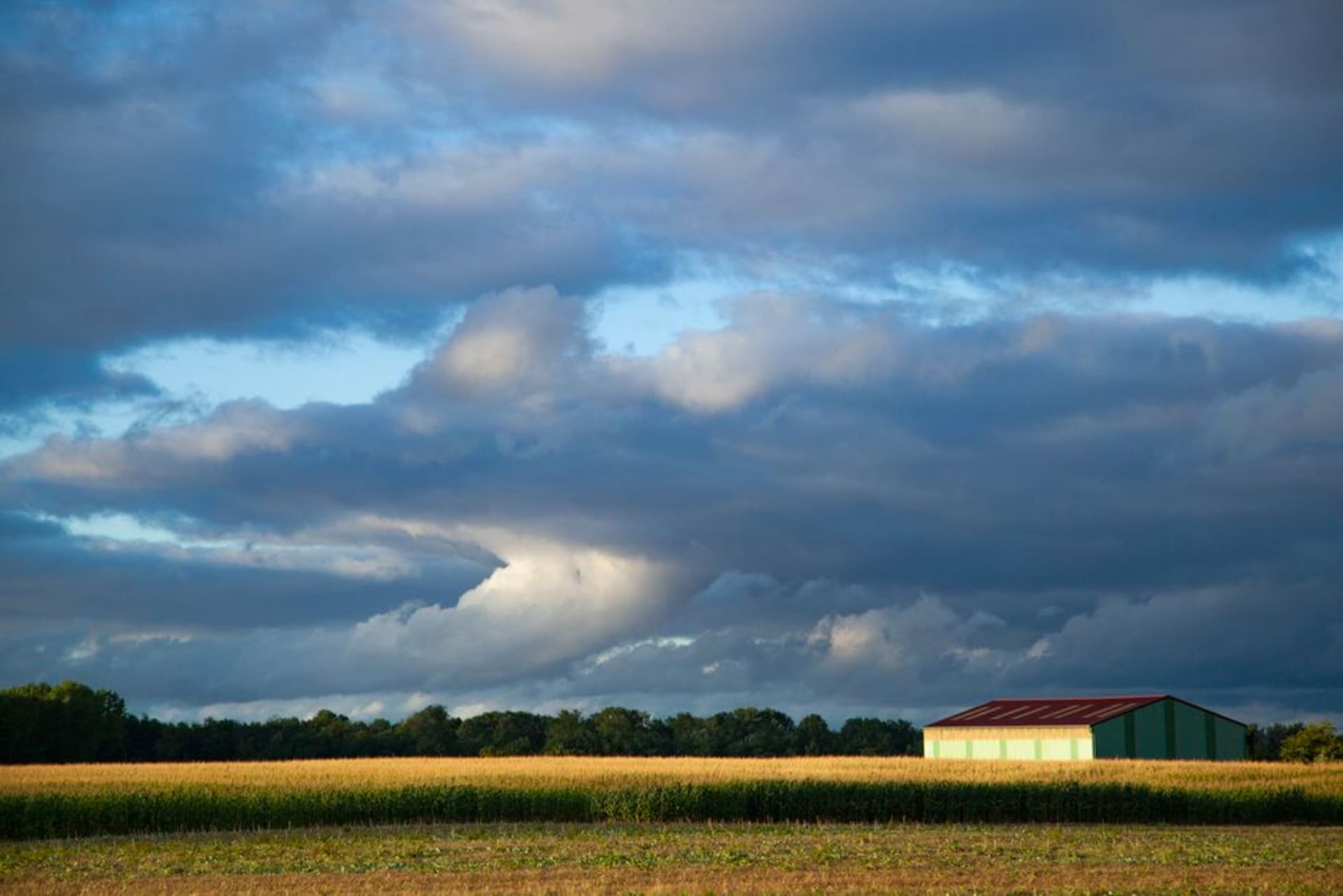
Châtillon-sur-Seine sits at the northern edge of Burgundy, close to the actual source of the Seine — the river that eventually passes under every bridge in Paris begins as a spring near a village called Source-Seine, barely twenty minutes from here, tended by a grotto the city of Paris itself still owns and maintains as a strange little act of civic sentimentality. I’d come for the river connection and left having thought about it a lot less than I expected, because the town’s own museum took over completely.
The vase that rewrote what I thought I knew about the Celts
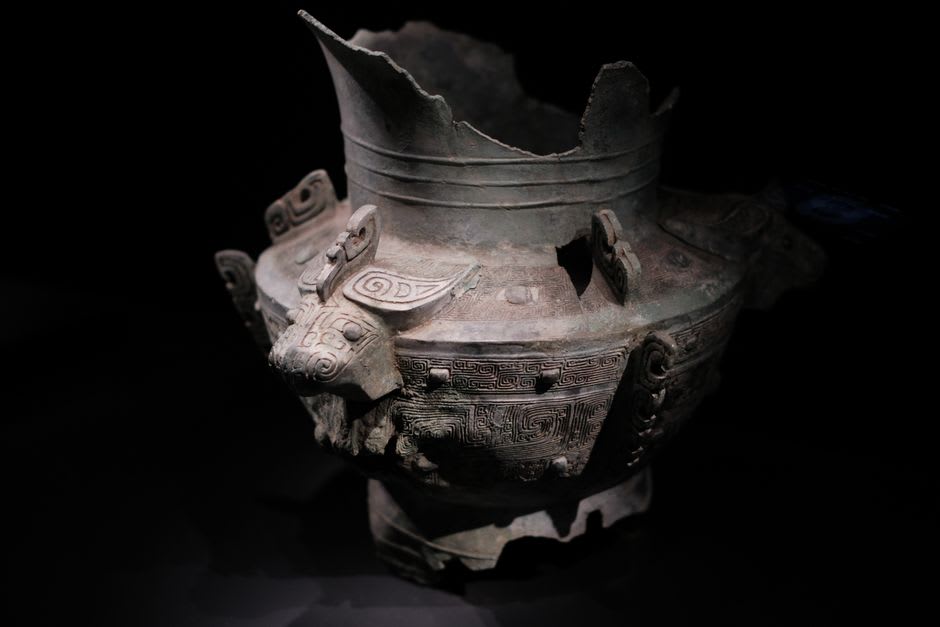
Châtillon’s Musée du Pays Châtillonnais houses one genuinely extraordinary object: the Vix Krater, a bronze wine-mixing vessel over 1.6 metres tall and weighing around 208 kilograms, made in a Greek workshop in the 6th century BC and found in 1953 in the burial mound of a Celtic noblewoman on Mont Lassois nearby. It’s the largest known bronze vessel to survive from antiquity, and finding it in a Celtic tomb in rural Burgundy rather than anywhere near the Mediterranean forced historians to rethink how far Mediterranean trade networks reached, and how wealthy and connected the local Celtic elite actually were. Standing in front of it, genuinely taller than I am, I kept trying to picture it being hauled overland from the Rhône, and the effort involved didn’t make sense until I read that it was likely transported in pieces and reassembled locally.
A spring, a river, and an abbey down the road
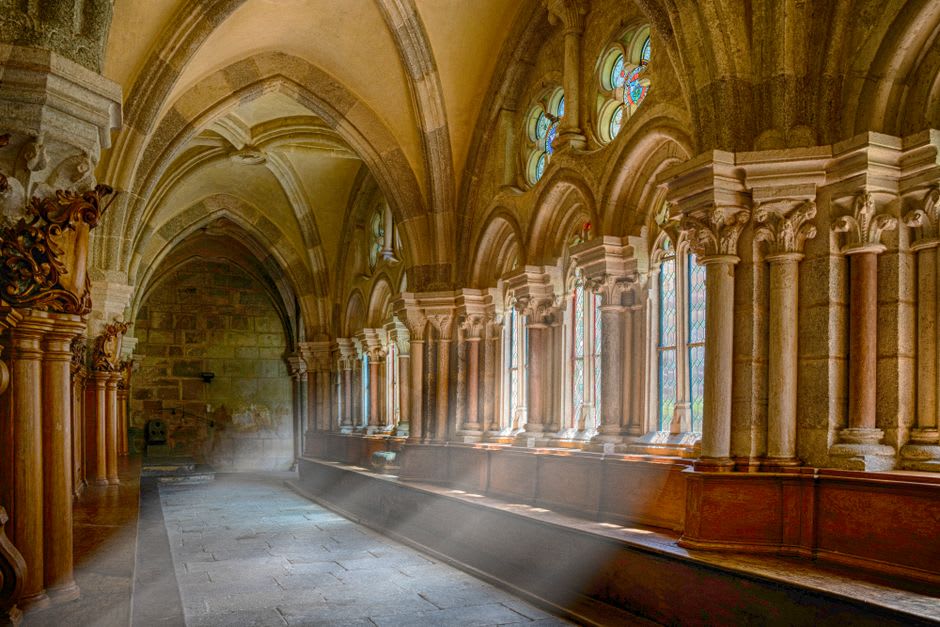
The town itself sits split by the Douix, a powerful karst spring that gushes straight out of a limestone cliff face at the edge of the old quarter and feeds directly into the young Seine, still barely a river at this point, more a wide clear stream you could wade across. A short drive south brings you to the Abbaye de Fontenay, one of the best-preserved Cistercian abbeys in Europe, founded in 1118 and kept remarkably intact through later use as a paper mill, its cloister and dormitory built with the same austere, stone-driven logic the order applied everywhere. Lia and I did both in a single day, the Douix in the morning and Fontenay in the golden hour before closing, and it made for one of the best-paced days we’ve had in Burgundy.
When to go: Late spring through early autumn gives the best light for both the Douix spring and Fontenay’s gardens. It’s an easy stop if you’re driving between Burgundy and Champagne, and the museum alone is worth an hour even on a tight schedule.
Keep exploring
More of Burgundy