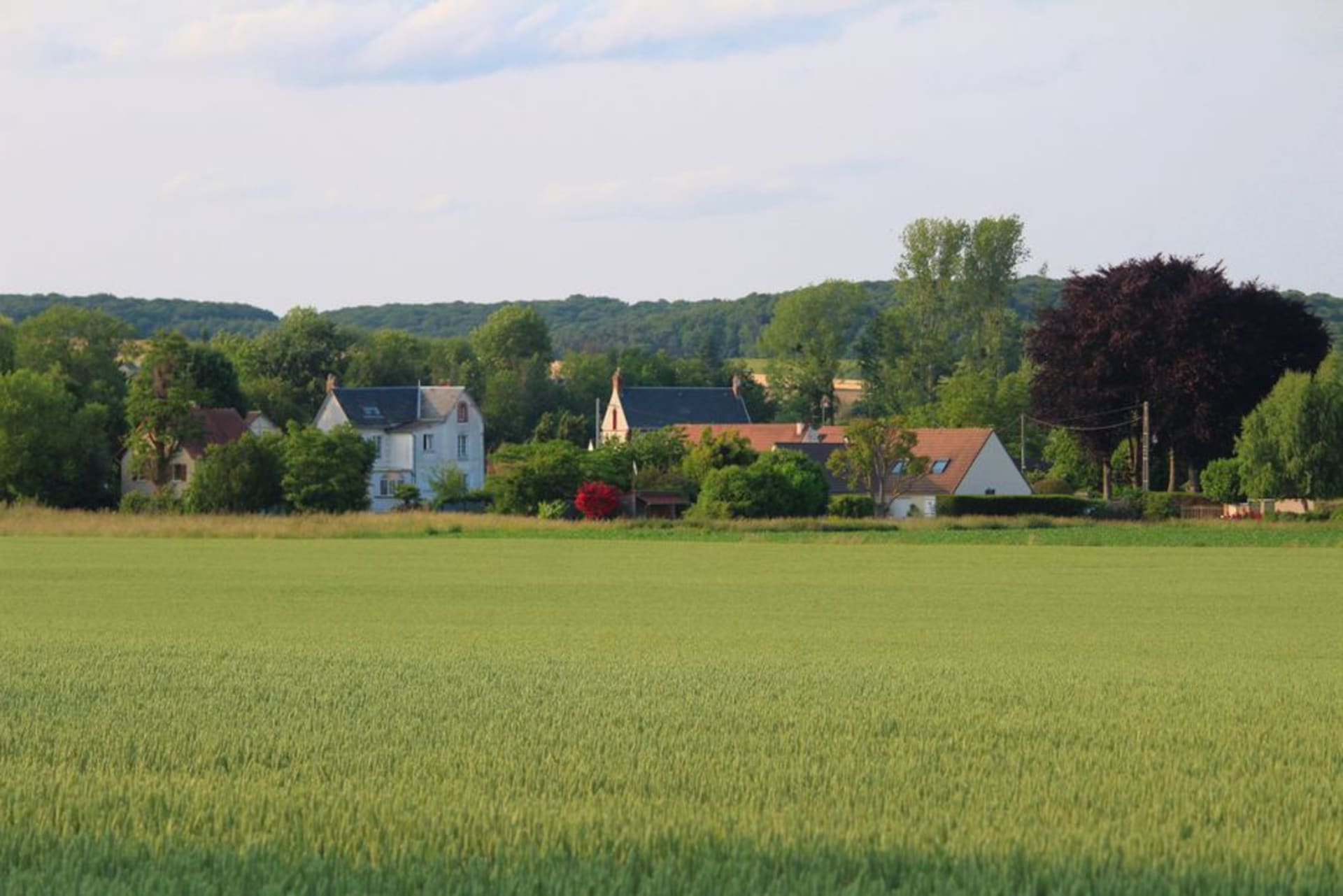
Avallon
"Everyone we passed on the ramparts walk was heading into the Morvan next. Avallon felt like the last proper town before the wild starts."
A fortified town perched on a rocky spur above its own ravine, guarding the road into the Morvan, with a Romanesque church front carved so densely we spent twenty minutes just finding all the figures.
Avallon sits on a granite spur above a bend in the little Cousin river, its ramparts dropping almost sheer into a wooded ravine on one side, and the effect from below is more dramatic than a lot of hilltop towns twice its size. We arrived from Vézelay expecting a quick stop before pushing on into the Morvan, and ended up staying the night, mostly because the walk around the ramparts at dusk, with the ravine falling away into shadow and swifts wheeling around the old towers, was not something either of us wanted to cut short.
The gateway to the Morvan
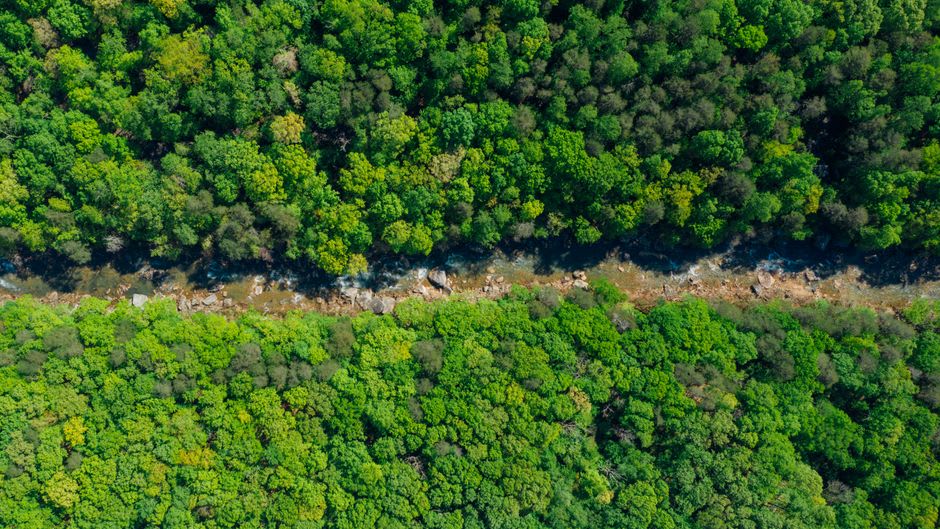
Avallon has always functioned as the last real town before the Morvan begins, that granite massif of dense forest, lakes, and thin-soiled hill farms that forms one of Burgundy’s wilder, poorer, and least visited corners. Historically the town controlled the road south into that terrain, and you can feel the shift in landscape almost as soon as you leave it, the vineyards and limestone plateau of the rest of Burgundy giving way to darker soil, steeper hills, and a lot more forest. We used Avallon as a base for two days of driving into the Morvan Regional Nature Park, stopping at reservoirs and small Resistance memorial sites — the Morvan was a major maquis stronghold during the Second World War — before returning each evening to a town that felt comfortably civilized after a day among the hills.
A church front worth the neck ache
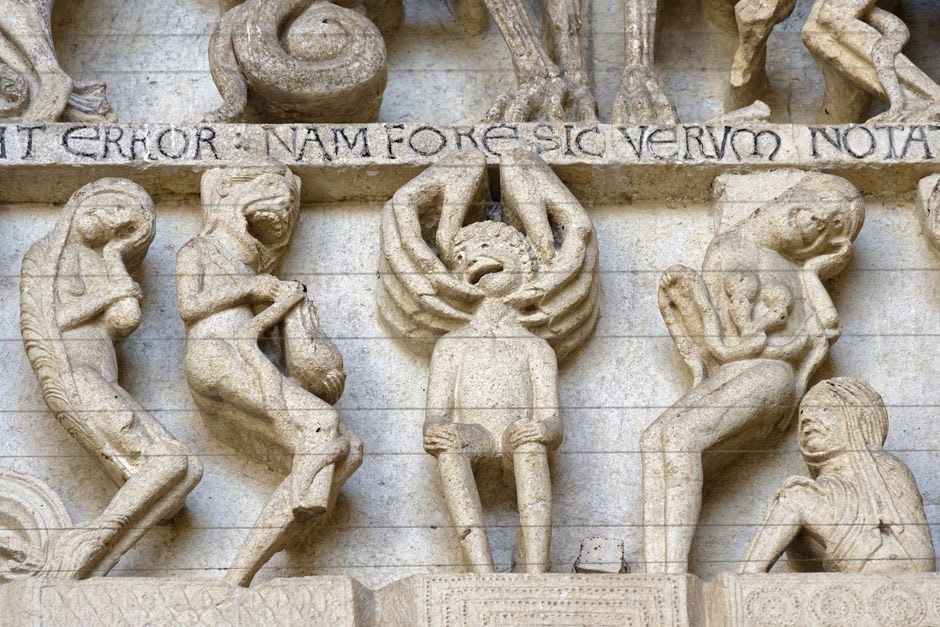
The Collégiale Saint-Lazare, Avallon’s main church, has a west front carved with such density of Romanesque sculpture — arches within arches, zodiac signs, foliage, and worn figures whose stories nobody fully agrees on anymore — that we ended up standing across the small square from it for a good twenty minutes just trying to trace one carved band at a time. Some of the detail has been softened by centuries of weather, faces worn down to suggestion rather than feature, but that erosion somehow makes the whole facade feel older and stranger than a cleanly restored one would. Inside, the church is comparatively plain, which made the ornate outside feel almost like it had used up its whole budget on the entrance.
When to go: Late spring or early autumn, both for mild weather on the ramparts walk and because it lines up well with day trips into the Morvan before winter closes some of the smaller roads.
Keep exploring
More of Burgundy