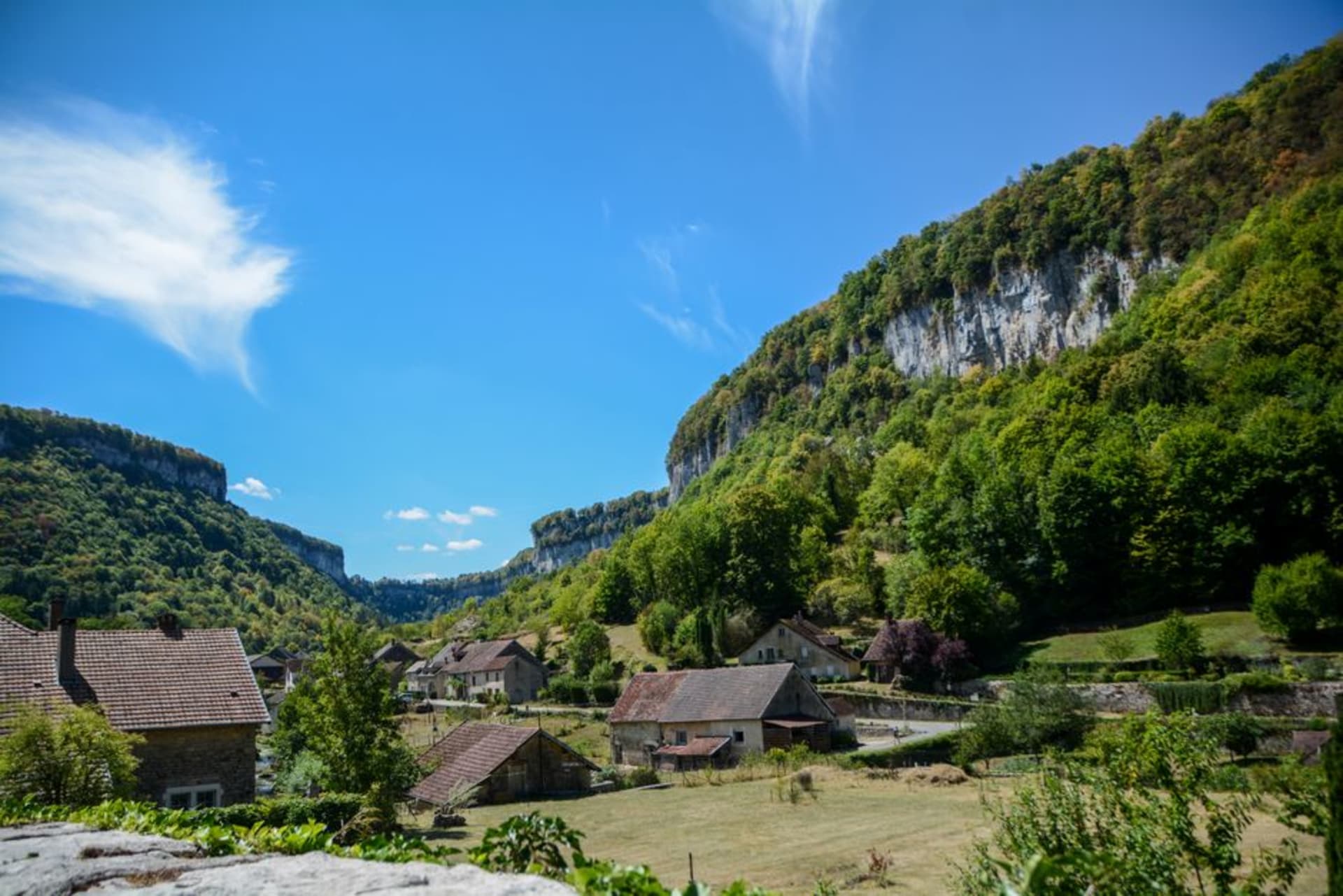
Colombey-les-Deux-Églises
"Of all the places in France a president could retreat to, he picked this one, and having stood there, I understood the choice completely."
The quiet Champagne-Ardenne village Charles de Gaulle chose as home, where a Lorraine cross the height of an apartment building looks out over farmland he genuinely seemed to prefer to Paris.
Colombey-les-Deux-Églises is a village of a few hundred people on the quiet eastern edge of the old Champagne-Ardenne region, and it would be entirely unremarkable if Charles de Gaulle hadn’t bought a house here in 1934, retreated to it repeatedly across his political life, written his memoirs at its desk, and eventually been buried in its small churchyard exactly as he’d requested, with no state ceremony, next to his daughter Anne. I went in mostly out of curiosity about why, of every corner of France available to him, he chose this one, and came away with a reasonably clear answer: because it asks nothing of you.
La Boisserie and a grave with no name on it
De Gaulle’s house, La Boisserie, is open to visitors and kept much as the family left it, unpretentious rooms, his study with the desk where the war memoirs were drafted, and a garden he apparently walked daily while working through decisions that, at various points, shaped the entire postwar order of Western Europe. The village churchyard nearby holds his grave, a plain stone marked only with his name, birth year, and death year — no rank, no title, nothing that hints at what the man actually did — which was his explicit instruction, and which stands in genuinely stark contrast to almost every other memorial to him in the country.
The cross on the hill you can see for miles
That contrast is deliberate, because a short walk from the village, on a low hill above the farmland, stands the Mémorial Charles de Gaulle: a granite Croix de Lorraine over forty metres tall, the same symbol used by the Free French forces he led from London during the occupation, built to be visible from the surrounding countryside for kilometres in every direction. I climbed up in late afternoon, the light flattening out over the wheat and pasture below, and it’s a strange, effective piece of design — enormous and severe up close, but from a distance it just sits quietly on the horizon the way a church spire would, which felt like the right note for a memorial to a man who chose to be buried under an unmarked stone.
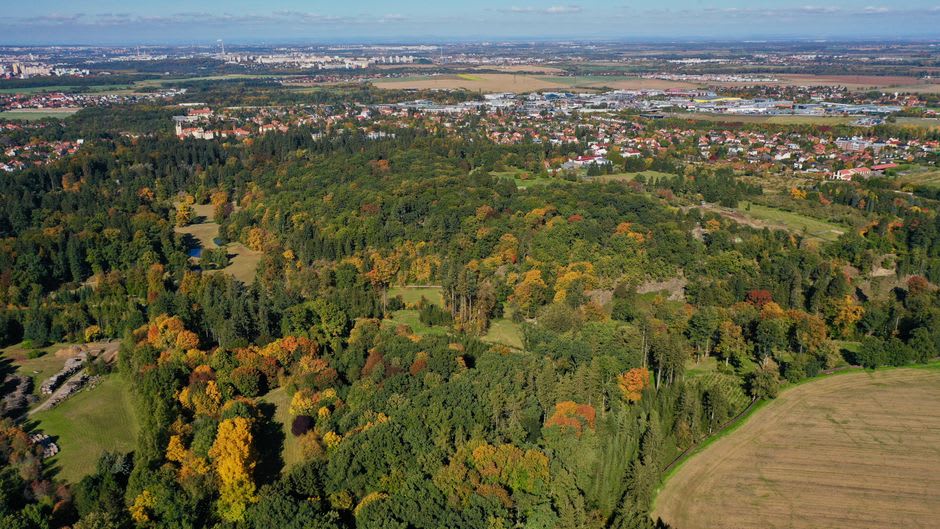
When to go: Spring through autumn suits the walk up to the memorial best, with September’s harvested fields giving the widest, clearest views from the cross. It makes an easy detour if you’re driving between Champagne and Burgundy along the N19.
Keep exploring
More of Burgundy