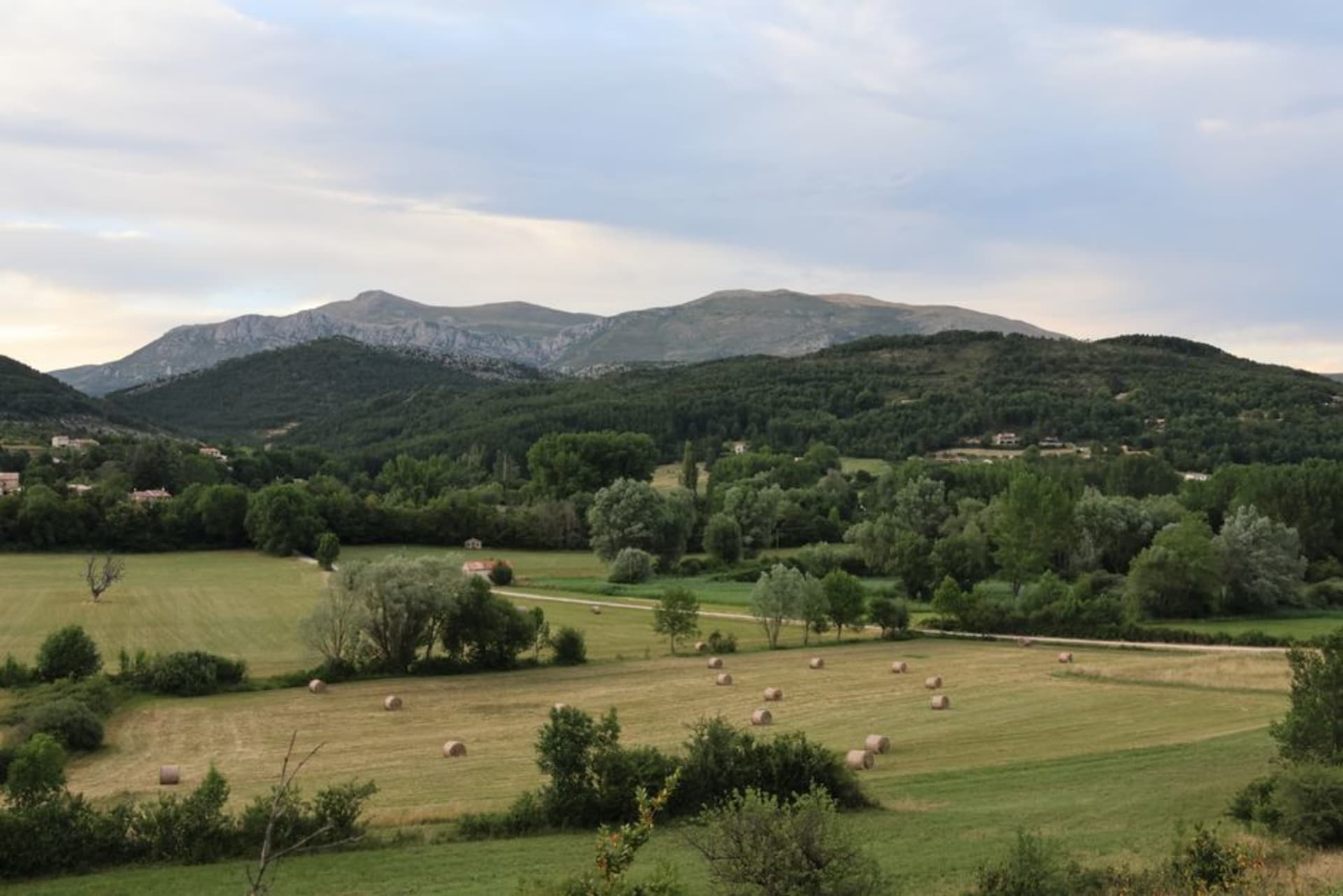
Bar-sur-Aube
"In the twelfth century, half of Europe's merchants passed through here. Now I had the church to myself on a Tuesday morning."
A sleepy Aube market town that was once one of the great medieval trade fairs of Europe, now surrounded by the steep little vineyards of the Côte des Bar that most Champagne drinkers have never heard of.
Bar-sur-Aube doesn’t look like a place that once rivaled Lyon and Geneva as a center of European commerce, and that gap between its quiet present and its enormous medieval past is exactly why I keep recommending it to people who assume the Aube département is just the forgettable southern edge of Champagne. We came down from Troyes on a whim, following signs for the Côte des Bar wine route, and ended up spending an entire afternoon in a town of barely six thousand people that I’d never seen mentioned in any guidebook about the region.
The fairs that built a town
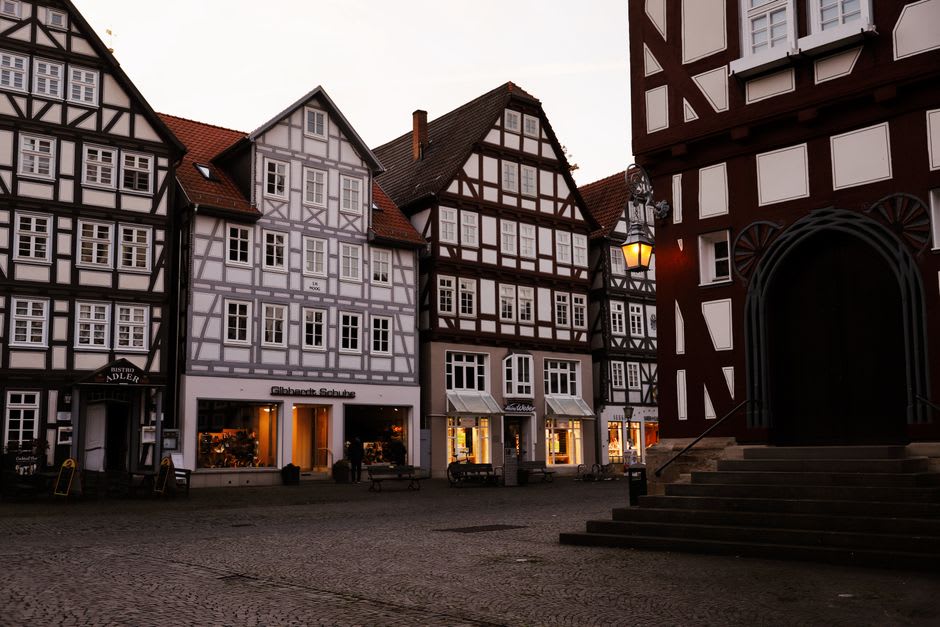
From the twelfth to the fourteenth century, Bar-sur-Aube hosted one of the six great Champagne fairs, the rotating circuit of trade fairs that made this whole region one of the most important commercial crossroads in medieval Europe, where Italian bankers, Flemish cloth merchants, and traders dealing in everything from spices to leather converged twice a year. The fairs eventually declined as trade routes shifted and the Hundred Years’ War disrupted the region, but the town’s layout still carries traces of that era — the broad Place Flageollot, once fairground space, and the wood-and-stone Halle, a covered market hall rebuilt after a fire but standing more or less where merchants have pitched stalls for eight centuries. We wandered it on a market morning, half-listening to a cheese vendor argue amiably with a regular customer, trying to picture the same square packed with Genoese bankers weighing out silver.
The Champagne nobody talks about
What most visitors miss entirely is that Bar-sur-Aube sits at the heart of the Côte des Bar, the southernmost and largest of Champagne’s wine districts, planted overwhelmingly with Pinot Noir on steep Kimmeridgian clay-limestone slopes that geologically match Chablis more than they match Épernay. The big houses buy enormous quantities of grapes from here and blend them anonymously into famous labels, but a growing handful of small growers around Bar-sur-Aube are bottling their own terroir-driven Champagne, often at a fraction of the price of the grand names an hour north. We tasted at a family domaine in a village outside town where the grower poured us his own vintage standing in his garage, no tasting room, no reservation system, just an honest conversation about soil and weather that I still think about more than most formal cellar tours I’ve done.
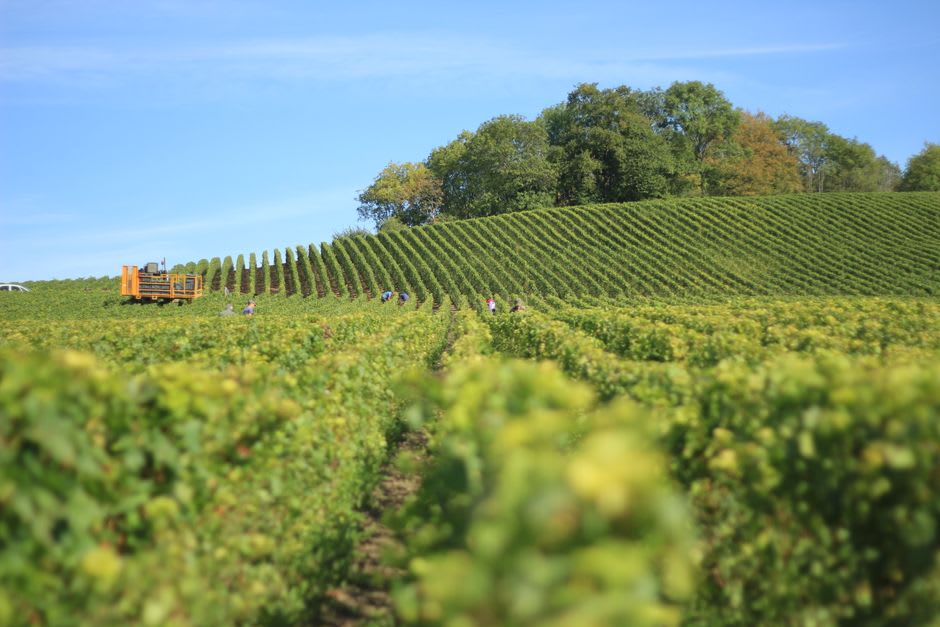
When to go: Late September for the grape harvest and the town’s own local wine festivities, or a quiet spring weekday if you just want the streets to yourself.
Keep exploring
More of Burgundy